Mastering Maillard Reaction: Unlocking Flavorful Browning Techniques
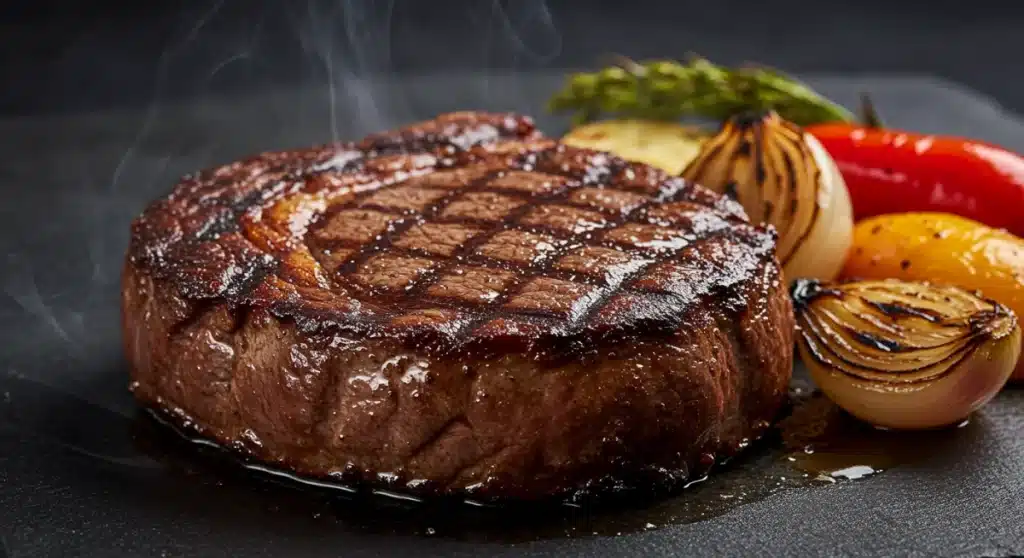
Anúncios
Mastering Maillard Reaction: Unlocking Flavorful Browning Techniques
Have you ever wondered what gives roasted chicken its irresistible golden-brown skin, seared steaks their rich, savory crust, or freshly baked bread its complex aroma? The answer lies in a fascinating chemical process known as the Maillard reaction mastery. Far from being just a simple browning, the Maillard reaction is a symphony of chemical transformations that creates hundreds of new flavor compounds, transforming ordinary ingredients into culinary masterpieces.
Anúncios
In the world of cooking, understanding and controlling the Maillard reaction is akin to wielding a secret weapon. It’s the difference between a bland, steamed piece of meat and a deeply flavorful, satisfying dish. This comprehensive guide will take you on a journey through the science behind this incredible phenomenon, providing you with the insider knowledge and practical techniques to achieve perfect browning and unlock unparalleled flavor in your cooking every single time.
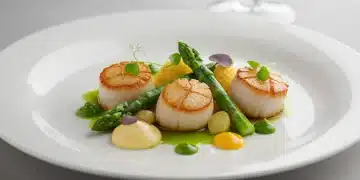
From the subtle nuances of roasting vegetables to the intense caramelization of a perfectly seared scallop, the Maillard reaction is at play. We’ll explore the key factors that influence its progression, common pitfalls to avoid, and advanced tips to elevate your culinary game. Get ready to transform your cooking and impress your taste buds with the power of Maillard reaction mastery.
Anúncios
What Exactly is the Maillard Reaction? The Science of Browning
At its core, the Maillard reaction is a non-enzymatic browning reaction that occurs when amino acids and reducing sugars react in the presence of heat. Unlike caramelization, which involves only sugars, the Maillard reaction requires both proteins (amino acids) and carbohydrates (reducing sugars) to be present. This complex series of chemical interactions leads to the formation of a vast array of new molecules, including melanoidins, which are responsible for the characteristic brown color, and countless volatile compounds that contribute to the distinctive aromas and flavors we associate with cooked food.
Discovered by French chemist Louis-Camille Maillard in 1912, this reaction is ubiquitous in cooking. Think about the crust of bread, the color of roasted coffee beans, the flavor of toasted marshmallows, or the rich aroma of fried onions – all are products of the Maillard reaction. It’s not just about aesthetics; it’s fundamentally about flavor development.
The process begins at temperatures generally above 285°F (140°C), although it can occur at lower temperatures over longer periods. When heat is applied, the amino acids and sugars rearrange themselves, forming intermediate compounds that then undergo further reactions, leading to a cascade of flavor-generating pathways. The specific compounds formed depend on the type of amino acids and sugars present, as well as factors like pH, moisture content, and cooking time.
Understanding these foundational principles is the first step towards achieving true Maillard reaction mastery in your kitchen. It’s not just about turning up the heat; it’s about creating the optimal conditions for these chemical wonders to unfold.
Key Factors Influencing Maillard Reaction Mastery
To truly master the Maillard reaction, you need to understand the variables that control its speed and intensity. Manipulating these factors will allow you to achieve precise browning and flavor development for any dish.
1. Temperature: The Catalyst for Flavor
Temperature is perhaps the most crucial factor. The Maillard reaction accelerates significantly at higher temperatures, typically above 285°F (140°C). Below this, browning is minimal or very slow. This is why boiling or steaming food rarely results in significant browning; the maximum temperature reached is 212°F (100°C), which is too low for the reaction to proceed effectively. For effective Maillard reaction mastery, you need dry heat methods.
- High Heat: For searing steaks, stir-frying, or roasting vegetables, high heat ensures rapid browning and crust formation.
- Moderate Heat: For baking bread or slow roasting, a more moderate temperature allows for gradual browning and deeper flavor penetration without burning.
2. Moisture Content: The Enemy of Browning
Water acts as a heat sink and prevents temperatures from rising high enough for the Maillard reaction to occur efficiently. As long as there’s significant surface moisture, the energy from your heat source will be spent evaporating water, not raising the surface temperature above 212°F (100°C). This is why patting meat dry before searing is so critical.
- Dry Surfaces: Always pat ingredients dry with paper towels before applying heat. This removes surface moisture, allowing the surface temperature to quickly rise to where the Maillard reaction can flourish.
- Crowding the Pan: Overcrowding a pan releases too much moisture, steaming the food instead of searing it. Cook in batches if necessary to maintain a high surface temperature.
3. pH Level: A Subtle Influence
The Maillard reaction is generally favored in slightly alkaline (higher pH) conditions. While you won’t often adjust the pH of your food specifically for browning, understanding this can help explain certain outcomes.
- Baking Soda: A small pinch of baking soda can sometimes be used to accelerate browning, particularly in baked goods or when trying to achieve a darker crust on chicken wings. However, too much can lead to an unpleasant soapy taste.
- Acidic Marinades: Acidic marinades (e.g., lemon juice, vinegar) can inhibit the Maillard reaction, making it harder to get a good sear. If using an acidic marinade, ensure the surface is thoroughly dried before cooking.
4. Type of Sugars and Amino Acids: The Building Blocks
Different sugars (glucose, fructose, lactose) and amino acids will react differently, producing distinct flavor profiles. For instance, the lactose in milk contributes to the browning of baked goods, while the amino acids and glucose in meat create savory, umami-rich flavors.
- Reducing Sugars: Glucose and fructose are highly reactive. Sucrose (table sugar) is not a reducing sugar, but it will break down into glucose and fructose when heated, allowing the reaction to proceed.
- Proteins: All proteins are made of amino acids, and their presence is essential.
Practical Techniques for Achieving Perfect Browning
Now that we understand the science, let’s dive into the practical application of Maillard reaction mastery in various cooking scenarios.
Searing Meat: The Ultimate Crust
Searing is perhaps the most iconic application of the Maillard reaction. Achieving a beautiful, even crust on a steak, pork chop, or chicken breast is a hallmark of good cooking.
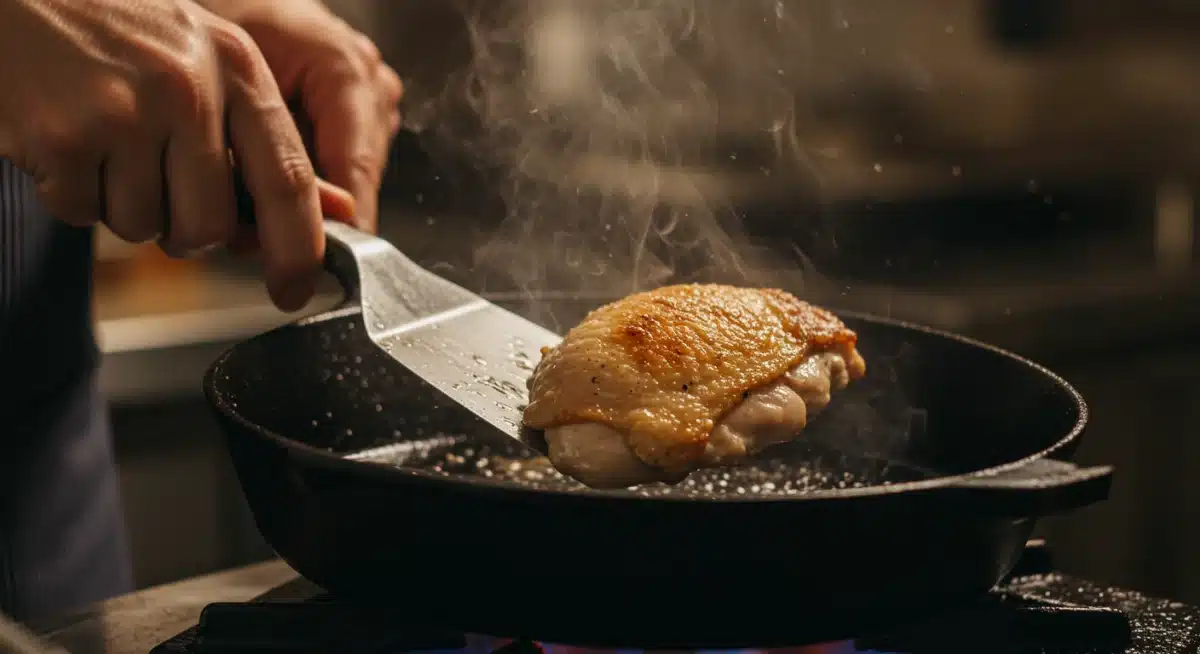
- Pat Dry: This cannot be stressed enough. Use paper towels to thoroughly dry the surface of your meat. Any moisture will delay or prevent browning.
- High Heat, Right Pan: Use a heavy-bottomed pan, like cast iron or stainless steel, and preheat it over medium-high to high heat until it’s smoking slightly (for cast iron) or a drop of water dances and evaporates instantly.
- Oil Wisely: Add a high smoke point oil (like grapeseed, canola, or avocado oil) to the hot pan just before adding the meat. Don’t crowd the pan.
- Don’t Move It: Once the meat is in the pan, resist the urge to move it for several minutes. Let it develop a deep brown crust. You’ll know it’s ready to flip when it releases easily from the pan.
- Butter Basting (Optional): Towards the end of cooking, you can add butter, herbs, and garlic to the pan and baste the meat, adding flavor and promoting further browning.
Roasting Vegetables: Sweet and Savory Depth
Roasted vegetables are far superior to steamed ones, largely due to the Maillard reaction. The natural sugars in vegetables caramelize and react with amino acids, creating incredible sweetness and savory depth.
- Chop Evenly: Ensure vegetables are cut into roughly equal-sized pieces for even cooking and browning.
- Don’t Overcrowd: Spread vegetables in a single layer on a baking sheet. If they’re piled up, they’ll steam instead of roast. Use multiple baking sheets if necessary.
- Oil and Season: Toss vegetables with a good amount of oil (olive oil for flavor, or a high smoke point oil for higher temperatures) and season generously with salt and pepper.
- High Oven Temperature: Roast at 400-425°F (200-220°C). This high heat is crucial for browning.
- Flip Halfway: Flip or stir the vegetables halfway through cooking to ensure even browning on all sides.
Baking Bread: The Golden Crust and Aroma
The crust of bread is a prime example of Maillard reaction mastery. The sugars and proteins in the flour react to create the characteristic golden-brown color, nutty flavors, and amazing aroma.
- Steam in Oven: For a crispier, more developed crust, some bakers introduce steam into the oven during the initial baking phase. This keeps the surface moist, allowing the bread to expand fully before the crust sets, and then promotes browning once the steam dissipates.
- Egg Washes: An egg wash (egg mixed with water or milk) provides additional proteins and sugars, leading to a richer, shinier, and darker crust.
- Oven Temperature and Time: Baking at the correct temperature for the right duration is key. Too low, and you get pale bread; too high, and it burns before cooking through.
Caramelizing Onions: Sweet, Savory, and Umami
Transforming pungent raw onions into sweet, deeply flavored, and jammy goodness is a testament to the Maillard reaction, combined with caramelization.
- Low and Slow: Unlike searing, caramelizing onions requires patience. Cook them over low to medium-low heat for an extended period (30-60 minutes).
- Fat is Key: Use a generous amount of butter or oil. This helps conduct heat and prevents sticking.
- Stir Frequently: Stir occasionally to ensure even browning and prevent burning.
- Deglaze (Optional): If sticking occurs, or to deepen the color, add a splash of water, broth, or wine to deglaze the pan and scrape up any browned bits.
Common Pitfalls and How to Avoid Them
Even with a solid understanding, it’s easy to make mistakes that hinder the Maillard reaction. Here’s how to troubleshoot common issues and ensure consistent Maillard reaction mastery.
1. Pale or Steamed Food
Problem: Your food isn’t browning; it looks more gray or steamed.
Solution:
- Dry the Surface: Reiterate patting meat/vegetables dry.
- Increase Heat: Ensure your pan or oven is hot enough. Don’t be afraid of high heat for searing.
- Don’t Crowd the Pan: Give ingredients space to breathe. Cook in batches.
2. Burnt Exterior, Raw Interior
Problem: The outside is black and charred, but the inside is undercooked.
Solution:
- Adjust Heat: Your heat might be too high for the thickness of the food. Lower the temperature slightly after the initial sear.
- Finish in Oven: For thicker cuts of meat, sear on the stovetop to develop the crust, then transfer to a preheated oven to finish cooking gently and evenly.
- Smaller Pieces: For vegetables, cut them into smaller, more uniform pieces.
3. Uneven Browning
Problem: Some parts are perfectly browned, others are still pale.
Solution:
- Even Contact: Ensure food has even contact with the hot surface. Use a meat press for burgers or bacon.
- Flip/Stir Regularly: Especially for roasting vegetables or frying, regular turning ensures all sides get exposed to heat.
- Even Sizing: Cut ingredients to a similar size and thickness.
4. Too Much Liquid in the Pan
Problem: Food releases too much liquid, boiling instead of browning.
Solution:
- Preheat Properly: A very hot pan helps evaporate initial surface moisture quickly.
- Don’t Overcrowd: This is the biggest culprit.
- Reduce Liquid: If cooking something that naturally releases a lot of moisture (e.g., mushrooms), consider cooking it in batches or allowing the liquid to evaporate before browning can occur.
Advanced Tips for Peak Maillard Reaction Mastery
Ready to take your browning skills to the next level? These advanced techniques will help you achieve truly exceptional results.
1. Reverse Searing for Steaks
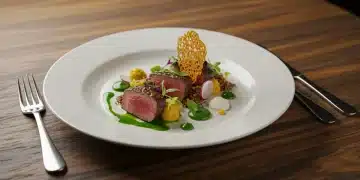
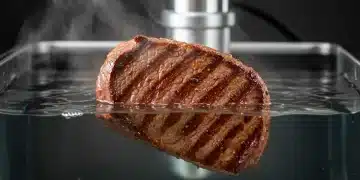
For thick cuts of meat, reverse searing is a game-changer. It involves cooking the meat slowly at a low temperature in the oven until it’s almost done, then finishing with a super-hot sear on the stovetop. This method ensures an incredibly even cook throughout the interior and a perfect, deep crust.
2. Dry Brining Poultry
Dry brining (salting poultry skin and letting it air dry in the refrigerator overnight) draws out moisture from the skin, resulting in an exceptionally crispy, golden-brown skin when roasted. The salt also helps tenderize the meat and enhances flavor.
3. Using a Wok for Stir-Frying
A properly seasoned wok, heated to screaming hot temperatures, is ideal for stir-frying. Its shape allows ingredients to be quickly moved from the intense heat of the bottom to the cooler sides, ensuring rapid browning without overcooking.
4. Adding Small Amounts of Sugar or Starch
For certain applications, a light dusting of sugar or starch (like cornstarch or rice flour) can enhance browning. For example, a tiny sprinkle of sugar on vegetables before roasting can boost caramelization. A cornstarch slurry can help create a crisp coating on fried chicken.
5. Monitoring with a Thermometer
While the Maillard reaction is about surface browning, an internal thermometer is crucial for ensuring the interior of your food (especially meat) reaches the desired doneness without overcooking while the exterior develops its crust. This precision is key to true Maillard reaction mastery.
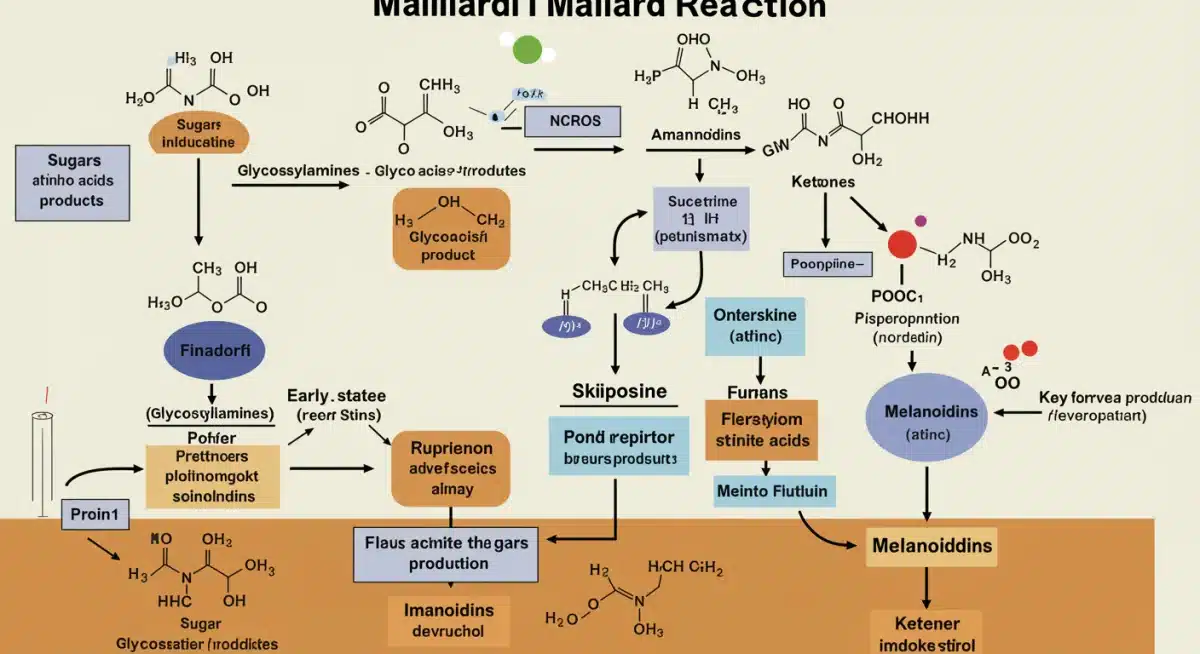
The Flavor Spectrum of Maillard Reaction
The beauty of the Maillard reaction lies in its ability to create a vast spectrum of flavors. It’s not just one flavor, but a complex interplay of hundreds of compounds, each contributing to the overall profile. These flavors can range from nutty, roasted, and savory to sweet, malty, and even slightly bitter.
- Meats: Think of the deep, umami-rich, savory notes in a grilled burger or a roasted leg of lamb. These are classic Maillard flavors.
- Baked Goods: The crust of artisanal bread offers malty, toasted, and sometimes slightly sweet notes.
- Coffee and Chocolate: The roasting of coffee beans and cocoa beans relies heavily on the Maillard reaction to develop their characteristic complex and bitter-sweet profiles.
- Vegetables: Roasted root vegetables like carrots and parsnips develop an intense sweetness and earthy depth.
By understanding the conditions that favor specific flavor development, you can intentionally steer the Maillard reaction to achieve your desired culinary outcome. For instance, a slightly lower temperature over a longer period might yield more malty notes, while a quick, high-heat sear will produce more intense savory and roasted flavors.
Beyond the Kitchen: Maillard in Other Industries
The Maillard reaction isn’t confined to your kitchen. Its principles are vital in various food industries:
- Coffee Roasting: Critical for developing the characteristic aroma, color, and flavor of coffee beans. Different roasting profiles manipulate the Maillard reaction to achieve specific tastes.
- Brewing: In beer production, the malting process involves heating grains, which initiates Maillard reactions, contributing to the color and flavor of the wort and ultimately the beer.
- Baked Goods Production: Industrial bakeries carefully control temperature and humidity to ensure consistent crust development and flavor in bread, pastries, and biscuits.
- Snack Foods: The browning of potato chips, crackers, and other savory snacks is often a result of controlled Maillard reactions, creating appealing colors and desirable flavors.
This widespread application underscores the fundamental importance of the Maillard reaction in creating desirable flavors and appearances across a multitude of food products. It’s a testament to the power of understanding basic chemistry in the culinary and food science world.
Conclusion: Embrace the Science for Superior Flavor
The Maillard reaction is more than just a scientific curiosity; it’s a fundamental pillar of delicious cooking. By understanding the interplay of temperature, moisture, pH, and ingredients, you gain the power to consistently achieve perfect browning and unlock an incredible depth of flavor in everything you cook. From a humble pan-seared chicken breast to a complex slow-roasted prime rib, Maillard reaction mastery is the key to elevating your dishes from good to extraordinary.
Don’t be intimidated by the chemistry. Instead, embrace it as a tool. Experiment with different temperatures, pat your ingredients dry, give them space, and most importantly, pay attention to the sights, smells, and sounds as your food transforms. With practice and a keen eye, you’ll soon be harnessing the full potential of the Maillard reaction, creating dishes that are not only visually appealing but also bursting with rich, complex, and unforgettable flavors. Happy cooking!