Plant-Based Eating 2026: Your 4-Week Beginner Meal Plan for Practical Solutions
Anúncios
Are you ready to embrace a healthier, more sustainable lifestyle in 2026? The world of plant-based eating continues to grow, offering an abundance of delicious, nutritious, and ethically conscious choices. For many, the idea of transitioning to a plant-based diet can feel overwhelming, fraught with questions about what to eat, how to get enough nutrients, and how to make it a sustainable change. This comprehensive guide, featuring a practical 4-week plant-based meal plan, is specifically designed for beginners like you. Our goal is to demystify plant-based eating, providing you with the tools, knowledge, and inspiration to confidently embark on this exciting journey.
The benefits of adopting a plant-based lifestyle are vast and well-documented. From improved cardiovascular health and weight management to reduced risk of chronic diseases and a positive impact on the environment, the reasons to go plant-based are compelling. However, like any significant dietary shift, it requires planning and understanding. This isn’t just about cutting out meat; it’s about discovering a vibrant world of fruits, vegetables, legumes, grains, nuts, and seeds that can nourish your body and delight your taste buds. Our plant-based meal plan for beginners in 2026 is your roadmap to success, offering practical solutions every step of the way.
Anúncios
This article will delve into the fundamentals of plant-based nutrition, equip you with essential pantry staples, and guide you through a structured 4-week meal plan complete with easy-to-follow recipes. We’ll also address common challenges and provide expert tips to ensure your transition is smooth, enjoyable, and sustainable. By the end of this guide, you’ll feel empowered and excited to make plant-based eating a fulfilling part of your life.
Understanding the Basics of Plant-Based Eating for a Successful 2026
Before diving into the meal plan, it’s crucial to understand what a plant-based diet truly entails and why it’s gaining such immense popularity. A plant-based diet emphasizes foods derived from plants, with minimal or no animal products. This includes fruits, vegetables, grains, legumes, nuts, and seeds. It’s not necessarily about strict veganism, though many plant-based diets are vegan. Instead, it focuses on increasing your intake of whole, unprocessed plant foods while reducing or eliminating animal products. The flexibility within a plant-based framework allows for personal preferences and health goals, making it accessible to a wide range of individuals.
Anúncios
The Health Benefits: Why Choose Plant-Based in 2026?
The scientific evidence supporting the health benefits of a plant-based diet is overwhelming. Research consistently shows that individuals who consume primarily plant-based foods tend to have lower rates of heart disease, type 2 diabetes, certain cancers, and obesity. This is largely due to the high fiber content, antioxidants, vitamins, and minerals found in plant foods, coupled with a lower intake of saturated fats and cholesterol often present in animal products.
- Heart Health: Plant-based diets are naturally low in saturated fat and cholesterol, helping to maintain healthy blood pressure and cholesterol levels.
- Weight Management: High fiber content in plant foods promotes satiety, leading to reduced calorie intake and sustainable weight loss.
- Diabetes Prevention and Management: Improved insulin sensitivity and stable blood sugar levels are common benefits.
- Reduced Cancer Risk: The abundance of antioxidants and phytochemicals in plants offers protective effects against various cancers.
- Improved Gut Health: Fiber acts as a prebiotic, feeding beneficial gut bacteria and promoting a healthy microbiome.
Environmental Impact: A Sustainable Choice
Beyond personal health, choosing a plant-based lifestyle significantly contributes to environmental sustainability. Animal agriculture is a major contributor to greenhouse gas emissions, deforestation, and water pollution. By reducing your consumption of animal products, you can significantly lessen your carbon footprint and support a more sustainable food system. This aspect is particularly relevant as we look towards a more conscious future in 2026 and beyond.
Key Nutrients on a Plant-Based Diet: What You Need to Know
One of the most common concerns for beginners is ensuring adequate nutrient intake. With proper planning, a well-balanced plant-based diet can provide all the essential nutrients your body needs. Here are some key nutrients to focus on and their plant-based sources:
- Protein: Legumes (lentils, beans, chickpeas), tofu, tempeh, edamame, quinoa, nuts, seeds, nutritional yeast.
- Iron: Lentils, spinach, fortified cereals, tofu, cashews, dark chocolate. Pair with Vitamin C-rich foods (e.g., oranges, bell peppers) to enhance absorption.
- Calcium: Fortified plant milks, tofu (calcium-set), leafy greens (kale, collard greens), sesame seeds, almonds.
- Vitamin B12: This is the only vitamin not reliably found in plant foods. Supplementation or fortified foods (plant milks, nutritional yeast, some cereals) are essential.
- Omega-3 Fatty Acids: Flaxseeds, chia seeds, hemp seeds, walnuts, algal oil supplements.
- Vitamin D: Fortified plant milks, mushrooms exposed to UV light, sunlight exposure, supplements.
- Iodine: Iodized salt, seaweed (in moderation).
Understanding these basics forms the foundation for a successful and healthy transition. Now, let’s prepare your kitchen for this exciting journey.
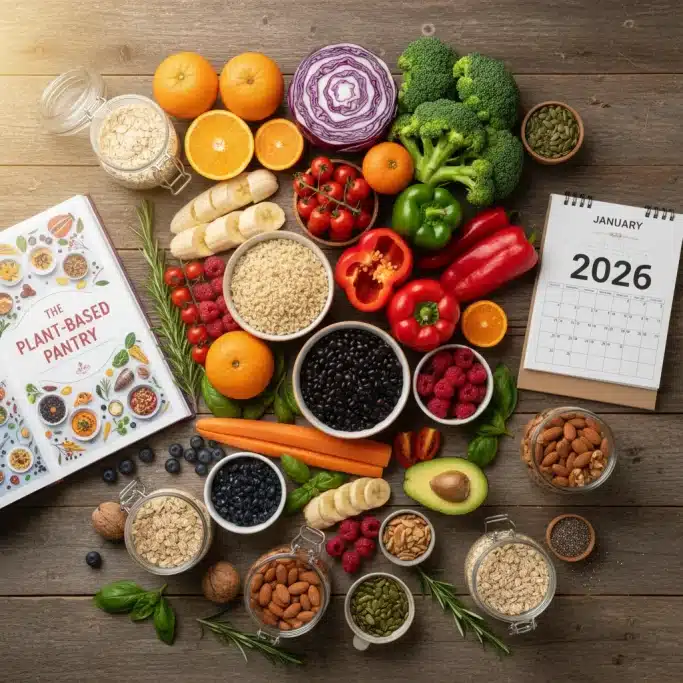
Stocking Your Plant-Based Pantry: Essential Staples for Your 4-Week Plan
A well-stocked pantry is the secret weapon for any successful dietary change, especially when adopting a plant-based lifestyle. Having the right ingredients on hand will make meal preparation easier, more enjoyable, and ensure you stick to your plant-based meal plan. Think of your pantry as your culinary toolkit, ready to create delicious and nutritious meals without constant trips to the grocery store.
Grains and Starches: The Foundation of Your Meals
These provide complex carbohydrates for sustained energy and fiber for digestive health.
- Quinoa: A complete protein, versatile for salads, bowls, or as a side.
- Brown Rice: A staple, great for stir-fries, bowls, or as a base.
- Oats: Perfect for breakfast porridge, overnight oats, or baking.
- Whole Wheat Pasta: A quick and easy meal option.
- Whole Wheat Bread/Tortillas: For sandwiches, wraps, or toast.
Legumes: Your Protein Powerhouses
Legumes are incredibly versatile, affordable, and packed with protein and fiber.
- Canned Beans (Black, Kidney, Chickpeas, Cannellini): Convenient for quick meals, salads, and chilis.
- Lentils (Red, Green, Brown): Cook quickly and are great for soups, stews, and curries.
- Dried Beans/Lentils: More economical if you have time to soak and cook.
Nuts and Seeds: Healthy Fats and Crunch
Excellent sources of healthy fats, protein, and minerals. They add texture and flavor to many dishes.
- Almonds, Walnuts, Cashews: For snacking, salads, or homemade nut milks.
- Chia Seeds, Flaxseeds, Hemp Seeds: Boost omega-3s, great in smoothies, oatmeal, or sprinkled on dishes.
- Nut Butters (Peanut, Almond, Cashew): For toast, smoothies, or sauces.
Fruits and Vegetables: Fresh and Frozen
Aim for a variety of colors to ensure a wide range of nutrients.
- Fresh Produce: Seasonal fruits and vegetables for daily consumption.
- Frozen Fruits (Berries, Mango, Spinach): Perfect for smoothies, oatmeal, or quick desserts.
- Frozen Vegetables (Broccoli, Peas, Corn, Mixed Veggies): Convenient for stir-fries, soups, or as a quick side dish.
Plant-Based Proteins & Alternatives (Refrigerated/Frozen)
These are excellent for adding substance and variety to your meals.
- Tofu (Firm/Extra-Firm): Incredibly versatile, absorbs flavors well, great for scrambles, stir-fries, or baking.
- Tempeh: Fermented soybean product, nutty flavor, good for marinating and grilling.
- Edamame: Great snack or addition to salads and stir-fries.
- Plant Milks (Almond, Soy, Oat, Cashew): For smoothies, cereals, coffee, and cooking. Choose unsweetened varieties.
Oils, Vinegars, and Condiments: Flavor Enhancers
These add depth and zest to your culinary creations.
- Olive Oil, Avocado Oil: For cooking and dressings.
- Apple Cider Vinegar, Balsamic Vinegar: For dressings and marinades.
- Soy Sauce/Tamari: For Asian-inspired dishes.
- Nutritional Yeast: Adds a cheesy, umami flavor.
- Herbs and Spices: Stock up on your favorites to elevate any dish. Think cumin, paprika, turmeric, garlic powder, onion powder, oregano, basil.
- Mustard, Ketchup, Sriracha: For flavor and heat.
Sweeteners and Baking Supplies (Optional)
- Maple Syrup, Agave Nectar: Natural sweeteners.
- Whole Wheat Flour, Baking Powder/Soda: For occasional baking.
By stocking your pantry with these essentials, you’ll be well-prepared to tackle the 4-week plant-based meal plan with confidence and ease. This strategic preparation is a practical solution to staying on track with your plant-based goals for 2026.
The 4-Week Plant-Based Meal Plan for Beginners (2026 Edition)
This 4-week plant-based meal plan is designed to gradually introduce you to a wide variety of plant-based foods and recipes, making the transition enjoyable and sustainable. Each week builds upon the last, introducing new ingredients and techniques while reinforcing fundamental plant-based cooking skills. Remember, this is a template; feel free to adjust portion sizes, swap similar ingredients, and experiment with spices to suit your taste. The key is consistency and enjoyment!
Week 1: Foundations and Familiar Flavors
Focus: Simple, comforting meals using familiar ingredients. Emphasis on legumes, grains, and abundant vegetables.
Sample Daily Menu:
- Breakfast: Oatmeal with berries and nuts/seeds, or a Tofu Scramble with spinach.
- Lunch: Large Salad with chickpeas, mixed greens, cucumber, tomatoes, and a simple vinaigrette. Leftover dinner.
- Dinner: Lentil Soup with whole-grain bread; Black Bean Burgers on whole wheat buns with sweet potato fries; Chickpea & Vegetable Curry with brown rice.
- Snacks: Apple with peanut butter, handful of almonds, carrots and hummus.
Key Learnings for Week 1:
- Understanding basic plant-based protein sources (legumes, tofu).
- Learning to build a balanced plant-based meal.
- Getting comfortable with plant-based cooking techniques.
Week 2: Expanding Your Horizons
Focus: Introducing new plant-based ingredients like tempeh and more diverse vegetables. Experimenting with different cuisines.
Sample Daily Menu:
- Breakfast: Smoothie with plant milk, banana, spinach, chia seeds, and protein powder; Whole Wheat Toast with avocado and everything bagel seasoning.
- Lunch: Quinoa Salad with roasted vegetables and a lemon-tahini dressing; Leftover dinner.
- Dinner: Tempeh Stir-fry with brown rice and colorful vegetables; Pasta with a rich marinara sauce and plant-based meatballs; Loaded Baked Potatoes with chili and vegan sour cream.
- Snacks: Edamame, rice cakes with almond butter, fruit.
Key Learnings for Week 2:
- Incorporating new protein sources (tempeh).
- Exploring different flavor profiles and spices.
- Meal prepping components like cooked grains and roasted vegetables.
Week 3: Creative Combinations and Batch Cooking
Focus: Mastering batch cooking techniques to save time during the week. Creating more complex and satisfying plant-based dishes.
Sample Daily Menu:
- Breakfast: Vegan Pancakes or Waffles with fresh fruit and maple syrup; Overnight Oats with plant milk, berries, and nuts.
- Lunch: Large batch of Bean & Veggie Chili (cook once, eat twice); Mediterranean Wrap with hummus, falafel, and fresh veggies.
- Dinner: Sheet Pan Fajitas with bell peppers, onions, and seasoned chickpeas; Creamy Tomato Pasta with cashew cream sauce; Hearty Vegetable and Bean Stew.
- Snacks: Homemade trail mix, fruit and nut butter, plant-based yogurt.
Key Learnings for Week 3:
- Efficient batch cooking strategies.
- Developing your own plant-based recipes and variations.
- Understanding how to create creamy textures without dairy (cashew cream).

Week 4: Advanced Plant-Based Living and Customization
Focus: Consolidating your knowledge, experimenting with fermenting or sprouting, and tailoring the diet to your preferences. Feeling confident in your plant-based choices.
Sample Daily Menu:
- Breakfast: Green Smoothie Bowl with granola and fresh fruit; Vegan Breakfast Burrito with black beans, salsa, and avocado.
- Lunch: Buddha Bowl with quinoa, roasted sweet potatoes, massaged kale, and a spicy peanut dressing; Leftover dinner.
- Dinner: Lentil Loaf with mashed potatoes and gravy; Tofu & Broccoli with a peanut sauce; Homemade Vegan Pizza with a variety of vegetable toppings.
- Snacks: Roasted chickpeas, homemade energy balls, fruit.
Key Learnings for Week 4:
- Mastering diverse plant-based cooking.
- Confidently adapting recipes and creating your own.
- Feeling fully integrated into the plant-based lifestyle.
This 4-week plant-based meal plan provides a solid framework. Remember to listen to your body, stay hydrated, and adjust as needed. Each week offers practical solutions to common challenges, ensuring your journey is both delicious and sustainable.
Practical Solutions for Common Plant-Based Challenges
Transitioning to a plant-based diet, especially for beginners, can come with its set of hurdles. Anticipating and preparing for these challenges with practical solutions will significantly increase your chances of success and make your 2026 health goals a reality. Our plant-based meal plan is designed with these challenges in mind, offering guidance to overcome them.
Challenge 1: "What Do I Eat?" – Meal Planning and Variety
Solution: The 4-week meal plan provided is your primary tool! Beyond that, embrace variety. Don’t fall into the trap of eating the same few meals. Explore different cuisines – Indian, Mexican, Thai, Italian – all have rich plant-based traditions. Use online resources, cookbooks, and food blogs for endless recipe ideas. Batch cooking is also a game-changer; dedicate a few hours on a weekend to prepare components like cooked grains, roasted vegetables, and sauces that can be mixed and matched throughout the week. This ensures you always have healthy options readily available.
Challenge 2: "Am I Getting Enough Protein?"
Solution: This is perhaps the most common concern. As highlighted earlier, protein is abundant in the plant kingdom. Focus on incorporating protein-rich plant foods into every meal. Think legumes (beans, lentils, chickpeas), tofu, tempeh, edamame, quinoa, nuts, and seeds. A good rule of thumb is to aim for at least one or two protein sources per meal. For instance, oatmeal with nuts and seeds, a lentil soup for lunch, and a tofu stir-fry for dinner will easily meet your protein needs. Plant-based protein powders can also be a convenient supplement for smoothies if you’re very active or find it hard to hit your targets.
Challenge 3: "It’s Too Expensive!"
Solution: A plant-based diet can be incredibly budget-friendly. The most expensive items tend to be processed plant-based meats and cheeses. Focus on whole, unprocessed foods: dried beans and lentils are far cheaper than canned versions (and healthier!). Grains like rice and oats are very economical. Buy seasonal fruits and vegetables, and utilize frozen options which are often cheaper and just as nutritious. Cooking from scratch, rather than relying on pre-made meals, will also save you a significant amount of money. Plan your meals around sales and buy in bulk when possible.
Challenge 4: "I’m Always Hungry!" – Satiety and Fiber
Solution: Plant-based foods are generally high in fiber, which promotes satiety. If you’re feeling hungry, it might be due to not eating enough calories or not consuming enough fat and protein. Ensure your meals are well-balanced with complex carbohydrates (grains), protein (legumes, tofu), and healthy fats (avocado, nuts, seeds, olive oil). Don’t shy away from healthy fats; they are crucial for satiety and nutrient absorption. Increase your portion sizes slightly, or add a healthy snack between meals. Hydration also plays a role, so ensure you’re drinking enough water throughout the day.
Challenge 5: "Social Situations and Eating Out"
Solution: This can be tricky, but it’s getting easier. When dining out, most restaurants now offer vegetarian or vegan options. Don’t hesitate to ask your server about ingredients or if they can customize a dish (e.g., hold the cheese, swap meat for beans/tofu). If you’re going to a friend’s house, offer to bring a delicious plant-based dish to share. Communicate your dietary choices clearly and politely. Remember, you don’t have to be perfect; occasional flexibility is okay, especially as you’re starting. The goal is progress, not perfection.
Challenge 6: "Dealing with Cravings"
Solution: Cravings, especially for familiar comfort foods, are normal. Instead of fighting them, try to find plant-based alternatives. Craving ice cream? Try banana "nice cream." Missing cheese? Experiment with nutritional yeast or cashew cheese sauces. Sometimes, cravings are a sign of dehydration or simply habit. Distract yourself, drink water, or try a small, healthy plant-based snack. Over time, as your palate adjusts, these cravings will likely diminish. The rich and diverse flavors in our plant-based meal plan will help satisfy your taste buds naturally.
Challenge 7: "Ensuring All Nutrients Are Covered"
Solution: As mentioned in the basics section, pay special attention to Vitamin B12, Vitamin D, Omega-3s, Iron, Calcium, and Iodine. For B12, supplementation is often necessary. For others, a varied diet rich in fortified foods and specific plant sources is key. Consider consulting with a registered dietitian specializing in plant-based nutrition, especially if you have specific health concerns. Regular blood tests can also help monitor your nutrient levels. This proactive approach is a practical solution for long-term health on a plant-based diet.
Beyond the 4 Weeks: Sustaining Your Plant-Based Journey in 2026 and Beyond
Completing the 4-week plant-based meal plan is a fantastic achievement, but it’s just the beginning. The goal is to make plant-based eating a sustainable and enjoyable part of your life in 2026 and for years to come. Here’s how to ensure your journey continues to thrive.
Embrace Flexibility, Not Perfection
Don’t strive for absolute perfection, especially when you’re starting. Life happens, and there might be days you deviate from your plan. That’s perfectly normal. What matters is consistency over time. If you have an "off" meal or day, simply get back on track with your next meal. Guilt or extreme restriction can lead to burnout. Focus on progress and the positive changes you’re making.
Continue Learning and Exploring
The world of plant-based cuisine is vast and ever-evolving. Continue to explore new recipes, ingredients, and cooking techniques. Follow plant-based chefs and food bloggers, read cookbooks, and experiment with different cultural cuisines. The more variety you introduce, the less likely you are to get bored and the more nutrients you’ll consume. Try a new vegetable or grain each month!
Build Your Community
Connect with other plant-based eaters, whether online or in person. Sharing tips, recipes, and experiences can be incredibly motivating and supportive. Join local plant-based groups, participate in online forums, or even encourage friends and family to try plant-based meals with you. A strong support system can make a significant difference.
Listen to Your Body
Pay attention to how different foods make you feel. Are you feeling energized? Satisfied? Are you digesting well? Your body will give you clues about what works best for you. Adjust your diet based on your energy levels, digestion, and overall well-being. This personalized approach is key to long-term success.
Prioritize Whole Foods
While there are many delicious plant-based processed foods available, try to prioritize whole, unprocessed ingredients as much as possible. These foods are packed with nutrients and fiber, contributing most to your health. Save the processed alternatives for occasional treats or convenience.
Stay Hydrated
Often overlooked, adequate water intake is crucial for overall health, digestion, and energy levels, especially with a high-fiber plant-based diet. Carry a water bottle and sip throughout the day.
Consider Supplementation Wisely
Reiterate the importance of Vitamin B12. For other nutrients, if you have concerns, consider getting blood tests and consulting with a healthcare professional or registered dietitian. They can help identify any potential deficiencies and recommend appropriate supplements if necessary.
Meal Prep Smartly
Continue to incorporate meal prepping into your routine. Even simple tasks like chopping vegetables, cooking a batch of grains, or preparing a dressing can save you valuable time during busy weekdays. This helps ensure you always have healthy, plant-based options ready to go, preventing last-minute unhealthy choices.
Conclusion: Your Thriving Plant-Based Future in 2026
Embarking on a plant-based journey in 2026 is one of the most rewarding decisions you can make for your health, the animals, and the planet. This 4-week plant-based meal plan for beginners, filled with practical solutions, has laid a solid foundation for your success. You’ve learned about essential nutrients, stocked your pantry, and explored a diverse range of delicious plant-based meals.
Remember that this is a journey, not a destination. There will be learning curves, but with each new recipe you try and every plant-based meal you enjoy, you’re building healthier habits and a deeper connection to your food. Embrace the process, celebrate your successes, and don’t be afraid to experiment. The vibrant world of plant-based eating awaits you, full of flavor, nourishment, and endless possibilities. Here’s to a healthier, happier, and more sustainable you in 2026 and beyond!