The 2026 Guide to Proper Food Storage: Extending Shelf Life by 50% (PRACTICAL SOLUTIONS)
Anúncios
The 2026 Guide to Proper Food Storage: Extending Shelf Life by 50% (PRACTICAL SOLUTIONS)
In an era where sustainability and smart living are paramount, mastering proper food storage is not just a convenience—it’s a necessity. Food waste is a global issue, contributing significantly to environmental concerns and economic losses for households worldwide. By adopting advanced and practical food storage techniques, you can dramatically extend the shelf life of your groceries, potentially by 50% or more, saving money, reducing waste, and ensuring you always have fresh, nutritious ingredients on hand. This comprehensive guide for 2026 will delve into the most effective strategies, technologies, and everyday tips to revolutionize your kitchen and food management habits.
Anúncios
Understanding the Enemies of Food Freshness
Before we dive into specific proper food storage methods, it’s crucial to understand what causes food to spoil. The primary culprits are:
Anúncios
- Oxygen: Exposure to air causes oxidation, leading to discoloration, loss of nutrients, and rancidity in fats.
- Moisture: Too much moisture can encourage mold and bacterial growth, while too little can lead to dehydration and wilting.
- Temperature: Incorrect temperatures accelerate chemical reactions and microbial activity, speeding up spoilage.
- Light: UV rays can degrade vitamins and pigments, affecting both nutritional value and appearance.
- Enzymes: Naturally occurring enzymes in food continue to ripen and eventually break down tissues, even after harvesting.
- Microorganisms: Bacteria, yeasts, and molds are ever-present and thrive under favorable conditions, causing food to rot.
By understanding these factors, we can strategically combat them with effective proper food storage solutions.
The Foundation of Proper Food Storage: Key Principles
Regardless of the food type, a few universal principles underpin effective food storage:
- Cleanliness: Always start with clean hands, utensils, and storage containers. Contamination can spread quickly.
- Temperature Control: Know the ideal temperature range for each food item. Refrigeration slows down bacterial growth, while freezing halts it almost entirely.
- Airtight Sealing: Minimizing oxygen exposure is critical for many foods.
- Moisture Management: Control humidity levels to prevent both drying out and excessive dampness.
- First-In, First-Out (FIFO): Use older items before newer ones to ensure nothing expires unnoticed.
- Proper Packaging: Use appropriate materials—glass, BPA-free plastic, silicone, or specialized bags—that won’t leach chemicals and will protect food effectively.
Advanced Strategies for Extending Shelf Life by 50%
1. The Power of Vacuum Sealing
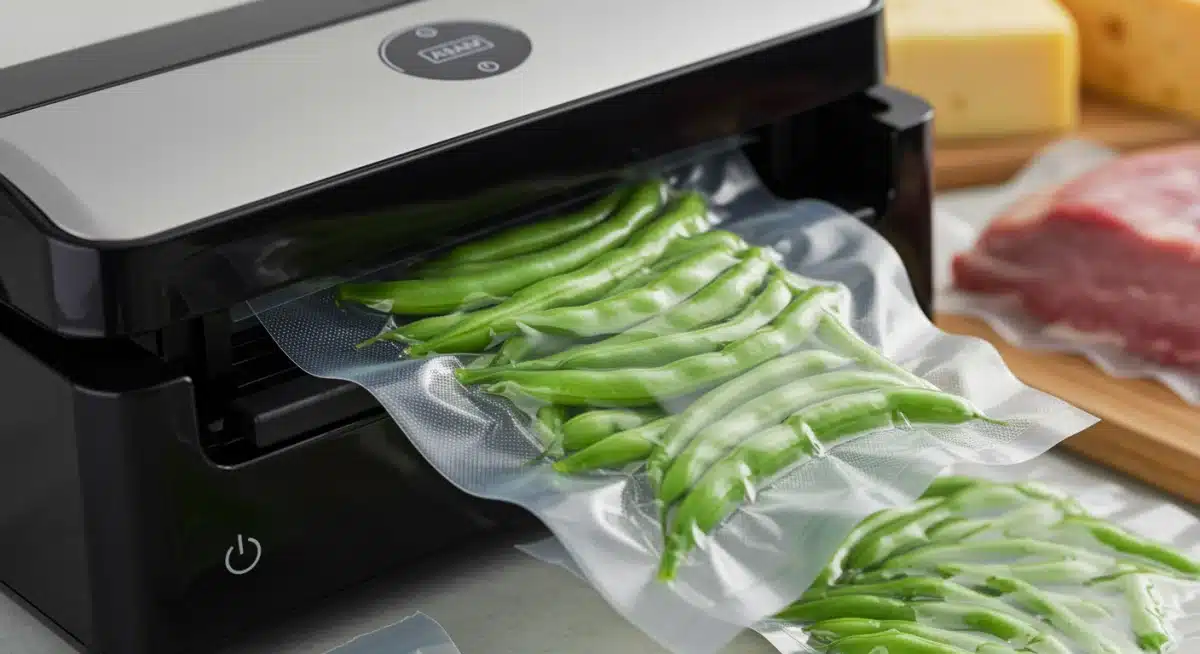
Vacuum sealing is arguably one of the most effective methods for extending food shelf life. By removing air from packaging, you eliminate oxygen, drastically slowing down oxidation and the growth of aerobic bacteria and mold. This can extend the life of many foods by three to five times.
- Meats: Fresh meats can last weeks in the refrigerator, and years in the freezer when vacuum-sealed.
- Fish: Similar to meat, vacuum sealing prevents freezer burn and maintains freshness.
- Produce: Certain vegetables (e.g., carrots, broccoli florets) benefit greatly, staying crisp longer.
- Dry Goods: Flour, rice, pasta, and coffee beans stay fresh and pest-free for much longer.
- Leftovers: Vacuum-sealing cooked meals keeps them tasting fresh for days longer than traditional containers.
Pro Tip: For delicate items like berries, freeze them solid on a tray first, then vacuum seal to prevent crushing.
2. Smart Refrigeration and Freezing Techniques
Your refrigerator and freezer are powerful tools for proper food storage, but only if used correctly.
Refrigeration Best Practices:
- Temperature: Keep your fridge between 35°F (1.7°C) and 40°F (4.4°C).
- Separate Drawers: Utilize humidity-controlled drawers. High humidity is good for leafy greens and delicate vegetables, preventing wilting. Low humidity is better for fruits and some vegetables that emit ethylene gas (which speeds ripening).
- Ethylene Producers vs. Ethylene Sensitive: Store ethylene-producing fruits (apples, bananas, avocados, peaches) separately from ethylene-sensitive produce (berries, lettuce, broccoli, carrots) to prevent premature ripening and spoilage of the latter.
- Meat Storage: Store raw meats on the lowest shelf to prevent drips from contaminating other foods. Keep them in sealed containers or bags.
- Dairy & Eggs: Store eggs in their original carton on an inner shelf, not the door, where temperatures fluctuate more. Dairy products also fare best on inner shelves.
- Herbs: Treat fresh herbs like flowers: snip the ends, place them in a glass of water, and cover loosely with a plastic bag before refrigerating.
Freezing for Longevity:
- Temperature: Maintain your freezer at 0°F (-18°C) or lower.
- Blanching Vegetables: For most vegetables, blanching (briefly boiling then rapidly chilling) before freezing stops enzyme action, preserving color, texture, and nutrients.
- Portioning: Freeze food in usable portions. This allows you to thaw only what you need, reducing waste.
- Airtight Packaging: Use freezer-safe bags, containers, or vacuum seals to prevent freezer burn, which is caused by dehydration and oxidation.
- Labeling: Always label with the contents and date. This is crucial for FIFO and recognizing what you have.
3. Optimizing Your Pantry for Dry Goods
The pantry is often overlooked, but proper food storage here can prevent pest infestations, staleness, and rancidity.
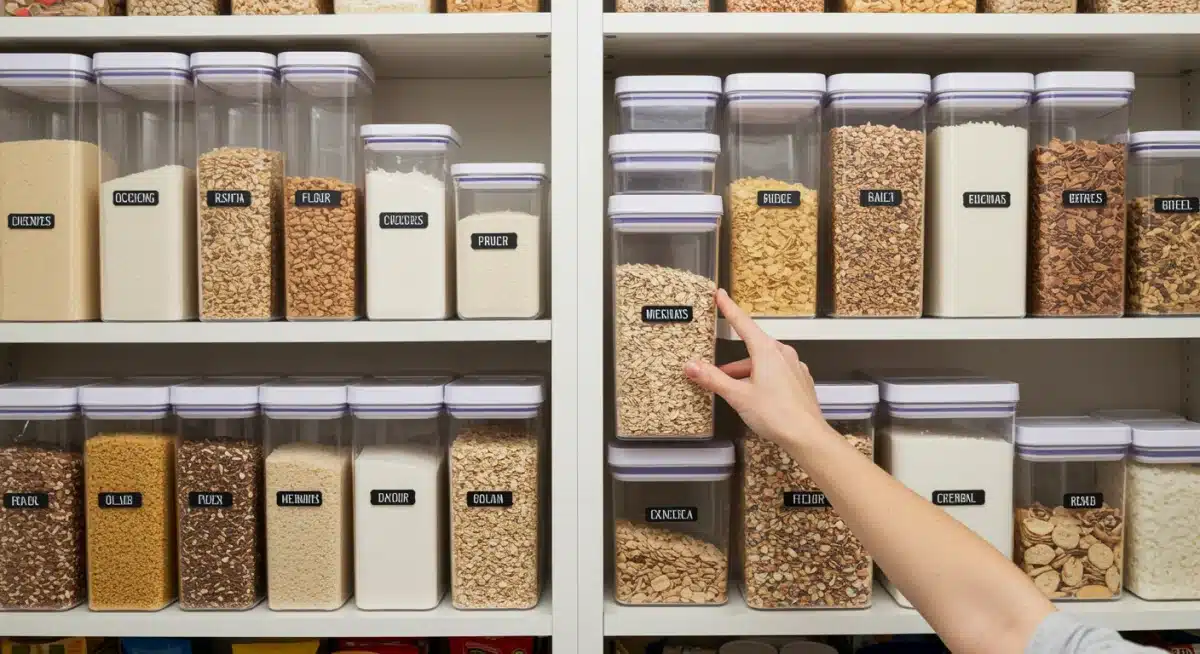
- Cool, Dark, Dry: Keep your pantry in a cool, dark, and dry place. Heat and light can degrade oils and vitamins, while moisture encourages mold.
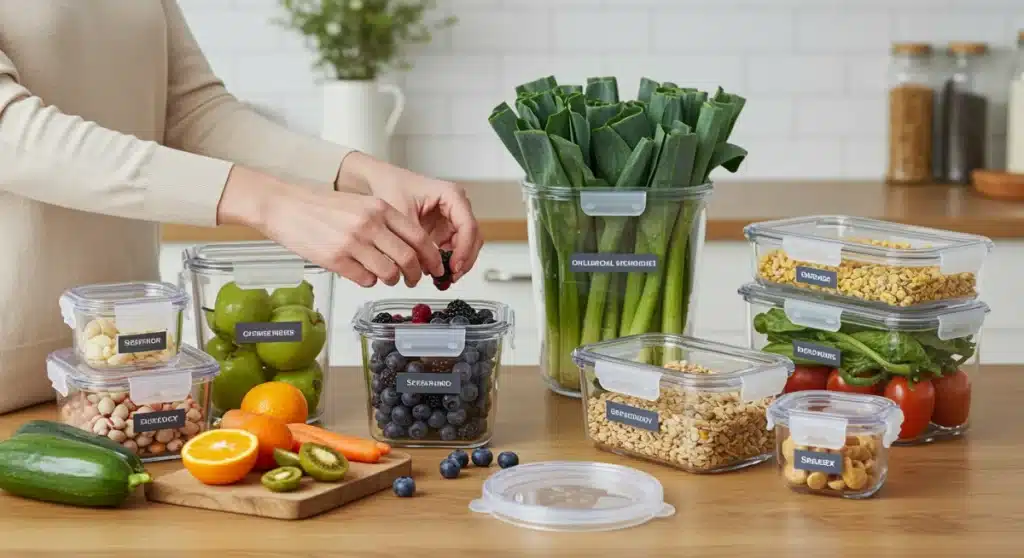
- Airtight Containers: Transfer dry goods (flour, sugar, rice, pasta, cereals, nuts, spices) from their original packaging into airtight containers made of glass or sturdy plastic. This protects against moisture, pests, and keeps odors in (or out).
- Bay Leaves: Placing a bay leaf in containers of flour or rice can deter pantry moths and weevils.
- Oil Storage: Store cooking oils in a cool, dark place away from direct sunlight or heat to prevent them from going rancid. Olive oil, for example, is best kept in dark glass bottles.
- Potatoes & Onions: Store them in a cool, dark, well-ventilated area, but separately! Onions emit gases that can cause potatoes to sprout faster. Avoid refrigerating potatoes as it can convert their starch to sugar, affecting taste and texture.
4. Specialized Storage for Produce
Different fruits and vegetables have unique storage requirements.
- Berries: Wash right before eating. Store unwashed in a single layer in a shallow, breathable container lined with a paper towel in the refrigerator. A quick vinegar-water rinse (1 part vinegar to 3 parts water) can kill mold spores and extend freshness.
- Leafy Greens: Wash, dry thoroughly (a salad spinner is excellent for this), then store in an airtight container lined with a dry paper towel. The paper towel absorbs excess moisture, preventing sliminess. Change the paper towel every few days.
- Avocados: Store unripe avocados at room temperature. Once ripe, refrigerate to slow down further ripening. To prevent browning of a cut avocado, leave the pit in, brush with lemon or lime juice, and store in an airtight container.
- Tomatoes: Store at room temperature, stem-side down, away from direct sunlight. Refrigeration can make them mealy and diminish flavor.
- Bananas: Store at room temperature. To slow ripening, wrap the stem end in plastic wrap. To ripen faster, place in a paper bag with an apple.
- Apples: Best stored in the refrigerator’s crisper drawer. They emit ethylene, so keep them away from sensitive produce.
- Root Vegetables (Carrots, Beets, Radishes): Remove greens (they draw moisture from the roots), wash, and store in an airtight container with a damp paper towel in the refrigerator.
5. Leveraging Technology: Smart Appliances and Gadgets
The year 2026 brings even more innovative solutions to proper food storage:
- Smart Refrigerators: Many modern fridges feature advanced humidity controls, specialized zones for different food types, and even cameras to remotely check inventory.
- Controlled Atmosphere Storage (CAS) for Home Use: While industrial CAS is common, smaller, consumer-grade units are emerging that can create low-oxygen, high-carbon dioxide environments for certain produce, significantly extending shelf life.
- Dehydrators: Excellent for preserving fruits, vegetables, and even meats (jerky). Removing water inhibits microbial growth and enzyme activity.
- Fermentation Kits: Techniques like pickling and making sauerkraut don’t just preserve food; they also enhance its nutritional value and flavor.
- Sous Vide Machines: While primarily for cooking, some chefs use sous vide bags for short-term, airtight storage of ingredients before cooking.
Practical Solutions for Everyday Food Storage Challenges
Leftovers: The Unsung Heroes of Meal Prep
Leftovers are a fantastic way to save time and money, but only if stored correctly:
- Cool Quickly: Divide large portions into smaller, shallow containers to cool rapidly. Don’t let food sit out at room temperature for more than two hours.
- Airtight Containers: Use high-quality, airtight glass or BPA-free plastic containers.
- Label and Date: Always know what it is and when it was made. Most cooked leftovers are good for 3-4 days in the fridge.
- Freezing Leftovers: Many cooked dishes freeze beautifully. Ensure they are completely cooled before freezing in airtight, freezer-safe containers.
Bread and Baked Goods
- Room Temperature: For 1-2 days, fresh bread is best stored at room temperature in a bread box or paper bag to allow air circulation and prevent sogginess.
- Freezing: For longer storage, slice bread and freeze in an airtight bag. You can toast slices directly from frozen.
- Pastries & Cakes: Store in airtight containers at room temperature for short periods. Cream-filled items need refrigeration.
Dairy Products
- Milk: Keep in the coldest part of the fridge, not the door.
- Cheese: Hard cheeses last longer. Wrap in cheese paper or parchment paper (not plastic wrap, which can cause sweating and mold) and then in an airtight container. Soft cheeses have a shorter shelf life and should be consumed quickly.
- Yogurt/Sour Cream: Keep sealed in their original containers in the fridge.
The Economic and Environmental Impact of Proper Food Storage
By implementing these proper food storage strategies, you’re not just organizing your kitchen; you’re making a significant impact:
- Saving Money: Reducing spoilage means fewer trips to the grocery store and less money spent replacing wasted food. The average family wastes hundreds of dollars on food annually.
- Reducing Food Waste: Less waste in your home contributes to a larger global effort to combat food waste, which has enormous environmental implications, including greenhouse gas emissions from landfills.
- Healthier Eating: Having fresh, properly stored ingredients encourages home cooking and healthier meal choices.
- Preparedness: A well-stocked, properly stored pantry and freezer mean you’re always ready for unexpected guests, busy weeks, or even emergencies.
Common Food Storage Mistakes to Avoid
Even with the best intentions, mistakes can happen. Here are some common pitfalls in proper food storage:
- Washing Produce Too Early: Washing certain produce (like berries, mushrooms) before storage can introduce excess moisture, leading to quicker spoilage. Wash right before use.
- Storing Everything in the Fridge: Not all foods belong in the refrigerator. Tomatoes, potatoes, onions, garlic, and many fruits (like bananas and avocados before ripening) prefer room temperature.
- Overstuffing Your Fridge: An overpacked refrigerator restricts airflow, making it less efficient and creating inconsistent temperatures, which can lead to spoilage.
- Ignoring Expiration Dates: While some foods are good past their ‘best by’ date, ‘use by’ dates are crucial for safety. Always use your senses (smell, sight, texture) as well.
- Using the Wrong Containers: Plastic bags can cause some produce to sweat, while unsealed containers expose food to air and contaminants.
- Not Labeling: Forgetting to label and date stored food is a recipe for mystery meals and eventual waste.
Conclusion: Your 2026 Guide to a More Efficient Kitchen
Embracing proper food storage in 2026 is more than just a trend; it’s a fundamental shift towards a more sustainable, economical, and healthier lifestyle. By understanding the science behind spoilage and applying practical, accessible techniques—from vacuum sealing to smart pantry organization—you can significantly extend the life of your food, reduce waste, and enjoy fresher, more flavorful meals. Start implementing these strategies today, and watch your kitchen transform into a beacon of efficiency and freshness, saving you time, money, and contributing to a healthier planet.