Mastering Food Safety: 7 Habits to Prevent Cross-Contamination
Anúncios
In the heart of every home, the kitchen stands as a sanctuary of nourishment and comfort. Yet, it can also be a hidden battlefield where unseen enemies—bacteria, viruses, and other pathogens—lie in wait. These microscopic invaders can rapidly spread from one food item to another, from surfaces to hands, and ultimately, to our plates, causing what is known as cross-contamination. The consequences of such an oversight can range from mild discomfort to severe foodborne illnesses, impacting individuals, families, and even communities. Understanding how to effectively prevent cross contamination is not just a culinary skill; it’s a fundamental aspect of public health and personal well-being.
Anúncios
The year 2026 brings with it an elevated awareness of health and hygiene, making the mastery of food safety practices more crucial than ever. With evolving culinary techniques, diverse food sources, and an increasing reliance on home cooking, the potential for cross-contamination has broadened. This comprehensive guide is designed to equip you with the knowledge and practical strategies needed to become a guardian of your kitchen’s safety. We will delve into seven critical habits that, when consistently applied, will significantly reduce the risk of foodborne illnesses, ensuring that every meal you prepare is not only delicious but also safe.
From the moment groceries enter your home to the final delicious bite, every step in the food preparation process presents an opportunity to either uphold or compromise food safety. This article will break down these opportunities, offering actionable advice on everything from proper handwashing and effective cleaning to smart food storage and cooking temperatures. Our goal is to demystify food safety, transforming it from a daunting list of rules into intuitive habits that seamlessly integrate into your daily routine. By the end of this guide, you will not only understand the ‘what’ and ‘why’ of preventing cross-contamination but also possess the ‘how’—practical solutions you can implement immediately.
Anúncios
Join us on this journey to a safer kitchen, where the joy of cooking and eating can be savored without the shadow of foodborne illness. Let’s explore the seven critical habits that will empower you to prevent cross-contamination and protect your loved ones.
Understanding Cross-Contamination: The Silent Threat
Before we dive into the preventative measures, it’s essential to grasp the nature of cross-contamination itself. Cross-contamination occurs when harmful bacteria or other microorganisms are transferred from one substance or object to another, with harmful effect. In the context of food, this typically means the transfer of pathogens from raw, contaminated food to ready-to-eat food, or from contaminated surfaces and utensils to food.
There are three primary types of cross-contamination:
- Food-to-Food Contamination: This happens when harmful bacteria from one food item (e.g., raw meat) spread to another food item (e.g., fresh salad) directly or indirectly. A common example is allowing raw meat juices to drip onto vegetables in the refrigerator.
- Equipment-to-Food Contamination: This involves the transfer of pathogens from contaminated equipment (e.g., cutting boards, knives, blenders, sponges) to food. Using the same cutting board for raw chicken and then for slicing tomatoes without proper cleaning is a classic example.
- People-to-Food Contamination: This occurs when individuals transfer bacteria from their hands, clothes, or even their respiratory droplets to food. Unwashed hands after handling raw meat, or coughing/sneezing near food, are direct routes for this type of contamination.
The dangers of cross-contamination are significant. Foodborne illnesses, often colloquially referred to as ‘food poisoning,’ can lead to symptoms such as nausea, vomiting, diarrhea, abdominal cramps, and fever. In severe cases, especially among vulnerable populations like young children, the elderly, pregnant women, and individuals with compromised immune systems, these illnesses can be life-threatening. Common culprits include bacteria like Salmonella, E. coli, Listeria, and Campylobacter.
The insidious nature of cross-contamination lies in its invisibility. You cannot see, smell, or taste harmful bacteria. This makes vigilance and adherence to preventative habits even more critical. By understanding these basics, we lay the groundwork for adopting effective strategies to prevent cross contamination in our daily culinary practices.
Habit 1: Impeccable Handwashing & Personal Hygiene
The first line of defense against cross-contamination is arguably the simplest yet most overlooked: proper handwashing. Our hands are our primary tools in the kitchen, and they can inadvertently become carriers of pathogens if not cleaned correctly and frequently. This habit is paramount to prevent cross contamination from spreading from ourselves to the food we prepare.
The Gold Standard of Handwashing:
- Wet Hands: Use clean, running water (warm or cold).
- Apply Soap: Lather your hands thoroughly with soap.
- Scrub Vigorously: Rub your hands together for at least 20 seconds. Don’t forget the backs of your hands, between your fingers, and under your nails. A good trick is to hum the "Happy Birthday" song twice.
- Rinse Thoroughly: Rinse your hands well under clean, running water.
- Dry Properly: Dry your hands using a clean towel or air dryer.
When should you wash your hands? The answer is frequently! Especially:
- Before and after handling food, particularly raw meat, poultry, seafood, or eggs.
- After using the restroom.
- After blowing your nose, coughing, or sneezing.
- After touching garbage.
- After touching pets, especially reptiles or amphibians.
- After handling chemicals or cleaning products.
- After any interruption during food preparation (e.g., answering the phone, touching your face).
Beyond handwashing, personal hygiene in the kitchen extends to:
- Wearing Clean Aprons/Clothing: Change into clean clothing before cooking, especially if you’ve been handling raw ingredients outside the kitchen.
- Tying Back Hair: Prevent hair from falling into food.
- Covering Wounds: Use waterproof bandages on any cuts or sores on your hands or arms.
- Avoiding Touching Face: Refrain from touching your face, hair, or nose while preparing food.
- Wearing Gloves (When Appropriate): While not a substitute for handwashing, gloves can be useful for specific tasks, but remember to change them frequently and wash hands between changes.
By making impeccable handwashing and personal hygiene a non-negotiable part of your kitchen routine, you significantly reduce the risk of introducing harmful pathogens into your food, laying a solid foundation to prevent cross contamination effectively.

Habit 2: Separate Raw from Cooked & Ready-to-Eat Foods
One of the most critical habits to prevent cross contamination is the strict separation of raw foods from cooked and ready-to-eat foods. Raw meats, poultry, seafood, and eggs naturally contain bacteria that can easily spread to other foods that won’t be cooked further, leading to illness. This principle applies at every stage: shopping, storage, and preparation.
In the Grocery Store:
- Separate Bags: Place raw meats, poultry, and seafood in separate plastic bags to prevent their juices from dripping onto other groceries, especially produce.
- Cart Placement: Keep these items physically separated from other foods in your shopping cart.
In the Refrigerator:
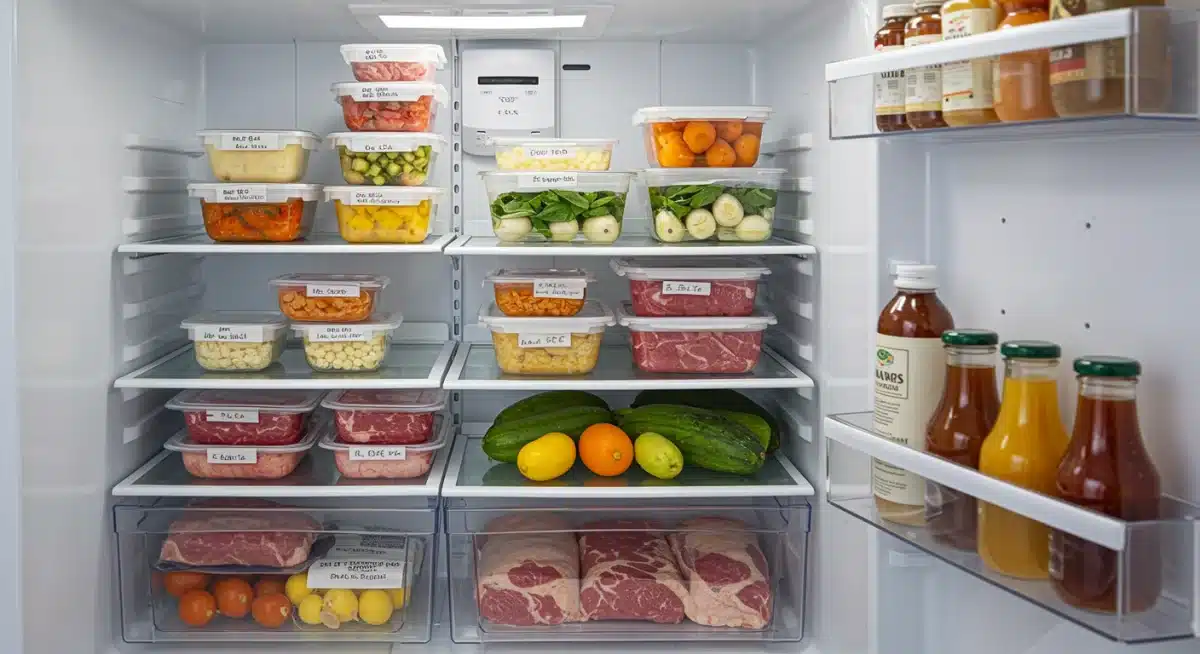
- Bottom Shelf Storage: Always store raw meats, poultry, and seafood on the bottom shelf of the refrigerator. This prevents any potential drips from contaminating ready-to-eat foods or produce stored below.
- Sealed Containers: Use airtight containers or tightly wrapped packaging for all raw animal products to contain any juices.
- Designated Areas: If possible, designate specific shelves or areas for raw foods to minimize contact with other items.
During Preparation:
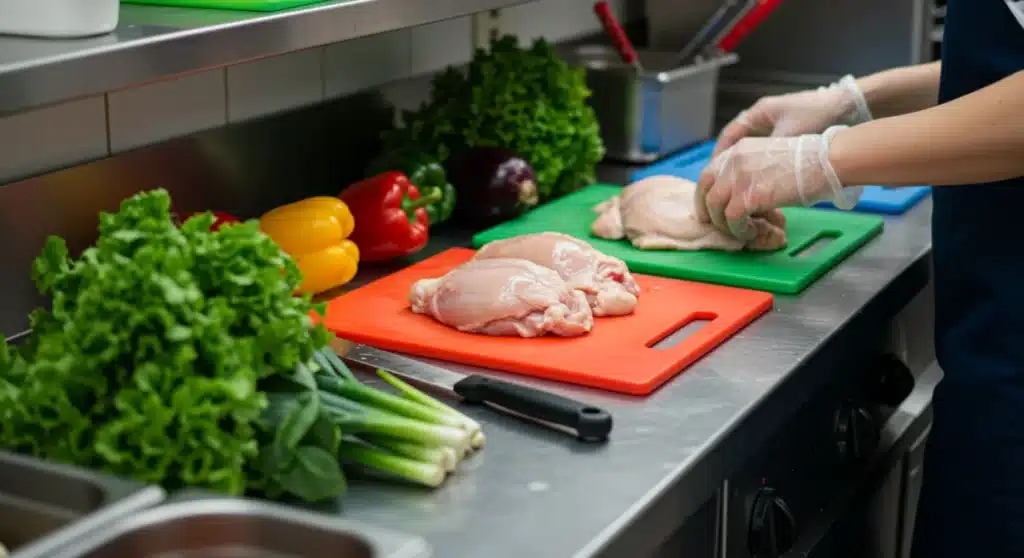
- Dedicated Cutting Boards: Use separate cutting boards for raw meats/poultry/seafood and for fresh produce or cooked foods. Many people use color-coded boards (e.g., red for raw meat, green for vegetables) to avoid confusion.
- Separate Utensils: Use different knives, tongs, and other utensils for raw ingredients versus cooked or ready-to-eat items. Never use the same utensil to taste a dish after it has been used to handle raw meat.
- Clean Plates: Never place cooked food back on the same plate or surface that previously held raw food unless it has been thoroughly washed and sanitized.
- Workstation Segregation: If space allows, try to prepare raw meats in a separate area from where you are preparing salads or other ready-to-eat items.
This habit requires conscious effort and attention to detail, but it is incredibly effective in breaking the chain of bacterial transmission. By creating clear boundaries between raw and ready-to-eat foods, you significantly bolster your ability to prevent cross contamination and ensure the safety of your meals.
Habit 3: Clean & Sanitize Surfaces and Utensils
Beyond separating foods, maintaining a scrupulously clean and sanitized kitchen environment is crucial to prevent cross contamination. Surfaces and utensils can harbor bacteria, turning them into vectors for spreading pathogens if not properly treated.
Cleaning vs. Sanitizing: What’s the Difference?
- Cleaning: This involves removing food debris, dirt, and grease from surfaces, typically with soap and water. It’s the first step.
- Sanitizing: This reduces the number of bacteria to safe levels after cleaning. It’s typically done with a chemical sanitizer (like diluted bleach) or by using high heat (like a dishwasher).
Key Areas and Practices:
- Cutting Boards: As mentioned, use separate boards. After each use, especially with raw meats, wash cutting boards thoroughly with hot, soapy water. For extra safety, sanitize them. Wooden boards can absorb bacteria, so plastic or non-porous materials are often recommended for raw meat and poultry.
- Knives and Utensils: Wash all knives, tongs, spatulas, and other utensils immediately after they come into contact with raw food. A dishwasher is excellent for both cleaning and sanitizing.
- Countertops: Clean and sanitize all countertops, especially after preparing raw meats, poultry, or seafood. A spray bottle with a diluted bleach solution (1 teaspoon bleach per quart of water) or a commercial kitchen sanitizer works well. Let the sanitizer sit for a few minutes before wiping dry.
- Sinks and Faucets: These areas are often surprisingly contaminated. Clean and sanitize your sink after washing raw food or dishes. Don’t forget faucet handles.
- Sponges and Dishcloths: These are notorious breeding grounds for bacteria. Replace sponges frequently (weekly) and wash dishcloths daily in hot water. You can also sanitize sponges by microwaving a damp sponge for 1-2 minutes or running it through a dishwasher cycle.
- Appliances: Regularly clean and sanitize the interiors of your refrigerator, microwave, and oven, especially if there have been spills.
Establishing a routine for cleaning and sanitizing your kitchen surfaces and tools is a powerful habit that directly contributes to your ability to prevent cross contamination. It ensures that invisible threats are eliminated, providing a safe environment for food preparation.
Habit 4: Cook to the Right Temperature
Cooking food to the correct internal temperature is a critical step in eliminating harmful bacteria and preventing foodborne illnesses. While not directly preventing cross-contamination in the sense of transfer, it ensures that any bacteria that might have been present—or transferred—are destroyed. This habit is a vital safeguard in the overall food safety chain.
The Importance of a Food Thermometer:
Color and texture are unreliable indicators of doneness. A food thermometer is your best friend in the kitchen, providing an accurate reading of the internal temperature of food. Insert the thermometer into the thickest part of the food, avoiding bones.
Key Temperature Guidelines:
- Poultry (whole, ground, and pieces): 165°F (74°C)
- Ground Meats (beef, pork, veal, lamb): 160°F (71°C)
- Beef, Pork, Veal, Lamb (steaks, chops, roasts):
- Medium-rare: 145°F (63°C) with a 3-minute rest time
- Medium: 160°F (71°C)
- Well-done: 170°F (77°C)
- Fish and Shellfish: 145°F (63°C) or until flesh is opaque and flakes easily.
- Eggs: Cook until yolk and white are firm. Dishes containing eggs should reach 160°F (71°C).
- Leftovers and Casseroles: 165°F (74°C)
Always allow meat to rest for a few minutes after cooking; this allows juices to redistribute and helps ensure the food continues to cook to its target temperature effectively. By consistently using a food thermometer and adhering to these safe cooking temperatures, you eliminate a significant source of potential illness, reinforcing your efforts to prevent cross contamination from becoming a health risk.
Habit 5: Chill Foods Promptly & Properly
The "danger zone" for bacterial growth is between 40°F (4°C) and 140°F (60°C). Bacteria can multiply rapidly in this temperature range, doubling every 20 minutes. Prompt chilling of perishable foods is essential to keep them out of this zone and to prevent cross contamination by limiting bacterial growth that could then spread. This habit is often overlooked but plays a crucial role in food safety.
Key Principles for Prompt Chilling:
- The Two-Hour Rule: Perishable foods should not be left at room temperature for more than two hours. If the ambient temperature is above 90°F (32°C), this time limit shrinks to one hour.
- Divide and Conquer: Large quantities of hot food (like a big pot of soup or a whole roast) should be divided into smaller, shallow containers before refrigeration. This allows them to cool down more quickly and evenly, passing through the danger zone faster.
- Shallow Containers: Use shallow containers (no more than 2-3 inches deep) to maximize surface area for cooling.
- Don’t Overload the Refrigerator: An overloaded refrigerator restricts air circulation, making it less efficient at cooling foods. Ensure there’s enough space for air to circulate around items.
- Refrigerator Temperature: Maintain your refrigerator at or below 40°F (4°C) and your freezer at 0°F (-18°C) or below. Use an appliance thermometer to verify these temperatures.
- Thawing Safely: Never thaw frozen foods at room temperature. Thaw them in the refrigerator, under cold running water, or in the microwave (if cooking immediately). Thawing on the counter allows the outer layers to enter the danger zone while the inside remains frozen, creating a breeding ground for bacteria.
By diligently following these chilling guidelines, you effectively halt or significantly slow the growth of bacteria, preventing them from reaching levels that could cause illness. This habit is fundamental to prevent cross contamination from proliferating within your stored foods, ensuring their safety and freshness.
Habit 6: Mindful Grocery Shopping & Storage
Food safety begins even before you step into your kitchen. Mindful grocery shopping and proper storage upon arrival are foundational habits to prevent cross contamination and ensure the quality of your ingredients. Your choices at the store and how you handle groceries immediately afterward can significantly impact the safety of your food supply.
At the Grocery Store:
- Shop Smart: Pick up non-perishable items first. Save refrigerated and frozen items for last.
- Check Packaging: Inspect food packaging for damage (tears, dents, leaks, or bulging cans). Avoid anything that looks compromised.
- Check Dates: Pay attention to "sell-by," "use-by," and "best-by" dates. These indicate freshness and quality, and sometimes safety.
- Separate in Cart: As mentioned in Habit 2, keep raw meats, poultry, and seafood separate from other foods in your shopping cart, ideally in separate bags.
- Transport Safely: Get groceries home quickly, especially perishables. In hot weather, use insulated bags or coolers for refrigerated and frozen items.
Upon Arrival Home & Storage:
- Refrigerate Promptly: As soon as you get home, immediately refrigerate or freeze perishable foods. Don’t leave them on the counter.
- Proper Refrigerator Placement: Reinforce Habit 2: raw meats, poultry, and seafood go on the bottom shelf, below all other foods, in sealed containers. This is crucial to prevent cross contamination from drips.
- Produce Storage: Store fruits and vegetables properly. Some prefer the crisper drawers. Keep them separate from raw meats. Wash produce before eating, but generally not before storing, as moisture can promote spoilage.
- Pantry Organization: Store dry goods in cool, dry places. Keep them away from direct sunlight or heat sources. Use airtight containers for staples like flour, sugar, and grains to protect against pests and moisture.
- FIFO Principle: Practice "First-In, First-Out" – use older items before newer ones to ensure freshness and reduce waste.
By being mindful during your grocery run and establishing efficient, safe storage practices at home, you create a robust barrier against potential contamination, making it easier to prevent cross contamination throughout the entire food preparation process.
Habit 7: Avoid Cross-Contamination with Pets & Pests
While often overlooked in discussions about kitchen hygiene, pets and pests represent significant potential sources of cross-contamination. Animals, both domestic and wild, can carry bacteria, parasites, and viruses that are harmful to humans. Integrating awareness of this into your routine is a crucial habit to prevent cross contamination.
- Keep Pets Off Counters: Never allow pets on kitchen counters, dining tables, or any surfaces where food is prepared or eaten.
- Separate Feeding Areas: Feed pets in designated areas away from food preparation zones. Wash pet food bowls separately from human dishes, or use a separate sink if possible.
- Wash Hands After Pet Contact: Always wash your hands thoroughly with soap and water after touching pets, their food, or their waste, especially before handling human food.
- Clean Pet Areas: Regularly clean and sanitize pet sleeping areas, litter boxes, and outdoor runs to reduce the presence of pathogens.
Pest Control:
Pests like rodents, cockroaches, and flies are notorious carriers of bacteria and can easily spread them to food and surfaces. Effective pest control is a non-negotiable aspect of food safety.
- Seal Entry Points: Inspect your home for cracks, crevices, and openings that pests could use to enter. Seal them effectively.
- Store Food Properly: Keep all food, including pet food, in airtight containers. This denies pests a food source.
- Clean Up Spills and Crumbs: Immediately clean up any food spills or crumbs. Don’t leave dirty dishes in the sink overnight.
- Manage Garbage: Use garbage cans with tight-fitting lids and empty them frequently. Keep outdoor garbage cans away from the house.
- Professional Help: If you suspect a pest infestation, don’t hesitate to call a professional exterminator.
By maintaining a vigilant approach to hygiene around pets and actively preventing pest infestations, you add another critical layer of defense, significantly enhancing your ability to prevent cross contamination from these often-unseen sources. This holistic approach to kitchen safety ensures that your environment is as clean and safe as possible for food preparation.
Beyond the Seven Habits: Continuous Vigilance
While mastering these seven critical habits will dramatically improve your kitchen’s food safety, preventing cross-contamination is an ongoing process that demands continuous vigilance and adaptability. The world of food safety is dynamic, with new research and recommendations emerging regularly. Cultivating a mindset of perpetual learning and cautious practice is the ultimate habit for any home cook.
- Stay Informed: Follow reputable food safety organizations (e.g., USDA, FDA, local health departments) for up-to-date guidelines and alerts.
- Read Labels: Always read food labels for specific handling and cooking instructions. Some products may have unique requirements.
- Understand Risks: Be aware of foods that pose higher risks, such as raw sprouts, unpasteurized juices, and certain seafood, and handle them with extra care.
Trust Your Senses (with caution):
While sight, smell, and taste can indicate spoilage, they are not reliable indicators of bacterial contamination. Food can look, smell, and taste fine yet still harbor dangerous pathogens. Always prioritize safe handling and cooking temperatures over sensory cues when it comes to safety.
When in Doubt, Throw It Out:
This is a golden rule in food safety. If you are unsure about the safety of a food item—perhaps it was left out too long, or its packaging was compromised—it is always better to err on the side of caution and discard it. The cost of replacing a food item is minuscule compared to the cost of a foodborne illness.
Adapt to New Situations:
Consider food safety in new contexts: when grilling outdoors, packing lunches, or preparing food for a large gathering. The principles remain the same, but their application might require slight adjustments. For instance, when grilling, ensure raw and cooked meats never share platters or utensils.
Teach Others:
Share your knowledge with family members, especially children who are beginning to help in the kitchen. Instilling good food safety habits early on creates a safer environment for everyone.
By embracing these additional layers of awareness and caution, you solidify your commitment to food safety. The goal is not just to follow rules but to internalize the principles so deeply that they become second nature. This proactive approach ensures that you not only prevent cross contamination but also foster a culture of safety that protects everyone who enjoys your culinary creations.
Conclusion: A Safer Kitchen, A Healthier Life
The journey to mastering food safety, particularly the art of preventing cross-contamination, is a testament to our dedication to health and well-being. By integrating the seven critical habits—impeccable handwashing, strict separation of raw and cooked foods, diligent cleaning and sanitizing, precise cooking temperatures, prompt chilling, mindful shopping and storage, and vigilance against pets and pests—into our daily routines, we transform our kitchens into bastions of safety.
These habits are not merely a set of rules; they are interconnected practices that collectively form a robust defense against foodborne illnesses. Each step, from the moment you select your ingredients to the final act of serving a meal, offers an opportunity to either safeguard or compromise the integrity of your food. By consistently applying these principles, you empower yourself to prevent cross contamination effectively, protecting your family and guests from unseen threats.
In 2026 and beyond, as our understanding of health and hygiene continues to evolve, the importance of these foundational food safety practices will only grow. Let this guide serve as your ongoing resource, a reminder that a little effort and attention to detail can make a monumental difference in preventing illness and promoting a healthier lifestyle. Embrace these habits, share them with others, and take pride in knowing that every meal you prepare is not only a culinary delight but also a safe and wholesome experience. Your commitment to preventing cross-contamination is a commitment to a healthier life for all.