January 2026 Seasonal Produce: Flavor, Freshness & Health Benefits
Anúncios
January 2026 Seasonal Produce: Maximizing Flavor and Freshness
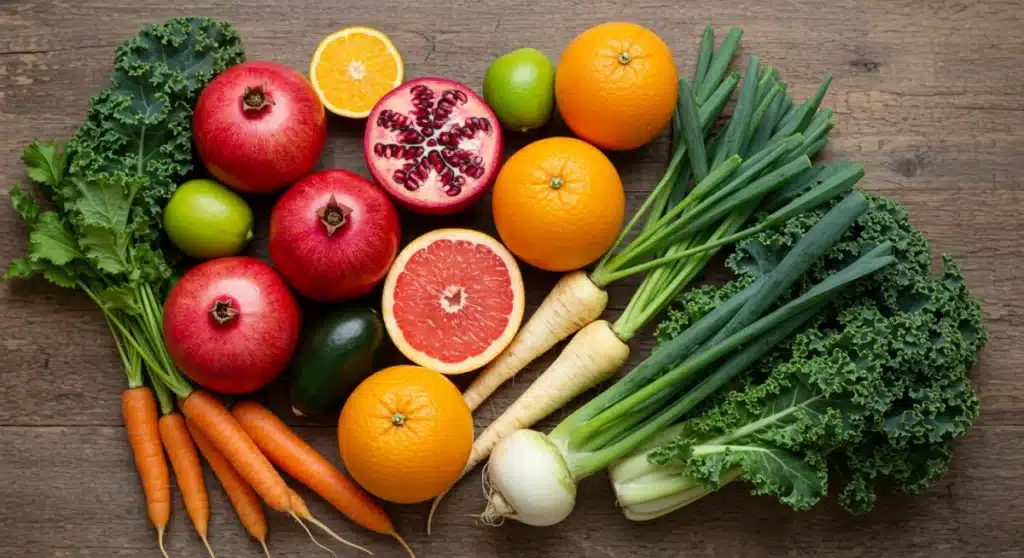
As the calendar flips to a new year, January 2026 brings with it a unique bounty of nature’s finest. Embracing January seasonal produce isn’t just a culinary trend; it’s a smart, sustainable, and incredibly delicious way to eat. When fruits and vegetables are in season, they are at their peak of flavor, nutritional value, and often, affordability. This comprehensive guide will delve into the best of what January has to offer, providing insights into their health benefits, culinary uses, and tips for selecting and storing them. Get ready to transform your winter meals with the freshest ingredients available!
Anúncios
Why Choose January Seasonal Produce?
The concept of seasonal eating revolves around consuming foods that are naturally harvested during a particular time of year. For January seasonal produce, this means a selection of hardy vegetables and vibrant citrus fruits that thrive in cooler temperatures or are harvested after a period of growth. There are numerous compelling reasons to prioritize seasonal eating:
Anúncios
Superior Flavor and Quality
Food that is picked at its peak ripeness, rather than forced to ripen prematurely during transport, simply tastes better. Seasonal produce has a more intense flavor, a better texture, and a more vibrant appearance. Think of the juicy sweetness of an in-season orange compared to one picked too early and shipped across continents. The difference is palpable.
Enhanced Nutritional Value
Studies have shown that fruits and vegetables consumed in season often have higher concentrations of vitamins, minerals, and antioxidants. This is because they have had the optimal conditions for growth and have not lost nutrients due to extended storage or long-distance travel. Eating January seasonal produce can be a powerful way to boost your immune system during the colder months.
Cost-Effectiveness
When produce is in season, there’s typically an abundance of it, which drives down prices. Farmers don’t have to incur the high costs associated with growing out-of-season crops in greenhouses or shipping them from far-flung locations. This makes seasonal eating a budget-friendly option for families and individuals looking to eat healthy without breaking the bank.
Environmental Benefits
Choosing seasonal produce often means choosing local produce, which reduces the carbon footprint associated with transportation. It also supports local farmers and agricultural practices, contributing to a more sustainable food system. By opting for January seasonal produce, you’re making a conscious choice to support both your health and the planet.
Variety and Culinary Inspiration
Eating seasonally encourages culinary creativity. It challenges you to experiment with different ingredients and cooking methods throughout the year. January’s bounty, for instance, lends itself to hearty stews, warming soups, vibrant salads, and refreshing citrus desserts. It prevents mealtime boredom and introduces you to new flavors and textures.
Top January Seasonal Vegetables for 2026
Winter might feel like a quiet time for gardens, but January offers a robust selection of nutrient-dense vegetables perfect for warming meals and boosting your health.
Root Vegetables: Carrots, Parsnips, Turnips, Rutabagas
- Carrots: Sweet and versatile, carrots are excellent roasted, steamed, in soups, or raw in salads. Rich in beta-carotene, they support eye health and provide powerful antioxidants.
- Parsnips: Similar to carrots but with a sweeter, earthier, and slightly spicier flavor when cooked. They are fantastic roasted with herbs or pureed into soups. Parsnips are a good source of fiber, vitamin C, and folate.
- Turnips: With a peppery, slightly bitter flavor when raw, turnips become sweeter and milder when cooked. They can be roasted, mashed, or added to stews. They offer vitamin C and dietary fiber.
- Rutabagas: A cross between a turnip and a cabbage, rutabagas have a subtly sweet and earthy flavor. They are great in stews, roasted, or mashed. They are packed with vitamin C and potassium.
Selection & Storage: Look for firm, smooth root vegetables without soft spots. Store them in a cool, dark place or in the refrigerator’s crisper drawer for several weeks.
Leafy Greens: Kale, Collard Greens, Swiss Chard
- Kale: A nutritional powerhouse, kale is rich in vitamins K, A, and C, as well as antioxidants. It’s excellent in salads (massaged first), sautéed, added to smoothies, or baked into crispy chips.
- Collard Greens: Hearty and slightly bitter, collard greens are a staple in Southern cuisine, often slow-cooked with savory ingredients. They are high in vitamins K and A, and calcium.
- Swiss Chard: With colorful stems and tender leaves, Swiss chard offers a milder flavor profile than kale or collards. It’s versatile in stir-fries, quiches, or simply sautéed with garlic. It provides vitamins K, A, and C.
Selection & Storage: Choose greens with vibrant, crisp leaves and no yellowing. Store them unwashed in a plastic bag in the refrigerator for up to a week.
Cruciferous Vegetables: Brussels Sprouts, Cabbage
- Brussels Sprouts: These mini cabbages are delicious when roasted until caramelized and crispy, or shredded raw into salads. They are an excellent source of vitamin K, vitamin C, and fiber.
- Cabbage: A highly versatile and affordable winter vegetable. Cabbage can be stir-fried, fermented (sauerkraut!), added to soups, or used in coleslaw. It’s rich in vitamin C and K.
Selection & Storage: Look for firm, tightly packed Brussels sprouts and heads of cabbage. Store in the refrigerator for several weeks.
Other Winter Staples: Leeks, Celery Root (Celeriac), Potatoes
- Leeks: With a delicate, onion-like flavor, leeks are perfect for soups, stews, gratins, and sautéed dishes. They are a good source of vitamin K and dietary fiber.
- Celery Root (Celeriac): This knobby root vegetable has a subtle, earthy, and slightly nutty celery flavor. It’s fantastic mashed, roasted, or grated raw into salads. It provides vitamin K and phosphorus.
- Potatoes: While available year-round, many varieties of potatoes are harvested in late fall and stored well into winter, making them a pantry staple for January. Versatile and comforting, they are rich in potassium and vitamin C.
Selection & Storage: Choose firm leeks with green tops. Celery root should be firm and heavy for its size. Store potatoes in a cool, dark, well-ventilated place, away from onions.
Top January Seasonal Fruits for 2026
While summer boasts a plethora of berries, winter offers its own unique array of bright, zesty, and sweet fruits to brighten up the colder days. These January seasonal produce fruits are not only delicious but also packed with immune-boosting nutrients.
Citrus Fruits: Oranges, Grapefruits, Tangerines, Lemons, Limes, Blood Oranges
- Oranges: Sweet, juicy, and bursting with vitamin C, oranges are perfect for snacking, juicing, or adding to salads and desserts.
- Grapefruits: Offering a tangy, slightly bitter, and sweet flavor, grapefruits are excellent for breakfast or as a refreshing snack. They are high in vitamin C and antioxidants.
- Tangerines: Smaller and often sweeter than oranges, tangerines are easy to peel and perfect for on-the-go snacking. They provide ample vitamin C.
- Lemons & Limes: Essential for culinary uses, their zest and juice add brightness to both sweet and savory dishes. They are excellent sources of vitamin C.
- Blood Oranges: With their striking crimson flesh and unique berry-like flavor, blood oranges are a winter delicacy. They are rich in anthocyanins, powerful antioxidants.
Selection & Storage: Look for citrus fruits that feel heavy for their size, indicating juiciness. Store at room temperature for a few days or in the refrigerator for longer freshness.
Other Winter Fruits: Pomegranates, Kiwifruit, Apples, Pears
- Pomegranates: These jewel-toned fruits offer tart, juicy arils (seeds) that are perfect for salads, desserts, or as a vibrant garnish. They are packed with antioxidants and fiber.
- Kiwifruit: Small but mighty, kiwis are sweet, tangy, and incredibly rich in vitamin C, vitamin K, and fiber. Enjoy them peeled and sliced, or added to smoothies.
- Apples & Pears: While many varieties are harvested in the fall, they store exceptionally well into winter, making them a consistent part of January seasonal produce. They are versatile for snacking, baking, and cooking.
Selection & Storage: Choose pomegranates that are heavy and firm. Kiwifruit should yield slightly to gentle pressure. Apples and pears should be firm and free of blemishes. Store apples and pears in a cool, dark place or in the refrigerator.
Health Benefits of January Seasonal Produce
Eating seasonally in January isn’t just about taste; it’s a strategic move for your health. The fruits and vegetables available this month are particularly well-suited to support your body during the colder, darker days.
Immune System Boost
Many January seasonal produce items, especially citrus fruits, kale, and Brussels sprouts, are exceptionally high in Vitamin C. This essential vitamin is a powerful antioxidant that helps strengthen the immune system, making your body more resilient against common winter ailments like colds and flu. Furthermore, the array of plant compounds found in these foods, such as flavonoids in citrus and glucosinolates in cruciferous vegetables, contribute to overall immune health.
Digestive Health
Fiber is abundant in nearly all January seasonal produce, from root vegetables like parsnips and carrots to leafy greens and pomegranates. A diet rich in fiber promotes healthy digestion, prevents constipation, and supports a balanced gut microbiome. A healthy gut is increasingly recognized as foundational to overall well-being, influencing everything from mood to immunity.
Antioxidant Powerhouses
Winter produce is often rich in antioxidants, which combat oxidative stress and inflammation in the body. Blood oranges, with their unique anthocyanins, and kale, packed with various carotenoids, are prime examples. These compounds protect cells from damage, potentially reducing the risk of chronic diseases and supporting healthy aging.
Essential Vitamins and Minerals
Beyond Vitamin C, January seasonal produce provides a wide spectrum of vital nutrients. Vitamin K, crucial for blood clotting and bone health, is plentiful in leafy greens and cruciferous vegetables. Vitamin A (from beta-carotene in carrots and kale) supports vision and skin health. Potassium, important for blood pressure regulation, is found in potatoes and celery root. By incorporating a variety of these seasonal foods, you ensure a comprehensive intake of necessary micronutrients.
Weight Management and Satiety
Most seasonal fruits and vegetables are low in calories and high in water and fiber, making them excellent choices for weight management. Their high fiber content helps you feel fuller for longer, reducing the likelihood of overeating and unhealthy snacking. Incorporating hearty, fiber-rich vegetables into your winter meals can be a satisfying way to maintain a healthy weight.

Culinary Uses and Recipe Ideas for January Seasonal Produce
Now that you know what’s in season and why it’s good for you, let’s explore how to incorporate these stars of January seasonal produce into your daily meals. The versatility of these ingredients allows for both comforting classics and exciting new dishes.
Hearty Soups and Stews
January is the perfect month for warming, nourishing soups and stews. Root vegetables like carrots, parsnips, and rutabagas form a fantastic base, adding sweetness and depth. Leeks and celery root can provide aromatic complexity. Consider a creamy parsnip and leek soup, or a robust beef stew loaded with potatoes, carrots, and turnips. Adding a handful of shredded cabbage or kale towards the end of cooking can boost nutrients and texture.
Roasted Delights
Roasting brings out the natural sweetness of many winter vegetables. Toss Brussels sprouts, carrots, parsnips, and celery root with olive oil, salt, pepper, and your favorite herbs (rosemary, thyme) and roast until tender and caramelized. The high heat creates a delicious crisp exterior and a tender interior. Roasted root vegetables make a perfect side dish or a satisfying vegetarian main.
Vibrant Salads
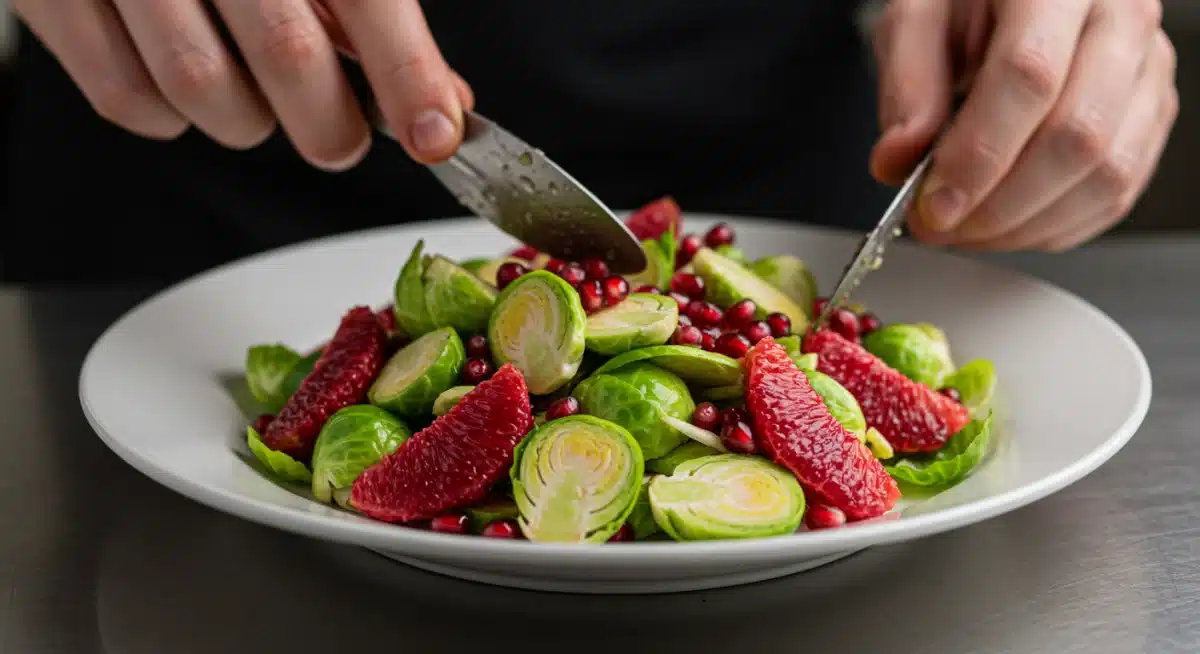
Don’t let winter deter you from enjoying salads. January seasonal produce offers excellent ingredients for crisp, flavorful winter salads. Try a salad with massaged kale, thinly sliced Brussels sprouts, segments of blood orange or tangerine, pomegranate arils, and toasted nuts. A light vinaigrette made with fresh lemon juice and good olive oil will tie everything together.
Citrus-Inspired Dishes
The abundance of citrus in January opens up a world of possibilities. Use lemon and lime juice and zest to brighten up dressings, marinades for chicken or fish, and baked goods. Oranges and grapefruits can be segmented into fruit salads, added to savory dishes like chicken with citrus, or used to make refreshing sorbets and tarts. Blood oranges, with their unique flavor, are fantastic in cocktails, desserts, or simply sliced and drizzled with a touch of honey.
Comforting Sides and Mash-Ups
Beyond traditional mashed potatoes, consider mashing parsnips or celery root for a lower-carb, nutrient-dense alternative, or combine them with potatoes for a flavorful twist. Sautéed collard greens or Swiss chard with garlic and a splash of vinegar make a delicious and healthy side. Cabbage can be stir-fried, braised, or even used to make homemade sauerkraut.
Tips for Shopping and Storing January Seasonal Produce
To ensure you get the most out of your January seasonal produce, knowing how to select and store it properly is key.
At the Market:
- Look for Vibrancy: Choose produce with bright, rich colors. Green leafy vegetables should be deep green, not yellow or wilted.
- Feel for Firmness: Root vegetables, cabbage, and citrus fruits should feel heavy and firm, indicating good water content and freshness. Avoid soft spots or blemishes.
- Smell: Fresh produce often has a subtle, pleasant aroma. Avoid anything with an off or moldy smell.
- Check for Damage: Pass on produce with significant cuts, bruises, or signs of pest damage.
- Buy Local if Possible: Visiting farmers’ markets or local co-ops ensures you’re getting the freshest possible January seasonal produce and supporting your community.
At Home Storage:
- Root Vegetables: Store carrots, parsnips, turnips, rutabagas, and potatoes in a cool, dark, well-ventilated place (like a pantry or basement) for several weeks. Keep potatoes away from onions, as gases emitted from onions can cause potatoes to sprout faster.
- Leafy Greens: Store unwashed in a plastic bag in the crisper drawer of your refrigerator. They typically last 5-7 days. Wash right before use.
- Cabbage & Brussels Sprouts: Store whole heads of cabbage and Brussels sprouts (still on the stalk if possible, or loose in a bag) in the refrigerator’s crisper drawer. They can last for several weeks.
- Leeks & Celery Root: Store leeks unwashed in the refrigerator. Celery root can be stored in a plastic bag in the crisper drawer for up to 2-3 weeks.
- Citrus Fruits: Can be stored at room temperature for a few days, but will last longer (up to 2-3 weeks) in the refrigerator.
- Pomegranates: Store at room temperature for a few days, or in the refrigerator for up to a month.
- Kiwifruit: Ripen at room temperature, then store in the refrigerator for extended freshness.
- Apples & Pears: Store in the refrigerator to maximize their crispness and shelf life.
Embracing a Seasonal Lifestyle in 2026
Making January seasonal produce a cornerstone of your diet is more than just a passing phase; it’s a commitment to a healthier, more flavorful, and more sustainable way of living. As we move further into 2026, let the rhythm of the seasons guide your culinary choices. This approach not only ensures you’re eating the freshest, most nutritious food but also encourages a deeper connection to where your food comes from and the natural cycles of the earth.
By consciously seeking out and incorporating these winter gems, you’ll discover new flavors, support local agriculture, and bolster your well-being during a time when immune support is paramount. So, head to your local market, fill your basket with the vibrant colors of January, and enjoy the delicious journey of seasonal eating. Your taste buds, your body, and the planet will thank you.
What are your favorite ways to enjoy January seasonal produce? Share your tips and recipes in the comments below!