Experiential Dining Trends: 4 Immersive Concepts Capturing the US Market in 2026
Anúncios
In an increasingly digitized world, consumers are craving authentic, memorable, and shareable experiences. This yearning extends profoundly into the culinary realm, transforming the simple act of eating into a multi-sensory journey. The United States, a melting pot of innovation and diverse tastes, is at the forefront of this gastronomic revolution. By 2026, experiential dining trends will not merely be a niche but a dominant force, redefining how we perceive and interact with food. This comprehensive exploration delves into four immersive concepts poised to capture the US market, offering insights into their appeal, mechanics, and potential impact.
Gone are the days when a restaurant’s success relied solely on its menu and service. Today, diners seek narratives, adventures, and emotional connections with their meals. They want to be transported, educated, and entertained. This shift has given rise to environments where every detail, from lighting and sound to scent and texture, is meticulously crafted to contribute to an overarching theme or story. For restaurateurs and food entrepreneurs, understanding these evolving desires is paramount to thriving in the competitive landscape of 2026.
Anúncios
The Evolution of Dining: Beyond Sustenance
For centuries, dining has been a fundamental human activity, serving both as a means of sustenance and a social ritual. From communal feasts to intimate dinners, food has always played a central role in human culture. However, the 21st century has introduced a new dimension: the quest for an ‘experience.’ This isn’t just about good food; it’s about the entire ambiance, the narrative woven around the meal, and the lasting impression it leaves. The rise of social media has amplified this trend, with diners eager to share their unique culinary adventures, turning their tables into stages and their meals into content.
This evolution is driven by several factors. Firstly, an increasingly affluent and well-traveled consumer base is exposed to diverse cultures and culinary practices, leading to a demand for novelty and sophistication. Secondly, technological advancements, from projection mapping to virtual reality, are enabling unprecedented levels of immersion. Thirdly, a growing emphasis on wellness and mindfulness has led to a desire for dining experiences that engage all senses and promote a deeper connection with food and its origins. Experiential dining trends are thus a natural progression of these societal and technological shifts.
Anúncios
Defining Experiential Dining: What Makes It Immersive?
At its core, experiential dining aims to engage diners beyond taste. It’s about creating a holistic environment that stimulates all five senses, often incorporating elements of storytelling, performance art, and interactive technology. An immersive dining experience transports guests from the mundane, allowing them to step into a different world, however fleetingly. This can range from theatrical presentations of dishes to environments that mimic fantastical landscapes or historical eras.
Key characteristics of immersive dining include:
- Multi-Sensory Engagement: Activating sight, sound, smell, touch, and taste in a coordinated manner.
- Storytelling: Weaving a narrative through the menu, decor, and service to create a cohesive theme.
- Interaction: Encouraging diners to participate, whether through hands-on activities, discussions with chefs, or interactive digital elements.
- Novelty and Surprise: Offering unexpected twists, hidden details, and elements of discovery.
- Emotional Connection: Evoking feelings of wonder, nostalgia, excitement, or tranquility.
These elements combine to create a dining experience that is not just about the food, but about the memories created, the emotions stirred, and the stories shared. As we look towards 2026, these principles will continue to be refined and innovated upon, leading to even more sophisticated and captivating experiential dining trends.
Trend 1: Hyper-Personalized Gastronomic Journeys
The desire for individuality and bespoke experiences is stronger than ever. In the realm of dining, this translates into hyper-personalized gastronomic journeys, where every aspect of the meal is tailored to the individual diner’s preferences, dietary needs, and even their mood or personal story. By 2026, advancements in AI, data analytics, and culinary technology will make these highly customized experiences more accessible and sophisticated.
AI-Driven Menu Customization
Imagine a restaurant where your dining profile, built from past visits, preferences, and even real-time biometric data, informs the chef’s creations. AI algorithms could analyze your flavor preferences, dietary restrictions, allergies, and even your current mood to suggest or even design dishes specifically for you. This goes beyond simply asking about allergies; it delves into a deep understanding of your palate and desires, offering a truly unique culinary dialogue between diner and chef.
- Predictive Palate Profiling: Using machine learning to anticipate flavor combinations you’ll love based on your historical choices.
- Nutritional Tailoring: Automatically adjusting ingredients to meet specific health goals or dietary requirements in real-time.
- Mood-Based Menus: Suggesting dishes that are known to evoke certain feelings or enhance specific emotional states.
This level of personalization requires sophisticated backend systems and a willingness from diners to share data, but the reward is an unparalleled sense of being understood and catered to. These experiential dining trends will move beyond mere customization to genuine co-creation.
Interactive Chef-Diner Collaboration
Another facet of hyper-personalization is the increased interaction and collaboration between chefs and diners. This could take the form of interactive digital tablets at the table allowing guests to tweak ingredients or cooking methods in real-time, or even direct consultations with chefs to craft a truly bespoke meal. Some restaurants might offer ‘chef’s table’ experiences that are not just about proximity but about active participation in the menu design.
Consider a scenario where a diner arrives and, after a brief conversation or a quick survey on a digital interface, a chef designs a multi-course tasting menu on the spot, drawing inspiration from the diner’s favorite memories, travel experiences, or even a piece of art they admire. Each dish becomes a reflection of the diner’s unique narrative, making the meal an deeply personal and unforgettable event.
Trend 2: Immersive Thematic Storytelling Environments
The power of a compelling story can transform a simple meal into an epic adventure. Immersive thematic storytelling environments take this concept to its extreme, enveloping diners in narratives that unfold around them as they eat. These experiences are akin to stepping into a living movie set or a meticulously crafted alternate reality, where the food, decor, sound, and even the staff’s attire contribute to a cohesive and captivating storyline. By 2026, these environments will become more sophisticated, leveraging advanced projection, sound design, and interactive elements.
Digital Projection Mapping and Augmented Reality
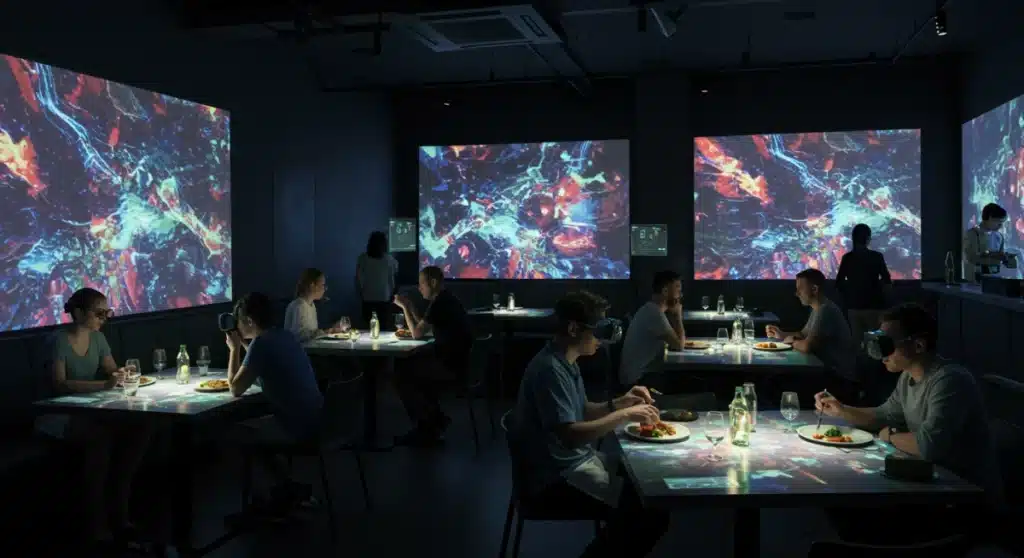
Imagine dining in a restaurant where the walls, tables, and even your plate become canvases for dynamic visual narratives. Digital projection mapping can transform a static room into a lush forest, a bustling city street, or a cosmic galaxy, changing with each course to advance the story. Augmented reality (AR) can further enhance this by bringing interactive elements to the table, allowing diners to discover hidden details or engage with virtual characters.
- Dynamic Scenery: Environments that change in real-time, adapting to the narrative or even diner interaction.
- Holographic Characters: Virtual guides or storytellers appearing on your table, interacting with your dishes.
- Sensory Integration: Visuals paired with corresponding sounds, scents, and even tactile elements to heighten immersion.
These experiences are not just about aesthetics; they are about creating a sense of wonder and enchantment, making the meal an active participant in a larger story. These experiential dining trends blur the lines between reality and fantasy.
Narrative-Driven Menus and Performances
Beyond visuals, the food itself becomes a character in the story. Menus are designed to follow a narrative arc, with each dish representing a chapter or a plot point. The presentation of the food is theatrical, often involving elaborate plating, dry ice, or interactive elements that require diner participation. Live performers, actors, or even synchronized waitstaff can further enhance the storytelling, delivering lines, enacting scenes, or guiding diners through the narrative.
Consider a ‘Journey to the Silk Road’ restaurant, where each course represents a different stop along the ancient trade route, with corresponding visuals, music, and performance elements. The flavors evolve from spicy Indian curries to aromatic Middle Eastern tagines, culminating in delicate Chinese dim sum, all while the environment around you transforms to reflect the geographical and cultural shift. The stories behind these dishes are as important as their taste.
Trend 3: Sensory Deprivation and Enhancement Experiences
While some experiential dining focuses on overwhelming the senses, another emerging trend explores the opposite: sensory deprivation or targeted enhancement to heighten appreciation for specific aspects of the meal. These concepts challenge diners to reconsider their relationship with food by altering their sensory input, often leading to profound and unexpected discoveries. By 2026, these experiences will refine their psychological and physiological impact, offering truly unique perspectives on taste.
Dining in the Dark and Blindfolded Tastings
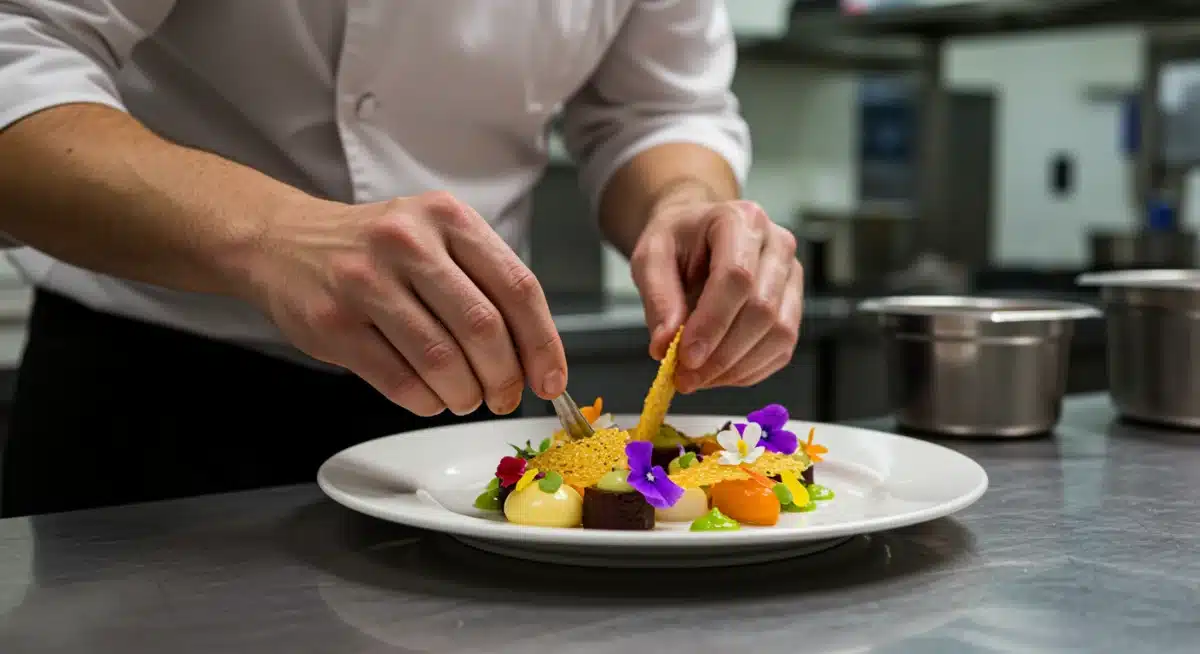
One of the most well-known forms of sensory deprivation dining is eating in complete darkness. By removing the sense of sight, other senses—taste, smell, touch, and hearing—are significantly heightened. This forces diners to rely entirely on their non-visual cues to identify ingredients, appreciate textures, and engage with their companions in a new way. The mystery of the unknown dishes adds an element of adventure and surprise.
- Heightened Perception: Intensified flavors and aromas due to the absence of visual distractions.
- Enhanced Social Interaction: Greater focus on conversation and connection with dining partners.
- Mindful Eating: Encourages slower, more deliberate consumption, fostering a deeper appreciation for each bite.
Blindfolded tastings take this a step further, often used for specific product evaluations or educational purposes, but increasingly adapted for unique dining events. The goal is to strip away preconceptions and allow the pure sensory data of the food to take center stage. These experiential dining trends are about rediscovering the fundamental pleasure of food.
Soundscapes and Olfactory Pairings
Conversely, sensory enhancement focuses on amplifying specific senses to complement and elevate the dining experience. Soundscapes, for instance, can be meticulously crafted to influence perception of taste. Studies have shown that certain frequencies or types of music can enhance sweetness, bitterness, or even the perception of crunchiness. Restaurants might employ bespoke musical compositions or ambient sounds tailored to each dish.
Olfactory pairings involve introducing specific aromas into the dining environment that complement or contrast with the food, creating a more complex and memorable sensory profile. This could be done through subtle diffusers or even individual scent capsules released with each course. The goal is to create a symphonic experience where taste, smell, and sound work in harmony to create a richer, more nuanced appreciation of the meal.
Trend 4: Edutainment and Skill-Building Dining Concepts
As consumers become more conscious about what they eat and how it’s prepared, there’s a growing demand for dining experiences that are not only enjoyable but also educational. Edutainment and skill-building dining concepts combine culinary pleasure with learning, offering guests the opportunity to gain new knowledge, master new skills, or simply deepen their understanding of food origins and preparation. By 2026, these concepts will diversify, incorporating cutting-edge techniques and sustainable practices.
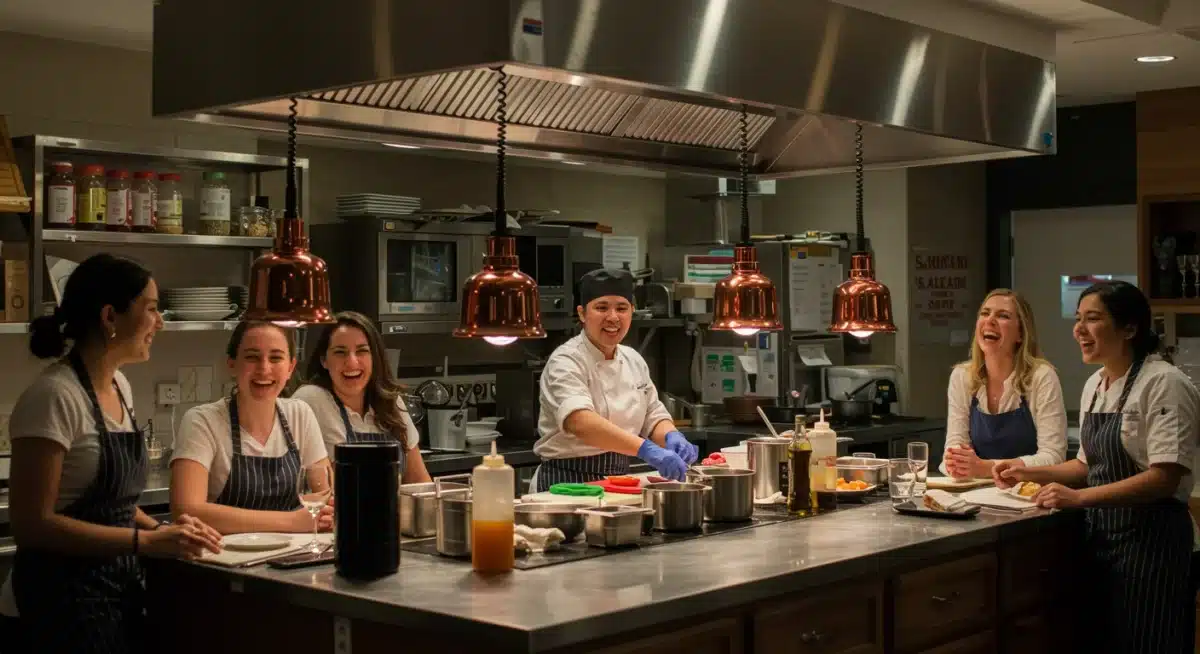
Interactive Cooking Labs and Workshops
Moving beyond traditional cooking classes, interactive cooking labs offer a hands-on, immersive approach to learning culinary skills. These aren’t just about following a recipe; they often involve exploring specific techniques, understanding food science, or experimenting with new ingredients. Diners become active participants in the creation of their meal, gaining a deeper appreciation for the effort and artistry involved.
- Farm-to-Table Workshops: Guests learn about sourcing ingredients directly from local farms and then use them in a cooking session.
- Molecular Gastronomy Demos: Hands-on experience with advanced culinary techniques and scientific principles.
- Themed Culinary Journeys: Exploring the cuisine of a specific region or culture through cooking and tasting.
These experiences foster a sense of accomplishment and provide practical skills that guests can take home. They transform dining from a passive activity into an engaging, educational adventure. These experiential dining trends cater to the curious and the culinary enthusiast.
Sustainable Sourcing and Storytelling
With increasing awareness of environmental issues, dining experiences that highlight sustainable sourcing and ethical practices are gaining traction. These concepts educate diners about the journey of their food, from farm to fork, emphasizing responsible agriculture, waste reduction, and fair trade. The meal becomes a vehicle for storytelling about sustainability, connecting diners to the origins of their ingredients and the people who produce them.
Restaurants might offer tours of their urban gardens, introduce guests to the farmers who supply their produce, or host interactive discussions about food waste and composting. The menu itself would often feature ingredients that are seasonal, locally sourced, and sustainably produced, with detailed descriptions of their provenance. This trend not only provides a delicious meal but also fosters a sense of social responsibility and environmental consciousness among diners.
The Future is Now: Preparing for 2026 and Beyond
The landscape of dining is undeniably shifting, with the focus moving from mere consumption to profound engagement. The four experiential dining trends outlined—Hyper-Personalized Gastronomic Journeys, Immersive Thematic Storytelling Environments, Sensory Deprivation and Enhancement Experiences, and Edutainment and Skill-Building Dining Concepts—represent the vanguard of this evolution in the US market. By 2026, these concepts will have matured, becoming more integrated, technologically advanced, and emotionally resonant.
Challenges and Opportunities for Restaurateurs
While these trends offer immense opportunities for innovation and differentiation, they also present challenges. The initial investment in technology, specialized staff, and intricate design can be substantial. Maintaining the novelty and surprise factor requires continuous creativity and adaptation. Moreover, ensuring that the experience enhances, rather than overshadows, the quality of the food remains crucial.
However, the rewards are significant. Restaurants that successfully embrace these experiential dining trends will not only attract a discerning clientele but also foster deep loyalty and generate invaluable word-of-mouth marketing. They will become destinations in themselves, offering more than just a meal, but a memory, a story, and an adventure.
The Role of Technology and Creativity
Technology will continue to be a key enabler of experiential dining, from AI-powered personalization to advanced projection mapping and virtual reality. However, technology alone is not enough. The true magic lies in the creative application of these tools to craft compelling narratives, evoke genuine emotions, and facilitate meaningful human connections. The most successful experiential dining concepts will be those that seamlessly blend technological innovation with profound human creativity and culinary artistry.
As we approach 2026, the future of dining in the US is bright, flavorful, and incredibly exciting. It’s a future where every meal has the potential to be an unforgettable journey, a personal discovery, and a shared adventure. Restaurateurs, chefs, and diners alike are invited to embrace this evolution and explore the boundless possibilities of experiential dining trends.
Conclusion: A New Era of Gastronomic Immersion
The culinary world is on the cusp of an exhilarating transformation, moving beyond the traditional confines of taste and presentation into a realm of holistic sensory engagement and profound storytelling. The experiential dining trends set to captivate the US market by 2026 are not fleeting fads but rather a paradigm shift in how we conceive of and consume food. From hyper-personalized menus tailored by AI to immersive thematic environments that transport diners to other worlds, and from sensory-heightening experiences to educational culinary adventures, the future of dining is rich with innovation and wonder.
These trends reflect a deeper societal craving for authenticity, connection, and memorable moments in an increasingly digital and fast-paced world. For restaurateurs, embracing these concepts means investing not just in ingredients and service, but in narrative design, technological integration, and a profound understanding of human psychology. The challenge lies in balancing innovation with culinary excellence, ensuring that the spectacle never overshadows the substance of the meal itself.
As diners, we stand at the threshold of a new gastronomic era, where every meal has the potential to be an art form, a learning experience, or an unforgettable journey. The four immersive concepts discussed here represent just a glimpse into the boundless possibilities that lie ahead. By engaging all our senses and minds, we are not just eating; we are experiencing, learning, and creating memories that extend far beyond the plate. The future of dining is here, and it promises to be as delicious as it is extraordinary.