Cooking Oils Comparison 2026: Best for Frying, Baking, & Health
Anúncios
Comparing Cooking Oils: Which 4 Are Best for Different Applications in 2026?
Welcome to the ultimate guide on selecting the best cooking oils for your kitchen in 2026. In the ever-evolving world of culinary arts and nutrition, choosing the right cooking oil can significantly impact the taste, texture, and health profile of your dishes. With a myriad of options available, each boasting unique properties, it can be challenging to discern which oil is truly superior for specific cooking methods, from high-heat frying to delicate dressings and healthy baking.
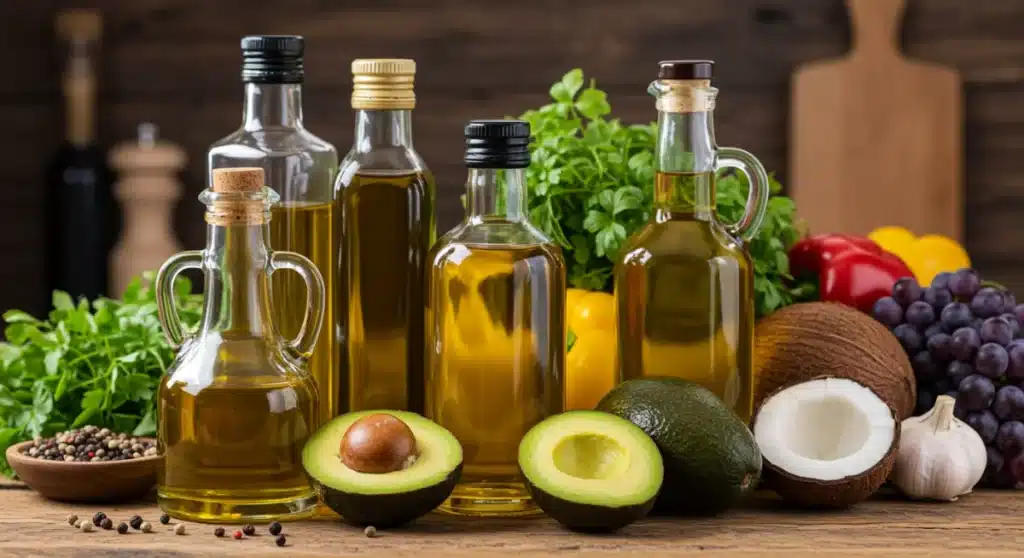
This comprehensive article delves into a detailed comparison of four prominent cooking oils: Olive Oil, Avocado Oil, Coconut Oil, and Grapeseed Oil. We’ll explore their smoke points, nutritional benefits, flavor profiles, and ideal applications, providing you with the knowledge to make informed decisions and elevate your cooking. Whether you’re a seasoned chef or a home cook looking to optimize your pantry, understanding the nuances of these oils is crucial. Let’s embark on this flavorful journey to discover the best cooking oils for every occasion.
Anúncios
Understanding the Fundamentals: Smoke Point and Nutritional Value
Before diving into individual oil profiles, it’s essential to grasp two critical factors: smoke point and nutritional value. The smoke point of an oil is the temperature at which it begins to break down, produce smoke, and release free radicals and acrolein, a compound that can be harmful. Cooking an oil past its smoke point not only imparts an unpleasant burnt flavor to your food but also diminishes its nutritional integrity and can create unhealthy compounds. Therefore, matching the oil’s smoke point to your cooking method is paramount for both flavor and health.
Anúncios
Nutritional value, on the other hand, refers to the composition of fats (monounsaturated, polyunsaturated, saturated), antioxidants, and other beneficial compounds present in the oil. While all fats are calorie-dense, the type of fat consumed plays a significant role in overall health. Monounsaturated and polyunsaturated fats, often lauded as ‘healthy fats,’ can help reduce bad cholesterol levels and provide essential fatty acids. Saturated fats, while necessary in moderation, should be consumed judiciously.
By keeping these two factors in mind, we can better evaluate which of the best cooking oils are genuinely suitable for your specific culinary needs and health goals. This foundational understanding will serve as our compass as we navigate through the characteristics of each oil.
Olive Oil: The Mediterranean Staple
Characteristics and Types
Olive oil, a cornerstone of Mediterranean cuisine, is renowned for its distinctive flavor and extensive health benefits. It’s primarily composed of monounsaturated fatty acids (MUFAs), particularly oleic acid, which is associated with heart health. There are several types of olive oil, each with varying levels of processing and flavor intensity:
- Extra Virgin Olive Oil (EVOO): The highest quality and least processed form, extracted by cold-pressing olives. It retains the most antioxidants and has a robust, fruity flavor. Its smoke point is relatively low, typically around 375°F (190°C).
- Virgin Olive Oil: Similar to EVOO but with slightly higher acidity and a less intense flavor. Its smoke point is comparable.
- Pure Olive Oil (or ‘Olive Oil’): A blend of refined olive oil and virgin/extra virgin olive oil. It has a milder flavor and a higher smoke point, often around 400°F (204°C), due to the refining process.
- Light Olive Oil: Refined olive oil with a very neutral flavor and a higher smoke point, often around 470°F (243°C). The term ‘light’ refers to its color and flavor, not its calorie content.
Ideal Applications for Olive Oil
Given its diverse types, olive oil offers versatility in the kitchen:
- Salad Dressings and Drizzling (EVOO): The rich flavor of EVOO shines brightest when used raw. It’s perfect for vinaigrettes, finishing dishes, dipping bread, and drizzling over roasted vegetables or grilled fish.
- Low to Medium-Heat Sautéing (EVOO, Virgin): While its smoke point isn’t the highest, EVOO can be used for gentle sautéing and pan-frying at lower temperatures, where the flavors can infuse without burning.
- Baking (Pure, Light): For recipes that call for a neutral-flavored oil, pure or light olive oil can be a good substitute for butter or other vegetable oils, adding moisture without imparting a strong olive flavor.
- Roasting (Pure, Light): Its higher smoke point makes pure or light olive oil suitable for roasting vegetables or meats at moderate oven temperatures.
When considering the best cooking oils for flavor and health, EVOO stands out for its raw applications, while its refined counterparts offer more flexibility for cooking.
Avocado Oil: The High-Heat Hero
Characteristics and Nutritional Profile
Avocado oil has surged in popularity due to its remarkably high smoke point and impressive nutritional profile. Like olive oil, it’s rich in monounsaturated fats, predominantly oleic acid, which is beneficial for heart health. It also contains vitamin E and lutein, an antioxidant that supports eye health. What sets avocado oil apart is its incredibly high smoke point, typically ranging from 500°F to 520°F (260°C to 271°C) for refined versions, making it one of the most heat-stable oils available.
Unrefined avocado oil has a slightly lower smoke point (around 480°F or 249°C) and a greenish tint with a subtle, buttery avocado flavor. Refined avocado oil is pale yellow, virtually odorless, and flavorless, making it highly versatile.
Ideal Applications for Avocado Oil
Avocado oil is undoubtedly one of the best cooking oils for high-temperature cooking:
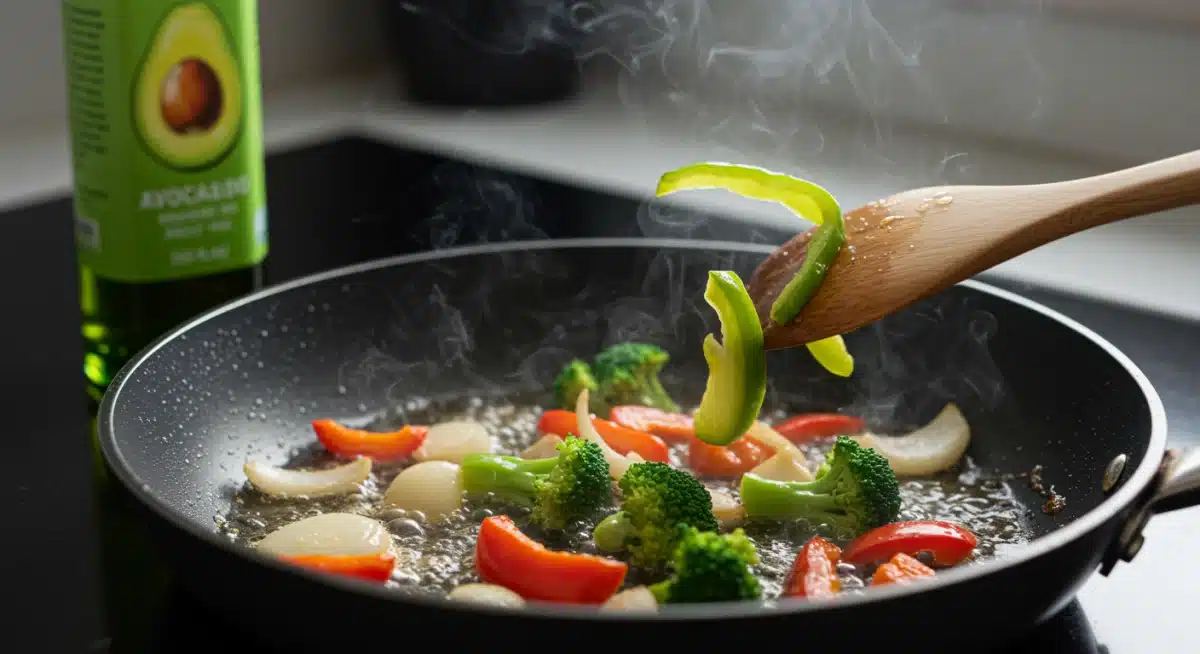
- High-Heat Frying and Sautéing: Its exceptional smoke point makes it ideal for stir-frying, deep-frying, and searing meats without fear of burning or breaking down.
- Grilling: Brushing avocado oil on foods before grilling helps prevent sticking and adds a beautiful sear.
- Roasting and Baking: It’s an excellent choice for roasting vegetables at high temperatures and as a neutral-flavored fat in baking, especially when you don’t want the oil to impart any taste.
- Marinades and Dressings: While it excels in heat, its neutral flavor also makes it a great base for homemade salad dressings and marinades, allowing other ingredients to shine.
For those seeking an oil that can withstand extreme heat while offering significant health benefits, avocado oil is an undeniable contender for the title of one of the best cooking oils.
Coconut Oil: The Tropical Twist
Characteristics and Nutritional Profile
Coconut oil, derived from the meat of coconuts, is unique among cooking oils for its high concentration of saturated fats, primarily medium-chain triglycerides (MCTs). While saturated fats have historically received a bad rap, MCTs are metabolized differently by the body, potentially offering benefits like increased energy expenditure and improved cognitive function. Coconut oil is solid at room temperature and melts into a clear liquid when heated. Its smoke point is moderate, typically around 350°F (177°C) for virgin coconut oil and up to 400°F (204°C) for refined versions.
There are two main types:
- Virgin Coconut Oil: Unrefined, extracted from fresh coconut meat. It retains a distinct coconut aroma and flavor, making it popular in certain cuisines and for specific baking applications.
- Refined Coconut Oil: Processed to remove impurities and neutralize its flavor. It has a higher smoke point and a neutral taste, making it more versatile for general cooking when you don’t want a coconut flavor.
Ideal Applications for Coconut Oil
Coconut oil offers unique properties that make it one of the best cooking oils for specific uses:
- Baking: Its solid state at room temperature makes it an excellent vegan alternative to butter in many baking recipes, providing richness and structure. Refined coconut oil is best if you want to avoid a coconut flavor, while virgin coconut oil adds a tropical note.
- Medium-Heat Sautéing: Both virgin and refined coconut oil can be used for sautéing vegetables, eggs, or seafood at medium temperatures. The virgin variety will impart a lovely coconut flavor.
- Asian and Tropical Cuisines: Virgin coconut oil is indispensable for dishes where its distinctive flavor is desired, such as curries, stir-fries, and desserts inspired by Southeast Asian or tropical flavors.
- Smoothies and Coffee: MCTs in coconut oil are easily digestible and can be added to smoothies or ‘bulletproof coffee’ for an energy boost.
While its saturated fat content means moderation is key, coconut oil’s unique properties and flavor make it an invaluable addition to a well-rounded pantry, securing its place among the best cooking oils for specific culinary purposes.
Grapeseed Oil: The Light and Versatile Choice
Characteristics and Nutritional Profile
Grapeseed oil is a byproduct of winemaking, extracted from the seeds of grapes. It is known for its light texture, neutral flavor, and high smoke point, typically around 420°F (215°C). Nutritionally, grapeseed oil is rich in polyunsaturated fats, specifically linoleic acid (an omega-6 fatty acid), and also contains vitamin E and potent antioxidants like proanthocyanidins. While omega-6 fatty acids are essential, a balanced intake with omega-3s is crucial for optimal health.
Its neutral profile means it won’t interfere with the natural flavors of your ingredients, making it a favorite among chefs who prioritize a clean taste.
Ideal Applications for Grapeseed Oil
Grapeseed oil’s versatility makes it one of the best cooking oils for a wide range of applications:
- Medium to High-Heat Sautéing and Frying: Its high smoke point and neutral flavor make it excellent for everyday sautéing, pan-frying, and even light deep-frying where a flavorless oil is preferred.
- Baking: As a neutral-tasting oil, it’s a superb choice for baking, especially in recipes where you want the flavors of the other ingredients to shine without any interference from the oil.
- Mayonnaise and Dressings: Its light body and neutral taste make it an ideal base for homemade mayonnaise, vinaigrettes, and other salad dressings, allowing herbs and spices to be the stars.
- Marinades: Grapeseed oil effectively carries the flavors of herbs and spices into meats and vegetables without adding its own distinctive taste.
For cooks seeking a truly versatile, light, and neutral oil that performs well under heat, grapeseed oil is a strong contender for the title of one of the best cooking oils in the pantry.

Comparative Analysis: Choosing the Best Cooking Oils for You
Now that we’ve delved into the individual characteristics of Olive Oil, Avocado Oil, Coconut Oil, and Grapeseed Oil, let’s bring them together for a direct comparison to help you choose the best cooking oils for your specific needs.
Smoke Point Showdown
- Avocado Oil: The undisputed champion for high-heat cooking (500-520°F / 260-271°C). Ideal for searing, deep-frying, and grilling.
- Grapeseed Oil: Excellent for medium-high heat (420°F / 215°C). Versatile for sautéing, pan-frying, and baking.
- Refined Coconut Oil: Good for medium heat (400°F / 204°C). Suitable for baking and general sautéing.
- Pure/Light Olive Oil: Also good for medium heat (400-470°F / 204-243°C). Offers a range for different cooking needs.
- Extra Virgin Olive Oil: Best for low-heat cooking or raw applications (375°F / 190°C). Preserve its delicate flavors and health benefits.
Nutritional Benefits at a Glance
- Olive Oil (especially EVOO): High in monounsaturated fats, rich in antioxidants and polyphenols. Excellent for heart health.
- Avocado Oil: Predominantly monounsaturated fats, rich in vitamin E and lutein. Supports heart and eye health.
- Coconut Oil: High in saturated fats (MCTs). May offer benefits for energy and metabolism, but moderation is advised.
- Grapeseed Oil: High in polyunsaturated fats (omega-6), contains vitamin E and antioxidants. Important for essential fatty acids, but balance with omega-3s is key.
Flavor Profile and Culinary Versatility
- Olive Oil: Ranges from robust and fruity (EVOO) to mild and neutral (Light). Adds depth to Mediterranean dishes, excellent for dressings.
- Avocado Oil: Mostly neutral, with a very subtle buttery hint in unrefined versions. Perfect when you want the food’s natural flavors to dominate.
- Coconut Oil: Distinct tropical flavor in virgin type, neutral in refined. Ideal for specific ethnic cuisines and a vegan butter substitute in baking.
- Grapeseed Oil: Very light and neutral. A true all-rounder for when you need a flavorless oil.
Which Oil for Which Application?
- For High-Heat Frying/Searing: Avocado Oil is your top choice. Grapeseed oil is a strong second.
- For Everyday Sautéing/Pan-Frying: Grapeseed Oil, Pure/Light Olive Oil, or Refined Coconut Oil work well. EVOO for lower temperatures.
- For Baking: Refined Coconut Oil (especially as a butter substitute), Grapeseed Oil, or Pure/Light Olive Oil are excellent for neutral flavor. Virgin Coconut Oil for tropical notes.
- For Salad Dressings/Finishing Dishes: Extra Virgin Olive Oil shines here. Unrefined Avocado Oil can also be used for a subtle flavor. Grapeseed oil for a truly neutral base.
- For Health Benefits (Raw): Extra Virgin Olive Oil and Avocado Oil are packed with beneficial compounds when consumed uncooked.
Ultimately, the best cooking oils for your kitchen will depend on your specific cooking methods, desired flavor profiles, and health considerations. A well-stocked pantry will likely include a selection of these oils to cover all your culinary bases.
Emerging Trends and Future Considerations for Cooking Oils (2026)
As we look towards 2026, the landscape of cooking oils continues to evolve, driven by consumer demand for healthier, more sustainable, and ethically sourced products. While our focus has been on the established powerhouses, it’s worth noting some broader trends that influence the perception and availability of the best cooking oils.
Sustainability and Ethical Sourcing
Consumers are increasingly concerned about the environmental impact and ethical practices behind food production. This translates into a growing preference for oils that are:
- Sustainably Farmed: Look for certifications that indicate environmentally responsible farming practices, minimizing pesticide use and promoting biodiversity.
- Fair Trade: Especially relevant for oils sourced from developing countries, ensuring fair wages and working conditions for farmers.
- Locally Produced: Reducing carbon footprint through shorter supply chains is a significant driver for many consumers.
These factors will play an increasingly important role in defining what makes an oil ‘best’ beyond just its culinary and nutritional merits.
Novel Oil Varieties and Blends
While this article focused on four staples, the market is also seeing the rise of other niche oils and innovative blends:
- Algae Oil: A sustainable source of omega-3s, with a neutral flavor and high smoke point, gaining traction for its environmental benefits.
- Sacha Inchi Oil: Rich in omega-3, -6, and -9, with a nutty flavor, often used in dressings and low-heat cooking.
- Blended Oils: Manufacturers are creating specific blends (e.g., olive and avocado oil) to combine beneficial properties and optimize for specific cooking tasks, often with enhanced smoke points and balanced fat profiles.
These emerging options, while not yet mainstream as the four discussed, represent the future direction of the cooking oil market and may soon join the ranks of the best cooking oils for various applications.
Health-Conscious Formulations
The demand for oils with specific health benefits continues to grow:
- High Oleic Oils: Varieties of sunflower, safflower, and canola oil that have been bred to contain higher levels of monounsaturated fats, offering a healthier profile and higher smoke point than their traditional counterparts.
- MCT Oil: Pure medium-chain triglyceride oil, often derived from coconut, becoming popular as a dietary supplement for energy and cognitive function, though not typically used for high-heat cooking due to its lower smoke point compared to whole coconut oil.
These specialized oils cater to consumers with particular dietary needs or health goals, further diversifying the options for those seeking the best cooking oils for their lifestyle.
Conclusion: Your Personalized Guide to the Best Cooking Oils
In conclusion, the quest for the best cooking oils is not about finding a single ‘perfect’ oil, but rather about understanding the unique attributes of each and how they align with your culinary endeavors and health objectives. Olive oil offers unparalleled flavor and heart health benefits for raw and low-heat dishes. Avocado oil stands out as the champion for high-heat cooking, providing both versatility and nutritional value. Coconut oil brings a tropical essence and unique baking properties, especially for vegan diets. And grapeseed oil serves as a light, neutral, and high-heat-tolerant workhorse for a broad spectrum of cooking tasks.
By keeping in mind the smoke point, nutritional profile, and flavor characteristics of each oil, you can confidently navigate your kitchen and elevate your dishes. Don’t be afraid to experiment with different oils and discover how they can transform your cooking. A well-rounded pantry, equipped with a selection of these top-tier oils, will empower you to create delicious, healthy, and perfectly cooked meals every time.
Remember, the best cooking oils are those that best serve your specific needs, enhancing both the flavor and the nutritional quality of your food. Happy cooking!