Choosing Durable Cookware: 2026 Guide to Longevity & Materials
Anúncios
In the dynamic world of culinary arts, where innovation often meets tradition, one constant remains paramount: the need for reliable, high-quality kitchen tools. Among these, cookware stands as the undisputed cornerstone of any functional kitchen. But with an overwhelming array of options available, how do you make a choice that not only meets your immediate needs but also promises enduring performance for a decade or more? This comprehensive 2026 guide is designed to navigate the complexities of choosing durable cookware materials, focusing on longevity, performance, and value.
The quest for long-lasting cookware isn’t just about saving money in the long run; it’s about investing in a foundational element of your home that will consistently deliver exceptional results. Imagine the frustration of a non-stick pan that loses its coating after a year, or a pot that warps under high heat. Such experiences not only hinder your cooking but also lead to unnecessary waste and expense. Our focus here is on empowering you to make informed decisions, ensuring your kitchen is equipped with pieces that are not just trendy but fundamentally robust and reliable. We will delve deep into the characteristics of various cookware materials, dissecting their pros and cons, and offering practical advice on maintenance to maximize their lifespan. By the end of this guide, you’ll be well-prepared to select durable cookware that will serve you faithfully for years to come.
Anúncios
Understanding the Importance of Durable Cookware Materials
Why should you prioritize durable cookware materials? The answer lies in a combination of factors: economic efficiency, culinary performance, and environmental responsibility. From an economic standpoint, purchasing high-quality, durable items reduces the frequency of replacements, saving you money over time. While the initial investment might be higher, the cost per year of use significantly decreases, making it a wise financial decision. Think of it as an investment in your home and your culinary journey.
Culinary performance is another critical aspect. High-quality cookware often boasts superior heat distribution, better heat retention, and more responsive temperature control. These attributes are crucial for achieving consistent and delicious results, whether you’re searing a steak, simmering a sauce, or baking a casserole. Poorly constructed pans can lead to hot spots, uneven cooking, and food sticking, transforming cooking from a pleasure into a chore. Moreover, the tactile experience of cooking with well-made, sturdy pots and pans is simply more enjoyable and inspires greater confidence in the kitchen.
Anúncios
Environmentally, choosing sustainable cookware means less waste. Discarded pots and pans contribute to landfills, and the manufacturing process for new items consumes resources. By opting for products built to last, you’re making a conscious decision to reduce your environmental footprint, aligning your kitchen choices with broader ecological values. This holistic approach to selecting durable cookware materials ensures that your investment pays dividends across multiple dimensions, making it a choice you can feel good about on every level.
Cast Iron: The Enduring Legacy of Durability
When discussing durable cookware materials, cast iron invariably tops the list. Its legacy spans centuries, a testament to its unparalleled robustness and versatility. Cast iron cookware, when properly cared for, can literally last for generations, becoming a treasured family heirloom. This material is celebrated for its exceptional heat retention and even heat distribution, making it ideal for a wide range of cooking tasks, from searing and frying to baking and slow simmering.
Benefits of Cast Iron Cookware
- Incredible Durability: Cast iron is virtually indestructible. It can withstand incredibly high temperatures and is resistant to warping and denting.
- Superior Heat Retention: Once heated, cast iron holds onto that heat remarkably well, ensuring consistent cooking temperatures even when ingredients are added. This is especially beneficial for searing and achieving a perfect crust.
- Even Heat Distribution: While it takes longer to heat up, cast iron distributes heat very evenly across its surface, preventing hot spots and ensuring uniform cooking.
- Natural Non-Stick (with seasoning): With proper seasoning (a layer of polymerized oil baked onto the surface), cast iron develops a natural, chemical-free non-stick surface that improves with age and use.
- Versatility: From stovetop to oven to campfire, cast iron is incredibly versatile. It’s excellent for frying, baking, braising, and even making desserts.
- Iron Fortification: Cooking in cast iron can leach small amounts of iron into your food, which can be a beneficial dietary supplement, especially for those with iron deficiencies.
Considerations for Cast Iron Cookware
- Weight: Cast iron is very heavy, which can be a drawback for some users, especially when lifting or moving large pots and pans.
- Maintenance: It requires specific care, including regular seasoning and thorough drying after washing to prevent rust. It’s not dishwasher safe.
- Reactivity: Unseasoned cast iron can react with acidic foods, potentially leaching metallic flavors into your dishes.
- Heating Time: It takes longer to preheat compared to other materials, but once hot, it retains heat exceptionally well.
For those committed to investing in truly long-lasting cookware, cast iron remains a top contender. Its ability to perform consistently for decades, coupled with its natural non-stick properties and versatility, makes it an indispensable addition to any kitchen aiming for the highest standards of durability and culinary excellence.
Stainless Steel: The Modern Workhorse of the Kitchen
Stainless steel is another powerhouse among durable cookware materials, widely praised for its non-reactive nature, sleek appearance, and ease of maintenance. Unlike cast iron, stainless steel doesn’t require seasoning and is generally dishwasher safe, making it a convenient choice for busy households. Its widespread adoption in professional kitchens speaks volumes about its reliability and performance.
Benefits of Stainless Steel Cookware
- Exceptional Durability: High-quality stainless steel cookware is incredibly robust, resistant to rust, corrosion, scratching, and denting. It can withstand daily rigorous use without showing significant wear and tear.
- Non-Reactive: Stainless steel does not react with acidic or alkaline foods, preserving the true flavor of your dishes. This makes it ideal for cooking with tomatoes, wine, or citrus.
- Easy to Clean: Most stainless steel cookware is dishwasher safe and relatively easy to clean by hand, requiring minimal effort compared to cast iron.
- Versatility: Suitable for all stovetop types, including induction (if magnetic), and oven-safe. It’s excellent for sautéing, simmering, boiling, and frying.
- Aesthetic Appeal: Its shiny, modern appearance makes it a popular choice for contemporary kitchens.
- Layered Construction: Premium stainless steel cookware often features a multi-clad construction (e.g., a stainless steel exterior with an aluminum or copper core). This layering significantly improves heat conductivity and distribution, addressing the primary weakness of pure stainless steel.
Considerations for Stainless Steel Cookware
- Heat Conductivity: Pure stainless steel is not the best conductor of heat on its own. This is why high-quality stainless steel cookware typically incorporates an aluminum or copper core (clad construction) to improve heat distribution.
- Sticking: Without a non-stick coating, food can stick if not properly managed (e.g., preheating the pan and using enough oil). However, with proper technique, this can be largely avoided.
- Price: High-quality, clad stainless steel cookware can be a significant investment, though its longevity often justifies the cost.
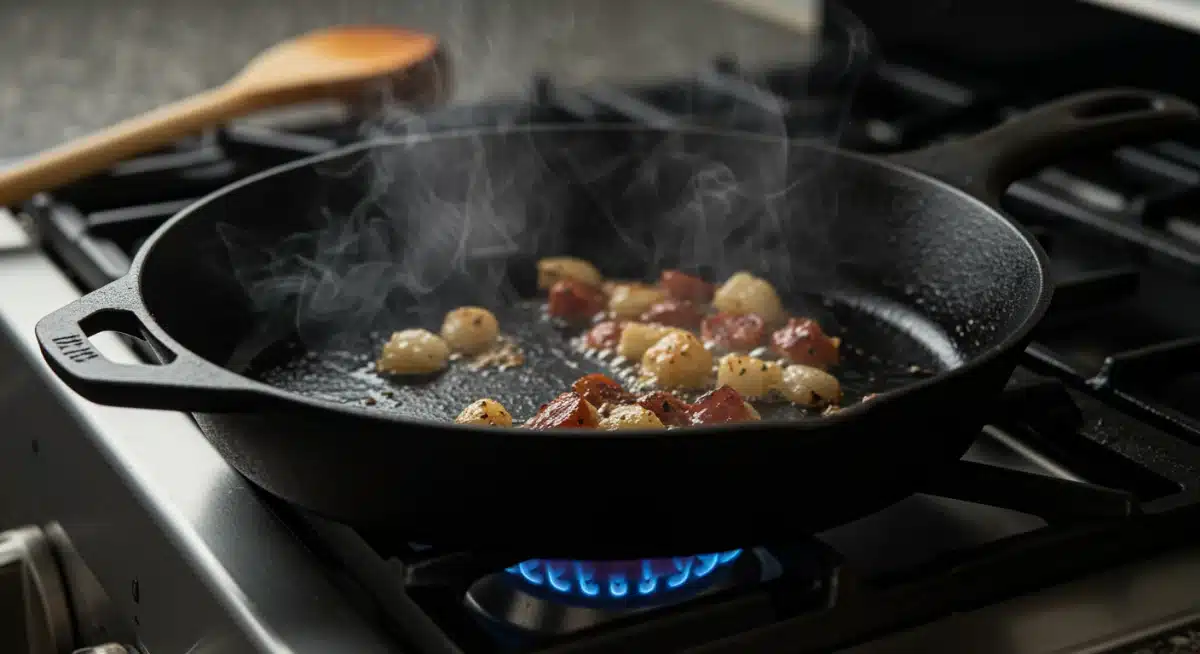
For those seeking reliable cookware that balances durability with ease of use and aesthetic appeal, stainless steel, especially with a multi-clad construction, is an outstanding choice. It’s a true workhorse that will withstand the test of time in any busy kitchen, making it a strong contender in the realm of durable cookware materials.
Ceramic and Ceramic Non-Stick: A Modern Approach to Health and Durability
The landscape of durable cookware materials has seen a significant rise in ceramic and ceramic non-stick options. These materials are often marketed as healthier alternatives to traditional non-stick coatings, being free from PTFE and PFOA. While ‘ceramic’ can refer to different things in cookware, generally it means a ceramic coating applied to a metal base (like aluminum) or solid ceramic pieces.
Benefits of Ceramic and Ceramic Non-Stick Cookware
- Healthier Non-Stick: Ceramic coatings are typically mineral-based and free from perfluorooctanoic acid (PFOA) and polytetrafluoroethylene (PTFE), addressing health concerns associated with older non-stick technologies.
- Excellent Non-Stick Release: When new, ceramic non-stick surfaces offer superb food release, making cooking and cleaning a breeze.
- Even Heat Distribution: Often applied over aluminum, ceramic non-stick pans typically heat quickly and evenly.
- Aesthetic Variety: Ceramic cookware often comes in a wide array of colors and styles, adding a vibrant touch to the kitchen.
- Lighter Weight: Compared to cast iron, ceramic-coated aluminum pans are significantly lighter and easier to handle.
Considerations for Ceramic and Ceramic Non-Stick Cookware
- Durability of Non-Stick Coating: This is the primary concern for longevity. While initially excellent, ceramic non-stick coatings, like all non-stick surfaces, can degrade over time, especially with high heat, abrasive utensils, or harsh cleaning. Their lifespan is generally shorter than that of seasoned cast iron or stainless steel.
- Heat Sensitivity: High heat can prematurely degrade the non-stick properties of ceramic coatings. Medium to low heat is often recommended.
- Care Requirements: To extend its life, ceramic non-stick requires careful handling, including using silicone or wooden utensils and gentle cleaning.
- Solid Ceramic vs. Coated: Be aware of the distinction. Solid ceramic cookware (like ceramic bakeware) is extremely durable but lacks the non-stick properties of coated pans and is less common for stovetop cooking.
While ceramic non-stick offers a fantastic cooking experience and a healthier alternative to traditional non-stick, it’s crucial to manage expectations regarding its long-term cookware longevity compared to cast iron or stainless steel. It can be a great addition, but perhaps not the sole foundation of a decade-long cookware collection unless used with extreme care and considered as a more frequently replaced item.
Copper Cookware: The Conductor of Culinary Excellence
Copper cookware holds a revered place among durable cookware materials, particularly for its unmatched thermal conductivity and elegant appearance. Often lined with tin or stainless steel (as copper itself can be reactive), copper pans are the choice of many professional chefs who demand precise temperature control and rapid heat changes.
Benefits of Copper Cookware
- Exceptional Heat Conductivity: Copper is arguably the best heat conductor among common cookware materials, allowing for incredibly precise temperature control and even heating.
- Rapid Response to Temperature Changes: It heats up and cools down almost instantly, giving chefs unparalleled control over the cooking process.
- Beautiful Aesthetic: Copper cookware is stunningly beautiful and often displayed as kitchen decor, adding a touch of classic elegance.
- Durability (of the copper itself): The copper metal itself is very durable and resistant to warping.
Considerations for Copper Cookware
- Lining Durability: Most functional copper cookware is lined. Traditional tin linings are delicate and can wear out, requiring re-tinning. Stainless steel linings are more durable but slightly diminish copper’s responsiveness.
- Maintenance: Copper tarnishes over time and requires polishing to maintain its shiny appearance. It’s also reactive with certain foods if the lining is compromised.
- Price: High-quality copper cookware is often the most expensive option, representing a significant investment.
- Weight: While not as heavy as cast iron, good quality copper cookware can still be substantial.
For the discerning cook who prioritizes ultimate control and is willing to invest in and maintain their tools, copper cookware offers an exceptional experience. Its durability, when considering the copper base, is high, though the longevity of its lining needs to be factored into its overall lifespan as long-term cookware.
Other Durable Cookware Materials and Emerging Trends
Beyond the mainstays, other durable cookware materials and innovative designs are worth considering when planning for a decade-plus kitchen investment.
Enamel-Coated Cast Iron
This combines the best of both worlds: the incredible heat retention and durability of cast iron with a durable enamel coating that prevents reactivity and eliminates the need for seasoning. It’s excellent for braising, slow cooking, and baking, and comes in a vibrant array of colors. The enamel coating is durable but can chip if dropped or struck with metal utensils.
Carbon Steel
Often considered a hybrid between cast iron and stainless steel, carbon steel is lighter than cast iron but shares many of its benefits, including excellent heat retention and the ability to develop a natural non-stick seasoning. It heats faster than cast iron and is favored by professional chefs for quick, high-heat cooking like stir-frying and searing. Like cast iron, it requires seasoning and proper care to prevent rust and maintain its non-stick properties, making it a very durable pan material for the informed user.
Anodized Aluminum
Aluminum is an excellent heat conductor, and anodization hardens its surface, making it more durable, scratch-resistant, and non-reactive. While not as heavy-duty as cast iron or stainless steel, good quality hard-anodized aluminum can offer a decent lifespan, especially when treated with care. It’s often used as the base for many ceramic non-stick pans.
Factors Beyond Material for Cookware Longevity
While the choice of durable cookware materials is paramount, several other factors significantly influence how long your pots and pans will last. Ignoring these can drastically shorten the lifespan of even the most robust items.
Construction Quality
Not all stainless steel or cast iron is created equal. Look for reputable brands with solid construction, seamless joints, sturdy handles (preferably riveted, not welded), and heavy-gauge materials. Thicker bottoms and walls generally indicate better durability and heat management. A well-constructed piece feels substantial and balanced in your hand, signaling superior engineering that contributes to cookware durability.
Proper Usage
- Heat Management: Avoid extreme temperature shocks (e.g., plunging a hot pan into cold water) as this can warp metal. Always match the pan size to the burner size.
- Utensils: Use appropriate utensils. Metal utensils can scratch and damage non-stick coatings and even leave marks on stainless steel. Opt for wood, silicone, or heat-resistant plastic.
- Overheating: Especially with non-stick surfaces, avoid excessive high heat, which can degrade coatings and even release harmful fumes.
Maintenance and Cleaning
This is perhaps the most critical factor for extending the life of your durable cookware. Each material has specific care requirements:
- Cast Iron: Requires regular seasoning and immediate drying after washing to prevent rust. Avoid harsh soaps.
- Stainless Steel: Generally dishwasher safe, but hand washing helps preserve its luster. Use non-abrasive cleaners for stubborn stains.
- Ceramic Non-Stick: Hand wash with mild soap and a soft sponge. Avoid abrasive cleaners and scourers.
- Copper: Requires polishing to maintain its shine and careful cleaning of its lining.
Storage
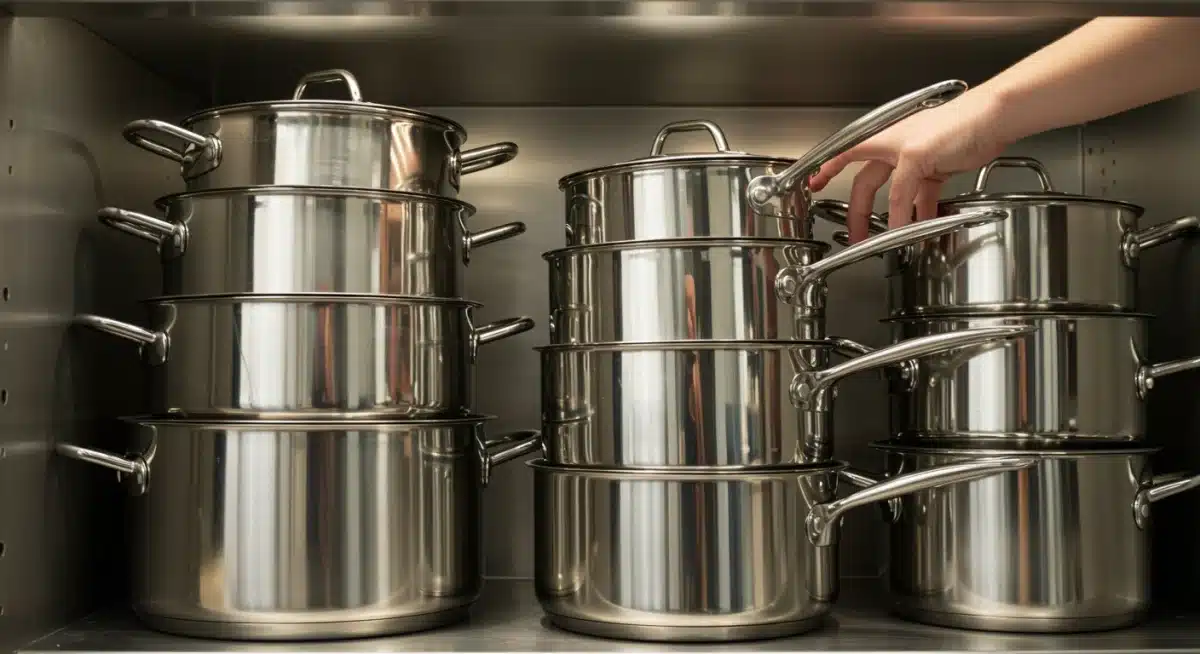
Proper storage prevents chips, scratches, and dents. Stack pans with care, using pan protectors or soft cloths between them, especially for non-stick or enamel-coated items. Hanging pots and pans is an excellent way to prevent damage and keep them accessible.
By paying attention to these factors, you can significantly extend the lifespan of your chosen durable cookware materials, ensuring they remain functional and beautiful for a decade or more.
Investing in Your Kitchen’s Future: Making the Right Choice
Choosing durable cookware materials is a significant decision that impacts your daily cooking experience, your wallet, and even your health. As we’ve explored, each material offers a unique set of advantages and disadvantages, catering to different cooking styles, preferences, and budgets. The ‘best’ material isn’t universal; it’s the one that best suits your specific needs and commitment to care.
For unparalleled longevity and rugged performance, cast iron cookware remains a gold standard. Its ability to last for generations, coupled with its natural non-stick properties and excellent heat retention, makes it a timeless investment. However, its weight and specific maintenance requirements might not appeal to everyone.
Stainless steel cookware, especially multi-clad varieties, offers a fantastic balance of durability, versatility, and ease of maintenance. It’s non-reactive, easy to clean, and robust enough for daily use in any busy kitchen, making it a smart choice for a long-term collection.
Ceramic non-stick options provide a healthier, convenient non-stick surface, but their long-term durability, particularly of the coating, requires careful consideration and use. They can be excellent for specific tasks but might need to be replaced more frequently than cast iron or stainless steel.
Copper cookware, with its exceptional heat conductivity and aesthetic appeal, is a premium choice for those who demand ultimate precision and are prepared for its higher cost and specific care needs.
Ultimately, a well-equipped kitchen often benefits from a mix of cookware collection. You might find a cast iron skillet indispensable for searing, a set of stainless steel pots for everyday cooking, and a ceramic non-stick pan for delicate items like eggs. The key is to understand the strengths and weaknesses of each material and choose pieces that align with your cooking habits and commitment to proper care.
Remember, the year 2026 brings with it an expectation of quality and sustainability. By prioritizing durable cookware materials, you’re not just buying pots and pans; you’re investing in a future of delicious meals, effortless cooking, and a kitchen that stands the test of time. Make your choices wisely, care for your tools diligently, and enjoy the fruits of a well-appointed kitchen for many years to come.