The 2026 Guide to Vacuum Sealers: Preserving Food Freshness for 3-5 Times Longer
Anúncios
The 2026 Guide to Vacuum Sealers: Preserving Food Freshness for 3-5 Times Longer
In a world increasingly focused on sustainability, efficiency, and smart living, the kitchen has become a hub for innovation. Among the many appliances designed to make our lives easier and our food last longer, the vacuum sealer stands out as a true game-changer. If you’re looking to revolutionize your food storage, reduce waste, and save a significant amount of money on groceries, then understanding the power of a vacuum sealer is your next step. Welcome to the definitive vacuum sealer guide for 2026, packed with everything you need to know to harness this incredible technology.
Anúncios
Why a Vacuum Sealer is an Indispensable Kitchen Appliance in 2026
Food waste is a global crisis, with millions of tons of edible food discarded annually. For the average household, this translates to significant financial losses and an environmental burden. This is where a vacuum sealer steps in, offering a simple yet profoundly effective solution. By removing air from food storage bags or containers, vacuum sealers prevent oxidation, inhibit the growth of mold and bacteria, and drastically slow down the spoilage process. The result? Food that stays fresh, flavorful, and nutritious for 3 to 5 times longer than traditional storage methods.
Anúncios
The Science Behind Extended Freshness
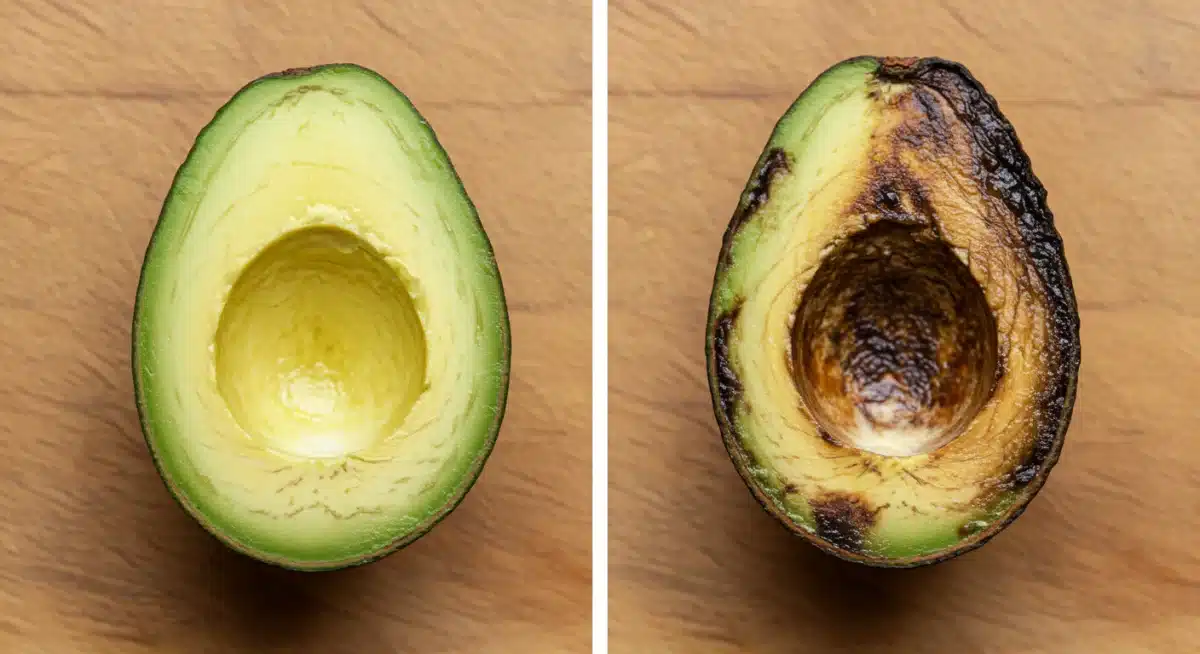
At its core, food spoilage is primarily caused by two factors: air (specifically oxygen) and moisture. Oxygen reacts with food, leading to oxidation, which causes discoloration, changes in flavor, and nutrient degradation. It also provides the ideal environment for aerobic bacteria and molds to thrive. Traditional storage methods, like plastic wrap or zip-top bags, trap air with the food, accelerating this process.
A vacuum sealer works by extracting nearly all the air from a specially designed bag or container before sealing it airtight. This creates a low-oxygen, low-moisture environment that significantly slows down the chemical and biological processes responsible for spoilage. For example:
- Meats: Vacuum-sealed raw meats can last for weeks in the refrigerator and years in the freezer without freezer burn, compared to a few days or months respectively.
- Fruits & Vegetables: Fresh produce, which typically lasts days, can be extended to weeks.
- Dry Goods: Grains, pasta, coffee, and nuts remain fresh for much longer, protecting against staleness and pantry pests.
- Leftovers & Meal Prep: Enjoy your prepared meals for longer, making meal planning more efficient and reducing last-minute cooking stress.
Key Benefits of Integrating a Vacuum Sealer into Your Lifestyle
Beyond simply extending shelf life, the advantages of owning a vacuum sealer are numerous and far-reaching, impacting your budget, health, and culinary adventures.
1. Significant Cost Savings
One of the most compelling reasons to invest in a vacuum sealer is the financial benefit. By preventing food spoilage, you reduce the amount of food you throw away. This means:
- Less Waste: You’ll buy less often and use more of what you purchase.
- Bulk Buying: Take advantage of sales on perishable items or buy in bulk without worrying about spoilage. You can portion out larger quantities of meat, cheese, or produce and seal them for future use.
- Meal Planning Efficiency: Prepare meals or ingredients in advance, saving time and money on takeout.
2. Enhanced Food Quality and Flavor
Vacuum sealing locks in freshness, flavor, and nutrients. When food is exposed to air, it loses moisture, leading to freezer burn and a loss of taste. Vacuum-sealed food retains its original texture and taste, making every meal more enjoyable.
- No Freezer Burn: The bane of frozen food, freezer burn is entirely prevented because there’s no air to cause dehydration.
- Retained Nutrients: By minimizing oxidation, essential vitamins and minerals are better preserved.
- Marination Acceleration: Vacuum sealing opens the pores of food, allowing marinades to penetrate deeper and faster, resulting in more flavorful dishes in less time.
3. Healthier Eating Habits
With a vacuum sealer, meal prepping becomes incredibly easy and effective. You can prepare healthy, portion-controlled meals for the entire week, making it simpler to stick to dietary goals and avoid unhealthy last-minute food choices. It also encourages cooking from scratch with fresh ingredients, rather than relying on processed foods.
4. Organization and Space Saving
Vacuum-sealed bags are compact and flexible, taking up less space in your refrigerator, freezer, or pantry. This allows for better organization and maximizes your storage capacity. No more bulky containers or awkwardly shaped packages!
5. Versatility in the Kitchen
Beyond basic food storage, vacuum sealers have a myriad of uses:
- Sous Vide Cooking: Essential for sous vide, vacuum sealing ensures even cooking and infusion of flavors.
- Protecting Non-Food Items: Keep important documents, jewelry, or emergency supplies safe from moisture and oxidation.
- Camping & Hiking: Keep matches dry, protect electronics, or pre-portion trail mix.
Types of Vacuum Sealers: Finding Your Perfect Match
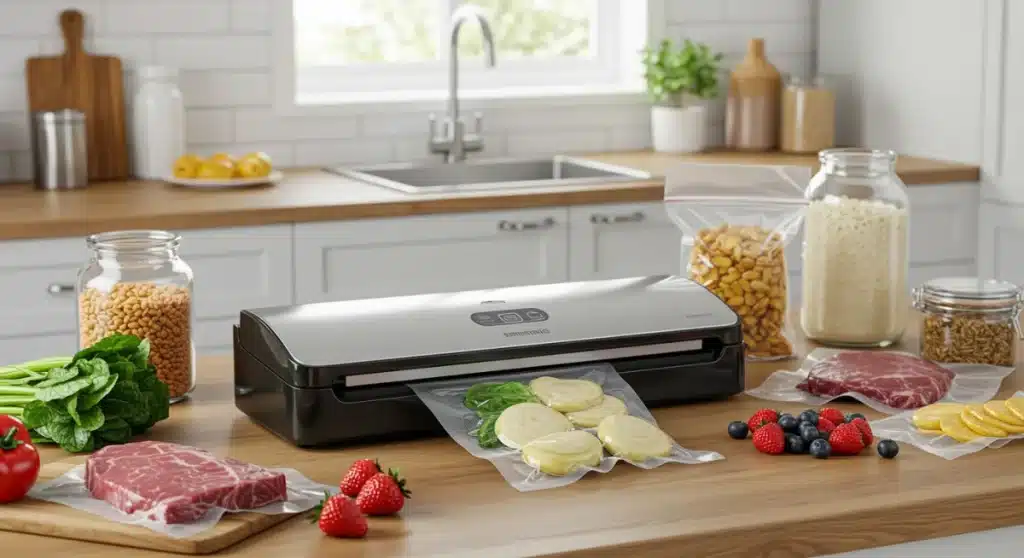
The market for vacuum sealers has expanded significantly, offering various models to suit different needs and budgets. Understanding the main types will help you choose the best vacuum sealer guide for your lifestyle.
1. External Vacuum Sealers (Edge Sealers)
These are the most common and affordable type, popular for home use. They work by placing the open end of a textured bag into the machine’s sealing channel. The machine then sucks the air out and heat-seals the bag shut. They are great for sealing dry goods, small cuts of meat, and individual portions.
- Pros: Affordable, compact, easy to use, wide variety of models.
- Cons: Not ideal for liquids or very moist foods (unless frozen first or using specific accessories), require textured bags.
- Ideal For: Most home kitchens, occasional to moderate use, bulk buying, meal prep.
2. Chamber Vacuum Sealers
Chamber sealers are typically larger, more expensive, and often found in commercial kitchens, though smaller models are becoming available for serious home cooks. With a chamber sealer, the entire bag (or container) is placed inside a chamber, the lid is closed, and the air is removed from the entire chamber. This allows for sealing liquids, soups, sauces, and delicate items without crushing them, as the pressure inside and outside the bag equalizes.
- Pros: Can seal liquids and moist foods directly, use less expensive smooth bags, more powerful and durable.
- Cons: Significantly more expensive, larger footprint, heavier.
- Ideal For: Avid home cooks, large families, hunters/anglers, those who frequently seal liquids or delicate items.
3. Handheld Vacuum Sealers (Cordless)
These compact, battery-operated devices are designed for quick, on-the-go sealing of specific zipper-top bags or containers with a vacuum port. They are not as powerful as external or chamber sealers but are excellent for daily use, sealing leftovers, or marinating small items.
- Pros: Portable, convenient, often rechargeable, good for quick seals.
- Cons: Less powerful vacuum, limited to specific bags/containers, not suitable for large-scale sealing.
- Ideal For: Everyday leftovers, snacks, travel, small items, supplementing a larger sealer.
Essential Features to Look for in a 2026 Vacuum Sealer
When consulting this vacuum sealer guide to make a purchase, consider these features to ensure you get the best appliance for your needs:
1. Suction Power and Sealing Strength
A powerful motor and strong vacuum pump are crucial for effective air removal. Look for models with at least -0.8 bar of suction pressure. The sealing bar should create a consistent, wide, and durable seal to prevent air leakage.
2. Moist/Dry Food Settings
Many modern external vacuum sealers now offer settings for ‘moist’ and ‘dry’ foods. The ‘moist’ setting often uses a slightly longer or cooler sealing time to ensure a good seal without burning the bag or pulling excess liquid into the sealing area. This is a highly recommended feature for versatility.
3. Pulse Function
This allows you to manually control the vacuum process, stopping it at any point before the automatic seal. It’s invaluable for sealing delicate items like bread, chips, or berries, preventing them from being crushed.
4. Accessory Port and Hose
An accessory port allows you to attach a hose to vacuum seal containers, jars, and wine stoppers. This expands the utility of your sealer beyond just bags, making it a more versatile food preservation system.
5. Bag Storage and Cutter
Some models integrate a roll storage compartment and a built-in bag cutter. This makes it incredibly convenient to cut custom-sized bags from a roll, reducing waste and clutter.
6. Ease of Cleaning
Look for models with a removable drip tray or a wide sealing channel that is easy to wipe clean. Food residue can compromise seals and hygiene.
7. Noise Level
While vacuum sealers are not silent, some are significantly louder than others. If you plan on frequent use, a quieter model might be preferable.
8. Durability and Build Quality
Stainless steel construction tends to be more durable and easier to clean than plastic. Read reviews to gauge the overall build quality and longevity of the appliance.
Mastering the Art of Vacuum Sealing: Tips and Best Practices
Even with the best vacuum sealer, proper technique is key to maximizing its benefits. Follow these tips from our vacuum sealer guide for optimal results:
1. Choose the Right Bags and Containers
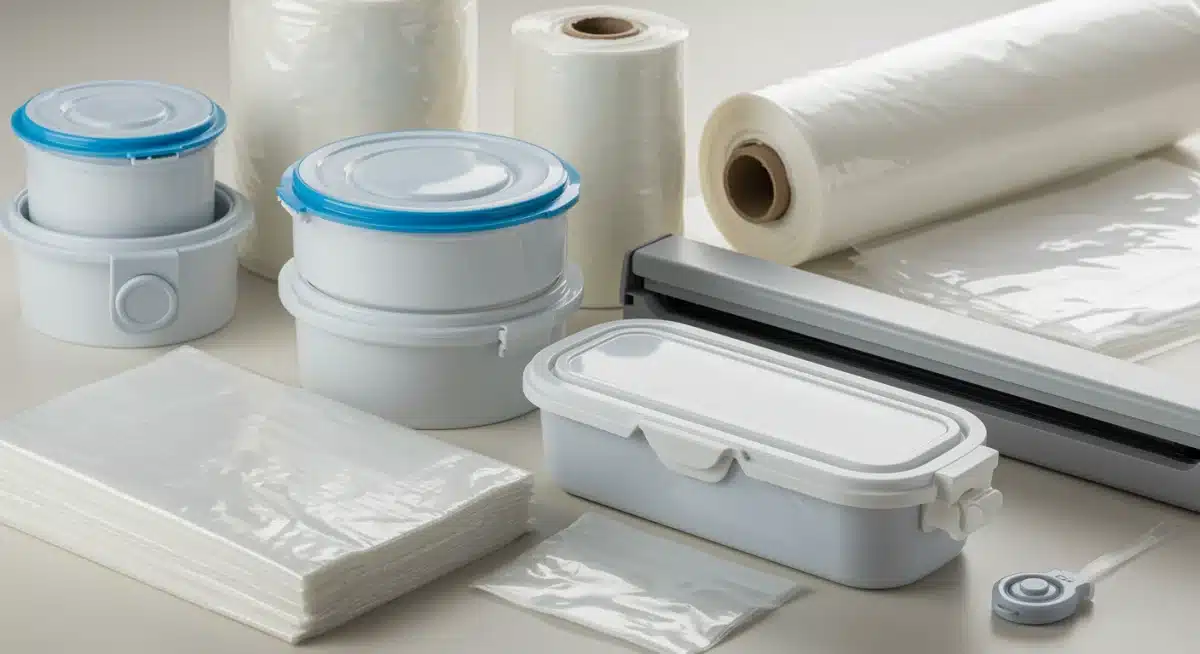
Not all plastic bags are created equal. Vacuum sealer bags are specifically designed with a textured surface (for external sealers) to allow air to be drawn out efficiently. They are also thicker and more puncture-resistant than regular freezer bags. Ensure your bags are BPA-free and food-safe.
2. Pre-Freeze Liquids and Moist Foods
For external sealers, trying to vacuum seal liquids or very moist foods can draw moisture into the sealing channel, leading to a weak seal or damaging the machine. A simple trick is to pre-freeze these items in a container until solid or semi-solid, then vacuum seal them. For soups or sauces, freeze them in ice cube trays or a freezer-safe container, then transfer the solid blocks to a vacuum bag.
3. Leave Enough Headroom
Always leave at least 2-3 inches of space between the food and the top of the bag. This ensures a clean, strong seal and prevents food from being sucked into the sealing area.
4. Keep the Sealing Area Clean and Dry
Any moisture, crumbs, or grease on the inside of the bag where the seal will be made can compromise the airtight seal. Wipe the area clean and dry before sealing.
5. Avoid Overfilling Bags
Overfilling can make it difficult to get a good vacuum and seal. Portion food into appropriate sizes that fit comfortably in the bag.
6. Label Everything
It’s easy to forget what’s in a sealed bag or when it was sealed. Use a permanent marker to label bags with the contents and date. This helps with inventory management and ensures you use food before it eventually expires.
7. Consider Reusable Containers for Frequent Access
For items you access frequently, like deli meats, cheeses, or coffee beans, vacuum sealable containers with an accessory hose are a fantastic option. You can re-seal them multiple times without needing a new bag.
8. Blanch Vegetables Before Freezing
For many vegetables, blanching (briefly boiling then plunging into ice water) before vacuum sealing and freezing helps preserve their color, texture, and nutrients, and deactivates enzymes that cause spoilage.
Beyond Food: Creative Uses for Your Vacuum Sealer
A vacuum sealer is not just for the kitchen. Its ability to create an airtight, waterproof seal makes it incredibly useful for a variety of non-food applications:
1. Protecting Valuables and Documents
Safeguard important papers, photographs, passports, or small electronics from water damage, humidity, and oxidation. Ideal for long-term storage or emergency kits.
2. Organizing and Protecting Camping Gear
Keep matches, first-aid supplies, maps, and even extra clothing dry and compact when camping, hiking, or boating. Vacuum sealing can drastically reduce the volume of soft goods.
3. Storing Silverware and Jewelry
Prevent tarnishing of silver jewelry and silverware by vacuum sealing them, removing the oxygen that causes oxidation.
4. Protecting Ammunition and Firearms
For enthusiasts, vacuum sealing ammunition can protect it from moisture and extend its shelf life. Always ensure safety guidelines are followed.
5. Craft and Hobby Supplies
Keep beads, sequins, fabric pieces, or other craft supplies organized and protected from dust and moisture.
The Future of Food Preservation: What to Expect in 2026 and Beyond
As technology continues to evolve, so too do kitchen appliances. The vacuum sealer guide of 2026 highlights innovations that are making these devices even more user-friendly and efficient:
- Smarter Integration: Expect more vacuum sealers to integrate with smart home systems and apps, offering tracking of sealed items, expiration reminders, and even recipe suggestions based on your preserved ingredients.
- Enhanced Sustainability: Manufacturers are increasingly focusing on eco-friendly materials for bags and reusable container systems, reducing plastic waste.
- Improved Automation: Advanced sensors and AI will lead to even more precise vacuuming and sealing, automatically adjusting for food type and moisture content.
- Quieter Operation: Ongoing advancements in motor design will result in significantly quieter vacuum sealers, making them less disruptive in the kitchen.
- Modular Designs: More compact and modular designs will allow for easier storage and customization with various accessories.
Common Misconceptions About Vacuum Sealers
Despite their benefits, some myths about vacuum sealers persist. Let’s clear them up:
Myth 1: Vacuum Sealing Makes Food Last Forever.
Reality: While it significantly extends shelf life (3-5 times longer), it doesn’t stop the clock entirely. Perishable foods still need to be refrigerated or frozen, and even dry goods have a limit. It slows down spoilage, it doesn’t eliminate it.
Myth 2: You Can Vacuum Seal Anything.
Reality: Not quite. Some foods, like raw garlic or soft cheeses, can create an anaerobic environment when vacuum sealed, which can promote the growth of dangerous bacteria like botulism if not handled properly. Always follow food safety guidelines. Also, delicate items may need a pulse function or to be pre-frozen to prevent crushing.
Myth 3: All Vacuum Sealer Bags are the Same.
Reality: As mentioned, bags for external sealers are textured, while chamber sealers use smooth bags. Furthermore, quality varies. Invest in good quality, BPA-free bags designed for vacuum sealing to ensure optimal performance and safety.
Myth 4: Vacuum Sealers Are Only for Bulk Buyers.
Reality: While excellent for bulk purchases, vacuum sealers are equally valuable for everyday meal prep, preserving leftovers, extending the life of fresh produce, and even keeping snacks fresh. They benefit any household looking to reduce waste and save money.
Conclusion: Embrace the Future of Freshness with a Vacuum Sealer
The 2026 vacuum sealer guide confirms that this appliance is far more than a kitchen gadget; it’s an investment in your home’s economy, your health, and your culinary efficiency. By understanding the different types, features, and best practices, you can choose the perfect vacuum sealer to meet your needs and unlock a world of extended freshness, reduced waste, and enhanced flavor.
Whether you’re a seasoned chef, a busy parent, or simply someone looking to make smarter choices about food, a vacuum sealer offers tangible benefits that quickly outweigh its initial cost. Say goodbye to food waste and hello to a more organized, economical, and delicious kitchen. Make 2026 the year you master the art of food preservation with your very own vacuum sealer!