Mastering New Mexico Green Chile Roasting: Optimal Flavor 2026
Anúncios
Welcome, chile enthusiasts, to the definitive guide for mastering Green Chile Roasting Guide in 2026! Few culinary experiences capture the essence of a region quite like the aroma of freshly roasted New Mexico green chiles. This annual tradition, deeply embedded in the culture of the American Southwest, transforms humble green pods into smoky, sweet, and spicy treasures. Whether you’re a seasoned aficionado or a curious newcomer, understanding the nuances of proper chile roasting is crucial for unlocking their optimal flavor potential. This comprehensive guide will delve into every aspect of green chile roasting, from selecting the perfect pods to advanced storage techniques, ensuring your 2026 harvest is nothing short of spectacular.
Anúncios
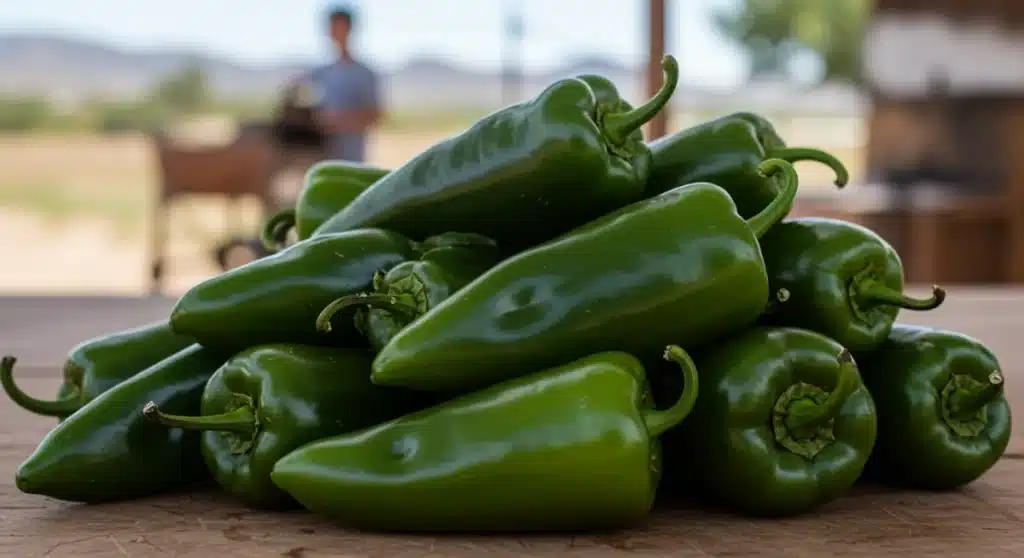
The journey to perfect roasted green chile begins long before the heat is applied. It starts with an appreciation for the chile itself, particularly the world-renowned Hatch green chile, which hails from the Hatch Valley of New Mexico. These chiles are celebrated for their unique balance of heat and flavor, ranging from mild to extra-hot, and possess a distinct earthy sweetness that intensifies with roasting. Our Green Chile Roasting Guide will equip you with the knowledge to identify the best chiles, choose the right roasting method for your needs, and preserve their incredible taste for months to come. So, prepare your senses, because we’re about to embark on a flavorful adventure that will elevate your cooking and perhaps even your soul.
Anúncios
Understanding the New Mexico Green Chile: A Culinary Treasure
Before we dive into the roasting process, it’s essential to understand what makes New Mexico green chiles so special. While many varieties of green chiles exist, those grown in New Mexico, particularly in the Hatch Valley, are a breed apart. The unique soil composition, high desert climate, and specific irrigation practices contribute to a flavor profile that cannot be replicated elsewhere. This terroir gives New Mexico green chiles their signature smoky, sweet, and sometimes fiery characteristics. When discussing a comprehensive Green Chile Roasting Guide, it’s paramount to acknowledge the origin and quality of the raw ingredient.
Varieties and Heat Levels
New Mexico green chiles come in several varieties, each offering a different heat level and subtle flavor nuances:
- Mild (e.g., NuMex Big Jim): Large, fleshy, and perfect for those who enjoy the flavor without much heat.
- Medium (e.g., Joe Parker, NuMex 6-4): A good all-rounder, offering a noticeable but not overwhelming kick.
- Hot (e.g., Sandia, Española Improved): For those who like a good amount of spice, these varieties deliver a satisfying burn.
- Extra Hot (e.g., Lumbre): For the truly adventurous, these chiles pack a serious punch.
When you’re looking for the best chiles for your Green Chile Roasting Guide adventure, consider your preferred heat level and culinary applications. A good mix often provides versatility in the kitchen.
Selecting the Best Chiles for Roasting
The quality of your roasted chile is directly proportional to the quality of the fresh chile you start with. Here’s what to look for:
- Firmness: Chiles should be firm to the touch, indicating freshness. Avoid soft or wrinkled chiles.
- Color: Look for a vibrant green color. A slight red blush is acceptable, especially later in the season, as it indicates ripening.
- Absence of Blemishes: Avoid chiles with significant cuts, bruises, or mold. Small imperfections are usually fine, but large damaged areas can affect flavor and storage.
- Size: While not directly related to flavor, larger chiles are generally easier to handle and peel after roasting.
Visiting a local farmer’s market or a dedicated chile vendor during peak season (late summer to early fall) is often the best way to get the freshest and highest quality New Mexico green chiles for your Green Chile Roasting Guide endeavors.
The Science of Roasting: Why It Matters for Flavor
Roasting green chiles isn’t just about cooking them; it’s a transformative process that enhances their flavor profile in multiple ways. This section of our Green Chile Roasting Guide explores the science behind why roasting is so crucial.
Flavor Development Through Maillard Reaction and Caramelization
When chiles are exposed to high heat, two primary chemical reactions occur that are responsible for the incredible flavors we associate with roasted green chile:
- Maillard Reaction: This complex chemical reaction between amino acids and reducing sugars gives roasted foods their distinctive savory, ‘umami’ flavors and browned appearance. It creates hundreds of new flavor compounds, adding depth and complexity to the chile.
- Caramelization: The natural sugars present in the chile begin to caramelize under high heat, leading to sweet, nutty, and slightly bitter notes. This balances the chile’s inherent earthiness and heat, creating a more rounded flavor.
These reactions are precisely why a raw green chile tastes vastly different from its roasted counterpart. The smoky char from roasting also imparts an additional layer of flavor that is highly prized.
Softening and Ease of Peeling
Beyond flavor, roasting serves a practical purpose: it softens the chile’s flesh and, most importantly, loosens its tough outer skin. The skin of a raw green chile is fibrous and not palatable. The intense heat causes the skin to blister and separate from the flesh, making it incredibly easy to peel once the chile has cooled. This step is fundamental to enjoying the tender, flavorful interior of the chile, and a key part of any good Green Chile Roasting Guide.
Aroma Release
The moment chiles start to roast, an intoxicating aroma fills the air. This is due to the release of volatile compounds within the chile that are trapped when raw. Roasting breaks down cell walls, allowing these aromatic compounds to escape and mingle, creating the signature scent that heralds the start of chile season in New Mexico.
Roasting Methods: Choosing Your Technique
There are several effective methods for roasting green chiles, each with its own advantages and disadvantages. The best method for you will depend on the quantity of chiles you’re roasting, the equipment you have available, and your personal preference for char level. This section of our Green Chile Roasting Guide will outline the most popular techniques.
1. Commercial Roasters (The Traditional Method)
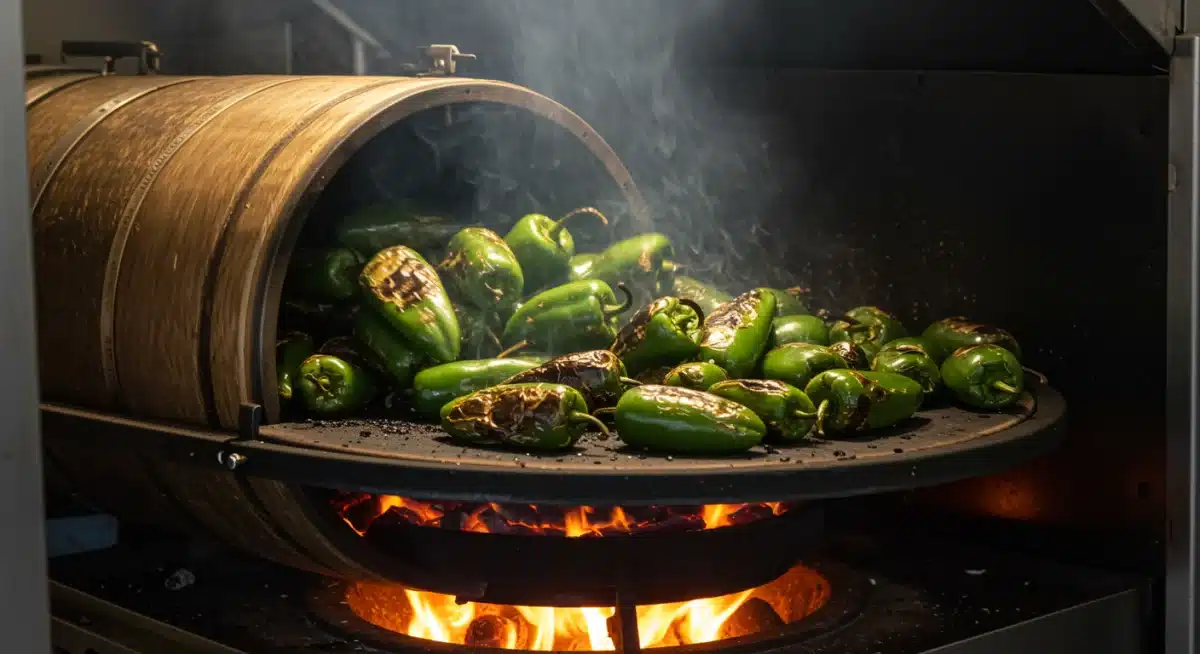
For large quantities of chiles, nothing beats a commercial-grade rotating chile roaster. These propane-fired drums tumble hundreds of pounds of chiles over open flames, providing an even char and an unparalleled smoky flavor. This is the iconic image of chile season in New Mexico.
- Pros: Excellent smoky flavor, efficient for large batches, even charring.
- Cons: Requires specialized equipment, often done by professionals or at community events.
- When to use: If you’re buying bushels of chiles, find a local store or farmer that offers this service. It’s an experience in itself!
2. Gas Grill Roasting (Home Favorite)
A gas grill is an excellent option for home roasting, especially for medium to large batches. The open flame provides good charring and a decent smoky flavor.
- Setup: Preheat your grill to high heat (400-500°F or 200-260°C). Place chiles directly on the grates.
- Process: Turn chiles every few minutes with tongs until the skin is evenly blistered and charred on all sides. This usually takes 8-15 minutes.
- Pros: Good smoky flavor, relatively quick, easy cleanup if using a grill basket.
- Cons: Can be uneven if not watched closely, requires outdoor space.
3. Broiler Roasting (Indoor Option)
If you don’t have an outdoor grill, your oven’s broiler is a fantastic indoor alternative for smaller batches.
- Setup: Position an oven rack about 4-6 inches from the broiler element. Line a baking sheet with foil (for easier cleanup) and place chiles in a single layer.
- Process: Broil on high, turning every 3-5 minutes, until skins are blistered and charred. This typically takes 10-20 minutes.
- Pros: Convenient for small batches, no outdoor equipment needed.
- Cons: Less smoky flavor than open flame, can burn quickly if not monitored.
4. Open Flame/Gas Burner (Small Batch Perfection)
For just a few chiles, roasting directly over a gas burner on your stovetop is a quick and effective method.
- Setup: Place chiles directly over a medium-high gas flame.
- Process: Use tongs to turn the chiles frequently until the skin is blackened and blistered on all sides. This is very fast, usually 5-10 minutes.
- Pros: Quick, intense char, great smoky flavor.
- Cons: Only suitable for very small quantities, can be messy.
5. Air Fryer Roasting (Modern and Efficient)
A newer method gaining popularity for its convenience and efficiency for small to medium batches is the air fryer.
- Setup: Preheat air fryer to 400°F (200°C). Lightly oil chiles.
- Process: Place chiles in a single layer in the air fryer basket. Cook for 15-20 minutes, shaking the basket or turning chiles halfway through, until skins are blistered and charred.
- Pros: Very convenient, minimal mess, good char.
- Cons: Limited capacity, less smoky flavor than open flame methods.
No matter which method you choose, the goal is to achieve a nice, even char on the skin without overcooking the flesh. This balance is key to a superior Green Chile Roasting Guide outcome.
Post-Roasting Care: Steaming and Peeling
Once your chiles are perfectly charred, the work isn’t over. The post-roasting process is just as critical for achieving tender, easy-to-peel chiles with optimal flavor. This section of our Green Chile Roasting Guide focuses on the crucial steps of steaming and peeling.
The Importance of Steaming
Immediately after roasting, it’s vital to place the hot chiles into a sealed environment to steam. This step is non-negotiable for easy peeling.
- Why it works: The residual heat from the chiles, combined with the moisture trapped in the sealed container, creates steam. This steam continues to cook the chiles gently, softening the flesh further, and more importantly, causes the charred skin to loosen and separate from the tender interior.
- Methods for Steaming:
- Paper Bag: A classic and effective method. Place hot chiles into a sturdy brown paper bag, fold it closed, and let them steam for 15-20 minutes.
- Plastic Bag: A heavy-duty freezer bag or grocery bag works well. Ensure it’s sealed tightly.
- Covered Bowl: Place chiles in a heat-proof bowl and cover tightly with plastic wrap or a plate.
- Cooler: For very large batches, an insulated cooler can act as a giant steaming chamber.
Allow the chiles to steam until they are cool enough to handle, typically 15-30 minutes. Resist the urge to rush this step, as inadequate steaming will make peeling much more difficult.
The Art of Peeling
Once steamed and cooled, peeling your chiles becomes a much easier task. While some people prefer to rinse chiles under water to remove skin, this is generally discouraged as it can wash away some of the delicious smoky flavor. Our Green Chile Roasting Guide recommends dry peeling for the best results.
- Tools: Your hands are usually the best tools. You might also find a small paring knife helpful for stubborn bits.
- Process:
- Hold a chile by the stem.
- Gently rub and pull the blackened skin away from the flesh. It should come off in large pieces.
- Remove the stem.
- Carefully slit the chile lengthwise and open it up.
- Scrape out the seeds and membranes. The amount of seeds you remove depends on your preference for heat; leaving some in will result in a spicier chile.
- Gloves: Always wear gloves (latex, nitrile, or even plastic food service gloves) when handling and peeling chiles, especially hotter varieties. The capsaicin oil can cause severe skin irritation and burning if it gets into your eyes or other sensitive areas.
Don’t worry about getting every tiny speck of char off; a few small charred bits add to the authentic flavor. Once peeled and deseeded, your chiles are ready for immediate use or storage.
Storing Your Roasted Green Chiles for Longevity
One of the greatest joys of roasting a large batch of green chiles is having them on hand throughout the year. Proper storage is crucial to maintain their flavor and freshness. This section of our Green Chile Roasting Guide provides the best practices for preserving your chile bounty.
Freezing: The Gold Standard for Storage
Freezing is by far the most recommended method for long-term storage of roasted green chiles. It preserves their flavor, texture, and nutritional value remarkably well.
- Preparation: After peeling and deseeding, you can freeze chiles whole, chopped, or diced, depending on how you plan to use them.
- Packaging Options:
- Freezer Bags: Place individual chiles or measured portions into heavy-duty freezer bags. Press out as much air as possible before sealing. Lay bags flat to freeze for easy stacking.
- Vacuum Sealing: This is the absolute best method for preventing freezer burn and extending shelf life. Vacuum-sealed chiles can last for well over a year.
- Freezer-Safe Containers: For chopped chiles, sturdy freezer containers work well.
- Labeling: Always label your bags or containers with the date of roasting and the heat level (mild, medium, hot) if you roasted different varieties.
- Thawing: Chiles can often be used directly from frozen in cooked dishes. For recipes requiring thawed chiles, simply let them defrost in the refrigerator for a few hours.
When properly frozen, roasted green chiles can last for 8-12 months, and even longer if vacuum-sealed, ensuring you have a taste of New Mexico all year round. This is a critical component of any effective Green Chile Roasting Guide.
Refrigeration (Short-Term)
For chiles you plan to use within a few days, refrigeration is suitable.
- Storage: Place peeled and deseeded chiles in an airtight container or bag in the refrigerator.
- Shelf Life: Roasted green chiles will last for about 5-7 days in the refrigerator.
Other Preservation Methods (Less Common for Green Chiles)
- Canning: While possible, canning green chiles is more complex and can alter their texture significantly. It’s generally not recommended for optimal flavor compared to freezing.
- Dehydrating: Dehydrating roasted green chiles is an option, but it changes their texture and rehydration can be challenging. It’s more common for red chiles.
Stick to freezing for the best results when it comes to preserving the authentic taste and texture of your roasted New Mexico green chiles.
Culinary Applications: Enjoying Your Roasted Green Chiles
Now that you’ve mastered the art of roasting and storage, it’s time for the most exciting part: enjoying your delicious New Mexico green chiles! The versatility of roasted green chile is astounding, making it a staple in countless dishes. This section of our Green Chile Roasting Guide will inspire you with a myriad of culinary uses.
Classic New Mexico Dishes
These are the dishes where roasted green chile truly shines:
- Green Chile Stew: A hearty, comforting stew typically made with pork, potatoes, and plenty of green chile.
- Green Chile Cheeseburgers: An iconic New Mexico creation, featuring a juicy burger topped with melted cheese and a generous helping of chopped green chile.
- Breakfast Burritos: Scrambled eggs, potatoes, cheese, and green chile wrapped in a warm tortilla – a perfect start to any day.
- Enchiladas: Layered tortillas with cheese, meat (optional), and smothered in a rich green chile sauce.
- Posole: A traditional hominy-based stew, often made with pork and green chile.
Everyday Enhancements
Don’t limit green chile to just New Mexican cuisine. It can elevate almost any dish:
- Eggs: Stir into scrambled eggs, omelets, or frittatas.
- Sandwiches and Wraps: Add a layer of chopped chile for a spicy kick.
- Soups and Chili: Boost the flavor profile of any soup or chili recipe.
- Dips and Spreads: Blend into cream cheese, sour cream, or hummus for a flavorful dip.
- Pizza Topping: A surprisingly delicious addition to your favorite pizza.
- Cornbread or Biscuits: Fold chopped green chile and cheese into your batter for a savory baked good.
- Sauces and Marinades: Puree chiles into a vibrant sauce for grilled meats or vegetables.
Tips for Cooking with Roasted Green Chiles
- Adjust Heat: Remember that the heat level can vary even within the same batch. Taste a small piece before adding a large quantity to a dish.
- Defrosting: If using frozen chiles, they can often be added directly to simmering stews or sauces. For finer chopping or raw applications, defrost them in the refrigerator first.
- Seed Removal: If you prefer less heat, be diligent about removing all seeds and membranes during the peeling process.
- Don’t Waste the Char: A little char is good! It adds to the smoky flavor. Don’t feel the need to remove every single black fleck of skin.
The beauty of roasted green chile lies in its versatility. Experiment and find your favorite ways to incorporate this incredible ingredient into your cooking. This Green Chile Roasting Guide aims to inspire you to explore the vast culinary potential of New Mexico’s most beloved crop.
Troubleshooting Common Roasting Problems
Even with the best intentions and a detailed Green Chile Roasting Guide, sometimes things don’t go exactly as planned. Here are some common issues encountered during green chile roasting and how to troubleshoot them:
Problem 1: Chiles Not Charring Evenly
- Cause: Uneven heat distribution, chiles not turned frequently enough, or overcrowding.
- Solution: Ensure your heat source is consistent. For grills and broilers, preheat thoroughly. Turn chiles more frequently to expose all sides to the heat. Avoid overcrowding the cooking surface; roast in smaller batches if necessary to allow air circulation and direct heat exposure.
Problem 2: Chiles Are Cooked But Skin Isn’t Peeling Easily
- Cause: Insufficient steaming time.
- Solution: After roasting, ensure chiles steam for at least 15-20 minutes in a sealed bag or container. If they’re still hot, you can let them steam for longer, up to 30 minutes, or until they’re cool enough to handle. The steam is crucial for loosening the skin.
Problem 3: Chiles Are Mushy After Roasting
- Cause: Overcooking during the roasting process.
- Solution: The goal is to char the skin, not to fully cook the flesh until it’s soft. Roasting times vary by method and chile size, but generally, you want to remove them once the skin is blistered and charred, but the chile still has some firmness. The steaming process will finish cooking them gently. Reduce roasting time in subsequent batches.
Problem 4: Too Much Smoky Flavor (or not enough)
- Cause (Too Much): Over-charring, or using a method with very intense smoke.
- Solution (Too Much): Reduce charring time slightly. For indoor methods, ensure good ventilation. If using a grill, try a slightly lower heat or move chiles to a cooler part of the grill once charred.
- Cause (Not Enough): Using indoor methods like broiler or air fryer, or insufficient charring.
- Solution (Not Enough): For more smoky flavor, consider using a gas grill or open flame. Ensure a good char develops on the skin. You can also add a tiny pinch of smoked paprika to dishes if you need to boost the smoky notes.
Problem 5: Hands Burning After Peeling
- Cause: Capsaicin oil from the chiles came into contact with skin.
- Solution: ALWAYS wear gloves when handling and peeling chiles, especially hotter varieties. If you do get capsaicin on your skin, wash immediately with soap and water, or try rubbing with olive oil or milk products, which can help dissolve the capsaicin. Avoid touching your face or eyes.
By being aware of these common pitfalls and their solutions, you can ensure a smoother and more successful green chile roasting experience, making your Green Chile Roasting Guide journey a delicious one.
The Future of Green Chile Roasting: Innovations and Trends for 2026 and Beyond
As we look to 2026 and beyond, the tradition of Green Chile Roasting Guide continues to evolve, incorporating new technologies and sustainable practices while preserving its cherished essence. Innovation is not just about new gadgets; it’s about making the process more accessible, efficient, and environmentally friendly.
Smart Roasting Technology
While traditional commercial roasters remain popular, we might see the emergence of ‘smart’ home roasters or attachments for existing appliances. Imagine an app-controlled outdoor roaster that monitors internal chile temperature and skin char, providing real-time feedback and optimizing the roasting process. Such innovations could take the guesswork out of home roasting, making it easier for novices to achieve perfect results.
Sustainable Sourcing and Organic Chiles
Consumer demand for organic and sustainably sourced produce is growing. In 2026, expect an increased focus on where your green chiles come from, with more farms offering certified organic New Mexico green chiles. This trend supports ecological balance and ensures healthier produce, aligning with a more conscious approach to food preparation, which our Green Chile Roasting Guide fully endorses.
Enhanced Preservation Techniques
Beyond traditional freezing, advancements in food preservation might offer new ways to store roasted chiles. This could include specialized vacuum sealers with advanced oxygen barrier films, or even home-scale freeze-drying units designed for fruits and vegetables, offering an alternative texture and longer shelf life without compromising flavor.
Community Roasting Events and Education
The social aspect of chile roasting is timeless. We anticipate a continued rise in community roasting events, workshops, and educational programs. These gatherings not only provide access to commercial roasters but also serve as hubs for sharing knowledge, recipes, and cultural traditions. Online tutorials and virtual roasting classes, building on the success of digital learning, will further democratize the art of green chile roasting.
Global Culinary Fusion with Green Chile
As New Mexico green chiles gain international recognition, their culinary applications will continue to expand. Expect to see more fusion dishes incorporating roasted green chile into unexpected cuisines, from Asian-inspired stir-fries to European pasta dishes, showcasing its incredible versatility beyond traditional Southwestern fare. This broadening palate means that our Green Chile Roasting Guide will become relevant to an even wider audience of food lovers.
The future of green chile roasting is bright, blending time-honored traditions with modern conveniences and a growing appreciation for sustainable, high-quality ingredients. The core joy of transforming fresh chiles into smoky, flavorful treasures will undoubtedly remain, a culinary ritual that connects us to the land and to each other.
Conclusion: Your Journey to Perfect Green Chile Roasting
Embarking on the journey of Green Chile Roasting Guide is more than just a kitchen task; it’s an immersion into a rich cultural tradition and a celebration of one of the world’s most unique and flavorful ingredients. From selecting the plumpest, freshest New Mexico green chiles to mastering the art of the perfect char, and finally, preserving their smoky essence for year-round enjoyment, every step contributes to a truly rewarding culinary experience.
We’ve covered the essential aspects: understanding the unique qualities of New Mexico green chiles, delving into the science behind their flavor transformation, exploring various roasting methods to suit every need, and providing crucial tips for post-roasting care and long-term storage. We also addressed common troubleshooting scenarios and cast an eye towards the exciting future of green chile roasting in 2026 and beyond.
Remember, practice makes perfect. Don’t be discouraged if your first batch isn’t exactly as you envisioned. Each roasting session offers an opportunity to refine your technique, understand your equipment better, and deepen your appreciation for this incredible pepper. The aroma of roasting chiles is a signal of the season, a call to gather, and a promise of delicious meals to come.
So, get out there, find your chiles, fire up your roaster (or grill, or broiler!), and prepare to fill your home with that unmistakable, intoxicating scent. With this comprehensive Green Chile Roasting Guide in hand, you are well-equipped to achieve optimal flavor and enjoy the bounty of New Mexico green chiles, transforming them into culinary gold that will enhance your dishes and delight your palate throughout the year. Happy roasting, and may your 2026 chile season be the most flavorful yet!