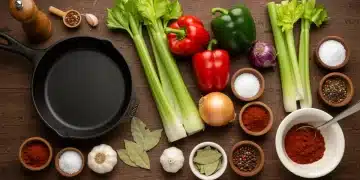
Unveiling the Gullah Geechee Culinary Heritage: 2 Essential Dishes to Master in 2026
The culinary landscape of the American South is a rich tapestry woven with threads of history, culture, and resilience. Among its most vibrant and enduring patterns is the Gullah Geechee Cuisine, a food tradition deeply rooted in the experiences of West and Central Africans brought to the Lowcountry regions of South Carolina, Georgia, Florida, and North Carolina. Their descendants, the Gullah Geechee people, have preserved a unique cultural heritage, and nowhere is this more evident than in their food. This isn’t just about sustenance; it’s about storytelling, community, and an unbreakable link to the past. In 2026, as we continue to appreciate and celebrate diverse culinary traditions, understanding and mastering key Gullah Geechee dishes becomes not only a delightful culinary endeavor but also an act of cultural preservation.
Anúncios
The Gullah Geechee Corridor, a designated National Heritage Area, stretches along the southeastern coast, a testament to the enduring legacy of this community. The isolation of these coastal islands and low-lying areas allowed for the retention of African linguistic patterns, spiritual beliefs, and, crucially, culinary practices. Enslaved Africans, many of whom possessed invaluable agricultural skills, particularly in rice cultivation, transformed the challenging landscapes of the Lowcountry into fertile grounds. Their knowledge of growing, harvesting, and preparing indigenous African crops, combined with local resources, laid the foundation for what we now recognize as Gullah Geechee Cuisine.
This culinary heritage is characterized by its emphasis on fresh, local ingredients – seafood harvested from abundant waters, rice grown in the fertile deltas, and vegetables cultivated in gardens. It is a cuisine of resourcefulness, flavor, and deep historical significance. It’s a testament to the ingenuity and adaptability of a people who, despite immense hardship, created a culinary legacy that continues to nourish and inspire. For anyone looking to truly understand the heart and soul of Southern cooking, an exploration of the Gullah Geechee Cuisine is not just recommended, it’s essential.
Anúncios
The Enduring Legacy of Gullah Geechee Foodways
To truly appreciate the dishes we’re about to explore, it’s vital to grasp the profound historical context of Gullah Geechee Cuisine. The transatlantic slave trade forcibly brought millions of Africans to the Americas, and many ended up in the Lowcountry. These individuals carried with them not only their lives but also their cultural knowledge, including extensive agricultural expertise, particularly with rice. The methods of cooking, seasoning, and preserving food also traveled across the Atlantic. Ingredients such as black-eyed peas, okra, yams, and various leafy greens, all staples in West African diets, found new homes and integrated seamlessly into the Lowcountry environment. The Gullah Geechee people adapted these traditional ingredients and techniques to the local flora and fauna, creating a unique fusion that became their culinary signature. This fusion wasn’t just about taste; it was about survival, community building, and maintaining a connection to their ancestral lands.
The isolation of the barrier islands and coastal communities played a significant role in preserving these traditions. While other African American communities experienced more rapid assimilation of culinary practices, the Gullah Geechee maintained a distinct cultural identity, including their language (Gullah, a creole language) and their foodways. This preservation was a conscious and often subtle act of resistance and cultural affirmation. Every meal prepared, every recipe passed down, was a reaffirmation of their heritage and a celebration of their resilience. Understanding this deep historical and cultural context enriches the experience of tasting Gullah Geechee Cuisine, transforming a meal into a journey through time.
Today, there’s a growing recognition and appreciation for Gullah Geechee culture, spurred by efforts from community leaders, historians, and chefs. This renewed interest helps ensure that these invaluable traditions are not lost but rather celebrated and passed on to future generations. The dishes we will focus on, Shrimp and Grits and Hoppin’ John, are not merely recipes; they are historical documents, living testaments to the ingenuity, spirit, and enduring legacy of the Gullah Geechee people.
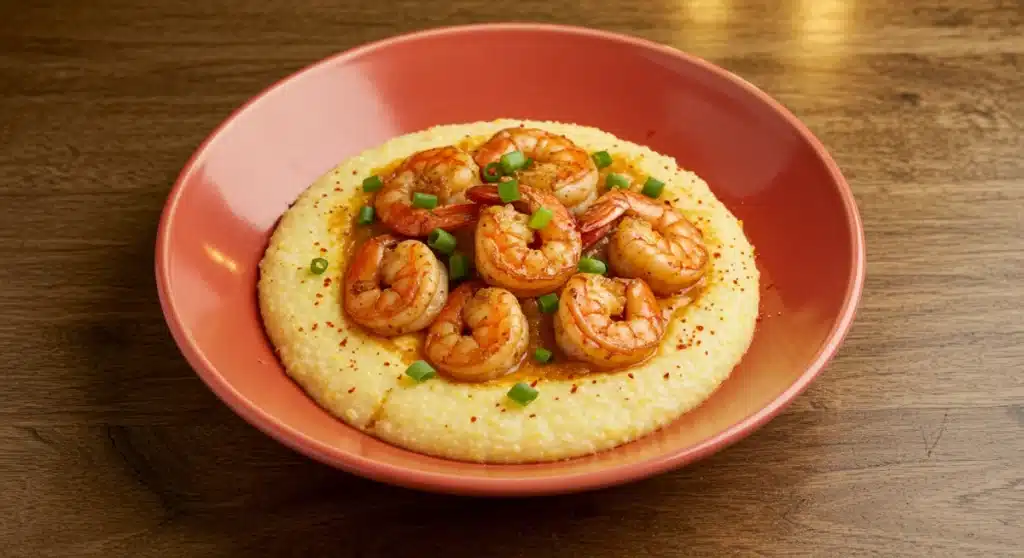
Dish 1: Shrimp and Grits – A Gullah Geechee Staple
The Story Behind the Dish
While Shrimp and Grits has become a beloved Southern brunch staple and a fixture on restaurant menus across the country, its origins are deeply rooted in the practical and flavorful traditions of the Gullah Geechee people. For generations, Gullah Geechee communities, living along the coast and barrier islands, relied heavily on the abundant seafood from their waters and the corn (ground into grits) they cultivated. This dish was not a fancy restaurant creation but a hearty, everyday meal, often served for breakfast, lunch, or dinner, providing sustenance to fishermen as they headed out to sea or returned from a long day’s work.
The simplicity of the original Gullah Geechee Shrimp and Grits belies its incredible depth of flavor. It typically featured freshly caught shrimp, cooked quickly with a few basic seasonings, served over creamy, stone-ground grits. The key was the freshness of the ingredients and the skilled hand of the cook who understood how to coax maximum flavor from minimal fuss. Over time, variations emerged, incorporating ingredients like bacon, sausage, or various vegetables, but the essence – shrimp and grits – remained foundational to Gullah Geechee Cuisine.
Mastering the Gullah Geechee Shrimp and Grits (2026 Recipe)
To truly honor the Gullah Geechee tradition, we focus on fresh ingredients and a balanced approach to flavor. This 2026 recipe aims for authenticity while being accessible to the modern home cook.
Ingredients:
- For the Grits:
- 1 cup high-quality, stone-ground grits (not instant or quick-cooking)
- 4 cups water or chicken/vegetable broth
- 1/2 cup whole milk or heavy cream (optional, for extra creaminess)
- 2 tablespoons unsalted butter
- Salt and freshly ground black pepper to taste
- Pinch of cayenne pepper (optional, for a subtle kick)
- For the Shrimp:
- 1.5 lbs large shrimp, peeled and deveined (fresh is best)
- 2 tablespoons olive oil or bacon fat
- 1 medium onion, finely diced
- 1 bell pepper (any color), finely diced
- 2 cloves garlic, minced
- 1 (14.5 oz) can diced tomatoes, undrained, or 2-3 fresh ripe tomatoes, diced
- 1/2 cup chicken or seafood broth
- 1 teaspoon smoked paprika
- 1/2 teaspoon dried thyme
- Pinch of red pepper flakes (optional, for heat)
- Salt and freshly ground black pepper to taste
- 2 tablespoons fresh parsley, chopped (for garnish)
- 2 tablespoons fresh scallions, chopped (for garnish)
Instructions:
- Prepare the Grits:
- In a medium saucepan, bring water (or broth) and a generous pinch of salt to a boil.
- Slowly whisk in the grits, reducing the heat to low.
- Cover and simmer, stirring frequently (every 5-10 minutes) to prevent sticking, for 30-45 minutes, or until the grits are creamy and tender. Add more liquid if needed.
- Stir in butter, milk/cream (if using), and season with salt, pepper, and cayenne (if desired). Keep warm, covered.
- Prepare the Shrimp:
- Pat the shrimp dry and season lightly with salt and pepper.
- In a large skillet, heat olive oil or bacon fat over medium-high heat.
- Add onion and bell pepper, and cook until softened, about 5-7 minutes.
- Add minced garlic, smoked paprika, dried thyme, and red pepper flakes (if using). Cook for 1 minute until fragrant.
- Stir in diced tomatoes (with their juice) and broth. Bring to a simmer and cook for 5-7 minutes, allowing the flavors to meld and the sauce to thicken slightly.
- Add the seasoned shrimp to the skillet. Cook for 2-3 minutes, stirring occasionally, until the shrimp are pink and opaque. Be careful not to overcook.
- Taste and adjust seasonings as needed.
- Serve:
- Spoon a generous portion of creamy grits into bowls.
- Top with the flavorful shrimp and sauce.
- Garnish with fresh chopped parsley and scallions.
- Serve immediately and savor the rich taste of Gullah Geechee Cuisine.
Tips for Authentic Flavor:
- Quality Grits: This is non-negotiable for authentic Gullah Geechee flavor. Stone-ground grits have a superior texture and corn flavor compared to their instant counterparts.
- Fresh Seafood: If possible, use fresh, local shrimp. The taste difference is significant.
- Don’t Rush: Grits need time to cook low and slow to achieve their creamy texture.
- Seasoning: Don’t be afraid to taste and adjust. The Gullah Geechee tradition emphasizes bold, well-balanced flavors.
Dish 2: Hoppin’ John – A Symbol of Prosperity
The Story Behind the Dish
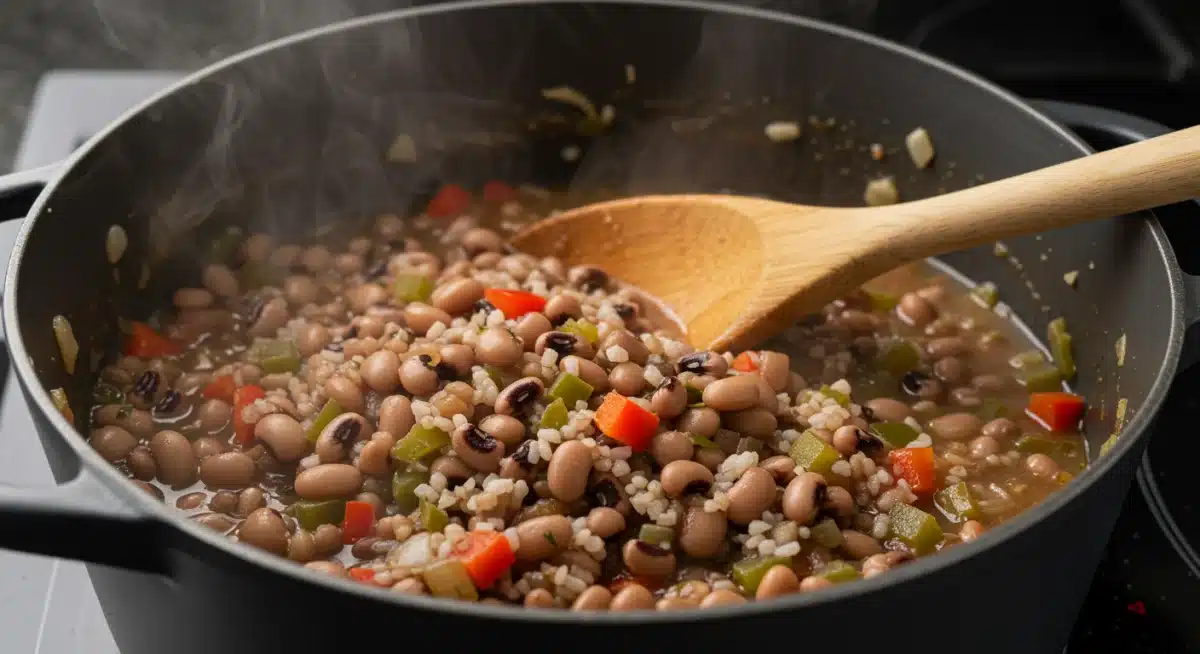
Hoppin’ John is another cornerstone of Gullah Geechee Cuisine, profoundly linked to West African culinary traditions and deeply embedded in Southern New Year’s Day celebrations. The dish, a flavorful combination of black-eyed peas, rice, and often pork (like ham hock or bacon), is traditionally eaten on New Year’s Day to bring good luck and prosperity for the coming year. The black-eyed peas symbolize coins, and the collard greens often served alongside represent paper money.
The origins of Hoppin’ John can be traced back to West Africa, where similar dishes of rice and legumes were common. Enslaved Africans brought these culinary practices with them, adapting them to the ingredients available in the Lowcountry. Black-eyed peas, though not indigenous to the Americas, thrived in the Southern climate and quickly became a staple. The dish’s name itself has various theories – some suggest it comes from children hopping around the table in anticipation, others from a vendor’s call, or even from the Creole French ‘pois pigeons’ (pigeon peas), which could sound like ‘hoppin’ through mispronunciation.
Regardless of the exact etymology, Hoppin’ John became a vital part of Gullah Geechee culture, representing not only a delicious meal but also a powerful symbol of hope, community, and the enduring belief in a better future. It’s a dish that connects generations and reinforces cultural identity, making it an essential part of understanding the breadth of Gullah Geechee Cuisine.
Mastering the Gullah Geechee Hoppin’ John (2026 Recipe)
This recipe aims for a rich, savory, and authentic Hoppin’ John, balancing the earthy notes of black-eyed peas with aromatic vegetables and smoky pork.
Ingredients:
- 1 cup dried black-eyed peas, rinsed and picked over (or 2 cans, 15 oz each, rinsed and drained)
- 4-6 cups water or chicken/vegetable broth
- 1 tablespoon olive oil or bacon fat
- 4 oz smoked ham hock, bacon, or salt pork, diced (optional, but highly recommended for flavor)
- 1 large onion, chopped
- 1 green bell pepper, chopped
- 2 stalks celery, chopped
- 2 cloves garlic, minced
- 1 bay leaf
- 1 teaspoon dried thyme
- 1/2 teaspoon red pepper flakes (optional)
- 1 cup long-grain white rice, rinsed
- Salt and freshly ground black pepper to taste
- Fresh parsley or scallions, chopped (for garnish)
- Hot sauce (for serving, optional)
Instructions:
- Prepare the Black-Eyed Peas (if using dried):
- Soak dried black-eyed peas overnight in plenty of cold water, or use the quick-soak method (bring to a boil for 2 minutes, remove from heat, cover, and let stand for 1 hour).
- Drain and rinse the soaked peas.
- Cook the Pork (if using):
- In a large Dutch oven or heavy-bottomed pot, heat olive oil or bacon fat over medium heat.
- Add the diced ham hock, bacon, or salt pork and cook until crispy and rendered. Remove the meat with a slotted spoon and set aside, leaving the rendered fat in the pot.
- Sauté Aromatics:
- Add chopped onion, bell pepper, and celery to the pot. Cook until softened, about 8-10 minutes.
- Stir in minced garlic, bay leaf, dried thyme, and red pepper flakes (if using). Cook for 1 minute until fragrant.
- Combine and Simmer:
- Add the soaked and drained black-eyed peas (or rinsed canned peas) to the pot.
- Pour in 4 cups of water or broth. Bring to a boil, then reduce heat to low, cover, and simmer for 45-60 minutes, or until the peas are tender. (If using canned peas, simmer for about 20-30 minutes to allow flavors to meld).
- Season with salt and pepper to taste. Remove the bay leaf.
- Add Rice:
- Stir in the rinsed long-grain white rice. If the liquid seems too low, add another 1-2 cups of water or broth, ensuring the rice is submerged.
- Bring back to a gentle simmer, cover, and cook for 15-20 minutes, or until the rice is tender and has absorbed most of the liquid. Avoid stirring too much after adding the rice to prevent it from becoming mushy.
- Finish and Serve:
- Once the rice is cooked, fluff the Hoppin’ John gently with a fork.
- Stir in the reserved cooked pork (if using).
- Taste and adjust seasonings.
- Garnish with fresh parsley or scallions. Serve hot, often with hot sauce and a side of collard greens.
Tips for Authentic Flavor:
- Pork Product: The smoky flavor from ham hock, bacon, or salt pork is crucial for authentic Hoppin’ John. If you prefer a vegetarian version, use smoked paprika and a good vegetable broth for depth.
- Fresh Vegetables: Don’t skimp on the ‘holy trinity’ of onion, bell pepper, and celery. They form the aromatic base.
- Rinsed Rice: Rinsing the rice helps remove excess starch, leading to a less sticky final dish.
- Patience: Allow the flavors to meld. Hoppin’ John often tastes even better the next day!
The Broader Impact of Gullah Geechee Culinary Preservation
The act of learning and cooking Gullah Geechee Cuisine extends far beyond the kitchen. It is an act of cultural acknowledgment and preservation. In an increasingly globalized world, the unique traditions of communities like the Gullah Geechee are invaluable. Their food tells a story of survival, adaptation, and the enduring spirit of a people who transformed adversity into a vibrant cultural legacy. By mastering dishes like Shrimp and Grits and Hoppin’ John, we contribute to keeping these stories alive.
Moreover, the principles of Gullah Geechee cooking – utilizing fresh, local, and seasonal ingredients, minimizing waste, and creating rich flavors from simple components – resonate strongly with contemporary culinary movements focused on sustainability and farm-to-table practices. There’s a profound wisdom in their traditional foodways that offers valuable lessons for modern cooking and eating habits. This focus on local sourcing and seasonal eating was not a trend for the Gullah Geechee; it was a way of life dictated by their environment and their deep connection to the land and sea.
The Gullah Geechee Corridor faces ongoing challenges, including environmental threats to their coastal lands and the erosion of cultural traditions due to modernization. Culinary tourism and the appreciation of their food can be a powerful tool for economic empowerment within these communities, helping to sustain their way of life and support cultural preservation efforts. When you seek out authentic Gullah Geechee restaurants or purchase ingredients from local Gullah Geechee vendors, you are directly contributing to the vitality of this heritage.

Beyond the Plate: The Future of Gullah Geechee Cuisine
As we move further into the 21st century, the future of Gullah Geechee Cuisine looks bright, fueled by increasing awareness and a desire to connect with authentic heritage foods. Chefs, food writers, and cultural historians are actively working to document, interpret, and share these traditions with a wider audience. Educational initiatives are teaching younger generations the importance of their culinary roots, ensuring that the knowledge passed down through oral tradition and hands-on learning continues.
In 2026, we anticipate an even greater spotlight on indigenous and heritage cuisines, and Gullah Geechee Cuisine is perfectly positioned to lead this movement. Its emphasis on flavorful, honest food, deeply connected to a specific place and people, offers a refreshing antidote to fast-paced, often impersonal dining experiences. It’s a cuisine that invites you to slow down, savor, and understand the journey of your food from the earth or sea to your plate.
The continued exploration and celebration of Gullah Geechee food also offers opportunities for culinary innovation. While respecting traditional methods, contemporary chefs can draw inspiration from these foundational flavors and techniques to create new expressions that honor the past while appealing to modern palates. This dynamic interplay between tradition and innovation ensures that Gullah Geechee Cuisine remains relevant, vibrant, and continually evolving, much like the community itself.
By learning to cook these essential dishes, you are not just preparing a meal; you are participating in a living history. You are honoring the ancestors who created these recipes, celebrating the resilience of the Gullah Geechee people, and contributing to the ongoing narrative of one of America’s most significant cultural treasures. So, gather your ingredients, follow these recipes, and embark on a delicious journey into the heart of the Gullah Geechee culinary heritage.
Conclusion
The Gullah Geechee Cuisine is a profound testament to the power of food as a cultural anchor. Through dishes like Shrimp and Grits and Hoppin’ John, we gain not only culinary delight but also a deeper understanding of history, resilience, and identity. These aren’t just recipes; they are narratives, passed down through generations, embodying the spirit and ingenuity of the Gullah Geechee people. In 2026, as we continue to seek authenticity and connection in our food, embracing these essential dishes offers a rich and rewarding experience.
We encourage you to explore these recipes, experiment with the flavors, and share the stories behind them. By doing so, you become a part of the ongoing effort to preserve and celebrate the extraordinary legacy of the Gullah Geechee. May your kitchens be filled with the aromas of history and your tables with the bounty of this remarkable culinary tradition. The journey into Gullah Geechee Cuisine is an enriching one, promising both delicious meals and a deeper appreciation for the cultural tapestry of the American South.