Native American Ingredients: Top 3 Traditional Foods Resurfacing in 2026
Anúncios
The Resurgence of Native American Ingredients: 3 Traditional Foods Making a Comeback in 2026
Anúncios
As we navigate the culinary landscape of 2026, a profound and exciting shift is taking place. The spotlight is turning towards the rich, diverse, and often overlooked heritage of Native American cuisine. For centuries, indigenous communities across North America cultivated, harvested, and perfected a vast array of ingredients that sustained their populations and formed the bedrock of sophisticated culinary traditions. Now, these Native American ingredients are not just making a comeback; they are reclaiming their rightful place at the forefront of healthy eating, sustainable agriculture, and gastronomic innovation.
This resurgence is driven by multiple factors. There’s a growing global awareness of the importance of sustainable food systems, a desire for nutrient-dense whole foods, and a renewed appreciation for cultural diversity in our diets. Chefs, nutritionists, and home cooks alike are discovering the incredible versatility, unique flavors, and inherent health benefits of these ancient foods. Beyond their culinary appeal, embracing Native American ingredients is also a powerful way to honor indigenous cultures, support Native American farmers, and promote food sovereignty.
Anúncios
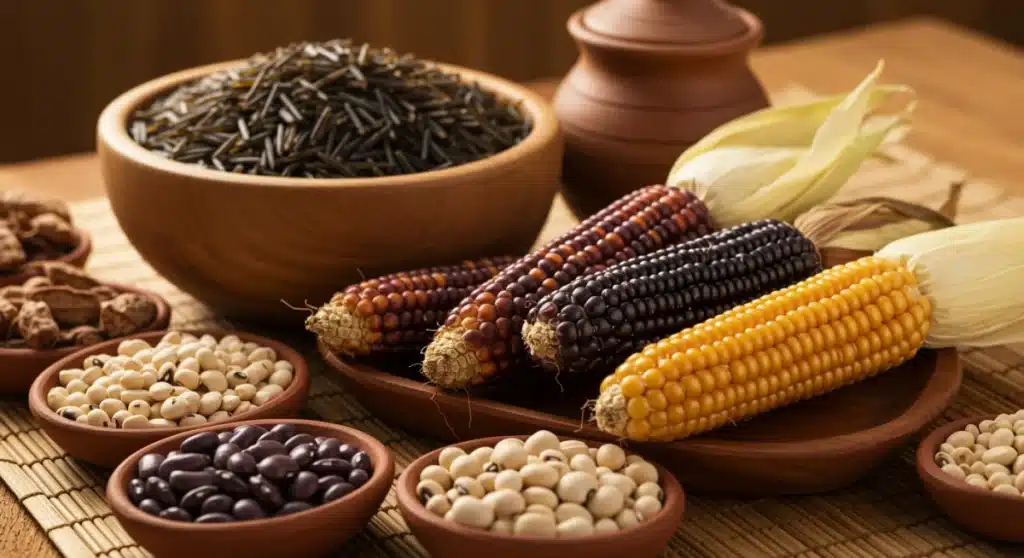
In this comprehensive exploration, we will delve into three specific Native American ingredients that are poised to dominate kitchens and menus in 2026: wild rice, heirloom corn, and a diverse array of beans. We’ll uncover their historical significance, their impressive nutritional profiles, and provide insights into how they can be incorporated into modern cooking. Prepare to be inspired by the wisdom of the past, brought vibrantly into the present.
The Enduring Legacy of Native American Ingredients
Before we dive into our top three, it’s crucial to understand the profound impact Native American ingredients have already had on global cuisine. Many staples we take for granted today – potatoes, tomatoes, chilies, squash, and of course, corn and beans – originated in the Americas and were cultivated by indigenous peoples long before European contact. However, the narrative often focuses on these crops once they were adopted by other cultures, overlooking the sophisticated agricultural practices and deep ecological knowledge that nurtured them for millennia.
The traditional food systems of Native American tribes were intrinsically linked to their spiritual beliefs, social structures, and environmental stewardship. These systems were characterized by biodiversity, seasonality, and a deep respect for the land. The concept of “food as medicine” was not a trend but a foundational principle, with each ingredient understood for its specific health-giving properties. This holistic approach to food is incredibly relevant today, as we seek healthier, more sustainable ways to nourish ourselves and the planet.
The renewed interest in Native American ingredients is not just about novelty; it’s about reconnecting with these ancient practices and celebrating the original cultivators and innovators of American agriculture. It’s about understanding the stories behind the food and recognizing the immense contribution of indigenous peoples to our global food heritage.
1. Wild Rice: The Aquatic Grain of the Great Lakes
A Storied History and Cultural Significance
Often mistaken for a grain, wild rice (scientifically, Zizania aquatica or Zizania palustris) is actually the seed of an aquatic grass native to the shallow lakes and rivers of the Great Lakes region. For the Anishinaabeg (Ojibwe, Odawa, Potawatomi) people, wild rice, or “Manoomin,” is a sacred food, central to their creation stories and cultural identity. Its harvest, traditionally done from canoes using knocking sticks, is a revered practice passed down through generations, embodying a deep connection to the land and water.
The historical importance of wild rice cannot be overstated. It served as a vital food source, especially during harsh winters, and was even used as a form of currency. Its sustainable harvesting methods ensured the longevity of the resource for future generations, a lesson in environmental stewardship that resonates strongly today.
Nutritional Powerhouse
Beyond its cultural significance, wild rice stands out as a nutritional superstar among Native American ingredients. It boasts:
- High Protein Content: Significantly higher in protein than most other grains, making it an excellent plant-based protein source.
- Rich in Fiber: Promotes digestive health, helps regulate blood sugar, and contributes to satiety.
- Abundant in Minerals: A good source of manganese, phosphorus, magnesium, and zinc.
- Antioxidant Rich: Contains powerful antioxidants that help combat oxidative stress in the body.
- Gluten-Free: Naturally gluten-free, making it suitable for individuals with gluten sensitivities or celiac disease.
- Low in Fat: A healthy, low-fat carbohydrate option.
Culinary Versatility in 2026
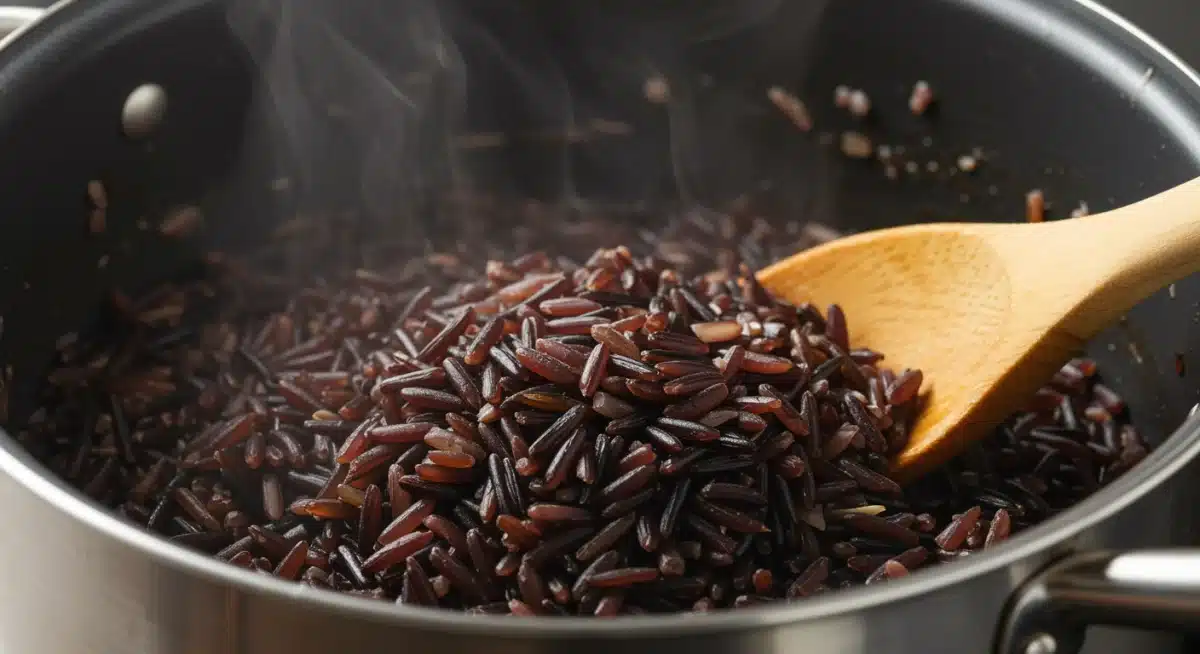
The nutty, earthy flavor and satisfying chewy texture of wild rice make it incredibly versatile. In 2026, expect to see wild rice moving beyond traditional side dishes and casseroles into innovative applications:
- Gourmet Salads: As a base for hearty, nutrient-packed salads with roasted vegetables, dried fruits, and light vinaigrettes.
- Plant-Based Bowls: The perfect foundation for Buddha bowls or power bowls, combined with legumes, fresh greens, and flavorful sauces.
- Stuffed Vegetables: A delicious and wholesome filling for bell peppers, squash, or mushrooms.
- Soups and Stews: Adding body, texture, and nutritional depth to brothy soups and thick stews.
- Breakfast Porridge: A unique, savory alternative to oatmeal, often prepared with herbs and a touch of maple syrup.
- Wild Rice Flour: Used in gluten-free baking for breads, muffins, and pancakes, lending a distinctive flavor.
Chefs are experimenting with wild rice in fusion cuisine, pairing it with unexpected flavors and textures, truly showcasing its adaptability. Its robust nature means it holds up well in a variety of cooking methods, from slow-cooking to quick sautéing.
2. Heirloom Corn: A Rainbow of Flavor and History
More Than Just Yellow: The Spectrum of Corn Diversity
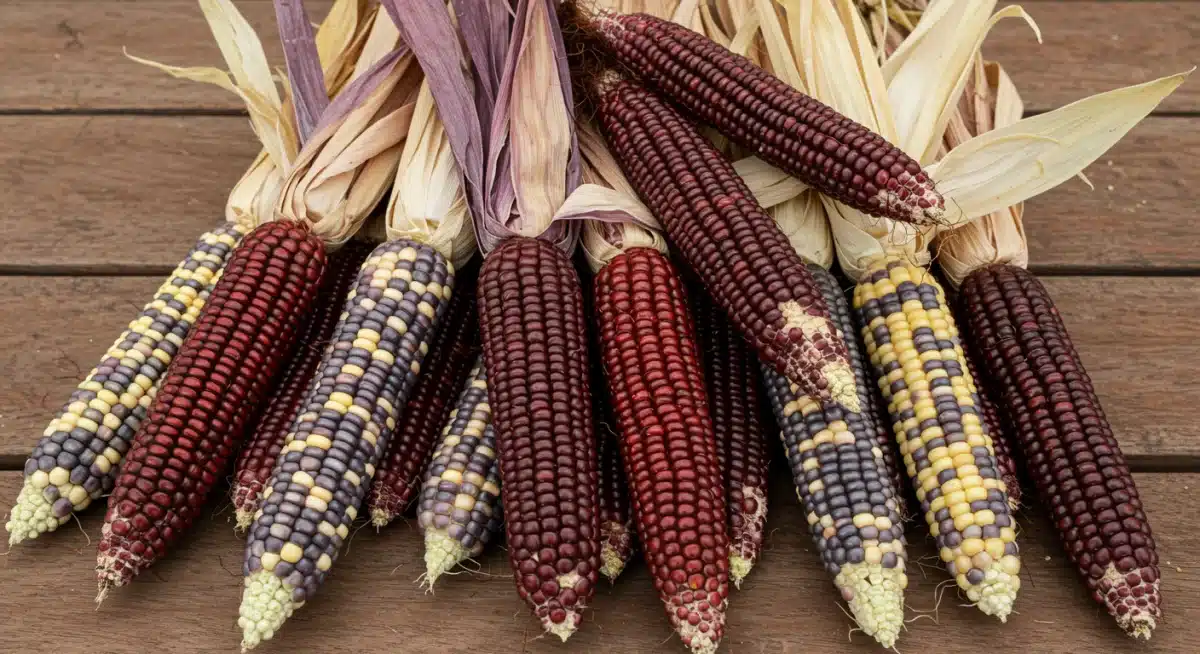
When most people think of corn, they picture the ubiquitous yellow sweet corn or field corn. However, Native American ingredients include an astonishing diversity of corn varieties, known as heirloom corn. These ancient strains, preserved and cultivated by indigenous communities for thousands of years, come in a breathtaking array of colors – blues, reds, purples, blacks, and even multi-colored kernels – each with distinct flavors and textures.
Corn, or “Maize,” is perhaps the most significant of all Native American ingredients, having been domesticated in Mesoamerica over 9,000 years ago. It formed the agricultural foundation of numerous civilizations, from the Maya and Aztec to the Haudenosaunee and Hopi. The cultivation of corn was a sophisticated process, involving careful selection for adaptability, yield, and specific culinary uses.
Each heirloom variety tells a story – of a particular tribe, a specific growing region, and centuries of careful stewardship. These are not genetically modified organisms but rather the result of generations of natural selection and human ingenuity, adapting corn to thrive in diverse environments.
Nutritional Advantages of Heirloom Corn
The vibrant colors of heirloom corn are not just aesthetically pleasing; they are indicative of a rich nutritional profile, often superior to modern hybrid varieties:
- Antioxidant Powerhouse: The deep hues of blue and purple corn, for instance, are due to anthocyanins, powerful antioxidants also found in blueberries and red wine, known for their anti-inflammatory and disease-fighting properties.
- Higher Protein and Fiber: Many heirloom varieties contain higher levels of protein and dietary fiber compared to conventional corn.
- Essential Minerals: A good source of magnesium, phosphorus, potassium, and B vitamins.
- Complex Carbohydrates: Provides sustained energy without the rapid blood sugar spikes associated with refined grains.
Modern Applications and Culinary Creativity
In 2026, heirloom corn is experiencing a renaissance, celebrated for its unique flavors, stunning appearance, and nutritional benefits. Expect to see it in:
- Artisan Tortillas and Masa: Blue corn tortillas are already popular, but chefs are exploring a wider range of colors and flavors for authentic, high-quality masa for tacos, tamales, and pupusas.
- Gourmet Grits and Polenta: Red and yellow heirloom corn make exceptionally flavorful and visually appealing grits and polenta, often served with savory braises or fresh seafood.
- Cornmeal Baking: Heirloom cornmeal adds depth and texture to cornbread, muffins, and even savory crusts for pies and tarts.
- Popcorn Varieties: Specialty heirloom popcorn kernels offer a more nuanced flavor profile and satisfying crunch than standard popcorn.
- Innovative Dishes: From roasted corn salads to corn-based desserts and beverages, culinary innovators are pushing the boundaries with this versatile ingredient.
The revival of heirloom corn is also a powerful statement about biodiversity and the importance of preserving agricultural heritage against the dominance of monocultures. It’s a delicious way to support sustainable farming practices and taste history.
3. The Three Sisters: Beans, The Foundation of Indigenous Agriculture
The Symbiotic Power of Beans (The Third Sister)
While corn is often considered the “mother” of indigenous agriculture, beans are the essential “sister” in the famous Three Sisters planting method (corn, beans, and squash). This ingenious companion planting system, developed by Native American ingredients cultivators, demonstrates a profound understanding of ecological principles:
- Corn provides a stalk for the beans to climb.
- Beans fix nitrogen in the soil, enriching it for the hungry corn and squash.
- Squash leaves provide ground cover, suppressing weeds and retaining moisture.
This harmonious relationship allowed for highly productive and sustainable agriculture without the need for external fertilizers. Native American tribes cultivated an astonishing array of bean varieties – pole beans, bush beans, runner beans – in every imaginable color, shape, and size, each adapted to specific climates and culinary uses. From common kidney and pinto beans to lesser-known tepary and cranberry beans, the diversity is immense.
Unrivaled Nutritional Profile
Beans are a cornerstone of healthy eating globally, and the diverse Native American ingredients bean varieties offer exceptional nutritional benefits:
- Excellent Plant-Based Protein: Crucial for muscle repair and growth, and a staple for vegetarian and vegan diets.
- High in Dietary Fiber: Both soluble and insoluble fiber, aiding digestion, promoting gut health, and helping to manage cholesterol levels.
- Rich in Folate: Essential for cell growth and function.
- Packed with Minerals: Good sources of iron, magnesium, potassium, and zinc.
- Low Glycemic Index: Helps stabilize blood sugar levels, making them beneficial for managing diabetes.
The specific nutritional content can vary slightly between bean varieties, but all offer a powerful package of health benefits.
Beans in the Modern Kitchen, 2026
Beans are already a staple, but in 2026, the focus is shifting towards celebrating the unique characteristics of heirloom bean varieties and incorporating them into more sophisticated and diverse dishes. Expect to see:
- Specialty Bean Dishes: Showcasing specific heirloom beans like the earthy Tepary beans (native to the Southwest) in stews, or the beautiful Cranberry beans in salads and side dishes.
- Plant-Based Innovation: Beans are central to the growing plant-based movement, used in burgers, meat substitutes, and innovative spreads and dips.
- Elevated Soups and Chilies: Moving beyond basic recipes, with chefs highlighting the distinct textures and flavors of different bean types.
- Fermented Bean Products: Exploring traditional and modern fermentation techniques to enhance flavor and digestibility.
- Desserts: While less common in Western cuisine, certain beans are used in sweet dishes in other cultures, and this may inspire new dessert creations.
The rediscovery of indigenous bean varieties not only expands our culinary horizons but also supports agricultural biodiversity and provides sustainable, nutrient-dense food options for a growing global population.
The Broader Impact: Sustainability, Health, and Cultural Revitalization
The resurgence of these Native American ingredients is more than just a passing food trend; it represents a significant movement towards more sustainable and equitable food systems. By choosing to incorporate wild rice, heirloom corn, and indigenous bean varieties into our diets, we are:
Promoting Biodiversity and Sustainable Agriculture
Many modern agricultural practices rely on a limited number of crops and varieties, leading to a loss of biodiversity and increased vulnerability to pests and diseases. By embracing ancient Native American ingredients, we support the cultivation of diverse, resilient crops that are often better adapted to local climates and require fewer resources. The traditional methods of cultivation, which emphasize harmony with nature, offer valuable lessons for sustainable farming in the 21st century.
Enhancing Nutritional Well-being
As highlighted, these traditional foods are packed with essential nutrients, fiber, and health-promoting compounds. Reintroducing them into our diets can help combat modern dietary deficiencies and promote overall wellness. They are whole foods, often minimally processed, aligning with a growing desire for clean eating and natural nutrition.
Supporting Indigenous Communities and Food Sovereignty
Perhaps most importantly, the growing demand for Native American ingredients provides economic opportunities for indigenous farmers and communities. It helps to revitalize traditional foodways, preserve cultural knowledge, and support food sovereignty – the right of peoples to healthy and culturally appropriate food produced through ecologically sound and sustainable methods, and their right to define their own food and agriculture systems. When we purchase these ingredients, we are not just buying food; we are investing in a legacy and supporting the future of indigenous cultures.
Inspiring Culinary Innovation
Chefs and home cooks are finding endless inspiration in these ingredients. Their unique flavors, textures, and vibrant colors are sparking new culinary creations, pushing the boundaries of what’s possible in the kitchen. This innovation not only enriches our dining experiences but also serves as a platform to educate a wider audience about the origins and benefits of these remarkable foods.
How to Incorporate Native American Ingredients into Your Diet
Ready to explore these incredible Native American ingredients? Here are some practical tips:
- Seek out reputable sources: Look for wild rice, heirloom cornmeal, and specialty beans from Native American-owned businesses or suppliers who prioritize ethical sourcing and support indigenous growers. Online marketplaces and specialty food stores are good starting points.
- Start simple: Begin by substituting these ingredients in dishes where you would normally use their more common counterparts. Use wild rice instead of brown rice, make tortillas with blue corn masa, or add a new variety of beans to your chili.
- Experiment with traditional recipes: Explore cookbooks and online resources that feature authentic Native American recipes. This is a fantastic way to learn about the cultural context and traditional preparation methods.
- Be patient with cooking times: Some heirloom beans and wild rice varieties may require longer soaking or cooking times than their conventional counterparts.
- Embrace the flavors: These ingredients often have distinct, nuanced flavors. Allow them to shine by pairing them with complementary ingredients that don’t overpower their natural essence.
The Future is Rooted in the Past
The year 2026 marks a pivotal moment in the culinary world, as Native American ingredients move from the periphery to the mainstream. This isn’t just a trend; it’s a recognition of thousands of years of agricultural wisdom, a commitment to healthier eating, and a powerful step towards cultural appreciation and environmental stewardship. Wild rice, heirloom corn, and indigenous beans are leading the charge, offering a delicious, nutritious, and ethically sound path forward for our plates and our planet.
By consciously choosing to incorporate these ancient foods, we become part of a larger movement – one that honors the past, enriches the present, and cultivates a more sustainable and flavorful future for generations to come. So, step into your kitchen, embrace the vibrant legacy of Native American ingredients, and discover a world of taste and tradition waiting to be explored.
Further Reading and Resources
To deepen your understanding of Native American ingredients and cuisine, consider exploring these resources:
- The Sioux Chef’s Indigenous Kitchen by Sean Sherman and Beth Dooley: A seminal cookbook that reintroduces traditional Native American foods.
- Native American Food Sovereignty Alliance (NAFSA): An organization dedicated to restoring the food systems of indigenous peoples.
- Traditional Ecological Knowledge (TEK) research: Delve into academic resources that explore the sophisticated environmental understanding of indigenous cultures.
- Local farmers’ markets: In some regions, you may find local growers (including Native American farmers) offering heirloom varieties.
The journey into the world of traditional Native American ingredients is a rewarding one, offering not just culinary delights but also a deeper connection to history, culture, and the earth itself. Enjoy the exploration!