The Latest Trends in Southwestern Cuisine: 5 Regional Ingredients Gaining Popularity in 2026
The culinary landscape is a dynamic tapestry, constantly weaving new threads of flavor and tradition. In 2026, one region, in particular, is captivating palates and pushing gastronomic boundaries: the American Southwest. Far from being a static cuisine, Southwestern cuisine is undergoing a vibrant evolution, driven by a renewed appreciation for indigenous ingredients, sustainable practices, and a desire for authentic, bold flavors. As chefs and home cooks alike seek out novel and nourishing components, certain regional ingredients are emerging as clear frontrunners, poised to define the taste of tomorrow. This article delves deep into the heart of these exciting developments, spotlighting five remarkable regional ingredients that are not only gaining immense popularity but are also shaping the future of Southwestern cuisine trends.
Anúncios
For centuries, the Southwest has been a melting pot of cultures, each contributing to a rich and diverse culinary heritage. From the ancient traditions of Native American tribes to the influences of Spanish and Mexican settlers, the food of this region tells a story of adaptation, resourcefulness, and flavor. Today, this story continues, with a focus on ingredients that are not only delicious but also hold significant cultural and ecological value. The rise of these specific ingredients speaks to a broader movement in the food industry: a shift towards locality, seasonality, and an understanding of the provenance of our food. As we look ahead to 2026, the emphasis on authenticity and connection to the land is becoming more pronounced than ever, making these five ingredients indispensable to understanding the trajectory of Southwestern cuisine.
Anúncios
1. Purple Corn: A Heirloom Grain Reimagined for Modern Palates
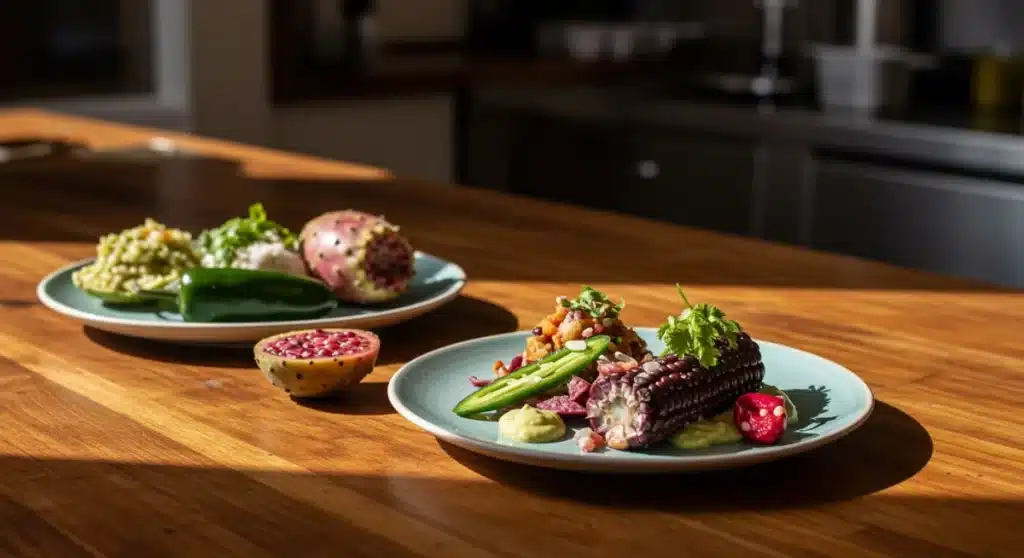
When one thinks of corn, the golden yellow varieties often come to mind. However, in the realm of Southwestern cuisine trends, purple corn is stealing the spotlight. This ancient grain, native to the Andean region but also cultivated in parts of the American Southwest for generations, is far more than just a visually striking ingredient. Its deep, almost indigo hue is a testament to its rich anthocyanin content, powerful antioxidants that offer numerous health benefits. In 2026, purple corn is not just a novelty; it’s becoming a foundational element in a variety of dishes, from traditional preparations to innovative culinary creations.
Chefs are embracing purple corn for its subtly earthy and slightly sweet flavor profile, which adds a unique dimension to everything from tortillas and tamales to gourmet polenta and even desserts. Its natural color bleeds beautifully, transforming dishes into edible works of art. Beyond its aesthetic appeal and health benefits, purple corn represents a commitment to preserving heirloom varieties and supporting biodiversity. As consumers become more conscious about the origins and nutritional value of their food, ingredients like purple corn, with their rich history and robust nutritional profile, are increasingly sought after. Expect to see purple corn flour in artisanal bakeries, purple corn grits gracing brunch menus, and vibrant purple corn salads becoming a staple in health-conscious eateries across the nation, solidifying its place in Southwestern cuisine trends.
The resurgence of purple corn is also a nod to sustainable agriculture. Many of the farms cultivating this grain employ traditional, environmentally friendly methods, contributing to a smaller carbon footprint and supporting local economies. This alignment with eco-conscious values makes purple corn particularly attractive to a new generation of consumers who prioritize both taste and ethical sourcing. Its versatility means it can be incorporated into a wide array of dishes, offering a fascinating alternative to more common grains. From savory applications where its subtle sweetness complements spicy notes, to sweet preparations where it adds depth and a unique texture, purple corn is proving to be an incredibly adaptable and exciting ingredient. Its prominence in 2026 will undoubtedly inspire further exploration of other heirloom grains, continuing to enrich the diverse tapestry of Southwestern cuisine.
2. Chiltepin Peppers: The Wild, Fiery Heart of the Desert
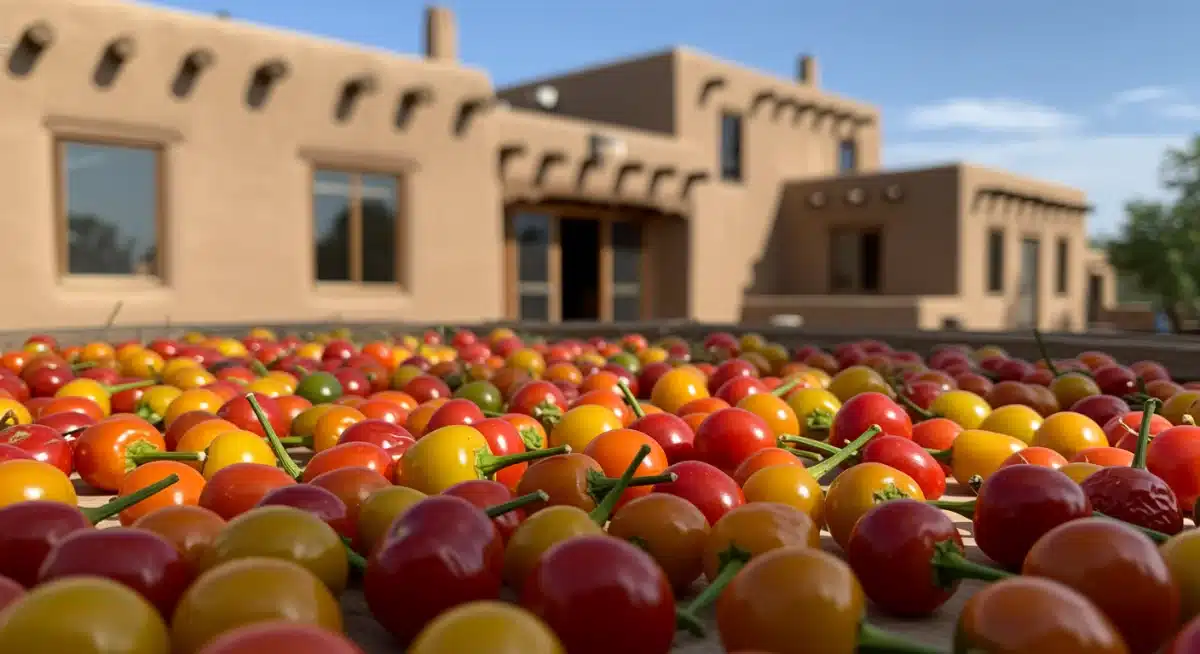
For those who crave heat, the chiltepin pepper is a revelation. Considered by many to be the mother of all chili peppers, this tiny, round, wild pepper packs an incredible punch. Native to the Sonoran Desert, chiltepin peppers are a cornerstone of traditional Southwestern and Mexican cuisine, but in 2026, their distinct, smoky, and intense heat is breaking into mainstream culinary consciousness, becoming a defining element of Southwestern cuisine trends.
Unlike larger, milder peppers, chiltepins offer a rapid, sharp heat that dissipates quickly, leaving a clean, lingering warmth rather than an oppressive burn. This unique characteristic makes them incredibly versatile. Chefs are using them dried and ground into spice rubs, infused into oils and vinegars, or fresh to add a vibrant, untamed kick to salsas, stews, and marinades. Their rarity and the labor-intensive process of harvesting them in the wild contribute to their allure, making them a prized ingredient for those seeking authentic and intense flavors.
The growing interest in chiltepin peppers also highlights a broader movement towards embracing wild-foraged and native ingredients. These peppers are not typically cultivated on a large scale, meaning their availability often depends on sustainable harvesting practices. This connection to the land and respect for natural ecosystems resonates deeply with contemporary food ethics. As diners become more adventurous and seek out authentic regional experiences, the chiltepin pepper stands out as a true taste of the Southwest’s untamed spirit. Its unique flavor profile and intense heat are perfect for elevating traditional dishes and inspiring completely new culinary creations. Expect to see chiltepin-infused cocktails, spicy chocolate desserts, and gourmet dishes featuring these tiny powerhouses, firmly establishing their place in the lexicon of Southwestern cuisine trends for 2026 and beyond.
3. Tepary Beans: Ancient Legumes for a Sustainable Future
In the quest for sustainable and nutritious food sources, ancient legumes are making a significant comeback. Among them, tepary beans (Phaseolus acutifolius) are emerging as a star in Southwestern cuisine trends for 2026. These drought-resistant beans, cultivated by indigenous peoples in the Southwest for thousands of years, are perfectly adapted to arid environments, requiring significantly less water than other bean varieties. This inherent sustainability makes them an incredibly attractive option in an era of increasing environmental concern.
Beyond their ecological benefits, tepary beans boast an impressive nutritional profile. They are rich in protein, fiber, and essential minerals, making them a superfood in their own right. Their flavor is distinct – often described as nutty, earthy, and slightly smoky – which adds a depth of character to dishes that common beans simply cannot match. Chefs are discovering their versatility, incorporating them into hearty stews, vibrant salads, flavorful dips, and even using them as a base for plant-based burgers.
The renewed interest in tepary beans is also a celebration of indigenous agriculture and foodways. Many efforts are underway to support Native American farmers in cultivating and preserving these heirloom varieties, ensuring their continued presence in the food system. This cultural connection adds another layer of appeal, as consumers seek stories and heritage behind their food. As plant-based diets continue to grow in popularity, tepary beans offer a delicious, nutritious, and environmentally friendly protein source that aligns perfectly with modern dietary trends. Their ability to thrive in challenging conditions also makes them a key ingredient in discussions around food security and resilience. Expect to find tepary beans prominently featured in health food stores, farmers’ markets, and on the menus of restaurants committed to both flavor and sustainability, solidifying their role in shaping Southwestern cuisine trends.
4. Prickly Pear Cactus Fruit: Sweet, Tangy, and Uniquely Southwestern
The iconic prickly pear cactus, a symbol of the American Southwest, is yielding one of its most delicious treasures: its vibrant, sweet-tart fruit. While prickly pear has long been a staple in regional diets, its exotic flavor and stunning color are propelling it into the mainstream as a key element of Southwestern cuisine trends in 2026. The fruit, often red or purple, offers a unique flavor profile that is a delightful blend of watermelon, fig, and bubblegum, with a slightly tangy finish.
Chefs and beverage innovators are captivated by its versatility. Prickly pear syrup is being used to sweeten cocktails, lemonades, and iced teas, adding both flavor and a beautiful hue. The fruit itself is incorporated into salsas, jams, jellies, and desserts, offering a distinct Southwestern twist. Its natural pectin content also makes it excellent for preserves. Beyond its culinary uses, prickly pear is also gaining recognition for its health benefits, including high levels of antioxidants, vitamins, and minerals, making it a desirable ingredient for health-conscious consumers.
The increasing popularity of prickly pear reflects a broader trend of embracing native, drought-tolerant plants that are both delicious and sustainable. The cactus requires minimal water and thrives in harsh conditions, making it an environmentally responsible crop. Its distinctive appearance and vibrant color also make it a visually appealing ingredient, perfect for enhancing the aesthetic of dishes and drinks. As consumers seek out unique and exotic flavors that also tell a story of regional identity, prickly pear cactus fruit is perfectly positioned to become a beloved staple. From gourmet candies and ice creams to savory glazes for meats and vibrant salad dressings, the possibilities for prickly pear are endless, cementing its status as an influential force in Southwestern cuisine trends.
5. Mesquite Flour: The Smoky Sweetness of the Desert Pod
Another ancient ingredient re-emerging from the desert landscape to redefine Southwestern cuisine trends is mesquite flour. Derived from the dried and ground pods of the mesquite tree, this naturally gluten-free flour offers a distinct, smoky, and subtly sweet flavor that is unlike any other. For centuries, indigenous communities have utilized mesquite pods as a vital food source, grinding them into a nutritious flour for various preparations.
In 2026, mesquite flour is being celebrated for its unique taste and nutritional advantages. It is rich in protein, fiber, and has a low glycemic index, making it an excellent alternative to traditional flours for those seeking healthier options. Its inherent smoky sweetness means it can reduce the need for added sugars in recipes, offering a more wholesome approach to baking and cooking. Chefs are incorporating mesquite flour into breads, pancakes, cookies, and even savory dishes like rubs for grilled meats, adding a complex layer of flavor that evokes the essence of the Southwest.
The use of mesquite flour also promotes sustainable land management. Mesquite trees are native to arid regions and play a crucial role in preventing soil erosion and providing habitat. Harvesting their pods provides an economic incentive to maintain these vital ecosystems. As the demand for gluten-free and alternative flours continues to grow, mesquite flour offers a compelling option that brings both unique flavor and environmental benefits to the table. Its earthy, complex notes pair wonderfully with chocolate, coffee, and nuts, making it a favorite for innovative dessert creations. Expect to see mesquite flour appearing in specialty grocery stores and on the menus of forward-thinking restaurants, showcasing its versatility and cementing its place as a rising star in Southwestern cuisine trends, offering a taste of the desert’s bounty in every bite.
The Enduring Appeal and Future of Southwestern Cuisine Trends
The resurgence and increasing popularity of these five regional ingredients – purple corn, chiltepin peppers, tepary beans, prickly pear cactus fruit, and mesquite flour – are not isolated phenomena. They are indicative of a broader, more profound shift in our collective culinary consciousness. As we navigate 2026 and beyond, there is a palpable yearning for food that is not only delicious and nourishing but also tells a compelling story. Consumers are increasingly seeking transparency in their food sources, a deeper connection to the land, and an understanding of the cultural heritage embedded within each ingredient. These Southwestern staples perfectly encapsulate this desire, offering a blend of ancient wisdom and modern culinary innovation.
The emphasis on indigenous ingredients speaks to a growing respect for traditional foodways and the invaluable knowledge passed down through generations. By embracing purple corn and tepary beans, we are not just exploring new flavors; we are actively participating in the preservation of agricultural biodiversity and supporting the communities that have stewarded these resources for millennia. The wild, untamed spirit of chiltepin peppers and the resilient sweetness of prickly pear remind us of the incredible bounty that can thrive in seemingly harsh environments, fostering an appreciation for nature’s adaptability and generosity.
Furthermore, the sustainability aspect of these ingredients cannot be overstated. In an era of climate change and increasing pressure on global food systems, the drought-resistant nature of tepary beans, the low water requirements of prickly pear, and the ecological benefits of mesquite trees offer powerful models for future food production. These ingredients are not just tasty; they are smart choices for a more resilient and environmentally conscious food future. Their ability to thrive in their native habitats with minimal intervention makes them ideal candidates for sustainable farming practices, reducing the overall ecological footprint of our diets.
For chefs, these ingredients represent an exciting palette of flavors, textures, and colors with which to experiment. They challenge conventional notions of what constitutes ‘gourmet’ and encourage a creative fusion of tradition and innovation. From fine dining establishments to casual eateries, the influence of these ingredients is permeating every level of the culinary world, inspiring new recipes, cooking techniques, and ultimately, unforgettable dining experiences. The bold, earthy, and often spicy characteristics inherent in Southwestern flavors are finding new expressions, captivating a global audience hungry for authenticity and adventure.
Looking ahead, the trajectory of Southwestern cuisine trends suggests a continued movement towards hyper-locality, seasonal eating, and a deeper engagement with the cultural narratives behind our food. These five ingredients are paving the way, demonstrating that the future of food is not just about what’s new, but also about rediscovering and revering what’s ancient and deeply rooted. As 2026 unfolds, expect to see these ingredients not only solidify their place in the culinary lexicon but also inspire a new generation of food enthusiasts to explore the rich, vibrant, and incredibly diverse world of Southwestern cuisine. The desert, once seen as barren, is proving to be a wellspring of culinary inspiration, offering flavors that are as profound and enduring as the landscape itself.