Pacific Rim Influences in West Coast Cuisine: 3 Fusion Dishes to Master by Spring 2026
The culinary landscape is a dynamic tapestry, constantly evolving with new flavors, techniques, and cultural intersections. Among the most exciting developments is the profound influence of Pacific Rim Cuisine on the vibrant and innovative food scene of the West Coast. This fusion, a harmonious blend of Asian, Polynesian, and South American flavors with the fresh, local ingredients characteristic of California, Oregon, and Washington, has given rise to a unique and highly sought-after gastronomic experience. By Spring 2026, understanding and mastering key elements of this fusion will not just be a trend, but a fundamental skill for any aspiring home cook or professional chef looking to stay ahead of the curve. This article will delve deep into the essence of Pacific Rim Cuisine’s impact on West Coast dining, exploring its historical roots, defining characteristics, and offering three distinct, actionable fusion dishes you can master to truly embody this culinary movement.
Anúncios
The allure of Pacific Rim Cuisine lies in its diversity and its ability to seamlessly integrate contrasting elements. Imagine the umami richness of Japanese soy sauce meeting the zesty brightness of Mexican lime, or the aromatic spices of Thai curry harmonizing with the fresh seafood abundant along the Pacific coastline. This isn’t just about throwing ingredients together; it’s about a thoughtful and respectful amalgamation that creates something entirely new and incredibly delicious. The West Coast, with its melting pot of cultures and proximity to the Pacific, has naturally become a hotbed for this culinary innovation. From the bustling streets of Los Angeles to the sophisticated eateries of Seattle, the echoes of Pacific Rim Cuisine are everywhere, shaping menus and tantalizing palates.
Our journey into this culinary world will equip you with the knowledge and recipes to confidently navigate and create stunning dishes that showcase the best of both worlds. We’ll explore the foundational principles that make this fusion so successful, from balancing flavors to utilizing diverse cooking methods. By focusing on three distinct dishes – an appetizer, a main course, and a dessert – you’ll gain a comprehensive understanding of how to apply these influences across different courses. So, prepare your taste buds and sharpen your knives, because by Spring 2026, you’ll be a master of Pacific Rim Cuisine fusion.
Anúncios
The Genesis of Pacific Rim Cuisine on the West Coast
To truly appreciate the current state of Pacific Rim Cuisine on the West Coast, it’s essential to understand its origins. The West Coast of North America has always been a gateway to the Pacific, facilitating trade, migration, and cultural exchange with Asian and Polynesian nations for centuries. This historical connection laid the groundwork for the culinary fusion we see today. Early Chinese immigrants brought their culinary traditions, followed by Japanese, Korean, Vietnamese, Thai, and Filipino communities, each contributing unique ingredients, cooking methods, and flavor profiles. Over time, these distinct cuisines began to intertwine with the existing European and Native American food traditions of the West Coast.
The post-World War II era saw an accelerated exchange, particularly with the rise of international travel and increased cultural awareness. Chefs and home cooks alike began experimenting with ingredients and techniques from across the Pacific. The 1980s and 90s were pivotal, with the emergence of celebrated chefs who explicitly championed this fusion, popularizing dishes that combined, for instance, French culinary precision with Japanese ingredients, or Mexican spice with Hawaiian seafood. The emphasis was always on fresh, seasonal, and often locally sourced ingredients, a hallmark of West Coast cooking. This commitment to quality produce naturally complemented the vibrant and often lighter elements found in many Pacific Rim Cuisine traditions.
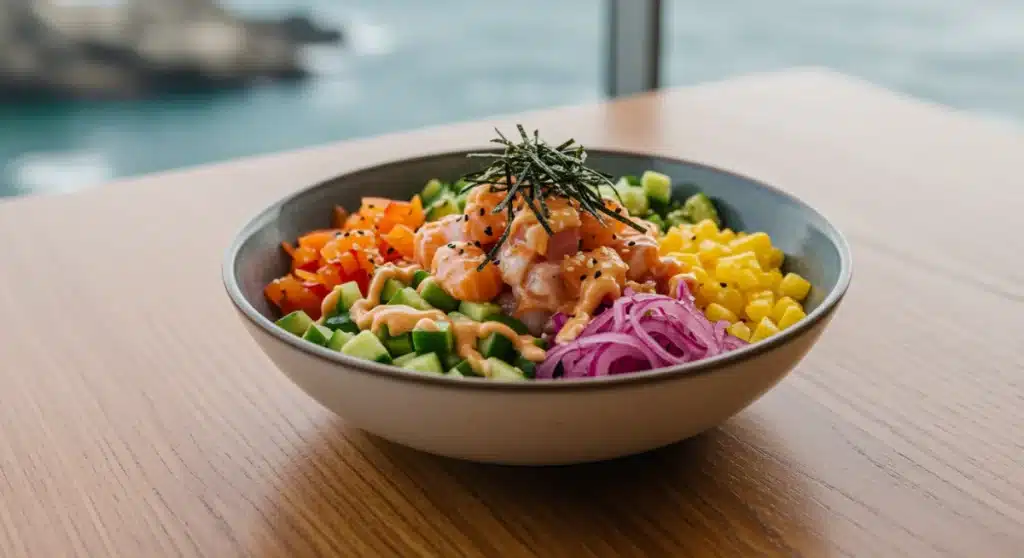
Today, the influence is so pervasive that it’s often seamlessly integrated into what is simply considered “West Coast cuisine.” From the proliferation of poke bowls and sushi burritos to the sophisticated incorporation of miso, soy, ginger, and lemongrass into mainstream menus, Pacific Rim Cuisine is no longer a niche; it’s a defining characteristic. This evolution is driven by a desire for bold flavors, healthy options, and a continuous exploration of new culinary horizons. The West Coast’s open-minded approach to food, coupled with its diverse population and access to incredible produce and seafood, makes it the ideal canvas for this ongoing culinary dialogue.
Key Elements Defining Pacific Rim Fusion
What makes Pacific Rim Cuisine fusion so compelling? It’s a combination of several key elements that, when skillfully applied, create incredibly balanced and exciting dishes. Understanding these elements is crucial for anyone looking to master this style of cooking:
- Fresh, Local Ingredients: This is perhaps the most significant bridge between West Coast and Pacific Rim culinary philosophies. Both emphasize using the freshest possible produce, seafood, and meats. The West Coast’s agricultural bounty and access to pristine ocean resources perfectly complement the ingredient-focused nature of many Asian and Polynesian cuisines.
- Balance of Flavors: Pacific Rim Cuisine is renowned for its intricate balance of sweet, sour, salty, bitter, and umami. Fusion dishes often seek to replicate this balance, perhaps by combining the sweetness of a mango with the tartness of lime, the saltiness of soy, and the umami of mushrooms or fish sauce, all within a single bite.
- Aromatic Herbs and Spices: Ingredients like ginger, garlic, lemongrass, chili, cilantro, basil, and mint are staples in Pacific Rim cooking. They lend vibrant aromas and complex flavors that elevate dishes beyond simple seasoning. Incorporating these thoughtfully can transform a seemingly simple West Coast dish into a Pacific Rim Cuisine masterpiece.
- Diverse Cooking Techniques: From stir-frying and steaming to grilling and raw preparations (think sashimi or ceviche), Pacific Rim traditions offer a wide array of cooking methods. West Coast fusion often borrows these techniques, applying them to local ingredients to create new textures and flavor profiles.
- Sauces and Marinades: The backbone of many Pacific Rim dishes are their flavorful sauces and marinades. Soy-based dressings, peanut sauces, sweet chili glazes, and citrus-infused marinades are just a few examples that have found a welcome home in West Coast kitchens, adding depth and character to proteins and vegetables.
- Textural Contrast: A good fusion dish often plays with texture. Think of the crunch of crispy wontons alongside tender fish, or the chewiness of noodles with crisp vegetables. This adds another layer of complexity and enjoyment to the eating experience, a common thread in both West Coast and Pacific Rim Cuisine.
Mastering these elements means not just following a recipe, but understanding the philosophy behind it, allowing for creative improvisation and personal expression within the framework of Pacific Rim Cuisine fusion.
Dish 1: Miso-Glazed Cod with Forbidden Rice and Bok Choy (Main Course)
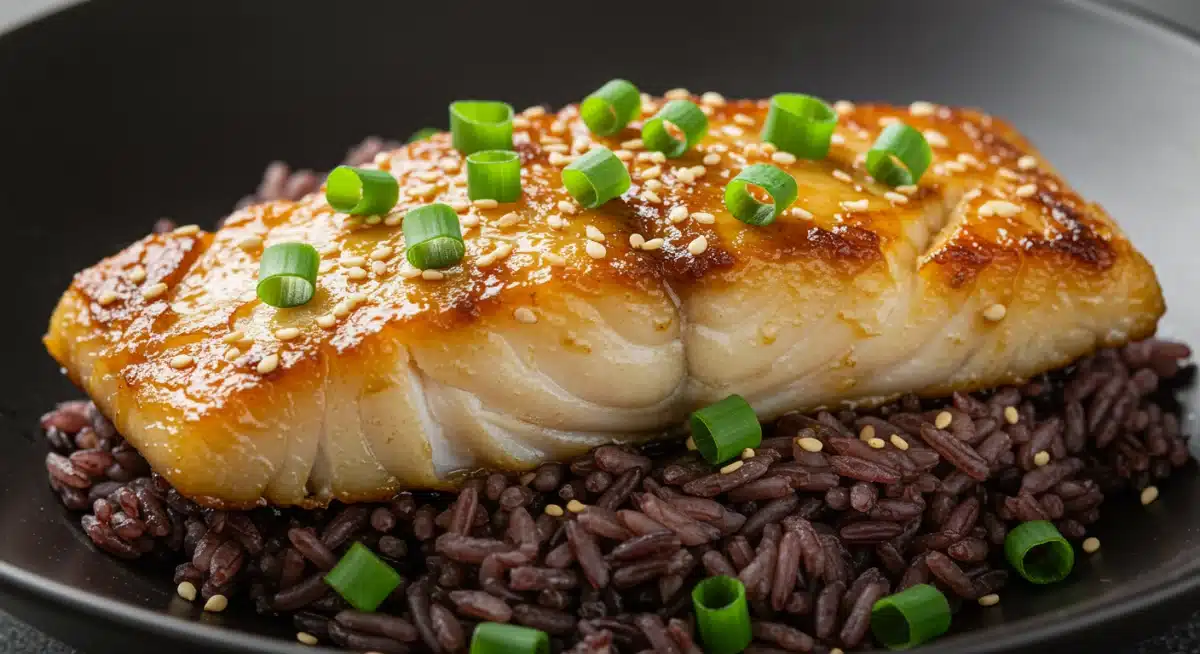
Our first dish to master by Spring 2026 is a sophisticated yet approachable main course that perfectly encapsulates the elegance of Pacific Rim Cuisine blended with West Coast sensibilities: Miso-Glazed Cod with Forbidden Rice and Bok Choy. This dish highlights the umami-rich flavors of Japanese cooking, the health-conscious aspects of West Coast dining, and the vibrant freshness characteristic of both.
Why This Dish?
- Flavor Profile: The sweet and savory miso glaze caramelizes beautifully on the cod, creating a rich umami crust while keeping the fish incredibly moist.
- Nutritional Value: Cod is a lean protein, forbidden rice (black rice) is packed with antioxidants and fiber, and bok choy adds essential vitamins and a fresh, slightly bitter counterpoint.
- Technique: It involves a simple marinating process, pan-searing or baking the fish, and quickly blanching the vegetables – all accessible techniques that yield impressive results.
Ingredients:
For the Miso-Glazed Cod:
- 4 (6 oz) cod fillets, skin on or off
- 1/4 cup white miso paste
- 2 tbsp mirin (sweet rice wine)
- 1 tbsp sake (optional, for deeper flavor)
- 1 tbsp soy sauce (low sodium preferred)
- 1 tbsp brown sugar or maple syrup
- 1 tsp grated fresh ginger
- 1 clove garlic, minced
- 1 tbsp sesame oil
- 1 tbsp vegetable oil (for searing)
For the Forbidden Rice:
- 1 cup forbidden (black) rice
- 2 cups water or vegetable broth
- Pinch of salt
For the Sautéed Bok Choy:
- 2 heads baby bok choy, quartered lengthwise
- 1 tbsp vegetable oil
- 1 clove garlic, thinly sliced
- 1 tsp fresh ginger, thinly sliced
- 1 tbsp soy sauce
- 1/2 tsp sesame oil
Garnish (Optional):
- Toasted sesame seeds
- Thinly sliced green onions
Instructions:
- Prepare the Miso Glaze: In a shallow dish, whisk together miso paste, mirin, sake (if using), soy sauce, brown sugar, grated ginger, minced garlic, and sesame oil until smooth.
- Marinate the Cod: Place cod fillets in the miso glaze, ensuring they are fully coated. Cover and refrigerate for at least 30 minutes, or up to 2 hours. Do not marinate for too long as the miso can make the fish too salty.
- Cook the Forbidden Rice: Rinse the forbidden rice thoroughly. In a medium saucepan, combine rice, water or broth, and a pinch of salt. Bring to a boil, then reduce heat to low, cover, and simmer for 25-30 minutes, or until water is absorbed and rice is tender but still slightly chewy. Let stand, covered, for 5 minutes before fluffing with a fork.
- Cook the Bok Choy: While the rice cooks, heat 1 tbsp vegetable oil in a large skillet or wok over medium-high heat. Add sliced garlic and ginger and stir-fry for 30 seconds until fragrant. Add the quartered bok choy and stir-fry for 2-3 minutes until bright green and slightly tender-crisp. Drizzle with soy sauce and sesame oil, toss to coat, and remove from heat.
- Sear the Cod: Heat 1 tbsp vegetable oil in a non-stick skillet over medium-high heat. Remove cod from marinade, letting any excess drip off (do not wipe off). Place cod skin-side down (if applicable) in the hot skillet. Sear for 3-4 minutes per side, or until the fish is opaque and flakes easily with a fork, and the glaze is beautifully caramelized. If the glaze starts to burn, reduce the heat. Alternatively, you can bake the cod at 400°F (200°C) for 12-15 minutes after marinating until cooked through.
- Assemble and Serve: Divide the forbidden rice among plates. Place a cod fillet next to the rice, and arrange the sautéed bok choy alongside. Garnish with toasted sesame seeds and sliced green onions, if desired. Serve immediately.
Dish 2: Spicy Tuna and Avocado Crispy Rice Bites (Appetizer)
For our second dish, we turn to a popular appetizer that perfectly embodies the playful and textural aspects of Pacific Rim Cuisine fusion: Spicy Tuna and Avocado Crispy Rice Bites. This dish takes inspiration from Japanese sushi, specifically crispy rice, and adds a West Coast twist with the generous use of fresh avocado and a vibrant spicy mayo. It’s an ideal starter for any gathering and a fantastic way to showcase your fusion skills by Spring 2026.
Why This Dish?
- Textural Delight: The contrast between the crispy rice, creamy avocado, and tender spicy tuna is incredibly satisfying.
- Flavor Punch: A harmonious blend of umami, spice, and freshness.
- Impressive Presentation: These bites are visually appealing and perfect for entertaining.
- Adaptability: Can be customized with different fish or toppings.
Ingredients:
For the Crispy Rice:
- 1 cup sushi rice
- 1.5 cups water
- 2 tbsp rice vinegar
- 1 tbsp sugar
- 1/2 tsp salt
- Vegetable oil for frying
For the Spicy Tuna Mixture:
- 8 oz sushi-grade tuna, finely diced
- 2 tbsp Japanese mayonnaise (Kewpie preferred)
- 1-2 tbsp sriracha (to taste)
- 1 tsp sesame oil
- 1 tsp soy sauce
- 1 green onion, thinly sliced
For Assembly and Garnish:
- 1 ripe avocado, thinly sliced or diced
- Jalapeño slices (optional, for extra heat)
- Microgreens or cilantro sprigs (optional)
- Extra spicy mayo for drizzling (mix mayo and sriracha)
Instructions:
- Cook the Sushi Rice: Rinse sushi rice thoroughly until water runs clear. Combine rice and water in a saucepan. Bring to a boil, then reduce heat to low, cover, and simmer for 15 minutes. Remove from heat and let stand, covered, for another 10 minutes.
- Season the Rice: While rice is still warm, gently fold in rice vinegar, sugar, and salt. Spread the seasoned rice onto a baking sheet lined with plastic wrap, pressing it into an even layer about 1/2 inch thick. Cover with more plastic wrap and refrigerate for at least 1 hour, or until completely cooled and firm.
- Prepare the Crispy Rice: Once cooled, carefully remove the rice from the baking sheet. Using a sharp knife, cut the rice into 1-inch by 2-inch rectangles (or your desired shape). Heat about 1/2 inch of vegetable oil in a large non-stick skillet over medium-high heat. Fry the rice pieces in batches until golden brown and crispy on all sides, about 2-3 minutes per side. Remove with a slotted spoon and drain on paper towels. Season lightly with salt.
- Make the Spicy Tuna: In a medium bowl, combine the diced tuna, Japanese mayonnaise, sriracha, sesame oil, soy sauce, and sliced green onion. Mix gently until well combined. Taste and adjust spice level if needed.
- Assemble the Bites: Top each crispy rice rectangle with a thin slice or a small dollop of avocado. Spoon a generous amount of the spicy tuna mixture onto the avocado.
- Garnish and Serve: Garnish with a thin slice of jalapeño (if using) and microgreens or cilantro. Drizzle with extra spicy mayo for an added kick. Serve immediately.
Dish 3: Tropical Fruit Crumble with Coconut-Lime Topping (Dessert)
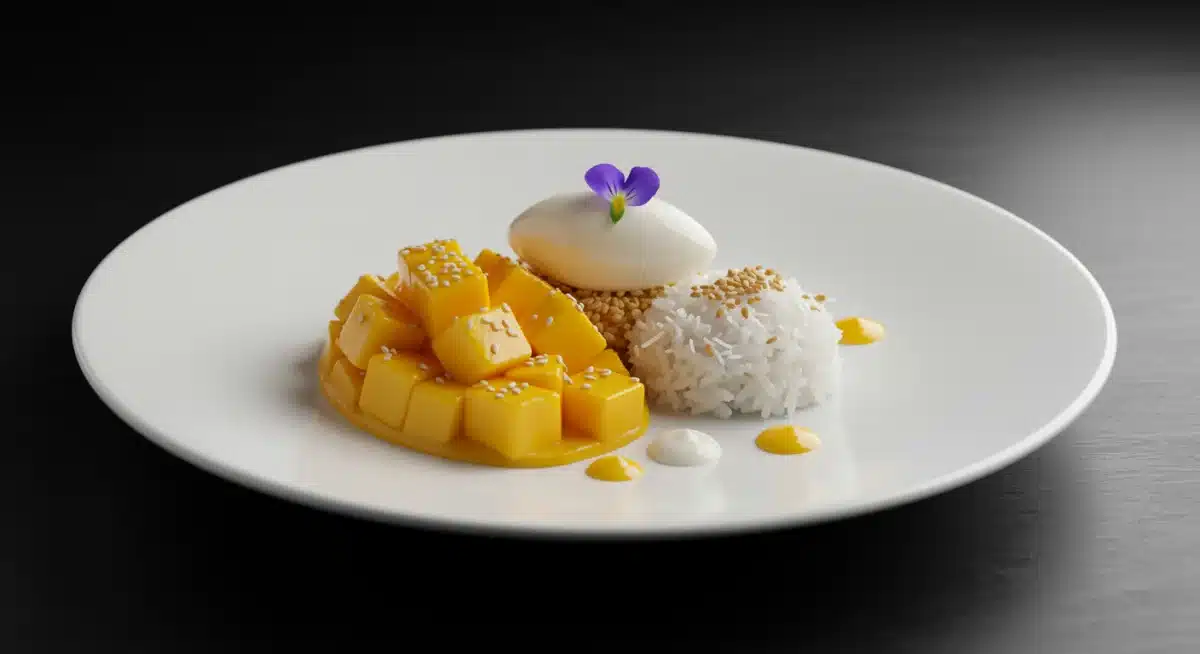
To round out our Pacific Rim Cuisine fusion meal, we present a dessert that is both comforting and exotic: Tropical Fruit Crumble with Coconut-Lime Topping. This dish takes the beloved West Coast concept of a fruit crumble and infuses it with the vibrant, sunny flavors of the Pacific, making for a refreshing and satisfying end to any meal. Master this by Spring 2026 to showcase your versatility.
Why This Dish?
- Flavor Combination: The sweetness of tropical fruits is balanced by the tartness of lime and the richness of coconut.
- Comfort Food with a Twist: A familiar dessert reinvented with exciting new flavors from Pacific Rim Cuisine.
- Seasonal Appeal: Perfect for spring and summer, utilizing fresh, ripe tropical fruits.
Ingredients:
For the Tropical Fruit Filling:
- 1 cup diced fresh pineapple
- 1 cup diced fresh mango
- 1 cup sliced fresh bananas
- 1/2 cup passion fruit pulp (fresh or frozen, thawed)
- 1/4 cup granulated sugar (adjust to fruit sweetness)
- 1 tbsp cornstarch
- 1 tsp fresh lime zest
- 1 tbsp fresh lime juice
For the Coconut-Lime Crumble Topping:
- 1 cup all-purpose flour
- 1/2 cup unsweetened shredded coconut
- 1/2 cup rolled oats
- 1/2 cup packed light brown sugar
- 1/2 tsp salt
- 1/2 cup (1 stick) unsalted butter, cold and cut into small cubes
- 1 tbsp fresh lime zest
Serving Suggestion:
- Coconut ice cream or vanilla bean ice cream
- Fresh mint sprigs
Instructions:
- Prepare the Fruit Filling: Preheat oven to 375°F (190°C). In a large bowl, gently combine the diced pineapple, mango, sliced bananas, passion fruit pulp, granulated sugar, cornstarch, lime zest, and lime juice. Toss until the fruit is evenly coated. Pour the fruit mixture into an 8×8 inch baking dish or individual ramekins.
- Make the Crumble Topping: In a separate medium bowl, combine the flour, shredded coconut, rolled oats, brown sugar, and salt. Whisk to combine. Add the cold, cubed butter. Using your fingertips or a pastry blender, cut the butter into the dry ingredients until the mixture resembles coarse crumbs with some pea-sized pieces of butter remaining. Stir in the lime zest.
- Assemble and Bake: Evenly sprinkle the crumble topping over the fruit filling in the baking dish.
- Bake: Bake for 30-40 minutes, or until the fruit filling is bubbly and the crumble topping is golden brown and crispy. If the topping browns too quickly, you can loosely tent it with foil.
- Cool and Serve: Let the crumble cool for at least 15-20 minutes before serving. This allows the filling to set slightly. Serve warm with a scoop of coconut or vanilla bean ice cream and a sprig of fresh mint, if desired.
The Future of Pacific Rim Cuisine on the West Coast
As we look towards Spring 2026 and beyond, the influence of Pacific Rim Cuisine on the West Coast shows no signs of waning. In fact, it is likely to deepen and become even more integrated. We can anticipate several trends:
- Increased Sustainability Focus: Both West Coast and Pacific Rim culinary traditions often prioritize sustainability. Expect to see more emphasis on locally sourced, ethically caught seafood and plant-based protein alternatives inspired by Asian culinary practices.
- Micro-Regional Asian Influences: Beyond broad categories, chefs will continue to explore specific regional cuisines from the Pacific Rim – perhaps focusing on specific provinces of China, islands of the Philippines, or lesser-known Polynesian traditions – bringing new, nuanced flavors to the West Coast.
- Health and Wellness Integration: The natural health benefits of many Pacific Rim ingredients (think ginger, turmeric, seaweed) will continue to align with the West Coast’s health-conscious ethos, leading to innovative dishes that are both delicious and nutritious.
- Technological Advancements: Modern culinary techniques and equipment will be used to enhance traditional Pacific Rim Cuisine methods, allowing for greater precision, efficiency, and creativity in fusion dishes.
- Educational Outreach: More cooking classes, workshops, and food festivals will emerge, dedicated to teaching the nuances of Pacific Rim Cuisine and its fusion with West Coast styles, making these culinary skills even more accessible to the home cook.
The beauty of this fusion lies in its endless possibilities. It’s a testament to the power of cultural exchange, demonstrating how food can bring people together and create something truly extraordinary. By mastering the three dishes outlined in this guide, you won’t just be cooking; you’ll be participating in a vibrant and evolving culinary movement that is defining the taste of the West Coast.
Conclusion: Your Culinary Journey to Mastering Pacific Rim Cuisine Fusion
The journey to mastering Pacific Rim Cuisine fusion is an exciting one, filled with discovery, flavor, and creativity. The West Coast, with its rich tapestry of cultures and unparalleled access to fresh ingredients, provides the perfect backdrop for this culinary exploration. By Spring 2026, the ability to effortlessly blend the vibrant flavors and sophisticated techniques of the Pacific Rim with the fresh, local approach of West Coast cooking will be a hallmark of a truly skilled and modern cook.
We’ve explored the historical context, the defining characteristics, and most importantly, provided you with three distinct and delicious recipes to get you started: the elegant Miso-Glazed Cod with Forbidden Rice and Bok Choy, the playful and textural Spicy Tuna and Avocado Crispy Rice Bites, and the refreshing Tropical Fruit Crumble with Coconut-Lime Topping. Each dish offers a unique opportunity to practice different techniques and understand how flavors from diverse culinary traditions can come together in perfect harmony.
Remember, cooking is an art, and fusion cooking is about respectful innovation. Don’t be afraid to experiment with ingredients, adjust spice levels, or substitute based on what’s fresh and available in your local market. The essence of Pacific Rim Cuisine fusion is about balance, freshness, and an adventurous spirit. As you practice these recipes and delve deeper into the world of fusion, you’ll not only enhance your culinary skills but also broaden your appreciation for the global interconnectedness of food.
So, take these recipes, make them your own, and confidently step into the future of food. By Spring 2026, your kitchen will be a testament to the exciting and delicious possibilities that arise when the Pacific Rim meets the West Coast. Happy cooking, and enjoy the incredible flavors you’re about to create!