The 2026 Guide to Sous Vide Main Dishes: Precision Cooking for Juicier Results
Anúncios
In the evolving landscape of culinary arts, few techniques have revolutionized home cooking quite like sous vide. This method, once confined to the hallowed halls of Michelin-starred restaurants, has gracefully transitioned into the domestic kitchen, offering unparalleled precision and consistently perfect results. As we step into 2026, the allure of sous vide main dishes continues to grow, promising juicier, more flavorful, and perfectly cooked meals every single time. This comprehensive guide will delve deep into the world of sous vide, equipping you with the knowledge, tips, and inspiration to master this transformative cooking technique for your everyday main courses.
Anúncios
What is Sous Vide and Why is it Perfect for Main Dishes?
Sous vide, French for “under vacuum,” involves sealing food in a vacuum-sealed bag and cooking it in a precisely temperature-controlled water bath. Unlike traditional cooking methods that rely on external heat sources and often lead to uneven cooking, sous vide ensures that your food reaches and maintains a specific internal temperature throughout. This level of control is what makes it an absolute game-changer, especially for sous vide main dishes.
Anúncios
The Science of Precision Cooking
The magic of sous vide lies in its ability to prevent overcooking. When you cook a steak in a pan, the exterior is exposed to much higher temperatures than the desired internal temperature, leading to a gradient of doneness – a well-done crust, a medium-rare center, and often a gray band in between. With sous vide, the water bath is set to the exact temperature you want your food to be. For instance, if you desire a medium-rare steak at 130°F (54°C), the water bath will be 130°F. This gentle, consistent heat transfer allows the food to cook evenly from edge to edge, resulting in a perfectly uniform texture and doneness.
Benefits for Your Main Dishes
- Unparalleled Juiciness: Because the food is cooked in a sealed bag, all its natural juices and flavors are retained. This means incredibly moist and tender meats, fish, and vegetables.
- Consistent Perfection: Say goodbye to guessing games. Every time you cook a specific cut of meat at a specific temperature, it will come out exactly the same, ensuring professional-level consistency.
- Enhanced Flavor: The vacuum sealing and slow cooking allow marinades and seasonings to deeply penetrate the food, intensifying its flavor profile.
- Flexibility and Convenience: Sous vide cook times are quite forgiving. A steak can stay in the water bath for an extra hour or two without overcooking, giving you flexibility in meal timing.
- Healthier Cooking: With sous vide, there’s no need for excessive oils or fats, making it a healthier cooking option for many main dishes.
Essential Equipment for Mastering Sous Vide Main Dishes
Getting started with sous vide is simpler than you might think. While there are various gadgets available, only a few are truly essential for creating delicious sous vide main dishes.
Immersion Circulator
This is the heart of your sous vide setup. An immersion circulator heats and circulates water in a container, maintaining a precise temperature. Popular brands like Anova, Joule, and Instant Pot offer reliable and user-friendly models. Look for one with good temperature stability and ease of use.
Water Bath Container
You’ll need a container to hold the water. This can be anything from a large stockpot to a dedicated sous vide container. Clear polycarbonate containers are popular as they allow you to see the food cooking and often come with lids designed to minimize evaporation and heat loss.
Vacuum Sealer or Zipper-Lock Bags
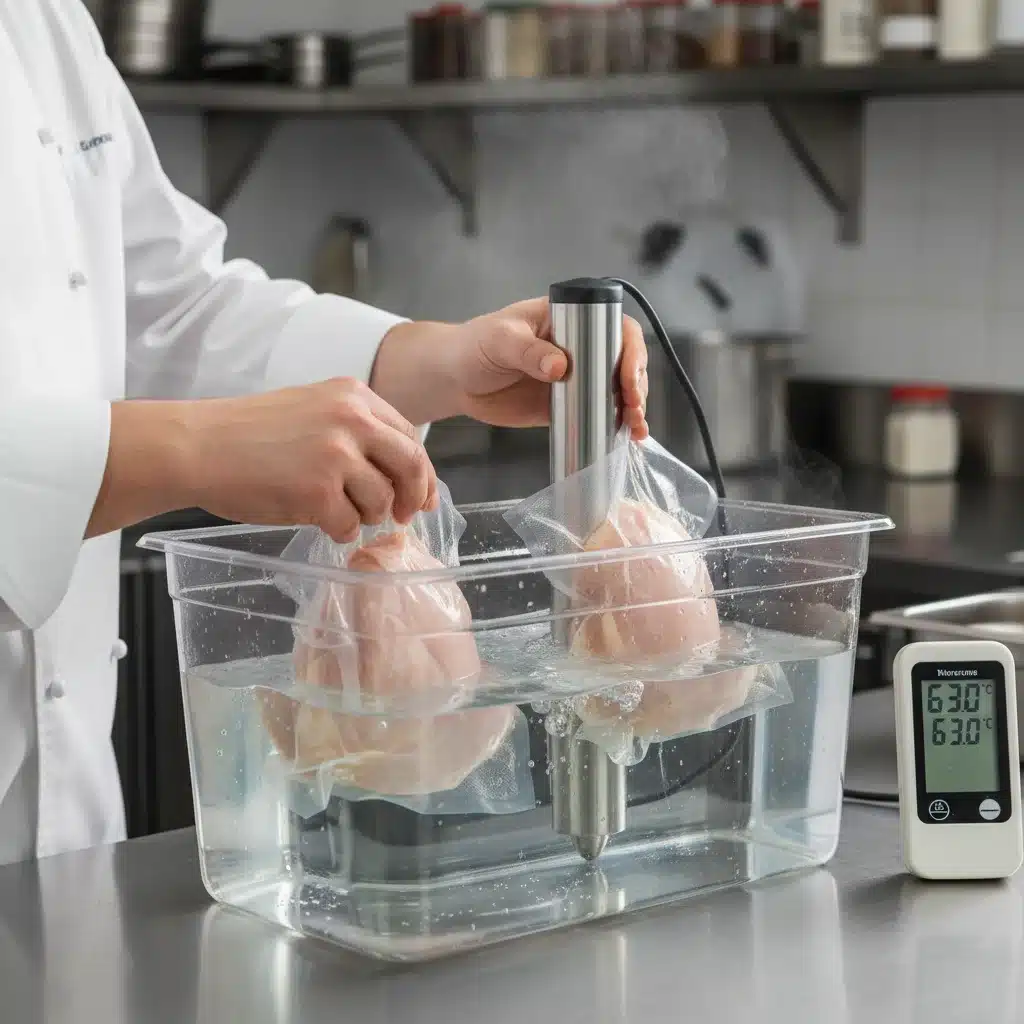
To cook food sous vide, it needs to be sealed in a bag to prevent water from entering and to ensure efficient heat transfer. While a vacuum sealer provides the best seal and is ideal for longer cooking times, the water displacement method with high-quality zipper-lock bags works perfectly for most shorter cooks. Simply submerge the bag with your food into the water bath, allowing the water pressure to push the air out before sealing it.
Other Useful Accessories
- Rack or Weights: To keep bags submerged, especially if they float.
- Cast Iron Skillet or Torch: For searing after cooking. This is crucial for developing flavor and texture on meats.
- Tongs: For safely handling hot bags.
Getting Started: Basic Steps for Any Sous Vide Main Dish
The fundamental process for cooking sous vide main dishes is remarkably consistent, regardless of the ingredient. Here’s a step-by-step breakdown:
- Set Up Your Water Bath: Fill your container with water and attach your immersion circulator. Set the desired temperature according to your recipe or preference.
- Prepare Your Food: Season your main dish ingredients generously. For meats, this often involves salt, pepper, and herbs. For fish, a lighter touch might be preferred.
- Seal the Food: Place the seasoned food into a vacuum-sealable bag. If using a vacuum sealer, ensure a tight seal. If using a zipper-lock bag, use the water displacement method to remove as much air as possible before sealing.
- Cook in the Water Bath: Once the water bath reaches the target temperature, carefully place the sealed bag into the water. Ensure the food is fully submerged. Cook for the recommended time.
- Finish (Optional but Recommended): For most meats and some vegetables, a quick finish is essential. This could involve searing in a hot pan, grilling, or even torching, to develop a delicious crust and add textural contrast.
Popular Sous Vide Main Dishes and Recipes for 2026
The versatility of sous vide means almost any main dish can benefit from this cooking method. Let’s explore some of the most popular and impressive sous vide main dishes you can master.
1. Perfect Sous Vide Steak
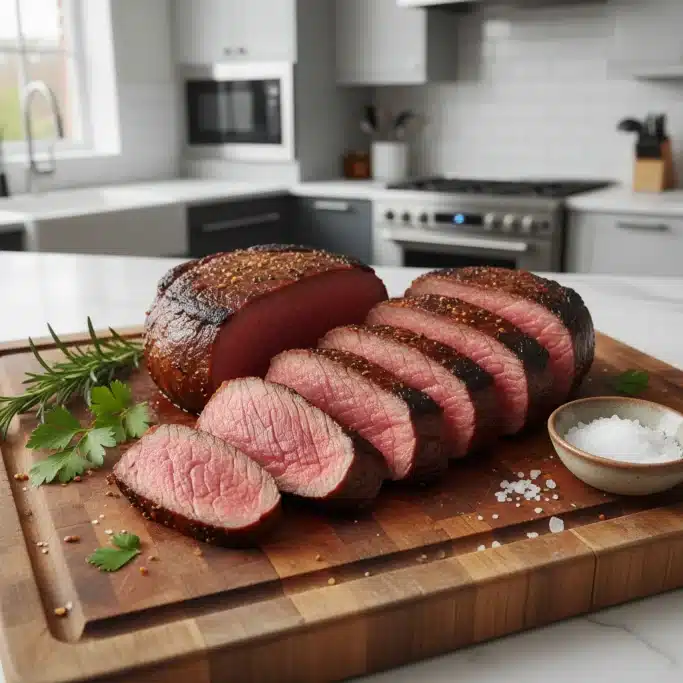
Steak is arguably the poster child for sous vide. Achieving a perfectly uniform medium-rare from edge to edge is effortless. For a 1.5-inch thick steak (ribeye, New York strip, sirloin), aim for 129-132°F (54-56°C) for 1-3 hours. After the bath, pat it dry thoroughly and sear in a screaming hot cast iron skillet with butter, garlic, and herbs for 60-90 seconds per side until a beautiful crust forms.
2. Juicy Sous Vide Chicken Breast
Chicken breast can often be dry and bland, but sous vide transforms it into an incredibly juicy and tender experience. Cook at 145-150°F (63-66°C) for 1-2 hours. A quick sear or grill after the bath adds a fantastic exterior. Consider brining the chicken beforehand for an extra layer of moisture and flavor.
3. Flaky Sous Vide Salmon
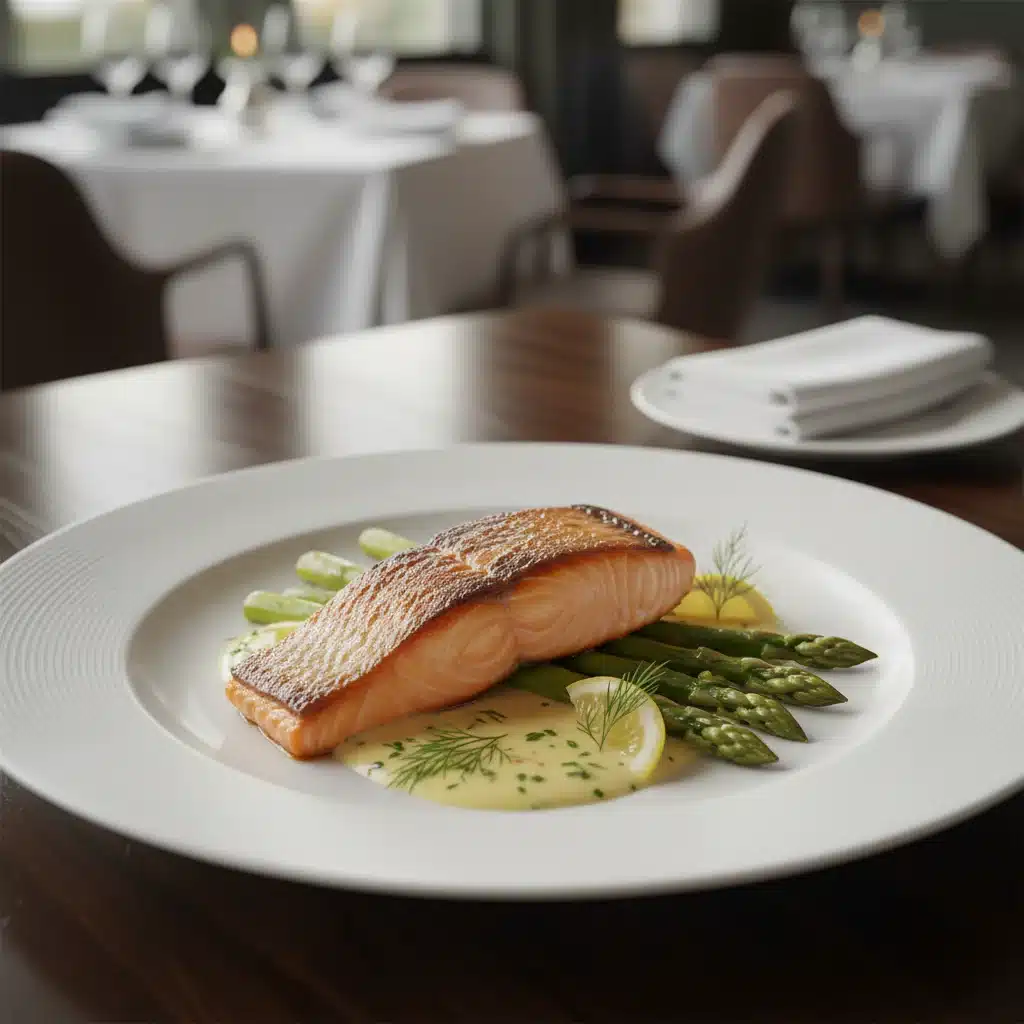
Fish, especially delicate salmon, benefits immensely from the gentle cooking of sous vide. It prevents overcooking and ensures a moist, flaky texture. Cook salmon fillets at 125-130°F (52-54°C) for 30-45 minutes. You can finish it with a quick pan-sear, skin-side down, to achieve crispy skin.
4. Tender Sous Vide Pork Tenderloin
Pork tenderloin is another cut that can easily dry out with traditional methods. Sous vide guarantees a tender, perfectly cooked result. Cook at 135-140°F (57-60°C) for 1.5-3 hours. Finish with a quick sear to develop a caramelized crust.
5. Fall-Off-The-Bone Sous Vide Ribs
While often associated with slow cookers or smokers, ribs can be incredibly tender and flavorful when cooked sous vide. Cook baby back ribs at 145°F (63°C) for 12-24 hours for a firmer texture, or 165°F (74°C) for 6-10 hours for a fall-off-the-bone experience. Finish on the grill with your favorite BBQ sauce.
6. Sous Vide Lamb Chops
Lamb chops, often a gourmet choice, become even more exquisite with sous vide. Achieve perfect medium-rare doneness with ease. Cook at 130-135°F (54-57°C) for 1-3 hours, then sear intensely in a hot pan.
7. Vegetarian and Vegan Sous Vide Main Dishes
Don’t think sous vide is just for meat! Vegetables like carrots, potatoes, asparagus, and even root vegetables can be transformed. Cooking vegetables sous vide enhances their natural sweetness and tenderness without turning them mushy. Consider sous vide carrots with brown butter and dill, or perfectly tender potatoes for a salad. You can also infuse flavors beautifully into plant-based proteins like tofu or tempeh using this method.
Advanced Sous Vide Techniques for Elevating Your Main Dishes
Once you’ve mastered the basics, you can explore more advanced techniques to truly elevate your sous vide main dishes.
Infusion and Flavor Development
The sealed environment of sous vide is perfect for infusing flavors. Add herbs (rosemary, thyme), aromatics (garlic, shallots), citrus zest, or spices directly into the bag with your food. The low, slow cooking allows these flavors to deeply penetrate the ingredient, resulting in a more complex and aromatic dish.
Compounding Butters and Oils
Before searing, consider making compound butters or flavored oils. For instance, a garlic-herb butter can be added to the pan during the steak sear, melting and basting the meat with incredible flavor. Similarly, infusing olive oil with chili flakes or lemon zest can add a final flourish.
Two-Stage Cooking for Tougher Cuts
For tougher cuts of meat like chuck roast, brisket, or short ribs, a two-stage sous vide approach can yield incredible results. Start with a longer cook at a lower temperature (e.g., 130-140°F / 54-60°C for 24-48 hours) to tenderize the meat, then raise the temperature for a shorter period (e.g., 165°F / 74°C for 2-4 hours) to break down connective tissues further and achieve a more traditional braised texture. This creates incredibly tender yet still juicy results.
Sous Vide and Spherification (Modernist Cuisine)
While more advanced, sous vide can even be integrated into modernist cooking techniques. For example, some chefs use sous vide to prepare ingredients for spherification or to create infused liquids used in gels and foams, adding a truly gourmet touch to your main dishes.
Troubleshooting Common Sous Vide Issues
Even with precision cooking, a few issues can arise. Knowing how to troubleshoot them will ensure your sous vide main dishes always turn out perfectly.
Food Floating in the Water Bath
If your food bag floats, it means there’s still air inside or the food itself is buoyant. Air pockets prevent proper heat transfer. Use weights (like ceramic pie weights or heavy spoons) to keep the bag submerged, or ensure you’ve removed as much air as possible during sealing. Dedicated sous vide racks can also help.
Lack of a Good Sear
A poor sear is usually due to insufficient heat or moisture on the food’s surface. Always pat your food completely dry with paper towels before searing. Ensure your pan is screaming hot (smoking hot for some oils) and use a high smoke point oil. Don’t overcrowd the pan, as this lowers the temperature.
Food Tastes ‘Boiled’ or ‘Steamed’
This can happen if you skip the searing step, especially with meats. The Maillard reaction (browning) is crucial for flavor development. Always finish meats and poultry with a quick, high-heat sear. For vegetables, a quick roast or sauté after sous vide can also enhance flavor and texture.
Bags Leaking
Ensure your vacuum sealer is functioning correctly and that there are no wrinkles in the bag seal. For zipper-lock bags, use high-quality freezer bags, as they are thicker and more durable. Double-bagging can provide extra security for longer cooks or delicate items.
The Future of Sous Vide Main Dishes in 2026 and Beyond
As we look to the future, the integration of sous vide into smart kitchens is becoming more seamless. Apps provide precise temperature and timing guides, and some circulators can even be controlled remotely. Expect more specialized equipment, better insulation for water baths, and an even wider array of recipes tailored for sous vide main dishes.
Sustainability and Efficiency
The precision of sous vide also contributes to sustainability. By preventing overcooking and food waste, it helps home cooks make the most of their ingredients. Furthermore, the ability to cook in batches and store perfectly cooked food safely contributes to more efficient meal planning and preparation.
Beyond Meat: Sous Vide for Plant-Based Innovation
The plant-based culinary world is also embracing sous vide. Expect to see innovative applications for creating unique textures in plant-based proteins, infusing complex flavors into vegetables, and even developing new vegan cheeses and dairy alternatives with the help of precise temperature control. This opens up a whole new realm for creative sous vide main dishes that cater to all dietary preferences.
Conclusion: Embrace the Precision of Sous Vide for Your Main Dishes
In 2026, sous vide is no longer a niche technique but a fundamental skill for any aspiring home chef looking to elevate their cooking. From perfectly seared steaks to incredibly juicy chicken and flaky fish, the consistency and quality it brings to your table are unmatched. By understanding the principles, investing in the right equipment, and experimenting with various recipes, you can transform your everyday meals into gourmet experiences.
Embrace the power of precision cooking and unlock a world of flavor and texture that will impress your family and friends. Your journey to mastering consistently delicious sous vide main dishes starts now. Happy cooking!