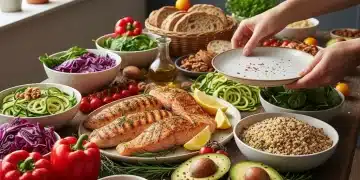
Nourish Your Plate: A Holistic Guide to Healthy Eating Habits
Anúncios
Forget everything you’ve been told about healthy eating. The narrative that it must be a joyless, restrictive, and time-consuming chore is not just wrong—it’s a marketing myth designed to sell you quick fixes and complicated diet plans. True nourishment isn’t about counting every calorie or demonizing entire food groups. It’s a return to basics, an approach built on balance, flavor, and a genuine understanding of what your body needs to thrive, not just survive. What if the path to better health wasn’t about deprivation, but about delicious abundance?
For too long, the conversation around food has been dominated by extremes. From low-carb crusades to juice cleanses, the landscape is littered with conflicting advice that leaves most people feeling confused and defeated. This guide cuts through that noise. We’re moving beyond the flawed concept of “good” versus “bad” foods to embrace a more sustainable and enjoyable philosophy. The goal is to build a positive relationship with your plate, where food is seen as both fuel for your body and a source of pleasure and satisfaction.
Anúncios
This full guide is your new roadmap. We will begin by demystifying the core principles of a balanced diet, breaking down the required nutrients your body craves. From there, we’ll dive into practical strategies for crafting delicious and nutritious main dishes you’ll actually look forward to eating. We’ll also provide a toolkit for creating quick, healthy meals on your busiest days and explore how to mindfully incorporate sweet treats without derailing your progress. It’s time to nourish your plate and transform your approach to eating for good.
Understanding the Foundation of Healthy Eating
Forget the endless war between “good” and “bad” foods that influencers are waging on your social media feed. The concept is a myth designed to sell you something. True healthy eating isn’t about restriction or moralizing your plate; it’s about understanding what your body actually needs to function. It’s about balance, variety, and moderation.
Anúncios
Most of the advice out there overcomplicates a simple truth. You don’t need a PhD in nutrition to eat well.
The Pillars of a Balanced Diet
The real framework for a healthy diet rests on three straightforward principles. First, balance means getting the right proportion of different food groups and nutrients. Imagine your plate as a pie chart—not a single-ingredient dish. A significant portion should be vegetables, followed by lean protein and complex carbohydrates.
Second, variety is your best defense against nutrient deficiencies. Eating the same “healthy” meal of chicken and broccoli every single day is better than a fast-food habit, but it’s a missed opportunity. Why? Because different foods offer unique arrays of vitamins and minerals. The antioxidants in blueberries are different from those in spinach, and your body benefits from a wide portfolio of these compounds.
Finally, there’s moderation. This is the one most people get wrong. Moderation isn’t about deprivation; it’s about permission. It allows for all foods to fit into your diet — yes, even those guilt-free delights that satisfy a sweet tooth. Denying yourself pleasure entirely often backfires into overindulgence. The goal is consistency, not perfection.
Necessary Nutrients: What Your Body Needs
Your body runs on fuel, much like a car. Macronutrients are the gasoline, oil, and coolant that keep the engine running, while micronutrients are the specialized fluids and spark plugs that handle specific, critical jobs. You need both, in the right amounts, to perform optimally.
The three macronutrients are carbohydrates, proteins, and fats. Carbohydrates are your body’s primary energy source, powering everything from your brain to your muscles. Proteins are the building blocks, required for repairing tissue, building muscle, and supporting immune function. Fats are important for hormone production and absorbing certain vitamins. A well-rounded meal, even one from our guide to speedy and wholesome main dishes, will contain a healthy balance of all three.
Then you have micronutrients, which are the vitamins and minerals your body requires in smaller quantities but are no less important. Think of Vitamin C for immune support, iron for oxygen transport, and calcium for bone health. What most people miss is how common deficiencies are. For instance, data from the CDC suggests that more than 90% of Americans don’t consume the recommended daily amount of Vitamin E.
Understanding these components isn’t about memorizing charts. It’s about empowering you to look at food as functional fuel, not just empty calories.
Crafting Nutritious Main Dishes for Every Day
Let’s be honest: your “healthy” dinner of boiled chicken and steamed broccoli is probably a culinary tragedy. The belief that nutritious food must be bland is a myth that derails more eating plans than anything else. True health on a plate comes from mastering flavor and technique, transforming basic ingredients into satisfying meals you actually want to eat. It’s about working smarter, not harder.
This isn’t about restriction. It’s about elevation.
Smart Ingredient Swaps for Healthier Mains
Building a healthier main dish often starts with simple, intelligent substitutions that cut down on sodium and unhealthy fats without sacrificing taste. Instead of coating your chicken in breadcrumbs, try a crust of crushed almonds and herbs for added fiber and healthy fats. Swapping sour cream or heavy cream for plain Greek yogurt in sauces provides a similar tangy creaminess with a significant protein boost and far less saturated fat. What most people miss is how much sodium is hiding in processed foods; the American Heart Association reports that over 70% of dietary sodium comes from packaged foods and restaurant meals, not the salt shaker.
Bulking up ground meat dishes with finely chopped mushrooms or lentils is another powerful move. It reduces the overall fat and calorie content while adding valuable nutrients and fiber — a trick that works surprisingly well in tacos, bolognese, and meatloaf. But are these swaps enough if your cooking method is working against you? This is where technique becomes the unsung hero of healthy eating.
Cooking Methods: Maximizing Nutrition and Flavor
How you cook your food is just as critical as what you are cooking. The right method can preserve delicate nutrients, enhance natural flavors, and minimize the need for added fats and oils. Methods like steaming, roasting, baking, and grilling are excellent for retaining the integrity of your ingredients. They use dry heat or steam to cook food thoroughly, which helps lock in vitamins that can be lost in boiling water.
Baking vs. Frying: A Health Perspective
The difference between baking and frying is stark, especially when it comes to caloric density and fat content. Frying submerges food in hot oil, which is absorbed in large quantities, dramatically increasing the calorie count. Baking, uses convection—hot air circulating around the food—to achieve a crisp exterior without the added fat. The numbers don’t lie. According to USDA FoodData Central, a 100-gram serving of fried chicken can pack over 290 calories and 19 grams of fat, while a baked version has roughly 165 calories and just 7 grams of fat.
Consider the trade-offs:
- Fat Content: Frying adds a substantial amount of external fat. Baking requires little to no added oil, relying on the food’s natural fats.
- Nutrient Retention: High-heat frying can destroy some heat-sensitive vitamins. Baking at a moderate temperature is generally gentler on nutrients.
- Calorie Density: The oil absorbed during frying makes it a far more calorie-dense option compared to the lean profile of baked foods.
- Flavor Profile: While frying delivers a unique crunch, baking and roasting can develop deeper, more complex flavors through caramelization.
Recipe Inspiration: Balanced Plates Made Easy
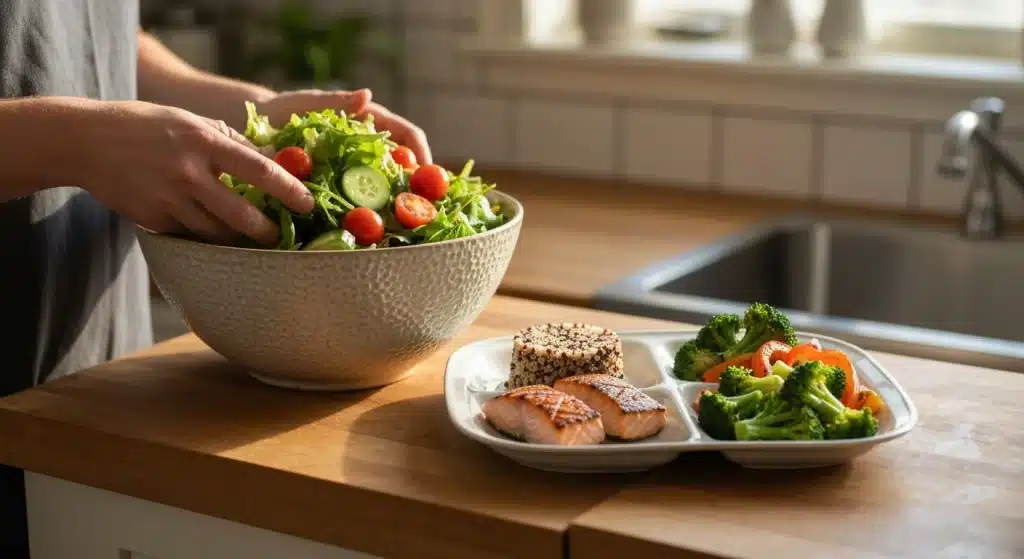
The most effective framework for a balanced plate is often the simplest: fill half your plate with non-starchy vegetables, a quarter with lean protein, and the final quarter with whole grains or complex carbohydrates. This visual guide removes the need for obsessive calorie counting. It’s a sustainable system for building satisfying meals, from a roasted salmon fillet with quinoa and asparagus to a black bean burger on a whole-wheat bun with a large side salad. For those nights when time is short, applying this principle to quick and healthy main dishes is a turning point.
Thinking about the entire meal experience, rather than just one dish, helps create a more positive relationship with food. A well-constructed main course leaves you satisfied, not stuffed, which makes it easier to enjoy things like wholesome treats in moderation. It’s about balance across the board.
Weekly Meal Prep for Main Dishes
The secret to consistent healthy eating during a busy week isn’t cooking seven separate, elaborate meals. It’s about prepping components. On Sunday, spend 90 minutes batch-cooking versatile items: grill a pack of chicken breasts, roast a large tray of mixed vegetables (broccoli, bell peppers, onions), and cook a large batch of brown rice or quinoa. Store them in separate containers in the fridge.
This approach is like laying out your clothes for the week — the nightly dinner rush becomes a simple assembly job instead of a chaotic scramble from scratch. You can combine these core components in different ways to avoid flavor fatigue. This prep strategy is the quiet engine behind many effortless and nutritious meals that come together in less than 15 minutes. This small investment of time completely changes the equation for your weeknight dinners.
The most successful eating strategies are not built on restriction, but on addition. When you focus on adding more nutrient-dense foods to your plate, the less healthy options often get crowded out naturally, without the psychological backlash of deprivation.
— Dr. Alisha Grant, Nutritional Psychologist
| Aspect | Conventional Dieting Mindset | Holistic Healthy Eating Approach |
|---|---|---|
| Focus | Restriction, calories, and weight loss | Nourishment, energy, and overall well-being |
| Food Labeling | Categorizes foods as “good” or “bad” | Recognizes all foods can fit in moderation |
| Approach to Cravings | Suppress and ignore cravings, leading to binges | Understands and addresses cravings mindfully |
| Primary Goal | Achieving a short-term outcome (e.g., weight target) | Building sustainable, lifelong habits |
| Psychological Impact | Often creates guilt, anxiety, and a poor food relationship | Fosters a positive, flexible, and enjoyable relationship with food |
Quick Meals: Healthy Eating Without the Hassle
Let’s dismantle the biggest myth in nutrition: that healthy eating requires hours you don’t have. The belief that a wholesome meal is a time-consuming ordeal is a convenient excuse, not a reality. With the right strategy, you can create delicious, nourishing food faster than a delivery driver can find your address. It’s all about working smarter, not harder.
The entire game changes when you stop thinking about cooking on a meal-by-meal basis. Instead, you need an efficient system. A report in the American Journal of Preventive Medicine showed that people who spend even a small amount of time on meal prep are significantly more likely to meet nutritional guidelines. This isn’t about complex culinary projects; it’s about simple, repeatable actions that save you from decision fatigue on a busy Tuesday night.
Pantry Essentials for Express Cooking
Your pantry is your first line of defense against the siren call of unhealthy takeout. A well-stocked kitchen is like having a cheat code for dinner. Forget exotic, hard-to-find ingredients. We’re talking about a practical arsenal of staples that come together in minutes for a surprisingly satisfying meal. Keep these items on hand and you’re always just a few steps away from a healthy plate.
Your express cooking toolkit should include:
- Quick-Cooking Grains: Think quinoa, couscous, and instant brown rice. These cook in 15 minutes or less and provide a solid base of complex carbs and fiber.
- Canned Goods: Legumes like chickpeas and black beans are packed with protein and just need a rinse. Canned tuna or salmon in water offer a fast protein hit for salads and wraps.
- Versatile Sauces & Pastes: A jar of high-quality marinara, curry paste, or a tube of tomato paste can instantly add depth and flavor to any dish.
- Frozen Vegetables & Fruits: Often frozen at peak freshness, items like peas, corn, spinach, and berries are just as nutritious as their fresh counterparts and eliminate chopping time.
Having these basics means you are always prepared to follow a guide to quick, healthy main dishes without a last-minute grocery run.
Batch Cooking and Prepping for Speed
The concept of batch cooking often conjures images of endless rows of identical, sad-looking containers. But that’s a failure of imagination. Effective meal prep isn’t about eating the same thing for five days straight; it’s about preparing versatile components that can be mixed and matched throughout the week. This is your secret weapon.
Spend one or two hours on a Sunday preparing a few key items. Cook a large batch of quinoa. Roast a sheet pan of mixed vegetables like broccoli, bell peppers, and onions. Grill or bake a few chicken breasts or a block of tofu. Now you have the building blocks for salads, grain bowls, tacos, and wraps that can be assembled in under five minutes. It’s less about full meals and more about having a personal “salad bar” ready in your fridge.
Vegetable Chopping Hacks
Let’s be honest, chopping vegetables can be the most tedious part of cooking. But what if you could cut that time by 70% or more? A food processor with a slicing or grating attachment is your best friend for things like carrots, cabbage, and zucchini. For softer items, simple tools work wonders—an egg slicer, for instance, produces perfectly uniform mushroom or strawberry slices in seconds. You can also “blitz” onions, garlic, and celery in a blender with a little water for a fast soup base (a trick I picked up from a busy restaurant chef).
Go-To Recipes for Under 20 Minutes
When you’re pressed for time, you need a mental rolodex of ultra-fast recipes. These aren’t just theoretical ideas; they are tried-and-true formulas. A black bean and corn salsa mixed with quinoa and avocado is a complete meal that takes five minutes. An omelet or frittata loaded with frozen spinach and feta cheese is a high-protein dinner that cooks in ten.
Thinking in terms of templates rather than strict recipes is key. This approach empowers you to use what you have on hand, which is exactly the point of crafting healthy main dishes in under 30 minutes. A simple pasta dish with garlic, olive oil, canned artichoke hearts, and a sprinkle of chili flakes is both elegant and incredibly fast.
One-Pan Wonders and Sheet Pan Dinners
The ultimate low-effort, high-reward meal is the sheet pan dinner. The principle is simple: toss protein and vegetables with olive oil and seasonings, spread them on a baking sheet, and roast. The underrated factor here is understanding cook times. Harder vegetables like potatoes and carrots go in first, while softer ones like zucchini and bell peppers are added partway through. This staggered approach ensures everything is perfectly cooked at the same time.
This method minimizes both active cooking time and cleanup. Is there anything better than a delicious meal that only leaves you with one pan to wash? It’s a powerful tool for consistency, turning the dreaded “what’s for dinner?” question into a simple, stress-free action that doesn’t derail your health goals or end with you hunting for guilt-free sweet treats out of frustration.
Sweet Treats: Indulging Mindfully and Healthily
The diet industry has sold you a lie: that dessert is the enemy. This all-or-nothing approach, where a single cookie unravels an entire week of “good” behavior, is not only unsustainable but psychologically damaging. The truth is that a healthy relationship with food includes pleasure. Denying yourself completely often leads to bingeing, a cycle confirmed by numerous studies in nutritional psychology. It’s time to stop fighting your cravings and start outsmarting them.
Rethinking Dessert: Balance and Moderation
What most people miss is that the problem isn’t the dessert itself, but the mindless way we consume it. Eating a pint of ice cream while scrolling through your phone is like having your favorite song play as hold music—you technically hear it, but you don’t experience it. Mindful indulgence means giving that treat your full attention. You notice the texture, the complex flavors, and the satisfaction it brings, which often means you need less to feel content.
This focus naturally leads to better portion control. Let’s face it, American portion sizes have distorted our perception of what a single serving looks like. Research from Cornell University’s Food and Brand Lab found that simply using a smaller bowl or plate can decrease the amount of food consumed by up to 22% without affecting feelings of satisfaction. How much are you eating just because it’s there?
It is a powerful shift in perspective.
When you savor a small, high-quality piece of dark chocolate, it can be more fulfilling than a giant, mediocre candy bar wolfed down in the car. This approach allows you to enjoy guilt-free delights without sabotaging your health goals.
Smart Swaps for Guilt-Free Sweets
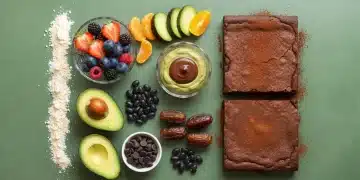
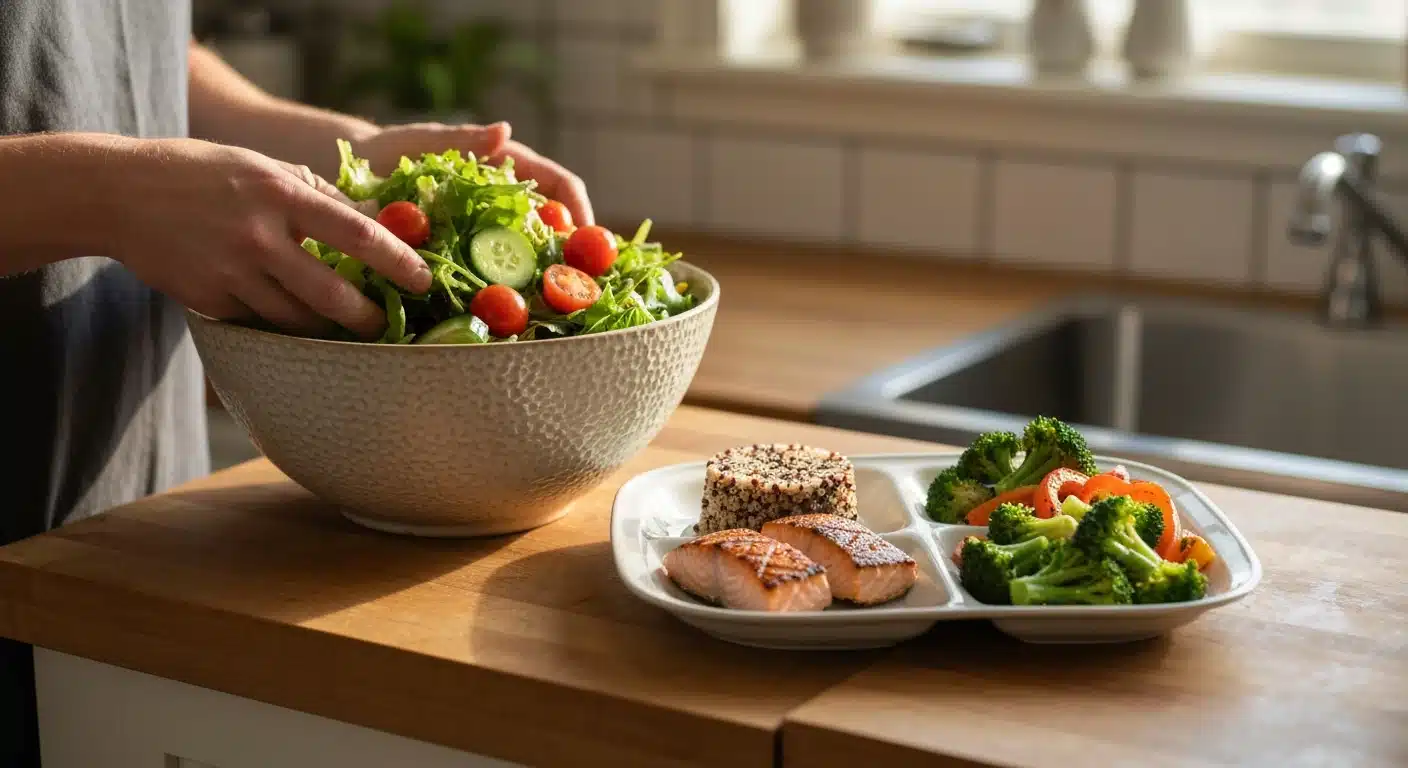
Rethinking dessert also means getting creative in the kitchen. This isn’t about baking sad, cardboard-flavored cookies. Instead, it’s about using whole-food ingredients to build incredible flavor and texture. Think creamy chocolate avocado mousse, black bean brownies that are shockingly fudgy, or using unsweetened applesauce to replace oil in muffins. Many of our healthy dessert recipes for every craving are built on these exact principles.
Of course, the big question is always sugar. Navigating sugar alternatives can feel like a minefield.
- Stevia: A plant-based, zero-calorie sweetener that doesn’t impact blood sugar. The downside? Some people detect a distinct, slightly bitter aftertaste.
- Erythritol: This sugar alcohol is very low in calories and has a minimal effect on blood glucose. for some individuals, consuming larger amounts can lead to digestive discomfort.
- Natural Sugars (Maple Syrup, Honey): While they offer trace minerals and antioxidants not found in table sugar, they are still sugars. They will raise your blood sugar and should be used in moderation—they aren’t a free pass.
The underrated factor here is simply reducing, not always replacing. I suspect that you could cut the sugar in many of your favorite baking recipes by 25-33% without anyone noticing a major difference, especially if you boost flavor with vanilla, cinnamon, or cardamom. Finding wholesome treats for every craving is often about small adjustments, not a complete overhaul. This small change makes a huge difference over time.
Building Sustainable Healthy Eating Habits
Let’s be honest: the idea that pure willpower is the key to healthy eating is a myth. Lasting change is rarely about white-knuckling your way through cravings. The real work is psychological, focusing on building a system that supports your goals instead of fighting against your nature. It requires a shift from restriction to intention.
This starts with mindful eating, a practice that disconnects food from emotional triggers. Before reaching for a snack, ask yourself a simple question: am I hungry, or am I just stressed, bored, or tired? A study from Stanford University found that participants who practiced mindfulness reported a significant reduction in stress-related eating. Recognizing the “why” behind your urge to eat is the first step in taking back control—a far more effective strategy than simply banning certain foods.
Overly ambitious goals are another common pitfall. Trying to overhaul your entire diet overnight is like trying to learn a new language in a weekend. It’s overwhelming and doomed to fail. Instead, focus on small, incremental wins. Maybe this week you master a few quick and wholesome main dishes to avoid takeout. Next week, you could try incorporating one more vegetable into your daily routine. These tiny victories build momentum.
A sustainable plan also allows for enjoyment. Completely eliminating foods you love often leads to bingeing later. The underrated factor here is learning to integrate favorites in a balanced way, like with some guilt-free delights that satisfy cravings without derailing your progress. The goal isn’t perfection; it’s consistency.
Ultimately, your eating plan should be a personal blueprint, not a rigid set of rules copied from someone else. What works for your friend might not work for you—and that’s okay. Your nutritional journey is an ongoing process of listening to your body, adjusting your approach, and finding what makes you feel your best long-term.
Beyond the Plate: Eating as an Act of Self-Care
Ultimately, the journey to healthier eating isn’t about perfectly following a set of external rules; it’s about developing an internal compass. The recipes and techniques in this guide are tools, but the real skill you’re building is nutritional intuition—the ability to listen to your body, understand its signals of hunger and satisfaction, and respond with nourishment rather than restriction. This shift transforms cooking from a daily chore into a consistent act of self-respect and care.
Instead of asking, “What am I allowed to eat?” start asking, “What would make my body feel energized and strong right now?” The answer to that question will change day by day, and that’s the entire point. Your plate becomes a dynamic reflection of your life’s demands, not a rigid prison of dietary dogma. Where will this more mindful and flexible approach to food take you next?
Frequently Asked Questions About Healthy Eating
What are the most common misconceptions about healthy eating?
The biggest misconceptions are that healthy food is inherently bland, expensive, and time-consuming. Many also mistakenly believe you must eliminate entire food groups, like carbs or fats, or that a single “unhealthy” meal ruins all progress. True healthy eating is flexible, flavorful, and adaptable to any budget or schedule.
How can I make healthy eating affordable on a budget?
Focus on budget-friendly staples like beans, lentils, eggs, and in-season or frozen produce. Plan your meals to reduce food waste, buy in bulk for items like oats and rice, and cook at home more often. These strategies significantly cut costs without compromising nutritional quality.
Is it possible to eat healthily while dining out frequently?
Absolutely. Check menus online beforehand to find nutritious options. Choose dishes that are grilled, baked, or steamed instead of fried. Don’t hesitate to ask for sauces or dressings on the side to control portions, and prioritize meals that include a generous serving of vegetables.
What are some easy ways to increase vegetable intake in main dishes?
You can easily boost your vegetable intake by adding finely chopped mushrooms or grated zucchini to meat sauces, mixing spinach into eggs or smoothies, and using spiralized vegetables as a base for pasta dishes. Roasting a large tray of mixed vegetables at the start of the week also makes them easy to add to any meal.
How do I manage sweet cravings without resorting to unhealthy options?
Manage sweet cravings by opting for nutrient-dense choices like whole fruits, Greek yogurt with berries, or a small square of dark chocolate. Staying hydrated and ensuring your meals are balanced with protein and fiber can also help regulate blood sugar and reduce intense cravings. The key is moderation, not complete deprivation.