Mastering Authentic Creole Gumbo: A 2026 Recipe for Flavor in 90 Minutes
Anúncios
Louisiana. The very name conjures images of vibrant music, historic architecture, and, perhaps most importantly, incredibly rich and soulful food. At the heart of this culinary landscape lies a dish that is more than just a meal; it is a cultural cornerstone, a story told in every spoonful: Authentic Creole Gumbo. For generations, this iconic stew has graced tables, celebrated traditions, and brought families together. But for many outside the Bayou State, the idea of preparing an authentic Creole Gumbo can seem daunting, a culinary Everest reserved for seasoned chefs. Fear not, aspiring gumbo masters! In 2026, we’re peeling back the layers of complexity to bring you a recipe that delivers profound, authentic flavors in a surprisingly achievable 90 minutes. Yes, you read that right – authentic taste, simplified process, without compromising on the soul of this beloved dish.
Anúncios
This isn’t just another recipe; it’s a journey into the heart of Creole cooking, designed for the modern kitchen. We’ll demystify the roux, celebrate the ‘Holy Trinity,’ and embrace the unique blend of spices that make Creole Gumbo so irresistible. Forget spending an entire day over the stove; our 2026 approach leverages smart techniques and quality ingredients to fast-track your way to a steaming, fragrant bowl of perfection. Whether you’re a novice cook eager to explore new horizons or a seasoned home chef looking to refine your technique and save time, this guide to mastering Authentic Creole Gumbo is your passport to culinary success.
Anúncios
Understanding the Soul of Authentic Creole Gumbo
Before we don our aprons and fire up the stove, let’s take a moment to appreciate what makes Authentic Creole Gumbo so special. Gumbo, in its essence, is a thick, savory stew, but its identity is deeply intertwined with the diverse history of Louisiana. The word ‘gumbo’ itself is thought to derive from the Bantu word ‘kombo’ for okra, or the Choctaw word ‘kombo’ for filé. This linguistic blend hints at the multicultural origins of the dish, incorporating African, French, Spanish, and Native American influences.
Creole Gumbo, specifically, often features a tomato base, a characteristic distinguishing it from its Cajun cousin, which typically omits tomatoes and relies more heavily on a dark roux and sometimes filé powder for thickening. Creole Gumbo is also known for its inclusion of seafood (shrimp, crab, oysters) alongside various meats like chicken, duck, and different sausages, most notably Andouille. The interplay of these ingredients, simmered patiently, creates a symphony of flavors that is both comforting and complex.
The foundation of any great gumbo, whether Creole or Cajun, is the roux. This mixture of fat and flour, cooked until it reaches a desired color, is not just a thickener; it’s a flavor enhancer, adding depth and a nutty richness that is irreplaceable. For Authentic Creole Gumbo, a medium to dark roux is often preferred, offering a robust base without overpowering the other delicate flavors. Our 90-minute recipe will guide you through achieving the perfect roux efficiently.
Creole vs. Cajun: A Quick Distinction for Authentic Gumbo
While often conflated, Creole and Cajun cuisines, and thus their respective gumbos, have distinct characteristics. Creole cuisine, born in New Orleans, is often described as ‘city food,’ influenced by European (French, Spanish), African, and Caribbean traditions. It tends to be more refined, often incorporating tomatoes and a wider array of ingredients. Cajun cuisine, on the other hand, originated in rural Acadiana, developed by French Acadians who settled in Louisiana. It’s often considered ‘country food,’ characterized by heartier, more rustic preparations, a very dark roux, and typically no tomatoes. Understanding this distinction helps appreciate the specific flavor profile we aim for in our Authentic Creole Gumbo.
The Essential Ingredients for Your 2026 Creole Gumbo
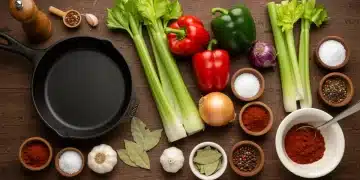
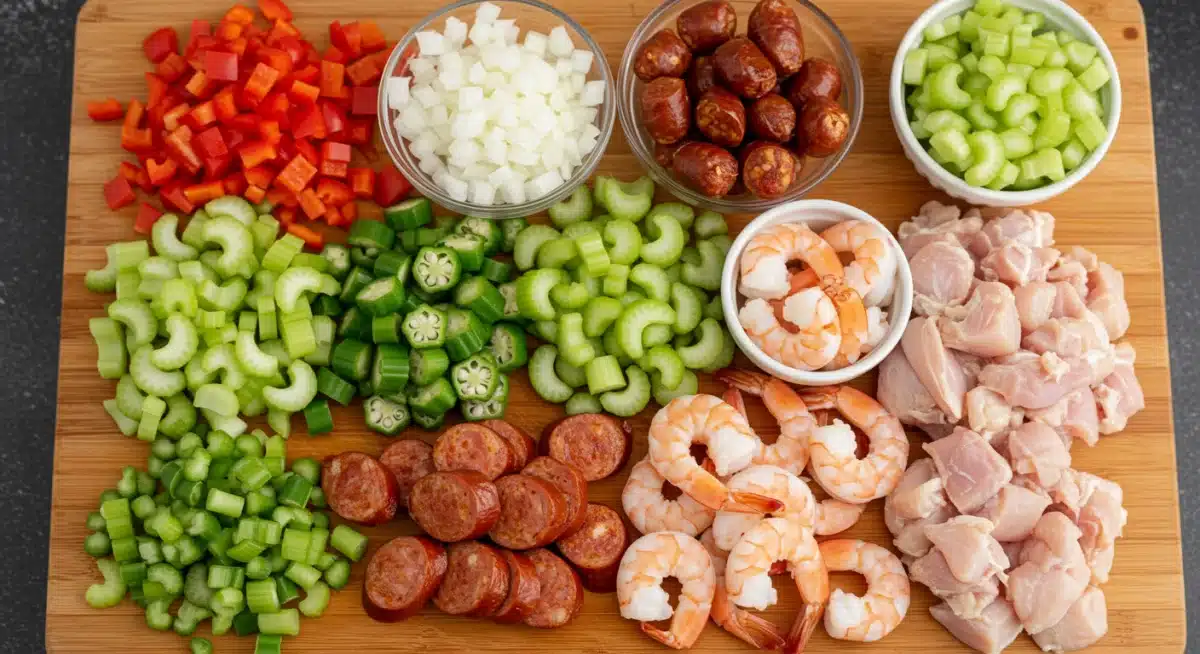
Quality ingredients are paramount when crafting a truly authentic dish. While our recipe is designed for speed, we never compromise on flavor. Here’s what you’ll need for your 90-minute Authentic Creole Gumbo:
- For the Roux:
- 1 cup all-purpose flour
- 1 cup vegetable oil (or other neutral oil)
- The Holy Trinity:
- 2 large yellow onions, finely chopped
- 2 green bell peppers, finely chopped
- 4 stalks celery, finely chopped
- Meats & Seafood:
- 1 lb boneless, skinless chicken thighs, cut into 1-inch pieces
- 1 lb Andouille sausage, sliced into 1/2-inch rounds
- 1 lb medium shrimp, peeled and deveined (fresh or frozen, thawed)
- Liquids & Aromatics:
- 6-8 cups chicken broth (low sodium preferred)
- 1 (14.5 oz) can diced tomatoes, undrained
- 4 cloves garlic, minced
- 1 tsp dried thyme
- 1/2 tsp dried oregano
- 1/4 tsp cayenne pepper (adjust to taste)
- 2 bay leaves
- Salt and freshly ground black pepper to taste
- Optional (but highly recommended for authenticity):
- 1 cup fresh or frozen sliced okra
- 1/4 cup chopped fresh parsley
- 2-3 dashes hot sauce (e.g., Tabasco or Crystal)
- For Serving:
- Cooked white rice
- Chopped green onions
- Extra hot sauce
The 90-Minute Master Plan: Crafting Your Authentic Creole Gumbo
This recipe is optimized for efficiency without sacrificing the rich, layered flavors characteristic of Authentic Creole Gumbo. We’ll work smartly, prepping as we cook to keep the pace brisk.
Step 1: The Quick Roux (15 minutes)
- Heat the vegetable oil in a large, heavy-bottomed Dutch oven or pot over medium-high heat. Once shimmering, gradually whisk in the flour, ensuring no lumps.
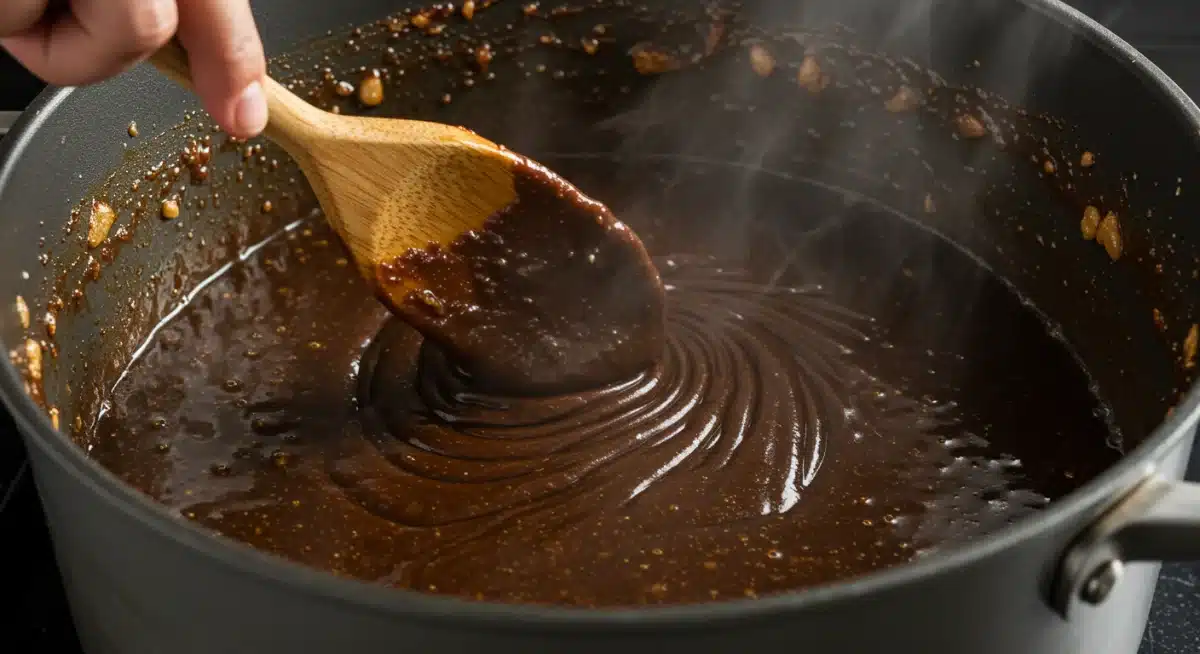
- Continuously whisk the mixture. This is crucial for a quick roux. Keep the heat consistent and stir constantly. The roux will go from pale to peanut butter colored, then to a rich, dark chocolate brown. For Creole Gumbo, aim for a color similar to a copper penny or milk chocolate. This typically takes about 10-15 minutes of constant stirring. Do not walk away! A burnt roux means starting over.
- Once your roux reaches the desired color, immediately remove the pot from the heat to stop the cooking process.
Step 2: Building the Flavor Base – Trinity & Aromatics (15 minutes)
- Return the pot to medium heat. Add the chopped onions, bell peppers, and celery (the ‘Holy Trinity’) to the roux. Stir well to coat the vegetables. The residual heat from the roux will start to cook them.
- Cook, stirring frequently, for about 8-10 minutes, until the vegetables have softened and become fragrant. The roux will seize up slightly at first, but as the vegetables release moisture, it will loosen.
- Add the minced garlic, dried thyme, dried oregano, and cayenne pepper. Cook for another 1-2 minutes, stirring constantly, until the garlic is fragrant. Be careful not to burn the garlic.
Step 3: Simmering the Meats & Liquids (40 minutes)
- Add the chicken pieces to the pot and stir to coat them with the roux and vegetables. Cook for about 5 minutes, stirring occasionally, until the chicken is lightly browned on all sides.
- Pour in the chicken broth and the canned diced tomatoes (undrained). Stir well, scraping any browned bits from the bottom of the pot. Add the bay leaves.
- Bring the mixture to a boil, then reduce the heat to low, cover, and let it simmer for 30 minutes. This simmering time is crucial for the flavors to meld and for the chicken to become tender.
- During this simmering time, if using, prepare your okra. If using fresh, slice it. If frozen, you can add it directly later.
Step 4: The Final Touches – Sausage & Shrimp (15 minutes)
- After 30 minutes of simmering, add the sliced Andouille sausage to the gumbo. Stir and continue to simmer, uncovered, for another 10 minutes. This allows the sausage to release its smoky flavor into the stew.
- If using okra, add it now and simmer for 5 minutes, or until tender-crisp. Okra helps to thicken the gumbo and adds a characteristic flavor and texture.
- Finally, add the peeled and deveined shrimp. Cook for just 3-5 minutes, or until the shrimp turn pink and opaque. Overcooking shrimp will make them rubbery.
- Remove the bay leaves. Taste the gumbo and adjust seasoning with salt, black pepper, and hot sauce as needed. The gumbo should be well-seasoned and have a slight kick.
Step 5: Resting & Serving (5 minutes)
- Remove the pot from the heat and let the Authentic Creole Gumbo rest for 5 minutes. This allows the flavors to settle and the gumbo to thicken slightly.
- While resting, prepare your white rice.
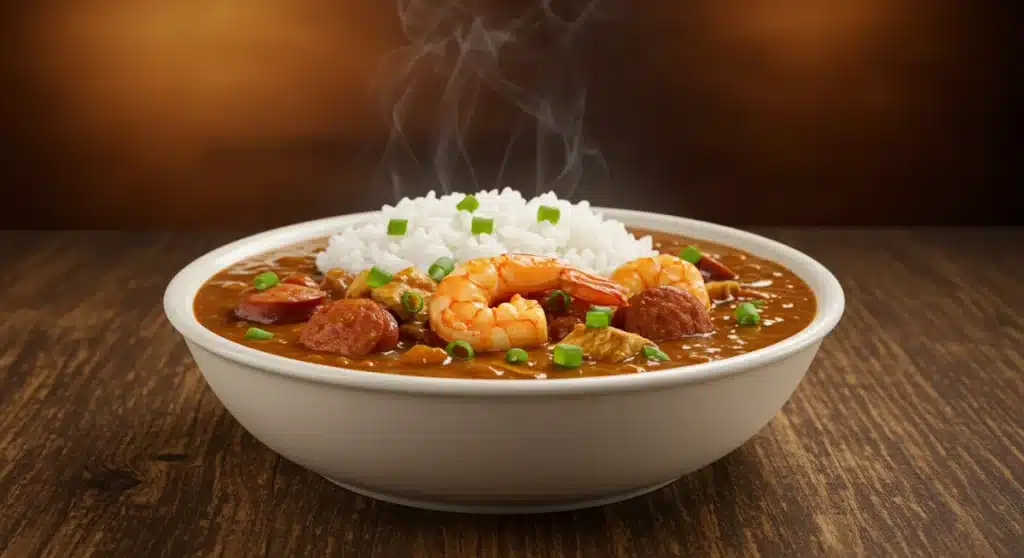
- Ladle generous portions of gumbo over mounds of fluffy white rice. Garnish with fresh chopped green onions and serve with extra hot sauce on the side for those who like more heat.
Tips for a Truly Authentic Creole Gumbo Experience
Achieving a truly remarkable Authentic Creole Gumbo goes beyond just following a recipe. Here are some pro tips to elevate your dish:
- Don’t Rush the Roux (Even if it’s a Quick One): While our roux is quicker, it still demands attention. The color and nutty aroma are key. A darker roux provides deeper flavor but also requires more vigilance to prevent burning.
- The Quality of Your Stock Matters: A good quality chicken broth makes a significant difference. If you have homemade stock, this is the time to use it.
- Andouille is Non-Negotiable: For truly Authentic Creole Gumbo, Andouille sausage is the gold standard. Its smoky, spicy profile is integral to the dish. Don’t substitute with generic smoked sausage if you can help it.
- Freshness of Seafood: Use fresh, good-quality shrimp. If using frozen, thaw them properly and pat them dry before adding to the gumbo.
- The Power of the Holy Trinity: Don’t skimp on the onions, bell peppers, and celery. They form the aromatic backbone of the gumbo.
- Spice Level Adjustments: Creole Gumbo typically has a gentle warmth, but you can adjust the cayenne pepper and hot sauce to your preference. Remember, you can always add more, but you can’t take it away.
- The Okra Debate: Some purists will argue for okra, others for filé powder, and some for both. For Creole Gumbo, okra is a common addition, contributing to both flavor and texture. If you prefer not to use okra, you can omit it or add a teaspoon of filé powder at the very end, stirring it into individual bowls (never boil filé powder, as it can become stringy).
- Let it Rest: Gumbo, like many stews, often tastes even better the next day. The flavors continue to meld and deepen. If you can, make it ahead of time.
- Serve with Love: Gumbo is a communal dish. Serve it with a smile and share the story of its rich heritage.
Why This 2026 Authentic Creole Gumbo Recipe Works in 90 Minutes
You might be wondering how we achieve such rich flavors in a relatively short timeframe for an Authentic Creole Gumbo. Here’s the breakdown of our strategic approach:
- Efficient Roux Technique: Our method for the roux focuses on constant, vigorous whisking over medium-high heat. This accelerates the browning process without burning, allowing you to achieve a deep color and flavor in minutes rather than half an hour.
- Simultaneous Prepping: While the roux is cooking, you should ideally have your ‘Holy Trinity’ chopped and ready. As soon as the roux is done, the vegetables go in, keeping the momentum going. Similarly, chicken and sausage can be prepped while the vegetables soften.
- Layering Flavors: We introduce ingredients in a specific order to build flavor. The roux provides the base, followed by the aromatics (Trinity and garlic) that bloom in the fat. Browning the chicken adds another layer of deep savory notes.
- Strategic Simmering: The 30-minute simmer with chicken and broth allows the core flavors to develop without needing an all-day cook. The chicken tenderizes, and the spices infuse the liquid.
- Quick-Cooking Ingredients Last: Sausage, okra, and shrimp are added towards the end. Sausage only needs to heat through and meld its flavors, while shrimp cooks very quickly, maintaining its tender texture.
This streamlined process respects the traditional flavor profiles of Authentic Creole Gumbo while adapting to the demands of modern life. It’s about working smarter, not necessarily longer, to bring a taste of Louisiana into your home.
The Cultural Significance of Authentic Creole Gumbo
Beyond its incredible taste, Authentic Creole Gumbo holds immense cultural significance. It embodies the melting pot history of New Orleans and the broader Louisiana region. It’s a dish of resilience, innovation, and celebration. Historically, gumbo was a way to make a satisfying meal with whatever ingredients were available, often reflecting the economic circumstances and diverse culinary backgrounds of its creators.
Today, gumbo is a staple at family gatherings, festivals, and restaurants throughout Louisiana. It’s a dish that evokes a sense of home, comfort, and tradition. Learning to make an Authentic Creole Gumbo is not just about cooking; it’s about connecting with a rich cultural heritage and understanding the stories that food can tell. This 2026 recipe invites you to become a part of that story, to experience the joy of preparing and sharing a truly iconic American dish.
Troubleshooting Your Authentic Creole Gumbo
Even with the best intentions, sometimes things don’t go exactly as planned. Here are a few common issues and how to troubleshoot them when making your Authentic Creole Gumbo:
- Gumbo is Too Thin: If your gumbo isn’t thickening enough, you have a few options. You can continue to simmer it uncovered for a bit longer to allow some liquid to evaporate. Alternatively, you can make a small slurry of flour or cornstarch mixed with a little cold water and whisk it into the simmering gumbo, cooking for a few minutes until thickened. Remember, if you’re aiming for a classic Creole texture, it should be substantial but not overly gloopy. Okra also helps with natural thickening.
- Gumbo is Too Thick: If your gumbo turns out too thick, simply add more chicken broth, a little at a time, until you reach your desired consistency. Bring it back to a gentle simmer to ensure all flavors are well incorporated.
- Roux Burnt: This is the most critical error. If your roux burns (which smells acrid and looks black), there’s no saving it. You must discard it and start over. That’s why constant stirring is so important in Step 1.
- Lack of Flavor/Bland: If your gumbo tastes bland, it likely needs more seasoning. Taste and add more salt, black pepper, and cayenne. A dash or two of your favorite hot sauce can also significantly boost the flavor profile. Sometimes, a longer simmer (even an extra 15-20 minutes) can help flavors deepen.
- Shrimp are Rubbery: This is a sign of overcooked shrimp. Shrimp cook very quickly, usually in 3-5 minutes. Add them at the very end of the cooking process, just before serving, and remove the gumbo from the heat as soon as they turn pink and opaque.
Conclusion: Your Authentic Creole Gumbo Awaits
There you have it – a comprehensive guide to preparing a truly Authentic Creole Gumbo in just 90 minutes. This 2026 recipe is a testament to the fact that incredible, traditional flavors don’t always require an entire day in the kitchen. With a little planning, quality ingredients, and our step-by-step instructions, you can bring the vibrant, soulful taste of Louisiana into your home. This dish isn’t just food; it’s an experience, a celebration of culture, and a delicious journey for your taste buds.
So, gather your ingredients, put on some jazz or blues, and get ready to create a masterpiece. Share your creation with friends and family, and relish in the satisfaction of mastering one of America’s most iconic culinary treasures. Enjoy your homemade Authentic Creole Gumbo – a dish that will undoubtedly become a cherished part of your cooking repertoire for years to come.