Baking Fats Compared: Best Sweet Treat Results 2026
Anúncios
Baking Fats Compared: Which Option Delivers the Best Sweet Treat Results in 2026?
Welcome, fellow bakers and sweet treat enthusiasts! Have you ever wondered why one batch of cookies turns out perfectly chewy while another is unexpectedly crisp? Or why your cake is dense when you aimed for light and airy? The secret often lies in one fundamental ingredient: baking fats. In the intricate world of baking, fats are far more than just lubricants; they are the architects of texture, flavor, and structure. Understanding the nuances of different baking fats comparison is crucial for elevating your culinary creations from good to absolutely extraordinary.
Anúncios
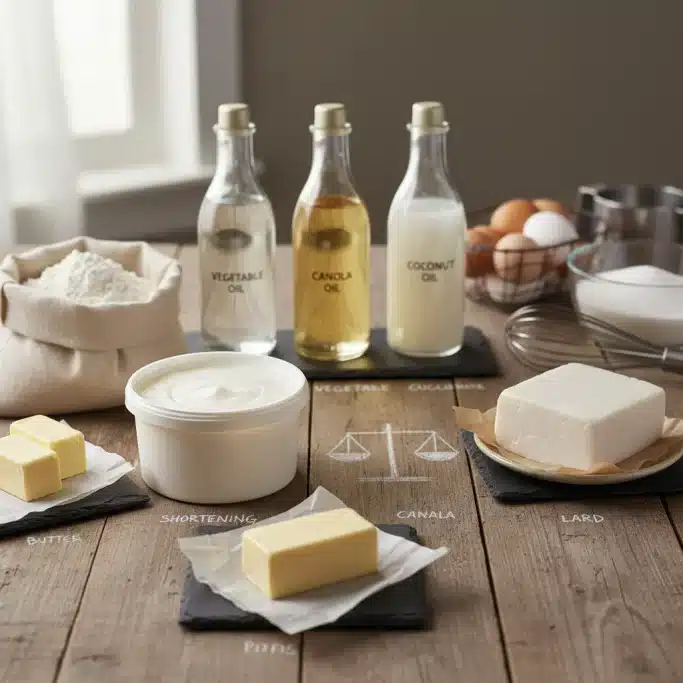
In this comprehensive guide, we’re diving deep into the science and art behind baking with various fats. We’ll explore the unique properties of butter, shortening, oils, lard, and margarine, dissecting how each contributes to the final outcome of your sweet treats. Whether you’re a novice baker looking to master the basics or a seasoned pro aiming to refine your techniques, this article will equip you with the knowledge to make informed decisions in your kitchen. Get ready to unlock the secrets to achieving perfect cakes, cookies, pastries, and more, as we embark on the ultimate baking fats comparison journey for 2026!
Anúncios
The Fundamental Role of Fats in Baking
Before we delve into specific types, let’s establish why fats are indispensable in baking. Fats play multiple critical roles that influence the texture, flavor, moisture, and even the appearance of your baked goods:
- Tenderization: Fats interfere with gluten development in flour. Gluten, a protein network, gives structure but can also make baked goods tough. Fats coat gluten proteins, shortening the strands and resulting in a more tender crumb. This is often referred to as ‘shortening’ the product, hence the name for a certain fat type!
- Leavening: Creaming solid fats (like butter or shortening) with sugar creates air pockets. During baking, these air pockets expand, contributing to the rise and a light, airy texture. This is a crucial aspect for cakes and cookies.
- Flavor and Richness: Fats carry flavor compounds and contribute their own distinct tastes. Butter, for instance, adds a rich, dairy note that oils cannot replicate.
- Moisture and Shelf Life: Fats contribute to the perceived moistness of baked goods and help retain moisture, extending their shelf life by preventing them from drying out too quickly.
- Color and Browning: Fats promote browning through the Maillard reaction, giving baked goods an appealing golden crust.
- Flakiness: In pastries and pie crusts, solid fats create layers when rolled and folded, resulting in a flaky texture.
Understanding these roles is the first step in appreciating the profound impact of your fat choice. Now, let’s break down the contenders in our baking fats comparison.
Butter: The Gold Standard of Flavor
Butter is often considered the darling of the baking world, and for good reason. Made from churned cream, it boasts a rich, creamy flavor and aroma that is hard to beat. It’s an emulsion of water in fat, typically containing around 80-82% milk fat, 16-17% water, and 1-2% milk solids.
Pros of Baking with Butter:
- Superior Flavor: Butter imparts a distinct, complex, and desirable flavor that enhances almost any sweet treat. Its dairy notes are particularly prized in cakes, cookies, and pastries.
- Excellent Browning: The milk solids in butter contribute to beautiful golden-brown crusts and edges.
- Texture Versatility: Butter can create a range of textures depending on how it’s used. Creamed butter yields tender, airy cakes and chewy cookies, while cold, cut-in butter is essential for flaky pie crusts and biscuits.
- Natural Product: For many, butter’s natural origin is a significant advantage over more processed alternatives.
Cons of Baking with Butter:
- Lower Melting Point: Butter melts relatively quickly, which can make cookies spread more and pie crusts harder to work with in warm environments.
- Water Content: The water content in butter can sometimes affect the texture, making some baked goods less tender or crisp than if a fat with 100% fat content were used.
- Cost: Butter is generally more expensive than shortening or most oils.
- Slightly Less Stable: Baked goods made with butter can sometimes stale faster due to its higher water content and specific fat composition.
Best Uses for Butter:
Butter shines in recipes where its flavor is meant to be a star: cookies (especially chocolate chip), cakes, shortbread, croissants, brioche, and most frostings. For flaky pastries, cold, unsalted butter is paramount.
Shortening: The Texture Master
Vegetable shortening, often referred to simply as shortening, is a solid fat made from hydrogenated vegetable oils (like soybean or cottonseed oil). It is 100% fat, with no water content, and has a higher melting point than butter.
Pros of Baking with Shortening:
- Superior Tenderization: Because it’s 100% fat and has no water, shortening is incredibly effective at interfering with gluten development, resulting in exceptionally tender and soft baked goods.
- Flakiness: Its higher melting point and plasticity make it excellent for creating flaky pie crusts, biscuits, and pastries that hold their shape well.
- Stability and Structure: Shortening helps baked goods maintain their shape, preventing excessive spreading in cookies and providing a robust structure in cakes.
- Higher Melting Point: This makes it easier to work with in warmer kitchens and contributes to a firmer crumb.
- Neutral Flavor: Shortening has a very neutral flavor, allowing other ingredients to shine.
- Cost-Effective: Generally more affordable than butter.
Cons of Baking with Shortening:
- Lack of Flavor: While neutral can be a pro, shortening doesn’t contribute any rich flavor notes like butter does, which can result in a blander taste in some recipes.
- Texture: While great for tenderness, some find the texture imparted by shortening to be almost too soft or even greasy if not balanced correctly.
- Nutritional Concerns: Traditional shortening contains trans fats, though many brands now offer trans-fat-free versions. Always check the label.
Best Uses for Shortening:
Shortening excels in pie crusts, flaky biscuits, certain cookie recipes where a soft, chewy texture and minimal spread are desired (like snickerdoodles or sugar cookies), and frostings where a very stable, smooth texture is paramount.
Baking Oils: The Moistness Provider
Baking oils, such as vegetable oil, canola oil, and sometimes coconut oil, are liquid fats. They are 100% fat, like shortening, but their liquid state means they interact with other ingredients differently.
Pros of Baking with Oils:
- Exceptional Moistness: Oils coat flour particles very effectively, preventing them from drying out. This results in incredibly moist cakes and quick breads that stay fresh longer.
- Even Distribution: Being liquid, oils disperse very evenly throughout a batter, ensuring consistent texture.
- Convenience: Oils don’t require creaming and can be easily mixed into batters, simplifying the baking process.
- Healthier Options: Many oils (like canola or sunflower) are lower in saturated fat than solid fats.
- Cost-Effective: Generally the most affordable fat option.
Cons of Baking with Oils:
- No Leavening Contribution: Oils cannot be creamed with sugar to incorporate air, so recipes relying heavily on this for rise (like many butter cakes) won’t work well with oil alone.
- Lack of Flavor (for neutral oils): While good for allowing other flavors to shine, neutral oils don’t add their own distinct richness.
- Texture Limitations: Oils won’t create flakiness (as they don’t solidify into layers) and can sometimes lead to a slightly greasy mouthfeel if overused.
- Coconut Oil Specifics: While coconut oil can be used, its distinct flavor and solid state at room temperature (below 76°F/24°C) mean it behaves somewhat differently from other liquid oils, sometimes contributing to a denser texture.
Best Uses for Baking Oils:
Oils are perfect for incredibly moist cakes (especially chocolate and carrot cakes), muffins, quick breads, and some brownies. They are also excellent for recipes where a delicate crumb and long-lasting moisture are priorities.
Lard: The Old-School Flakiness Champion
Lard, rendered pork fat, was once the go-to fat for many bakers, particularly for savory applications, but it also has a place in sweet treats. It is 100% fat and has a very high melting point.
Pros of Baking with Lard:
- Unmatched Flakiness: Lard creates exceptionally tender and flaky pie crusts and pastries, often considered superior to shortening or butter for this purpose due to its unique crystal structure and high melting point.
- Superior Tenderization: Similar to shortening, its 100% fat content ensures excellent tenderization.
- High Melting Point: Helps maintain structure and prevents over-spreading.
- Flavor (when refined): Refined lard has a neutral flavor, while unrefined lard can add a subtle, savory depth that some enjoy in certain sweet-savory combinations.
Cons of Baking with Lard:
- Flavor (unrefined): Unrefined lard can have a distinct porky flavor that is undesirable in most sweet baked goods. Always opt for refined, leaf lard for baking.
- Availability: Can be harder to find than butter or shortening in regular grocery stores.
- Perception: Some people are put off by the idea of using animal fat in sweet baking.
- Saturated Fat: Lard is high in saturated fat.
Best Uses for Lard:
Lard is primarily used for making the flakiest pie crusts, empanada dough, and some traditional biscuits. When refined, it can also be used in certain cookies where extreme tenderness is desired.
Margarine: The Butter Alternative
Margarine is a butter substitute typically made from vegetable oils, water, salt, and emulsifiers. Its fat content can vary significantly, from around 20% to 80%, so it’s crucial to check the label for baking. Stick margarine (80% fat) is the closest in composition to butter.
Pros of Baking with Margarine:
- Dairy-Free/Vegan Option: Ideal for those with dairy allergies or following a vegan diet.
- Cost-Effective: Often cheaper than butter.
- Softer Texture: Can produce a very soft crumb in cakes and cookies, especially softer margarines.
- Wider Availability: Easily found in most grocery stores.
Cons of Baking with Margarine:
- Variable Fat Content: The biggest challenge is the varying fat and water content. Using a low-fat spread instead of a full-fat stick margarine will drastically alter your results.
- Flavor: Margarine generally lacks the rich, complex flavor of butter, often resulting in a blander taste.
- Texture: Can sometimes lead to a greasier or less desirable texture compared to butter or shortening, especially if using a high-water content spread.
- Trans Fats: Like shortening, some older or cheaper margarines may contain trans fats, though many brands now offer trans-fat-free options.
Best Uses for Margarine:
Stick margarine (80% fat) can be a suitable substitute for butter in some cakes, cookies, and frostings, particularly for dairy-free or vegan baking, but expect a slight difference in flavor and texture. It’s best to follow recipes specifically developed for margarine.
Hybrid Approaches: Blending Fats for Optimal Results
Often, the best approach is not to choose one fat over another, but to combine them strategically. This is where the true artistry of a baking fats comparison comes into play.
- Butter and Shortening: A popular combination for cookies and pie crusts. The butter provides flavor, while the shortening contributes to tenderness, flakiness, and helps maintain shape. Many professional bakers use a 50/50 blend for their signature pie crusts.
- Butter and Oil: In cakes, a combination can offer the best of both worlds – the flavor of butter and the moistness of oil. Some pound cake recipes use melted butter for flavor and oil for an extra moist crumb.
- Shortening and Lard: For ultra-flaky, tender pie crusts with minimal flavor interference, a blend of these two can be superb.
Experimentation with these blends allows you to fine-tune the characteristics of your baked goods, achieving a balance of flavor, texture, and structure that a single fat might not provide.
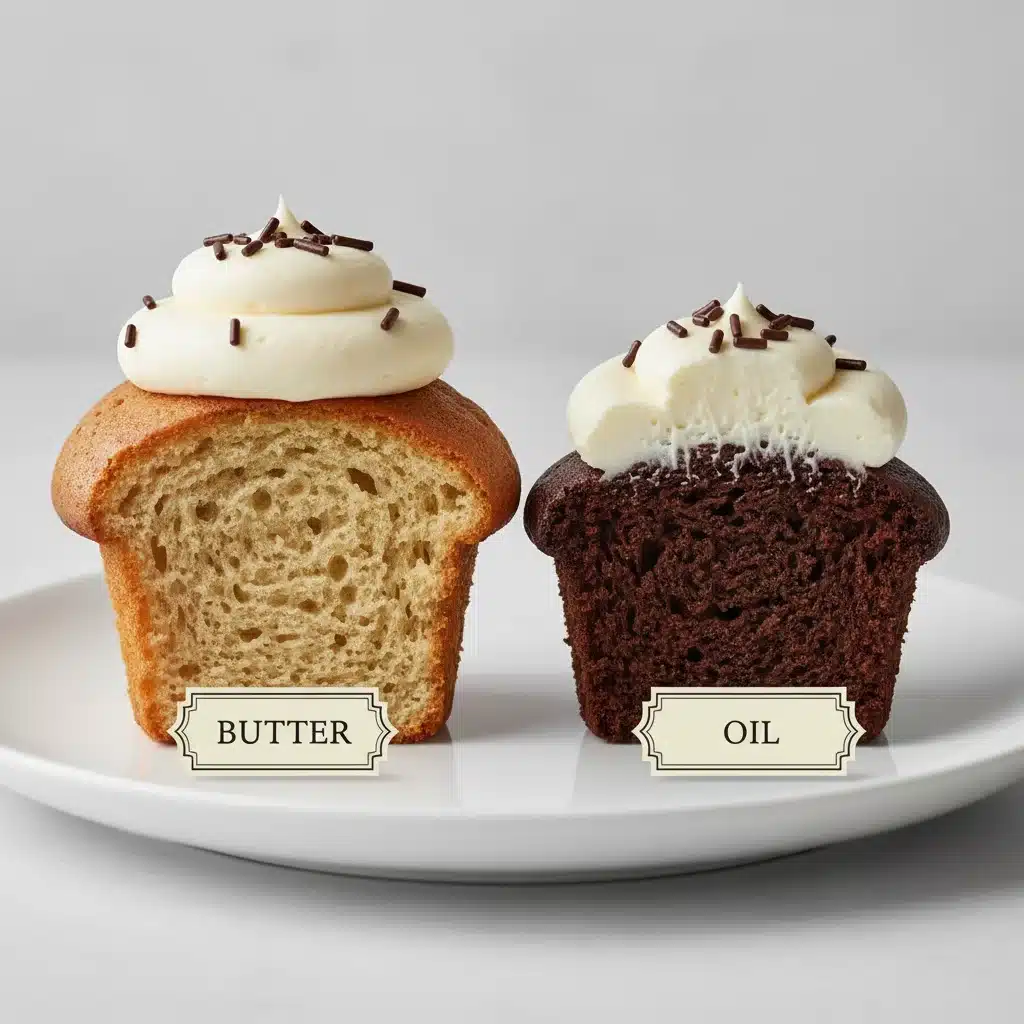
Understanding Fat’s Impact on Specific Sweet Treats
Cookies:
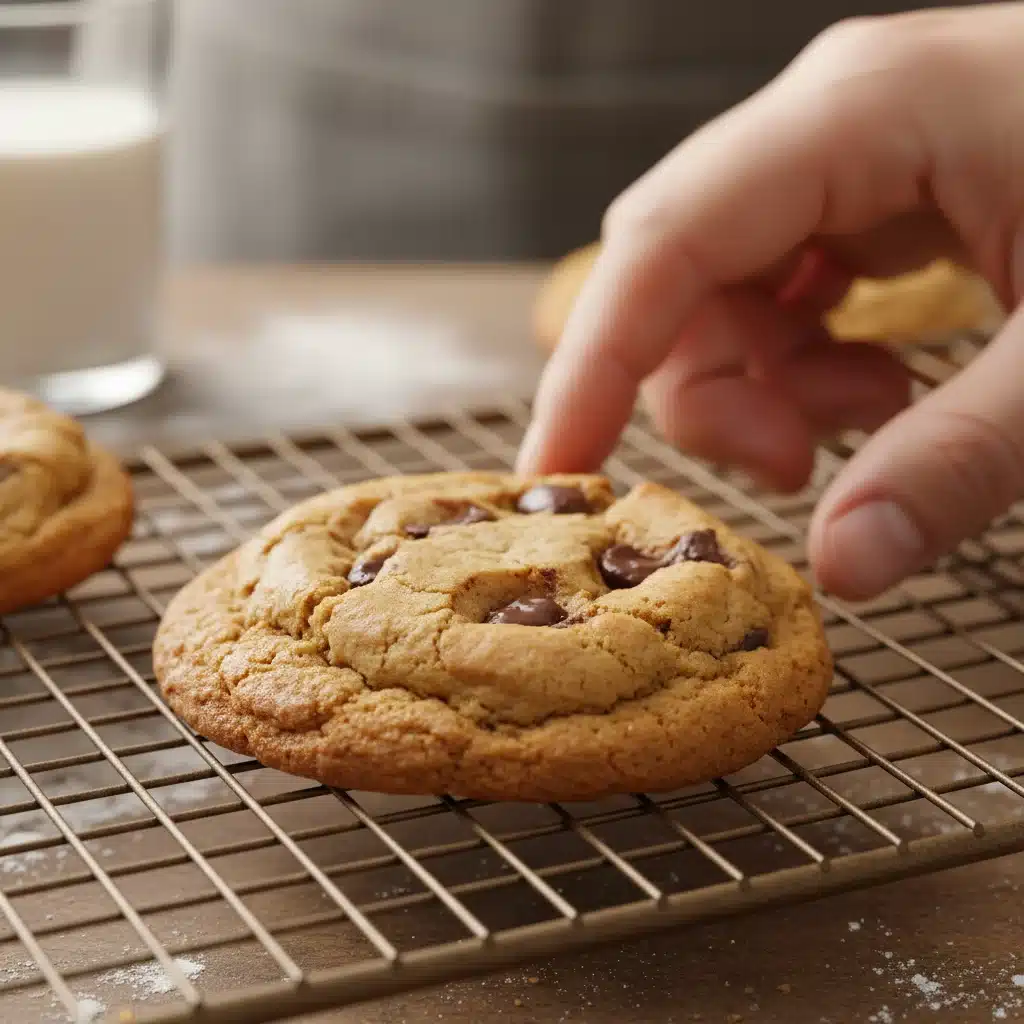
- Chewy Cookies: A higher ratio of butter (especially melted butter) or liquid oils often contributes to chewiness due to increased moisture and spread.
- Crisp Cookies: Fats with lower water content (shortening, clarified butter) or recipes using less fat overall can produce crisper results.
- Soft Cookies: Shortening or a blend with shortening is excellent for soft, tender cookies that don’t spread too much.
- Flavorful Cookies: High-quality butter is key for rich, buttery flavor.
Cakes:
- Fluffy Cakes: Creamed butter or shortening is essential for incorporating air, leading to a light, airy crumb.
- Moist Cakes: Oil-based cakes are typically moister and stay fresh longer.
- Rich Flavor Cakes: Butter provides a depth of flavor that oil cannot match.
- Dense Cakes (Pound Cakes): Often use a high ratio of butter, sometimes creamed, for a rich, tight crumb.
Pastries and Pie Crusts:
- Flaky Pastries: Cold, solid fats like butter, shortening, or lard cut into the flour are crucial. The higher the melting point, the flakier the result often is.
- Tender Pie Crusts: Shortening and lard are champions for tenderness, as they interfere most effectively with gluten development without adding water.
- Flavorful Pie Crusts: Butter adds a delicious, rich flavor to pie crusts.
Frostings:
- Buttercream: Butter is the primary fat, giving it its characteristic richness and creamy texture.
- Shortening-Based Frostings: More stable in warm weather, often whiter in color, and can hold intricate shapes better. They lack the depth of flavor of buttercream.
- Hybrid Frostings: A mix of butter and shortening can offer the best of both: stability from shortening and flavor from butter.
Tips for Choosing and Using Baking Fats Effectively
-
Always Consult the Recipe:
The recipe developer usually has a specific fat in mind for a reason. If you’re new to baking, stick to what’s recommended. As you gain experience, you can experiment with substitutions.
-
Temperature Matters:
The temperature of your fat is critical. Room temperature butter for creaming, cold butter/shortening for flaky pastries, and melted butter/oil for certain batters all play distinct roles in the final texture.
-
Measure Accurately:
Fats are a structural component. Too much or too little can drastically change the outcome. Use proper measuring techniques (e.g., spoon and level for shortening, liquid measuring cups for oils).
-
Consider the Flavor Profile:
If you want a rich, buttery flavor, use butter. If you want a neutral base for other flavors, shortening or neutral oil might be better. Coconut oil will impart a coconut flavor unless refined.
-
Don’t Be Afraid to Experiment (Carefully):
Once you understand the basic principles of this baking fats comparison, try substituting fats in small batches. For example, try a 50/50 butter-shortening blend in your favorite cookie recipe to see how it changes the texture.
-
Clarified Butter (Ghee):
For some applications, especially frying or sautéing, clarified butter (ghee) can be useful. It’s pure butterfat with milk solids and water removed, giving it a higher smoke point and a pure buttery flavor without the risk of burning milk solids. While not common in most sweet baking, it can be used for certain rich, tender shortbreads or to brush on pastries.
-
Read Labels for Nutritional Information:
If you have dietary concerns, always check the labels for saturated fat, trans fat content, and ingredients, especially for shortening and margarine.
The Future of Baking Fats in 2026 and Beyond
As we look towards 2026, the landscape of baking fats continues to evolve. There’s a growing demand for healthier, more sustainable, and plant-based alternatives. Innovations include:
- Advanced Plant-Based Butters: Manufacturers are continually improving the texture and flavor of vegan butter alternatives, aiming to mimic traditional dairy butter more closely in baking performance. These often use blends of coconut oil, shea butter, and other vegetable fats.
- Algae-Based Oils: Some companies are exploring algae as a sustainable source of healthy fats for baking, offering neutral flavor and good functionality.
- Rethinking Traditional Fats: A resurgence of interest in traditionally rendered fats like lard, but with a focus on high-quality, ethically sourced products and refined versions for neutral flavor.
- Health-Focused Shortenings: Continued development of trans-fat-free shortenings that maintain excellent baking properties without the health drawbacks.
These developments mean bakers will have even more choices and opportunities to experiment in the coming years, further enriching our understanding of the perfect baking fats comparison for every sweet treat.
Conclusion: Mastering Your Baking Fats Comparison
Choosing the right fat is a critical decision that profoundly impacts the flavor, texture, and overall success of your baked goods. As we’ve seen in this detailed baking fats comparison, each fat – butter, shortening, oils, lard, and margarine – brings its own unique set of characteristics to the table. Butter offers unparalleled flavor, shortening excels at tenderness and flakiness, oils provide exceptional moistness, and lard delivers supreme flakiness. Margarine serves as a versatile alternative, particularly for dietary needs.
The key to becoming a masterful baker lies in understanding these differences and knowing when to use each fat, or even when to combine them for synergistic effects. Don’t be afraid to experiment, pay attention to the subtle changes in your baked goods, and always consider the desired outcome. With the insights from this guide, you are now well-equipped to make informed decisions that will transform your sweet treats from merely good to truly unforgettable. Happy baking, and may your kitchen always be filled with delicious aromas!