Homemade vs. Store-Bought: 2026 Sweet Treat Cost-Benefit Analysis
Anúncios
In a world increasingly driven by convenience, the age-old debate of homemade vs store-bought sweet treats continues to simmer. As we navigate 2026, economic shifts, ingredient availability, and evolving consumer preferences have added new layers to this discussion. Is whipping up a batch of cookies from scratch truly more cost-effective than grabbing a pre-made dozen from the supermarket? Beyond the financial aspect, what about the time investment, the control over ingredients, and the sheer joy of creation? This comprehensive analysis aims to dissect these factors, providing a detailed cost-benefit breakdown for sweet treat enthusiasts everywhere.
Anúncios
The allure of a warm, freshly baked cookie or a meticulously crafted cake from your own oven is undeniable. It’s a sensory experience, from the aroma filling your kitchen to the first bite of a treat made with love. However, the reality of modern life often pushes us towards the convenience of store-bought alternatives. With busy schedules and countless demands on our time, the idea of simply picking up a dessert can be incredibly appealing. But at what cost – both literally and figuratively?
This article will delve into the various dimensions of this culinary conundrum. We’ll explore the tangible costs associated with ingredients, delve into the often-overlooked value of time, and examine the intangible benefits that come with each choice. By the end, you’ll have a clearer picture of whether homemade or store-bought best aligns with your budget, lifestyle, and taste preferences in 2026.
Anúncios
The Financial Equation: Ingredient Costs in 2026
One of the primary considerations when weighing homemade vs store-bought is the direct financial outlay. At first glance, buying a pre-made cake for $20 might seem cheaper than purchasing all the individual ingredients for a homemade version. However, this perspective often overlooks several crucial factors.
Breaking Down Ingredient Expenses
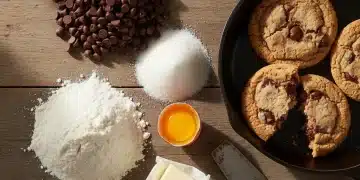
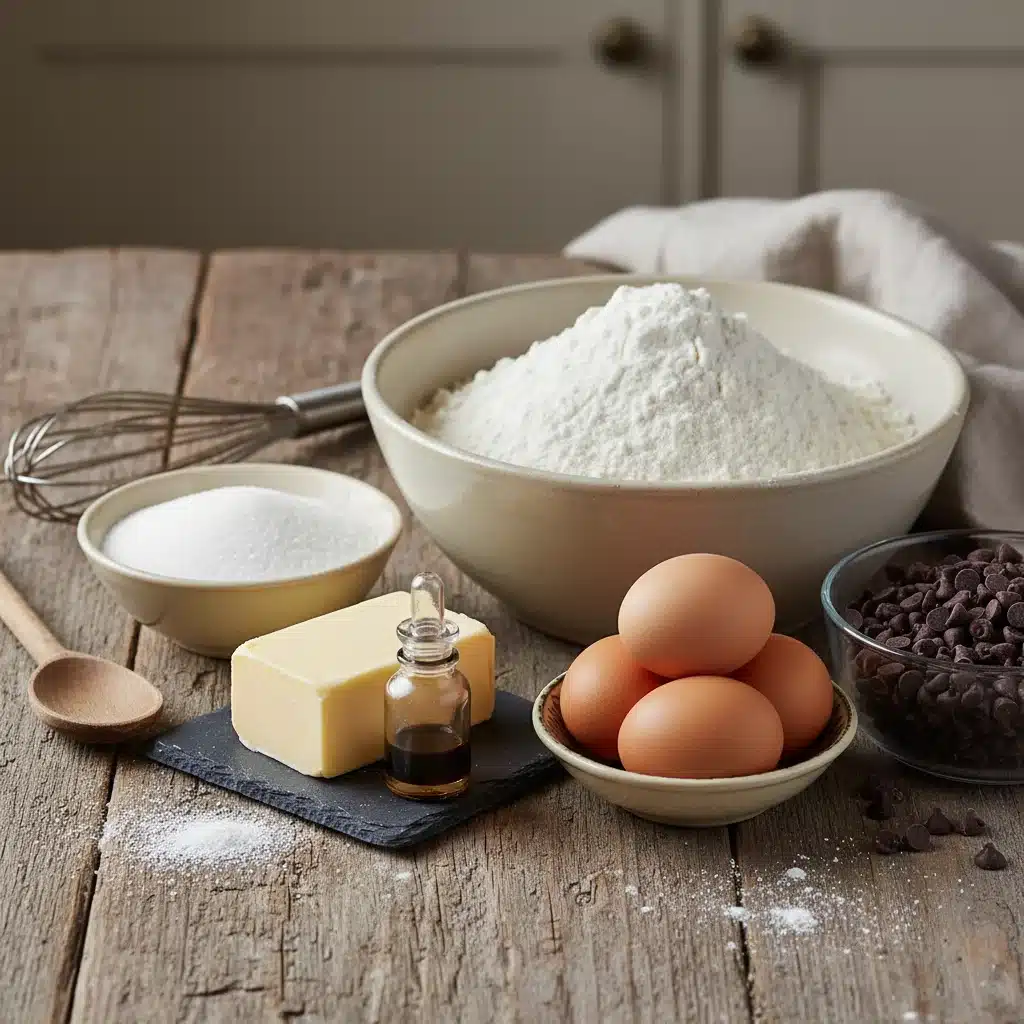
Let’s consider a classic example: chocolate chip cookies. For a homemade batch yielding approximately 3-4 dozen cookies, you’d typically need:
- Flour: Approximately $0.50 – $1.00 (assuming you buy a 5lb bag for $3-$5)
- Sugar (granulated and brown): Approximately $0.75 – $1.50 (assuming you buy a 4lb bag for $3-$6)
- Butter: Approximately $4.00 – $6.00 for two sticks
- Eggs: Approximately $0.50 – $1.00 for two large eggs
- Chocolate Chips: Approximately $2.50 – $4.00 for a 12oz bag
- Vanilla Extract: Approximately $0.20 – $0.50 (a small bottle can be pricey, but you use very little per batch)
- Baking Soda/Salt: Negligible, perhaps $0.05 – $0.10
Total estimated cost for a large batch of homemade chocolate chip cookies: $8.45 – $14.10.
Now, compare this to store-bought options:
- A dozen premium store-bought chocolate chip cookies: $5.00 – $8.00
- A large container of mass-produced cookies (3 dozen equivalent): $10.00 – $15.00
At first glance, the per-cookie cost for homemade can be significantly lower, especially if you factor in the larger yield. If your homemade batch yields 4 dozen (48 cookies) at a cost of $10, that’s roughly $0.21 per cookie. A dozen store-bought cookies for $6 comes out to $0.50 per cookie. This initial comparison strongly favors homemade in terms of sheer quantity for the dollar.
The Bulk Buying Advantage
A significant factor in the homemade vs store-bought cost analysis is the ability to buy ingredients in bulk. When you purchase a 5lb bag of flour or a large container of sugar, you’re not just buying enough for one batch of cookies; you’re stocking your pantry for multiple baking sessions. The initial outlay might be higher, but the per-unit cost of the ingredient decreases dramatically. Store-bought options, by their nature, are always priced per finished unit, meaning you never benefit from the bulk pricing of raw materials.
Hidden Costs of Homemade
While ingredients are the most obvious cost, homemade baking does have some hidden expenses:
- Utilities: Running your oven for 30-60 minutes adds to your electricity or gas bill. While not astronomical, it’s a factor.
- Equipment: If you’re starting from scratch, you might need baking sheets, mixing bowls, measuring cups, and a mixer. These are one-time investments, but they are part of the overall cost of entry.
- Specialty Ingredients: If your sweet treat requires high-quality vanilla beans, artisanal chocolate, or exotic fruits, the ingredient cost can quickly escalate, potentially surpassing store-bought gourmet options.
However, for everyday sweet treats, these hidden costs are often minimal or spread out over many uses, making homemade still a strong contender for budget-conscious bakers.
The Time Investment: A Precious Commodity
Beyond monetary costs, time is arguably the most valuable resource in our busy lives. The time factor is where the homemade vs store-bought debate often tips in favor of convenience for many individuals and families.
Time for Homemade
Let’s consider our chocolate chip cookie example again:
- Shopping for Ingredients: If you don’t have everything on hand, this could add 30 minutes to an hour to your grocery trip, or a dedicated trip.
- Preparation: Measuring, mixing, and forming cookies can take 20-30 minutes.
- Baking: Most cookies bake in 10-15 minutes per batch, and you might need 2-3 batches. Total baking time: 30-45 minutes.
- Cooling/Cleanup: Waiting for cookies to cool and washing dishes can add another 15-30 minutes.
Total estimated time for homemade cookies: 1 hour 35 minutes to 2 hours 45 minutes, including a dedicated shopping trip. If ingredients are already in the pantry, it’s closer to 1 hour to 1 hour 30 minutes.
Time for Store-Bought
For store-bought cookies:
- Shopping for Cookies: This is usually integrated into a regular grocery trip, adding perhaps 5-10 minutes to locate and select the item.
- Preparation/Baking: None, unless you’re buying ready-to-bake dough, which still requires oven time but significantly less prep.
- Cleanup: Minimal to none.
Total estimated time for store-bought cookies: 5-10 minutes.
The difference is stark. If your time is valued at, say, $20 an hour, spending an extra 1.5 to 2.5 hours on homemade cookies adds a significant ‘opportunity cost’ that can quickly outweigh the ingredient savings. This is a critical point for individuals with demanding jobs, parents juggling multiple responsibilities, or anyone whose free time is a precious commodity.
Quality, Control, and Customization: The Homemade Advantage
While the financial and time aspects are quantifiable, the qualitative differences between homemade vs store-bought sweet treats are often where homemade truly shines. These factors, though harder to assign a monetary value, are incredibly important to many consumers.
Ingredient Quality and Nutritional Control
When you bake at home, you have complete control over the ingredients. This means:
- Choosing High-Quality Ingredients: You can opt for organic flour, grass-fed butter, fair-trade chocolate, or fresh, locally sourced eggs. This often translates to superior flavor and potentially better nutritional profiles.
- Avoiding Unwanted Additives: Store-bought baked goods often contain preservatives, artificial flavors, high-fructose corn syrup, hydrogenated oils, and a myriad of other additives designed to extend shelf life and reduce production costs. Homemade options allow you to bypass these entirely.
- Dietary Customization: For those with allergies, intolerances, or specific dietary preferences (gluten-free, dairy-free, vegan, low-sugar), homemade baking is a game-changer. You can easily substitute ingredients to meet your needs without compromising taste or texture. This level of customization is rarely available in store-bought options at an affordable price point.
- Reduced Sugar and Fat: Many store-bought sweet treats are overloaded with sugar and unhealthy fats. When baking at home, you can significantly reduce these amounts or substitute them with healthier alternatives like applesauce, mashed bananas, or natural sweeteners, without sacrificing flavor.
In 2026, with increasing awareness about health and wellness, the ability to control what goes into your food is a powerful argument for homemade. This aspect alone can justify the extra time and effort for many.
Flavor and Freshness
There’s an undeniable difference in taste and texture between a freshly baked item and one that has been sitting on a shelf. Homemade sweet treats are often:
- Fresher: Consumed shortly after baking, they retain their optimal texture, moisture, and aroma.
- More Flavorful: The flavors are often more vibrant and nuanced because they haven’t been dulled by preservatives or extended storage.
- Tailored to Your Palate: You can adjust sweetness, spice levels, or add favorite mix-ins to perfectly match your preferences.
The sensory experience of homemade is often superior, creating a more memorable and satisfying treat.
The Intangible Benefits: Beyond Cost and Time
The decision between homemade vs store-bought isn’t purely logical; it’s often emotional and experiential. There are several intangible benefits that homemade baking offers, which are difficult to quantify but hold significant value for many.
The Joy of Creation and Personal Connection
Baking can be a therapeutic and rewarding activity. The process of transforming basic ingredients into something delicious provides a sense of accomplishment. Sharing homemade treats with family and friends adds a personal touch that store-bought items simply cannot replicate. It’s a gesture of care and love, making the sweet treat more than just food – it’s an experience.
Skill Development and Education
For those who enjoy cooking and baking, the homemade route offers continuous opportunities for skill development. Learning new techniques, experimenting with recipes, and understanding ingredient interactions can be a fulfilling hobby. For families, baking together can be a wonderful educational activity, teaching children about measurements, chemistry, and patience.
Sustainability and Waste Reduction
While not always the case, homemade baking can often be more sustainable. By buying ingredients in bulk, you can reduce packaging waste compared to individually packaged store-bought items. You also have more control over portion sizes, potentially leading to less food waste. Furthermore, you can choose to support local farmers and producers by sourcing your ingredients locally.
The Nostalgia Factor
Many people associate homemade baked goods with childhood memories, family traditions, and a sense of comfort. The smell of grandma’s apple pie or mom’s chocolate chip cookies evokes powerful feelings that store-bought versions, no matter how good, simply cannot replicate. This emotional connection is a significant, albeit immeasurable, benefit of homemade.

When Store-Bought Makes Sense in 2026
Despite the many advantages of homemade, there are undeniable situations where store-bought sweet treats are the more practical, and sometimes even superior, choice. The homemade vs store-bought debate is not about declaring one an absolute winner, but understanding when each option serves you best.
Convenience is King
For impromptu gatherings, last-minute cravings, or when you simply lack the time, energy, or desire to bake, store-bought is invaluable. The ability to grab a dessert and go can be a lifesaver for busy individuals and families. The time saved can be redirected to other priorities, making it a highly efficient choice.
Specialty and Professional Quality
Some sweet treats are incredibly complex or require specialized equipment and skills that most home bakers don’t possess. Think intricate French pastries, multi-tiered wedding cakes, or certain artisanal breads. In these cases, a professional bakery or patisserie will almost always deliver a superior product that would be difficult, if not impossible, to replicate at home.
Cost-Effectiveness for Small Quantities
If you only need a single serving or a very small quantity of a sweet treat, buying a pre-made individual portion can sometimes be more cost-effective than buying all the ingredients for a full batch. For example, if you just want one cupcake, buying a dozen ingredients to make one would be wasteful and expensive.
Avoiding Waste
If you live alone or have a small household, baking a large batch of cookies or a whole cake might lead to excess that goes stale or gets thrown away. Store-bought options, especially individually portioned ones, can help minimize food waste.
Lack of Equipment or Expertise
Not everyone has a fully stocked kitchen or the confidence in their baking skills. For beginners or those with limited kitchen space and tools, store-bought options provide a delicious solution without the investment in equipment or the frustration of a baking mishap.
The Hybrid Approach: Best of Both Worlds
In 2026, many consumers are finding a middle ground in the homemade vs store-bought spectrum: the hybrid approach. This involves leveraging the best aspects of both options to create delicious and convenient sweet treats.
- Semi-Homemade: This involves using store-bought components as a base and adding homemade touches. For example, using a boxed cake mix but making your own buttercream frosting, or buying pre-made pie crusts and filling them with fresh, homemade fruit filling. This significantly cuts down on prep time while still offering some control over ingredients and a touch of homemade goodness.
- Strategic Baking: Bake larger batches of staple items like cookies or muffins when you have time, and freeze portions for later. This allows you to enjoy homemade treats on busy days without the immediate time commitment.
- Ingredient Sourcing: Purchase high-quality, organic, or specialty ingredients for homemade baking, but don’t hesitate to buy certain pre-made items (like puff pastry or good quality chocolate sauce) if they save you significant time and effort without compromising too much on quality.
This flexible approach allows individuals to adapt their baking habits to their lifestyle, budget, and personal preferences, ensuring they get the most satisfaction from their sweet treats.
Conclusion: Making Your Informed Choice in 2026
The debate of homemade vs store-bought sweet treats in 2026 is multifaceted, with no single right answer for everyone. The ‘better’ option ultimately depends on your individual priorities, resources, and values.
- If your primary concern is **cost-effectiveness and maximum quantity**, homemade often emerges as the winner, especially if you bake regularly and buy ingredients in bulk.
- If **time is your most precious commodity** and convenience is paramount, store-bought options offer an undeniable advantage.
- If **ingredient control, nutritional value, superior freshness, and the joy of creation** are your top priorities, homemade baking provides unmatched benefits.
- For **special occasions requiring professional finesse or when you need a quick fix**, store-bought can be the ideal solution.
As we move through 2026, consumers are increasingly empowered by information and choices. By understanding the detailed cost-benefit analysis presented here, you can make informed decisions that best suit your lifestyle. Whether you choose to don an apron and bake from scratch, grab a gourmet treat from a local bakery, or opt for a convenient supermarket dessert, the most important thing is to enjoy your sweet moments. Perhaps the sweet spot lies in embracing both, knowing when to indulge in the therapeutic process of homemade, and when to appreciate the effortless delight of store-bought.
Ultimately, the best sweet treat is the one that brings you the most joy and satisfaction, whether it’s baked with your own hands or picked up with a smile.