Budget-Friendly Baking: 7 Sweet Treat Hacks to Save Up to 15% on Groceries in 2026
Anúncios
In an era where grocery prices seem to be constantly on the rise, finding ways to save money without sacrificing the joy of baking can feel like a culinary quest. But what if we told you that you could indulge your sweet tooth, create delightful treats, and still significantly cut down on your grocery bill? It’s not a dream; it’s the power of smart budget baking hacks. With a little planning and a few clever tricks, you can enjoy delicious homemade desserts and save up to 15% on your grocery expenses in 2026. This comprehensive guide will equip you with seven essential strategies to transform your baking habits into a money-saving superpower.
Anúncios
Baking from scratch is often touted as a more economical option than buying pre-made goods, but even then, ingredient costs can add up. From premium chocolates to exotic nuts, the allure of fancy recipes can quickly deplete your budget. However, the beauty of baking lies in its versatility and the endless possibilities for substitution and improvisation. Our focus here is on practical, actionable steps that anyone can implement, regardless of their baking skill level. Get ready to swap, save, and savor!
Anúncios
1. Embrace Smart Ingredient Swaps: The Foundation of Budget Baking Hacks
One of the most impactful budget baking hacks is mastering the art of ingredient substitution. Many recipes are surprisingly flexible, and with a bit of knowledge, you can replace expensive items with more affordable alternatives without compromising taste or texture. This isn’t about sacrificing quality; it’s about smart choices.
Flour Power: Beyond All-Purpose
While all-purpose flour is a staple, consider alternatives. If a recipe calls for self-rising flour, you can easily make your own by adding 1.5 teaspoons of baking powder and 0.25 teaspoons of salt per cup of all-purpose flour. This saves you from buying a specialized, often more expensive, flour. For whole wheat flours, consider buying in bulk (more on this later) or blending with all-purpose flour to extend its use and mellow its flavor, if desired.
Sweet Savings: Sugar Alternatives
Granulated sugar is generally affordable, but if a recipe calls for brown sugar, you can make it by adding 1 tablespoon of molasses per cup of granulated sugar. This is particularly useful if you only have white sugar on hand and want to avoid an extra purchase. For recipes requiring powdered sugar, simply blend granulated sugar in a food processor until fine. You can also reduce sugar content in many recipes by 10-20% without a noticeable difference, especially if other sweet elements like ripe fruit are present.
Dairy Delights: Milk, Buttermilk, and Cream
Don’t have buttermilk? No problem! Add 1 tablespoon of lemon juice or white vinegar to a cup of regular milk and let it sit for 5-10 minutes until it curdles slightly. This creates a perfect buttermilk substitute. For heavy cream, a mixture of milk and butter (melted) can work in some applications, though it won’t whip. Evaporated milk is another budget-friendly alternative that can be used in many creamy desserts.
Fat Facts: Butter, Oil, and Applesauce
Butter can be pricey. In many recipes, especially muffins, quick breads, and some cakes, you can substitute a portion of the butter with vegetable oil, applesauce, or mashed banana. For every cup of butter, you can often use 3/4 cup of oil. Applesauce (unsweetened) can replace half the butter in many recipes, reducing fat and calories while adding moisture. Just be mindful of the flavor profile. Margarine is another cheaper alternative, though it might affect the texture slightly in some delicate bakes.
Egg-cellent Substitutions
Eggs are often a significant cost. For one egg, you can often use 1/4 cup of mashed banana, 1/4 cup of unsweetened applesauce, 1 tablespoon of ground flaxseed mixed with 3 tablespoons of water (let it sit for 5 minutes), or 1/4 cup of pureed silken tofu. These work best in recipes where eggs act primarily as a binder, such as muffins, cookies, and quick breads. For recipes where eggs provide structure (like soufflés), substitution is trickier.
2. Master the Art of Bulk Buying and Smart Storage
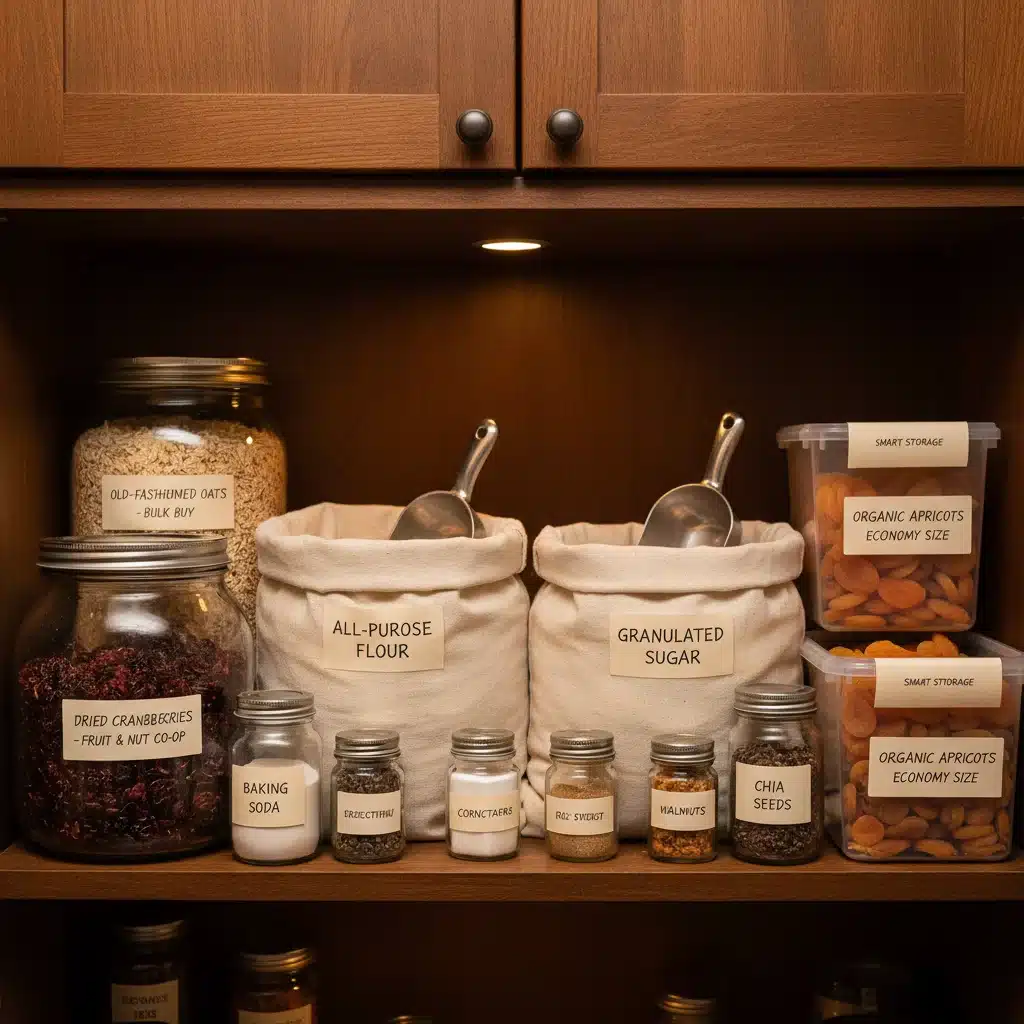
One of the most effective budget baking hacks is to buy non-perishable staples in bulk. Items like flour, sugar, oats, dried fruits, nuts, and chocolate chips are almost always cheaper per unit when purchased in larger quantities. However, bulk buying is only effective if you store these items correctly to prevent spoilage and waste.
Strategic Bulk Purchases
Look for sales on large bags of flour and sugar. Consider visiting warehouse clubs or restaurant supply stores for even better deals. Compare unit prices carefully – sometimes a slightly smaller package on sale can be a better deal than a large bulk item at its regular price. Don’t forget about spices! Buying whole spices and grinding them yourself can be significantly cheaper than pre-ground, and they’ll have a much longer shelf life and more potent flavor.
The Importance of Proper Storage
Once you’ve bought in bulk, proper storage is paramount. Flour, sugar, and oats should be stored in airtight containers in a cool, dark pantry to prevent pests and moisture absorption. For extended freshness, especially with whole wheat flours or nuts, consider storing them in the freezer. Dried fruits and chocolate chips also benefit from airtight containers to prevent them from drying out or absorbing odors. Label everything with the purchase date to help with rotation.
Freezer Fundamentals for Baking
Your freezer is a powerful tool in your budget baking hacks arsenal. Did you know you can freeze butter, eggs, and even milk? Butter can be frozen for several months. For eggs, crack them into an ice cube tray, whisk lightly, and freeze. Once solid, transfer to a freezer bag. One frozen egg cube typically equals one large egg. Milk can also be frozen, though it might separate slightly upon thawing, making it ideal for baking rather than drinking straight.
3. Plan Your Baking Around Sales and Seasonal Produce
Spontaneity is fun, but planning is king when it comes to budget baking hacks. By aligning your baking projects with what’s on sale at your local grocery store and what seasonal produce is available, you can dramatically cut costs.
Weekly Ad Wisdom
Before you even think about what to bake, check your grocery store’s weekly circulars. If butter is on sale, it might be the perfect week to bake a batch of cookies or a rich cake. If cream cheese is discounted, cheesecake or cream cheese frosting could be on the menu. This proactive approach ensures you’re buying ingredients at their lowest prices.
Embrace Seasonal Fruits
Fresh fruit can be expensive, but when it’s in season, prices drop significantly, and flavor peaks. Think about baking apple pies and crisps in the fall, berry tarts and crumbles in the summer, or citrus cakes in the winter. Buying in-season not only saves money but also ensures the most delicious results. If you find a great deal on seasonal fruit, buy extra and freeze it for later use in muffins, smoothies, or pie fillings. This is a brilliant way to extend your savings throughout the year.
4. DIY Baking Mixes: Convenience Without the Cost
Pre-made baking mixes (for pancakes, muffins, cakes, etc.) are convenient, but they come with a premium price tag. Creating your own DIY baking mixes is a fantastic budget baking hack that offers both savings and control over ingredients.
Homemade Pancake/Waffle Mix
Combine flour, baking powder, baking soda, a pinch of salt, and a little sugar in a large batch. Store it in an airtight container. When you’re ready for pancakes, simply measure out the mix and add wet ingredients like milk, eggs, and oil. This saves you money and ensures you always have a quick breakfast option.
Muffin or Quick Bread Base
Similar to pancake mix, you can create a dry base for muffins or quick breads. This usually involves flour, leavening agents, sugar, and spices. When you’re ready to bake, add wet ingredients and any desired mix-ins like chocolate chips, nuts, or fruit (fresh or frozen). This strategy is particularly effective for busy weeks.
Brownie Mix from Scratch
A basic brownie mix consists of flour, sugar, cocoa powder, baking powder, and salt. Pre-measure these and store them. When the craving hits, just add melted butter, eggs, and vanilla. Not only is it cheaper, but you also avoid any artificial ingredients often found in store-bought mixes.
The beauty of DIY mixes is that you can customize them to your family’s preferences and dietary needs, often at a fraction of the cost of their store-bought counterparts. Plus, they make excellent homemade gifts!
5. Repurpose and Reinvent: Nothing Goes to Waste
Food waste is money waste. A crucial aspect of budget baking hacks is to ensure that every ingredient is used to its fullest potential, and that leftovers are transformed into new delights. This mindset can significantly reduce your grocery bill.
Overripe Fruit’s Second Life
Those sad, spotty bananas on your counter? They’re not waste; they’re prime banana bread or muffin material! Overripe fruit like bananas, apples, and berries develop more intense sweetness and flavor, making them perfect for baking. Don’t throw out soft apples; turn them into applesauce or apple pie filling. Slightly bruised berries can be cooked down into compotes or jams for tarts.
Stale Bread to Bread Pudding
Leftover bread, croissants, or even brioche that’s a day or two old is perfect for bread pudding. The slightly stale texture allows it to absorb the custard mixture beautifully, resulting in a rich and comforting dessert. This is a classic example of turning something that might otherwise be discarded into a delicious treat.
Leftover Cake/Cookie Crumbs
Did a cake flop? Or do you have leftover cookie crumbs from the bottom of a container? Don’t toss them! Cake crumbs can be mixed with frosting to create cake pops or truffles. Cookie crumbs make excellent crusts for cheesecakes or pies, or can be sprinkled over ice cream for an added texture. Even small amounts of leftover frosting can be frozen and used for decorating cupcakes later.
6. Portion Control and Batch Baking: Smart Consumption
Baking a giant batch of cookies might seem like a good idea, but if half of them go stale or get thrown out, you’re not saving money. Smart portion control and strategic batch baking are key budget baking hacks.
Bake in Batches, Freeze in Portions
Make larger quantities of dough (for cookies, pie crusts, or scones) or batter (for muffins, quick breads). Instead of baking everything at once, freeze portions of the dough or batter. For cookie dough, roll it into a log, wrap it tightly, and freeze. Slice off cookies as needed. For muffins, freeze unbaked batter in liners, or bake and freeze individual muffins. This means you always have fresh-baked treats on hand without wasting ingredients or having too many tempting items sitting around.
Miniature Marvels
Consider making smaller versions of your favorite desserts. Instead of a full-sized cake, make cupcakes. Instead of a large pie, make individual hand pies or tarts. This helps with portion control, reduces potential waste, and can often stretch your ingredients further, especially for more expensive components like frosting or fillings.
Share the Wealth (and the Cost)
If you love baking large quantities, consider sharing with friends, family, or neighbors. This way, you can still enjoy the economies of scale from batch baking, but you won’t be left with an overwhelming amount of treats, reducing the chances of waste. You could even organize a baking swap!
7. DIY Flavorings and Extracts: Skip the Expensive Bottles
Vanilla extract, almond extract, and other flavorings can be surprisingly expensive, especially high-quality versions. Making your own is a satisfying and cost-effective budget baking hack.
Homemade Vanilla Extract
This is perhaps the most popular and rewarding DIY flavoring. All you need are vanilla beans and a good quality alcohol (like vodka or bourbon). Split the vanilla beans, place them in a jar, cover with alcohol, and let it steep in a cool, dark place for at least 2-3 months (the longer, the better). While the initial cost of vanilla beans might seem high, the resulting extract is superior to most store-bought versions and lasts indefinitely. You can keep topping up the alcohol as you use it, making it a continuous supply.
Citrus Zest and Juice
Instead of buying lemon or orange extract, use fresh citrus zest and juice. The zest is packed with essential oils and provides a vibrant, natural flavor that often surpasses artificial extracts. Always zest your citrus before juicing it to get the most out of the fruit. You can also freeze citrus zest for later use.
Spice Blends from Scratch
Instead of buying pre-made pumpkin pie spice or apple pie spice, make your own blend using individual spices like cinnamon, nutmeg, ginger, and cloves. Buying these spices in bulk (as mentioned in hack #2) and blending them yourself is much more economical and allows you to customize the flavor profile to your liking.
Coffee and Tea Infusions
For unique flavors, consider infusing milk or cream with coffee beans or tea leaves before adding to your recipes. This is a natural and inexpensive way to add depth of flavor to custards, ice creams, and cakes without relying on commercial extracts.
Beyond the Hacks: Cultivating a Budget-Conscious Baking Mindset
Implementing these budget baking hacks is more than just following a list; it’s about developing a mindful approach to your kitchen and your grocery spending. Here are a few additional considerations to solidify your savings:
Keep a Well-Stocked Pantry
A well-organized and stocked pantry, filled with your bulk-purchased staples, is your best friend. Knowing what you have on hand prevents impulse purchases and allows you to bake spontaneously using ingredients you already own. Regularly check expiration dates and rotate your stock.
Meal Planning (for Desserts Too!)
Just as you plan your main meals, consider planning your baking. This allows you to integrate ingredients that might be on sale or that you need to use up. For example, if you’re buying a large carton of eggs for breakfast, plan a baking project that uses eggs later in the week.
Don’t Be Afraid to Experiment
Baking is a science, but it’s also an art. Once you understand the basic principles, don’t be afraid to experiment with substitutions. Start with small changes and observe the results. You might discover your own unique budget baking hacks!
Utilize Online Resources and Community
There’s a wealth of information online! Look for recipes specifically tagged as ‘budget-friendly’ or ‘frugal.’ Join online baking communities or forums where people share their money-saving tips and tricks. You might find innovative ideas you hadn’t considered.
Track Your Savings
To truly appreciate the impact of these budget baking hacks, try tracking your grocery spending and specifically noting the savings from your smart baking choices. Seeing the numbers add up can be incredibly motivating and reinforce your new habits.
The Ripple Effect: More Than Just Money
Implementing these budget baking hacks does more than just save you money. It fosters creativity in the kitchen, reduces food waste, and often leads to healthier eating habits as you control the ingredients in your homemade treats. You’ll gain a deeper understanding of your ingredients and develop a more sustainable approach to food preparation.
Imagine the satisfaction of serving a delicious, homemade dessert to your family and friends, knowing that you crafted it not only with love but also with smart financial decisions. The joy of baking shouldn’t be reserved for those with unlimited budgets. With these seven powerful budget baking hacks, you are well on your way to becoming a savvy, cost-effective baker, enjoying sweet treats while keeping your grocery bill in check in 2026 and beyond.
So, tie on your apron, gather your (budget-friendly) ingredients, and start baking smarter, not harder. Your wallet, and your taste buds, will thank you!