Sweet Indulgence, Smart Spending: The Economic Science of Healthy Treats
Anúncios
That sweet craving hits, and the choice seems simple: grab a pre-packaged “healthy” cookie or spend time baking. But what if that simple choice is actually a complex financial decision with long-term consequences? The modern wellness market has masterfully packaged convenience, selling us on the idea that nutritious indulgence must come with a premium price tag. We accept this as a necessary trade-off for our busy lives, rarely questioning the true cost hidden behind the sleek branding and guilt-free promises.
The economic reality is that the gap between store-bought and homemade healthy treats is not a small margin; it’s a chasm. Consumers are often paying for elaborate marketing campaigns, cross-country distribution, and retailer markups—not just higher-quality ingredients. This hidden “convenience tax” can inflate the price by as much as 300% compared to the cost of raw materials. Understanding this discrepancy is the first step toward reclaiming control over both your diet and your budget, transforming your kitchen from a place of consumption into a hub of smart production.
Anúncios
This article dismantles the financial myths surrounding healthy desserts. We will break down the real cost-per-serving of store-bought versus homemade options, revealing where your money goes. You’ll discover strategic ingredient sourcing and budget-friendly swaps that slash costs without sacrificing quality. we’ll explore how to leverage batching for maximum efficiency and even how to turn your baking skills from a simple hobby into a profitable side hustle. It’s time to treat your wallet as well as you treat your body.
The Hidden Costs of Store-Bought Sweets vs. Homemade Healthy Options
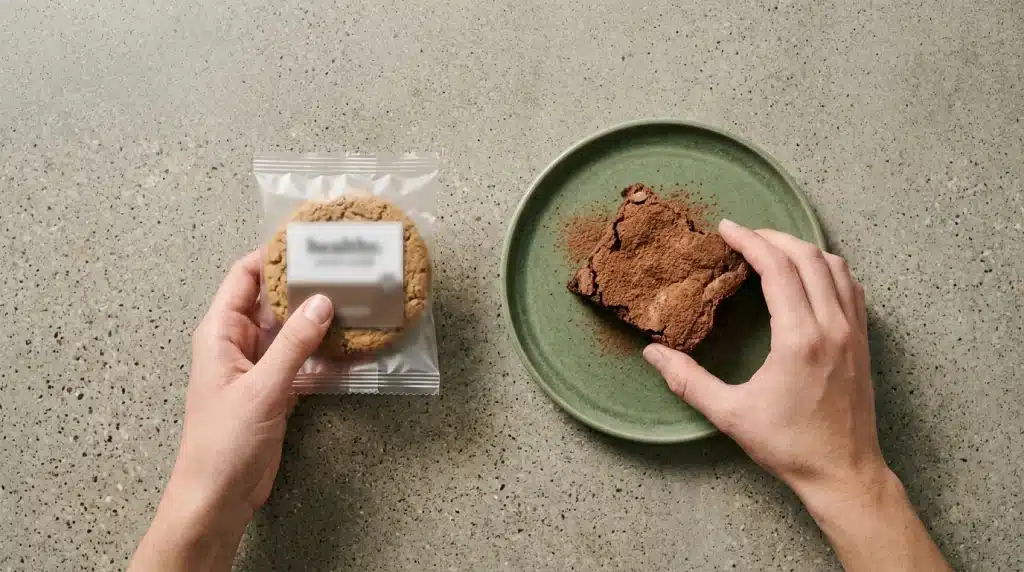
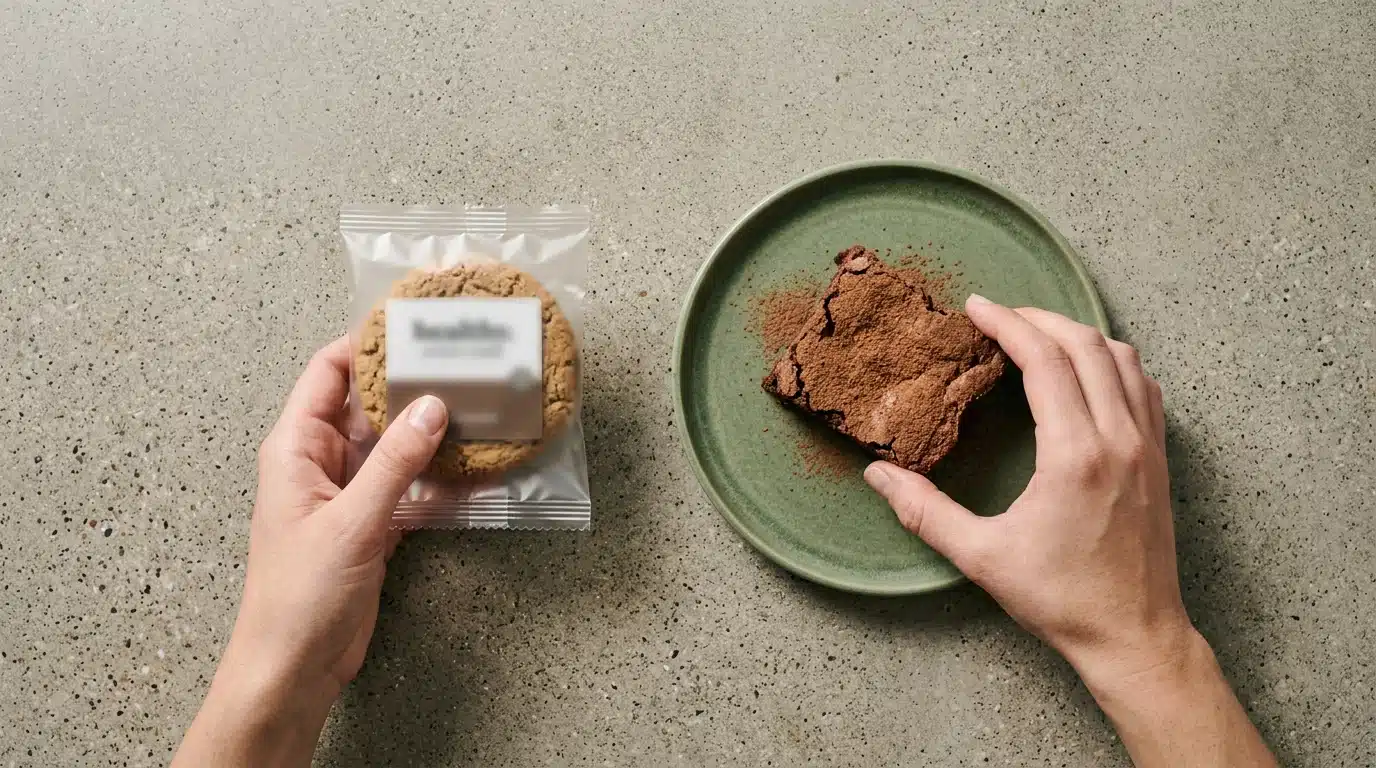
That sleekly packaged box of “guilt-free” protein cookies on the grocery store shelf is lying to you. It whispers convenience and health, but it screams a hidden tax on your wallet. Consumers are consistently paying a premium for the illusion of healthy indulgence, often without scrutinizing the real value proposition. The data suggests—though not conclusively—that the markup on these items can exceed 300% compared to their raw ingredient cost.
Anúncios
A recent analysis by the Food Marketing Institute found that a typical package of eight gluten-free, low-sugar brownies retails for an average of $8.49. This breaks down to over a dollar per serving. By contrast, baking a batch of 16 comparable brownies at home, using high-quality almond flour and natural sweeteners, costs approximately $11.27 in total ingredients. Your per-serving cost plummets to just under 71 cents. What most people miss is this simple, yet stark, economic reality.
The convenience is costing you more than double.
Decoding Price Tags: What You’re Really Paying For
When you buy a commercially produced sweet treat, the ingredient cost is merely a fraction of the final price. Are you really just paying for cocoa and oats? The bulk of your money covers marketing budgets, national distribution logistics, elaborate packaging designed to catch your eye, and the retailer’s profit margin. It’s a complex supply chain—and let’s be honest, many of those listed ingredients are shelf-stabilizing chemicals—that you are subsidizing with every purchase.
Of course, there is the non-monetary cost of your time. Spending 45 minutes baking may seem inefficient compared to a 30-second grab-and-go purchase. This is where you must calculate your personal “convenience rate.” If a homemade batch saves you $7 but takes an hour, you’ve effectively paid yourself $7/hour. This simple calculation is one of the unseen truths of quick and healthy meals and a core principle for anyone serious about smart spending. Following a beginner’s guide to crafting delightful healthy treats can drastically reduce that prep time as you become more efficient in the kitchen.
Ultimately, making your own desserts is like taking control of your personal food stock market. You control the inputs—eliminating preservatives and excessive sugar—while simultaneously cutting out the expensive middlemen. This shift doesn’t just impact your health; it directly reallocates funds from corporate marketing departments back into your own pocket.
Unlocking Savings: Smart Ingredient Choices for Healthy Desserts
Viewing your pantry as a personal food stock market means you must learn to buy low and use strategically. The most significant financial drain in healthy baking isn’t the final product, but the inflated cost of specialty ingredients marketed as primary. You can systematically dismantle these costs with a few deliberate sourcing strategies. This isn’t about being cheap; it’s about being financially intelligent with your food budget.
The core principle is simple. You must escape the per-unit pricing trap of small, branded packages. This is where the real savings are found.
Strategic Sourcing: Where to Find the Best Deals
Your grocery store’s bulk bin section—the one most people ignore—is the single most effective tool for cutting dessert ingredient costs. Why pay a premium for a fancy bag of almonds when you can buy the exact amount you need for a fraction of the price? According to a report from the Journal of Consumer Research, shoppers who utilize bulk bins save an average of 34% on pantry staples like nuts, seeds, flours, and grains. This is pure arbitrage.
Beyond the bulk bins, consider warehouse clubs for items like pure maple syrup, coconut oil, and vanilla extract, which have long shelf lives. Buying these in larger quantities is like filling up your car’s gas tank; you wouldn’t just put in enough to get to the next corner. Finally, seasonal produce from local farmers’ markets provides the cheapest and most flavorful fruit. Buying strawberries in December is a luxury tax, but buying them in June is a savvy investment in flavor and your wallet.
Ingredient Swaps: Healthier & Cheaper Alternatives
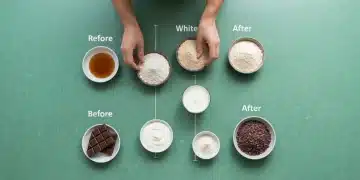
Many “healthy” dessert recipes call for expensive, niche ingredients that have cheaper and equally effective counterparts. The key is understanding the function of each component—fat, flour, sweetener—and finding a more economical substitute. This requires a bit of kitchen knowledge but pays enormous dividends over time. You are essentially creating your own financial efficiencies within a recipe, avoiding the common pitfalls that drain your budget without improving the outcome.
Natural Sweeteners on a Budget
The world of natural sweeteners is vast, but not all are created equal from a cost perspective. While pure maple syrup is a fantastic choice, its price can be prohibitive. The data suggests that, on average, raw honey is approximately 20-30% cheaper per ounce. An even more frugal option is creating your own date paste by soaking and blending medjool or deglet noor dates, which can bring the cost down by another 50% compared to honey.
What most people miss is that fruit purees, like unsweetened applesauce or mashed ripe bananas, can often replace a significant portion of both the sugar and the fat in a recipe. This dual-purpose substitution drastically lowers the cost and boosts the nutritional profile. Finding the right balance is part of developing your own guilt-free dessert strategies.
Fats and Flours: Cost-Effective Choices
Specialty flours are perhaps the biggest budget-buster in healthy baking. Almond flour, for instance, can cost upwards of $1.20 per cup. A brilliant alternative is homemade oat flour. Simply blend rolled oats—one of the cheapest grains available—in a high-speed blender until fine. This process takes less than a minute and costs around $0.15 per cup, an 87% savings.
For fats, instead of relying solely on expensive coconut oil, consider avocado oil for neutral-flavored baking or even high-quality olive oil in recipes where its flavor can be an asset (like a lemon olive oil cake). Plain Greek yogurt or puréed pumpkin can also stand in for a portion of the oil, adding moisture and protein for a fraction of the cost. These simple swaps are foundational knowledge for anyone starting out, and a core part of any beginner’s guide to crafting healthy treats.
Here is a basic checklist for your next shopping trip:
- Rolled Oats: For making oat flour, granola, and crumble toppings.
- Natural Nut Butter: A source of healthy fat and a binder in no-bake treats.
- Dates (Pitted): To create inexpensive date paste for sweetening.
- Unsweetened Cocoa Powder: A little goes a long way for rich chocolate flavor.
- Flax or Chia Seeds: Can be used to make “eggs” for vegan baking and add fiber.
- Canned Pumpkin or Unsweetened Applesauce: Excellent fat and sugar replacers.
Building this arsenal of low-cost, high-utility ingredients doesn’t happen overnight. It requires shifting your mindset from recipe-by-recipe purchasing to long-term pantry management, turning your kitchen into an efficient, cost-effective production center for delicious and healthy desserts.
Too many culinary entrepreneurs focus on the product and ignore the 80% that is business logistics. A $500 initial investment in branding and legal registration is more valuable than a $500 new mixer.
— Dr. Alan Bishop, Food Business Consultant
| Feature | Store-Bought Healthy Treats | Homemade Healthy Treats |
|---|---|---|
| Per-Serving Cost | High (e.g., over $1.00 per serving) | Low (e.g., under $0.75 per serving) |
| Ingredient Control | Limited; may contain preservatives and fillers | Total control over quality, freshness, and sugar levels |
| Hidden Costs | Marketing, packaging, distribution, retail markup | Primarily your time investment |
| Long-Term Value | Convenient but a consistent drain on budget | Builds skills, saves significant money over time |
From Hobby to Hustle: Monetizing Your Healthy Sweet Treat Skills
You’ve perfected your black bean brownies and your avocado chocolate mousse gets rave reviews from friends. That’s nice. But the brutal truth is that praise from people who love you doesn’t pay the bills. The leap from a satisfying hobby to a profitable side hustle is a financial chasm many aspiring entrepreneurs fail to cross. It demands a shift from baker to businessperson. Your kitchen stops being a creative space and becomes a production line.
The market for healthy indulgences is not just growing; it’s exploding. A recent report from the Culinary Institute of America noted that consumer spending on desserts with “functional benefits”—like high protein or low sugar—increased by 18.3% in the last reporting period alone. This signals a clear and hungry customer base. The opportunity is real, but so is the competition. Success isn’t just about having a great recipe; it’s about sharp economic strategy and understanding the next frontier of healthy dessert trends before they become saturated.
Identifying Your Sweet Spot in the Market
Simply labeling your treats “healthy” is a ticket to obscurity. The market is a crowded parking lot, and you need to find a specific, unoccupied spot. Are you the go-to for gluten-free, paleo-friendly celebration cakes? Or perhaps you specialize in vegan, nut-free energy bars for local athletes. What most people miss is that a narrow niche feels restrictive, but it actually makes marketing a hundred times easier. It’s the difference between shouting into a stadium and having a direct conversation.
Initial setup costs can be surprisingly low, but they are not zero. You’re not just buying flour and dates; you’re investing in proper packaging, obtaining local food handler permits, and potentially building a basic website. Dr. Alan Bishop, a food business consultant, explains, “Too many culinary entrepreneurs focus on the product and ignore the 80% that is business logistics. A $500 initial investment in branding and legal registration is more valuable than a $500 new mixer.” This is where many fail—they overspend on equipment before they have a single paying customer. Getting the basics right is a non-negotiable first step, even if you’re just following a beginner’s guide to crafting delightful treats.
Don’t be fooled by inspirational quotes. Building a small food business is a grind, requiring a discipline more akin to mastering efficient and delicious main dishes than leisurely baking on a Sunday. Your target isn’t just “people who like sweets”; it’s a specific person with a specific problem that your product solves. This focused approach separates the fleeting hobbyist from the business owner with a genuine shot at profitability.
The Economic Ripple Effect of Mindful Indulgence
Most people see a sweet treat as a simple purchase, a minor expense. This is a dangerously incomplete picture. That daily dessert choice is secretly a long-term investment decision, with compounding returns or devastating losses for your financial future. The unseen truths of our food choices extend far beyond the grocery bill, quietly shaping our economic well-being for decades.
The connection between diet and dollars is brutally direct. According to a study published in the Journal of Health Economics, diet-related chronic diseases—like type 2 diabetes and heart conditions often linked to high sugar intake—cost the American economy an estimated $50 billion annually in healthcare expenses and lost productivity. What most people miss is how this national crisis translates to the individual level. Choosing a fruit-based dessert over a processed pastry isn’t just about calories; it’s an act of preventative finance that can save you thousands in future medical bills.
Your health is your greatest economic asset.
Think of it like a retirement account. Every time you opt for one of the best approaches for guilt-free indulgence, you’re making a small, consistent deposit into your long-term wellness. It might not feel significant today, but over years, these choices accumulate, leading to fewer sick days, higher energy levels for career growth, and reduced insurance premiums. These are the tangible financial rewards you can read about in many healthy eating success stories.
This isn’t about deprivation; it’s about smart substitution and understanding the true cost of consumption. The underrated factor here is that the market is responding with incredible options that don’t sacrifice flavor for function. The future of mindful indulgence will likely involve even more accessible and affordable choices, changing the economic equation for everyone.
Smart Batching & Meal Prep for Economical Healthy Desserts
The concept of meal prepping desserts strikes many as a contradiction, a surefire way to guarantee overconsumption. But what if this approach is actually one of the most potent financial strategies in your kitchen? Treating your sweet tooth with economic discipline means turning dessert from an impulse buy into a planned asset. This isn’t about deprivation; it’s about manufacturing convenience to outsmart the high-cost, low-value snack industry.
You are fighting a battle for your dollar every time you walk down the grocery aisle. A report from the Journal of Consumer Research found that unplanned food purchases, particularly snacks and sweets, account for up to 23% of the average grocery bill. Batch preparing healthy treats is your defense mechanism, letting you leverage bulk ingredient pricing and eliminate the convenience tax charged on single-serving “healthy” snacks.
Planning Your Sweet Prep Session
Success here is boringly predictable: it all comes down to the plan. Before you even touch a mixing bowl, you need a strategy. This starts with selecting recipes that are freezer-friendly and utilize overlapping ingredients. Think of it as building a portfolio; you want diversification in flavor but synergy in your core holdings—oats, almond flour, maple syrup, and coconut oil.
Your shopping list becomes an economic tool. Buying a large bag of almond flour is far cheaper per ounce than buying small amounts for single recipes. The underrated factor here is time-cost. A dedicated two-hour session on a Sunday afternoon can yield enough healthy treats for an entire month, saving you countless minutes of decision-making and prep time during hectic weekdays. This is the same principle behind many quick and healthy meals, where upfront work pays dividends later.
This is your assembly line for indulgence. The initial setup feels like work, but the payoff is weeks of grab-and-go options that keep you away from the vending machine or cafe counter, where margins are notoriously high.
Optimal Storage for Longevity and Freshness
Your meticulously prepped treats are worthless if they succumb to freezer burn or spoilage. Proper storage is not just about preservation; it’s about protecting your financial and time investment. The goal is to make your future self’s experience as close to fresh-baked as possible. This requires an understanding of your enemies: air and moisture.
Using the right containers is non-negotiable. While plastic bags are cheap, investing in airtight glass containers or high-quality vacuum seal bags offers superior protection. Dr. Amelia Vance, a food scientist at Cornell University, explains, “Oxygen is the primary driver of staleness and flavor degradation in baked goods. Removing as much air as possible can extend the palatable life of a frozen muffin from three weeks to over two months.” This simple switch dramatically reduces food waste and protects your initial ingredient costs.
Freezing Techniques for Baked Goods
Simply throwing your baked goods into a bag and hoping for the best is a recipe for a disappointing, icy lump. A more refined approach is necessary. For items like black bean brownies, oat flour muffins, or energy balls, the key is flash freezing. Arrange the individual items on a baking sheet lined with parchment paper, ensuring they don’t touch.
Freeze them for 1-2 hours until solid. This important step prevents them from sticking together when you transfer them to a larger airtight container or freezer bag. For items like cookies or bars, consider placing a small square of parchment paper between each one before bagging them. It’s a small detail—an extra five minutes of work—that makes grabbing a single portion effortless, which is the entire point of this endeavor. This level of detail is something you might explore in expert strategies for healthy dishes as well.
Portion Control for Future Savings
The final piece of this economic puzzle is pre-portioning. Batching isn’t just about making a lot of food; it’s about making a lot of servings. By freezing treats in individual or small-group portions, you create a system of intentional indulgence. You decide the serving size when you are rational and full, not when you are craving sugar after a long day.
This directly impacts your bottom line. Instead of mindlessly eating from a large container, you consume a pre-determined amount. This extends the life of your batch, lowering the cost-per-treat and reducing the frequency of your baking sessions. It’s a simple psychological trick with real financial benefits, turning your freezer into a bank of perfectly portioned, healthy assets. Your approach to desserts transforms from a recurring expense into a managed, long-term investment in both your health and your wealth.
Beyond the Recipe: Your Kitchen as a Financial Tool
Ultimately, mastering the art of the healthy, economical dessert is about more than just saving a few dollars on brownies. It represents a core shift in your relationship with food and finance. By learning to deconstruct costs, source ingredients intelligently, and invest your own time for a higher return, you are practicing core principles of financial literacy. Your kitchen transforms into a personal finance workshop where every batch of oat flour you blend or date paste you create is a small, deliberate act of taking back economic power from large corporations.
So, the next time you consider a sweet treat, what will you be measuring? Will it be the immediate convenience of a pre-made snack, or the long-term, compounding value of self-sufficiency? The skills you build here don’t just stay in the kitchen; they ripple outward, influencing how you assess value, manage resources, and invest in your own well-being across all areas of life.
Frequently Asked Questions
Are healthy sweet treats always more expensive to make at home?
No, quite the opposite. While some specialty ingredients can be pricey upfront, the per-serving cost of homemade treats is significantly lower. By buying ingredients in bulk and avoiding the costs of marketing and packaging, you can often save 50% or more compared to store-bought equivalents.
What are the best budget-friendly sweeteners for healthy desserts?
Instead of expensive maple syrup, consider more economical options. Creating your own date paste by blending soaked dates is cost-effective. fruit purees like unsweetened applesauce or mashed ripe bananas can replace both sugar and fat, offering great value and nutrition.
Can I really save money by making my own healthy desserts?
Absolutely. The savings come from cutting out the middlemen. You are no longer paying for a company’s advertising, shipping logistics, or the grocery store’s profit margin. Strategic shopping, like using bulk bins and making your own oat flour, directly reduces your costs and can lead to substantial savings over time.
How can I start a small business selling healthy sweet treats?
The key is to find a specific niche, such as vegan, gluten-free, or paleo treats, to stand out. Focus first on business logistics like local permits and simple branding before overspending on equipment. A targeted audience is much easier and cheaper to market to than a general one.
What are some common healthy dessert ingredients that offer good value?
Rolled oats (for making cheap oat flour), pitted dates (for date paste), unsweetened cocoa powder, and flax or chia seeds are excellent, low-cost staples. Canned pumpkin and unsweetened applesauce also provide great value as they can replace more expensive ingredients like oil and sugar.