Exploring the Richness of Pennsylvania Dutch Cooking: 5 Must-Try Recipes for 2026
Anúncios
The culinary landscape is constantly evolving, with new trends emerging and old traditions being rediscovered. As we look towards 2026, one rich and satisfying cuisine that continues to captivate hearts and palates is Pennsylvania Dutch Cooking. Rooted in the traditions of German immigrants who settled in Pennsylvania in the 17th and 18th centuries, this cuisine is a testament to resourceful, hearty, and incredibly flavorful home cooking. It’s a style of food that prioritizes comfort, utilizes seasonal ingredients, and often features a delightful balance of sweet and sour flavors. For anyone seeking authentic, soul-warming dishes, exploring Pennsylvania Dutch Cooking is a journey worth taking. These recipes aren’t just meals; they are a piece of history, a connection to a simpler time, and a celebration of community and sustenance.
What makes Pennsylvania Dutch Cooking so enduringly popular? It’s the simplicity combined with profound flavor. Dishes are often straightforward to prepare, relying on basic ingredients that, when combined, create something extraordinary. Think about the satisfaction of a steaming bowl of chicken pot pie or the comforting sweetness of a shoofly pie. These are dishes designed to feed families, to provide energy for hard work, and to bring people together around the table. In an age where fast food and complex, often intimidating, gourmet dishes dominate, the approachable nature of Pennsylvania Dutch cuisine offers a refreshing alternative. It’s food that feels like a hug, a culinary embrace that transcends generations.
Anúncios
This article will delve into five essential Pennsylvania Dutch Cooking recipes that we predict will be cherished and frequently prepared in 2026. Whether you’re a seasoned cook looking to expand your repertoire or a curious beginner eager to try something new, these recipes offer a perfect introduction to a truly unique American culinary tradition. We’ll explore the history, the ingredients, and the techniques that make each dish special, ensuring you’re well-equipped to bring the authentic taste of Pennsylvania Dutch country into your own kitchen.
The Enduring Appeal of Pennsylvania Dutch Cooking
Before we dive into the recipes, let’s take a moment to understand the enduring appeal of Pennsylvania Dutch Cooking. The term ‘Dutch’ in this context is a misnomer, derived from ‘Deutsch,’ meaning German. The settlers, primarily from various German-speaking regions, brought with them a pragmatic approach to food, characterized by utilizing local produce, preserving foods, and creating dishes that were both economical and filling. This led to a cuisine rich in staples like potatoes, cabbage, corn, pork, and poultry, often prepared in ways that maximized flavor and minimized waste.
The philosophy behind Pennsylvania Dutch Cooking is deeply intertwined with the values of the community: hard work, frugality, and faith. Meals were (and still are) central to family life and social gatherings. The emphasis on ‘seven sweets and seven sours’ is a hallmark of their culinary approach, where a meal often includes a variety of contrasting flavors, from sweet apple butter to tangy pickled beets, creating a dynamic and balanced eating experience. This balance is not just about taste; it reflects a holistic approach to dining that engages all the senses.
Moreover, the comfort factor of Pennsylvania Dutch Cooking cannot be overstated. These are dishes passed down through generations, each recipe carrying a story and a legacy. In an increasingly fast-paced world, the act of preparing and enjoying these traditional meals offers a grounding experience, a chance to slow down and savor the simple pleasures of good food and good company. It’s a cuisine that speaks to the soul, promising warmth, nourishment, and a taste of home. Its relevance in 2026 lies in this timeless appeal – a desire for authenticity, comfort, and connection in our meals.
1. Chicken Pot Pie (The Pennsylvania Dutch Way)
Why it’s a Must-Try for 2026
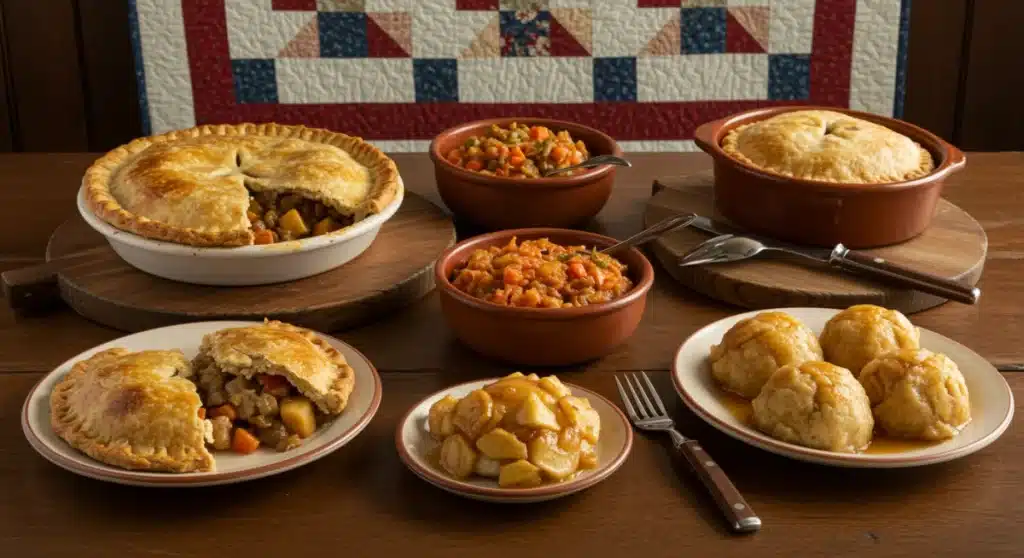
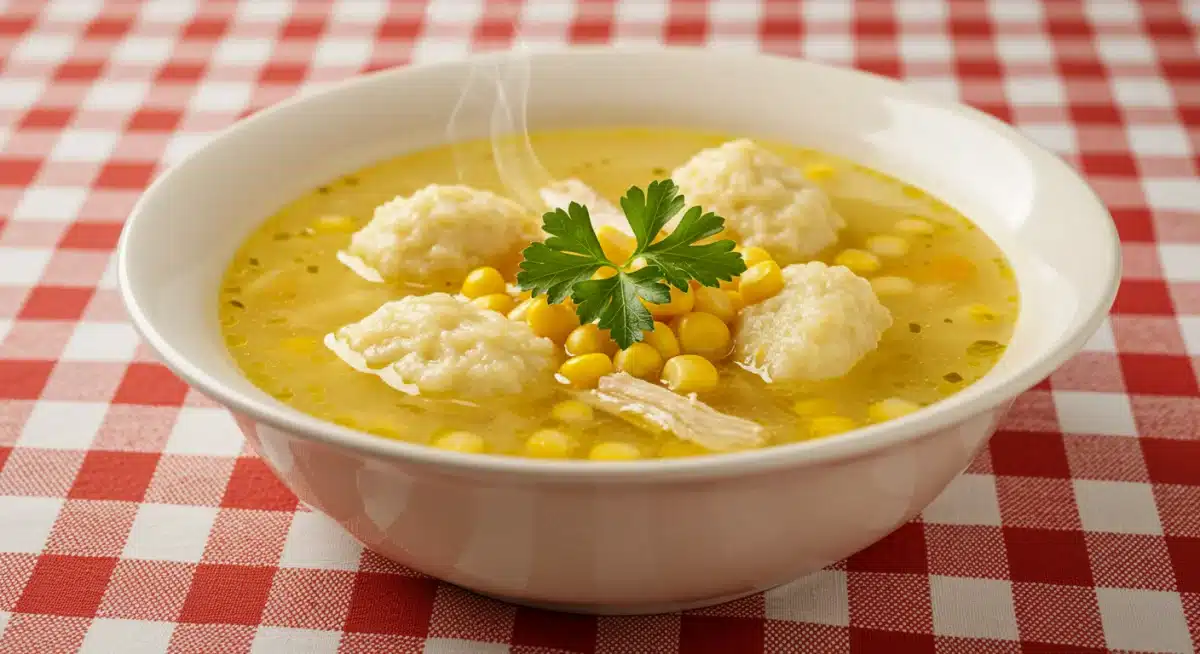
When most people hear ‘chicken pot pie,’ they envision a creamy, vegetable-filled stew topped with a flaky pastry crust. However, the Pennsylvania Dutch Cooking version is distinctly different and equally, if not more, comforting. This variant features square-cut, homemade egg noodles (often called ‘pot pie squares’ or ‘rivvels’ in other contexts) cooked directly in a savory chicken broth with tender pieces of chicken and sometimes potatoes. It’s a hearty, soupy dish that is incredibly satisfying and profoundly simple, making it a perfect candidate for a comforting meal in 2026.
The History and Flavor Profile
This dish is a prime example of the ingenious resourcefulness of the Pennsylvania Dutch. Instead of a pastry crust, the ‘pie’ refers to the method of layering ingredients and cooking them together in a pot. The homemade noodles absorb the rich chicken broth, becoming wonderfully tender and flavorful. The flavor profile is savory, with a deep chicken essence, often enhanced with simple seasonings like salt, pepper, and sometimes a hint of parsley. It’s not about complex spices but rather the pure, unadulterated taste of quality ingredients cooked with care.
Recipe: Pennsylvania Dutch Chicken Pot Pie
Ingredients:
- 1 whole (3-4 lb) chicken, cut into pieces, or 3-4 lbs chicken thighs/breasts
- 8 cups water
- 1 large onion, quartered
- 2 celery stalks, roughly chopped
- 2 carrots, roughly chopped
- 1 tsp salt
- 1/2 tsp black pepper
- 2 large potatoes, peeled and diced (optional, but traditional for some variations)
For the Pot Pie Squares (Rivvels):
- 2 cups all-purpose flour
- 1 large egg
- 1/2 tsp salt
- 1/2 cup cold water (or as needed)
Instructions:
- Cook the Chicken: In a large pot, combine chicken pieces, water, onion, celery, carrots, salt, and pepper. Bring to a boil, then reduce heat, cover, and simmer for 1-1.5 hours, or until chicken is tender and cooked through.
- Prepare the Chicken: Remove chicken from the pot and let cool slightly. Strain the broth through a fine-mesh sieve, discarding the vegetables. Skim off any excess fat. Shred the chicken meat from the bones, discarding skin and bones. Set aside chicken and broth.
- Make the Pot Pie Squares: In a large bowl, combine flour and salt. In a separate small bowl, whisk the egg with 1/4 cup of cold water. Gradually add the egg mixture to the flour, mixing with your hands until a stiff dough forms. Add more water, a tablespoon at a time, if needed. The dough should be firm but not sticky.
- Roll and Cut: On a lightly floured surface, roll out the dough to about 1/8-inch thickness. Cut the dough into 1-inch squares. You can also form small, irregular pea-sized pieces (rivvels) by rubbing the dough between your hands.
- Assemble the Pot Pie: Bring the chicken broth back to a simmer in the large pot. Add the diced potatoes (if using) and cook for about 10 minutes, or until tender-crisp.
- Cook the Squares: Add the pot pie squares to the simmering broth. Stir gently to prevent sticking. Cook for 15-20 minutes, or until the squares are tender and cooked through. They will absorb a lot of liquid and thicken the stew.
- Combine and Serve: Stir in the shredded chicken. Taste and adjust seasoning as needed. Serve hot in deep bowls, perhaps with a side of pickled beets or chow-chow for a classic Pennsylvania Dutch Cooking meal.
2. Shoofly Pie: A Sweet Tradition
Why it’s a Must-Try for 2026
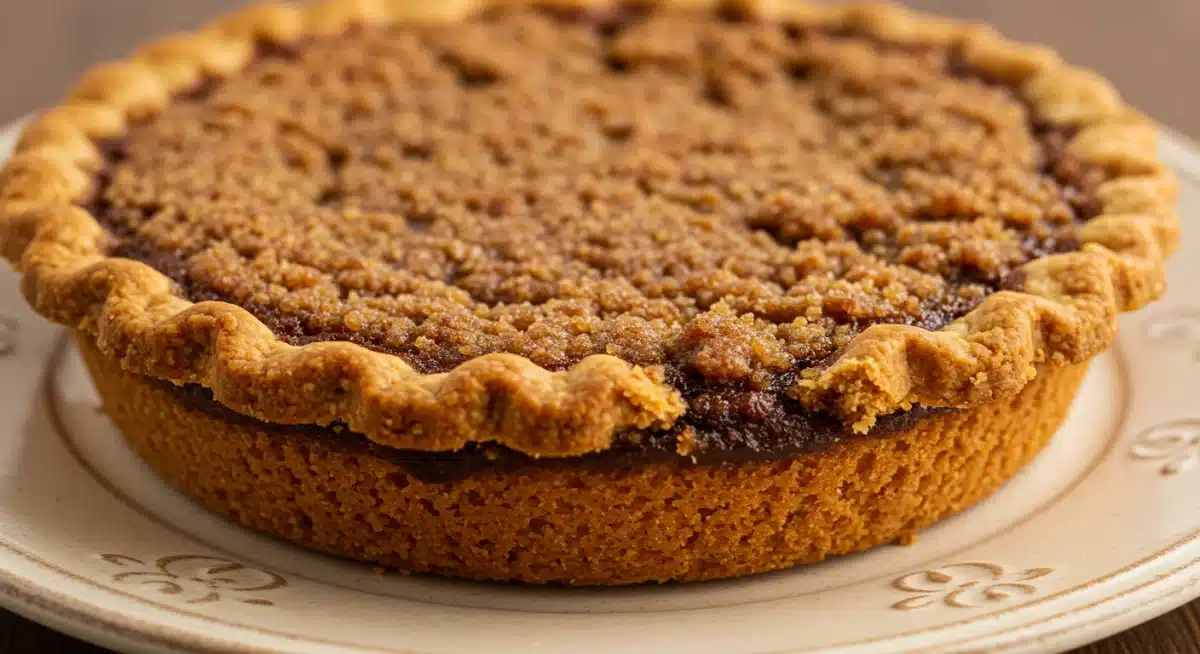
No discussion of Pennsylvania Dutch Cooking is complete without mentioning Shoofly Pie. This iconic dessert, named for its ability to attract flies (hence ‘shoo, fly!’), is a molasses-based pie with a distinct crumb topping. It’s a rich, sweet, and deeply satisfying pie that perfectly encapsulates the simple, hearty nature of this cuisine. Shoofly pie is a dessert that speaks to tradition, comfort, and the resourceful use of readily available ingredients. Its unique texture and flavor profile make it an unforgettable treat that will continue to be a favorite in 2026.
The History and Flavor Profile
Originating in the 1800s, Shoofly Pie was a common breakfast food among the Pennsylvania Dutch, often served with coffee. It’s essentially a ‘wet-bottom’ pie, meaning the molasses mixture settles at the bottom during baking, creating a gooey, custardy layer, while the crumb topping remains delightfully dry and crumbly. The flavor is intensely sweet from the molasses, often balanced by a hint of spice like cinnamon or nutmeg, and a slight bitterness from the coffee (if added to the molasses mixture). It’s a bold flavor, unlike any other pie, and a true representation of the sweet side of Pennsylvania Dutch Cooking.
Recipe: Traditional Shoofly Pie
Ingredients:
- For the Crust: 1 (9-inch) unbaked pie crust (homemade or store-bought)
- For the Crumb Topping:
- 1 1/2 cups all-purpose flour
- 1/2 cup granulated sugar
- 1/4 cup packed light brown sugar
- 1/2 cup (1 stick) cold unsalted butter, cut into small pieces
- For the Wet Bottom:
- 1 cup dark molasses (not blackstrap)
- 1 large egg yolk
- 1 tsp baking soda
- 1 cup boiling water
- 1/4 tsp salt
Instructions:
- Prepare the Crumb Topping: In a medium bowl, combine flour, granulated sugar, and brown sugar. Cut in the cold butter with a pastry blender or your fingertips until the mixture resembles coarse crumbs. Set aside.
- Prepare the Wet Bottom: In a separate bowl, whisk together molasses and egg yolk. In another small bowl, dissolve baking soda in boiling water. Add the dissolved baking soda mixture and salt to the molasses mixture. Stir well.
- Assemble the Pie: Pour the wet bottom mixture into the unbaked pie crust.
- Add Crumb Topping: Sprinkle the crumb topping evenly over the wet bottom mixture. Do not stir.
- Bake: Preheat oven to 375°F (190°C). Place the pie on a baking sheet (to catch any potential spills). Bake for 15 minutes, then reduce oven temperature to 350°F (175°C) and bake for another 35-45 minutes, or until the crumbs are golden brown and the pie is set (it will still be slightly jiggly in the center).
- Cool and Serve: Let the pie cool completely on a wire rack before slicing and serving. Shoofly pie is traditionally served at room temperature.
3. Chow-Chow: The Tangy Condiment
Why it’s a Must-Try for 2026
In the realm of Pennsylvania Dutch Cooking, balance is key, and Chow-Chow is the quintessential ‘sour’ element that complements many hearty meals. This mixed pickled vegetable relish is tangy, slightly sweet, and wonderfully crunchy, providing a refreshing contrast to richer dishes. As home canning and fermentation continue to gain popularity, traditional preserves like Chow-Chow are making a strong comeback. It’s a versatile condiment that adds a burst of flavor and texture to any plate, making it a valuable addition to your 2026 culinary repertoire.
The History and Flavor Profile
Chow-Chow is a perfect example of the Pennsylvania Dutch’s ingenuity in preserving the harvest. It typically features a medley of garden vegetables such as cabbage, green beans, corn, carrots, cauliflower, and peppers, all pickled in a vinegar-based brine often spiced with mustard seed, celery seed, and turmeric. The result is a vibrant, colorful relish with a complex sweet-and-sour flavor profile and a satisfying crunch. It’s not just a side dish; it’s an integral part of the Pennsylvania Dutch Cooking experience, designed to cut through the richness of heavier foods and invigorate the palate.
Recipe: Classic Pennsylvania Dutch Chow-Chow
Ingredients:
- 1 small head cabbage, shredded (about 4 cups)
- 2 cups chopped green beans
- 2 cups corn kernels (fresh or frozen)
- 2 cups chopped carrots
- 1 head cauliflower, chopped into small florets
- 1 red bell pepper, chopped
- 1 green bell pepper, chopped
- 1 large onion, chopped
- 4 cups white vinegar (5% acidity)
- 2 cups granulated sugar
- 1/4 cup pickling salt (or kosher salt)
- 2 tbsp mustard seeds
- 1 tbsp celery seeds
- 1 tsp ground turmeric
- 1/2 tsp red pepper flakes (optional, for a little heat)
Instructions:
- Prepare Vegetables: In a large bowl, combine all the chopped vegetables. Sprinkle with 1/4 cup of pickling salt, mix well, and let stand for 2-3 hours. This draws out excess water, ensuring a crisp relish.
- Rinse and Drain: After standing, rinse the vegetables thoroughly under cold water to remove excess salt. Drain very well, pressing out as much liquid as possible.
- Prepare Brine: In a large non-reactive pot (stainless steel or enamel), combine vinegar, sugar, mustard seeds, celery seeds, turmeric, and red pepper flakes (if using). Bring to a boil, stirring until sugar is dissolved.
- Cook Vegetables: Add the drained vegetables to the boiling brine. Reduce heat and simmer for 15-20 minutes, or until vegetables are tender-crisp. Do not overcook; they should retain a slight crunch.
- Jar and Process (for long-term storage): Ladle the hot chow-chow into hot, sterilized canning jars, leaving 1/2-inch headspace. Remove air bubbles and wipe jar rims. Center lids and apply bands until fingertip tight. Process in a boiling water canner for 15 minutes (adjusting for altitude if necessary).
- Cool and Store: Carefully remove jars from the canner and place them on a towel-lined surface to cool completely. Check seals. Unsealed jars should be refrigerated and consumed within a few weeks. Sealed jars can be stored in a cool, dark place for up to a year.
- For immediate use: If not canning, simply cool the chow-chow and store it in airtight containers in the refrigerator for up to 3-4 weeks.
4. Scrapple: A Pennsylvania Dutch Breakfast Staple
Why it’s a Must-Try for 2026
For those brave enough to venture into the more unique aspects of Pennsylvania Dutch Cooking, Scrapple is an absolute must-try. This savory breakfast meat, often sliced and fried until crispy, is a testament to the nose-to-tail philosophy and resourcefulness of the culture. While it might sound intimidating to some, its rich flavor and satisfying texture make it a beloved staple. As interest in sustainable eating and traditional meat preparations grows, Scrapple is poised to gain new admirers in 2026, offering a hearty and flavorful start to the day.
The History and Flavor Profile
Scrapple originated as a way to use up all the leftover scraps of pork (and sometimes other meats) after butchering, typically including organ meats, combined with cornmeal or buckwheat flour and spices. The mixture is cooked down, poured into loaves, chilled, and then sliced and fried. The flavor is distinctly savory, meaty, and earthy, with a peppery kick, often enhanced by sage and other spices. When fried until golden brown and crispy on the outside, with a tender interior, it’s an incredibly delicious and filling breakfast item, often served with maple syrup, apple butter, or ketchup.
Recipe: Traditional Pennsylvania Dutch Scrapple
Ingredients:
- 1 lb pork shoulder or trimmings (often includes liver or heart for authentic flavor, but can be omitted)
- 6 cups water
- 1 large onion, quartered
- 1 celery stalk, roughly chopped
- 1 tsp salt
- 1/2 tsp black pepper
- 2 cups cornmeal (fine-ground yellow or white)
- 1 tbsp ground sage
- 1 tsp ground black pepper (additional)
- 1/2 tsp ground allspice or nutmeg (optional)
- Salt to taste
- Vegetable oil or lard for frying
Instructions:
- Cook the Pork: In a large stockpot, combine pork, 6 cups water, quartered onion, celery, 1 tsp salt, and 1/2 tsp black pepper. Bring to a boil, then reduce heat, cover, and simmer for 1.5-2 hours, or until the pork is very tender.
- Prepare the Meat and Broth: Remove pork from the pot. Strain the broth through a fine-mesh sieve, discarding the vegetables. Skim off any excess fat. Shred or finely chop the cooked pork. Measure out 4 cups of the strained broth; add water if needed to reach 4 cups.
- Make the Scrapple Mixture: Return the 4 cups of broth to the pot and bring to a simmer. In a separate bowl, whisk together cornmeal, sage, additional 1 tsp black pepper, allspice/nutmeg (if using), and a pinch of salt.
- Thicken the Mixture: Gradually whisk the cornmeal mixture into the simmering broth, stirring constantly to prevent lumps. Continue to cook, stirring frequently, for about 15-20 minutes, until the mixture is very thick and pulls away from the sides of the pot. It will be very stiff.
- Add Meat: Stir in the shredded or chopped pork. Taste and adjust seasoning if necessary.
- Form Loaves: Lightly grease two standard loaf pans (8×4 inches). Pour the hot scrapple mixture into the prepared pans, smoothing the tops with a spatula.
- Chill: Cover the loaf pans with plastic wrap and refrigerate for at least 6 hours, or preferably overnight, until the scrapple is firm and completely chilled.
- Slice and Fry: Once chilled, invert the scrapple loaves onto a cutting board. Slice into 1/2-inch thick pieces. Heat a thin layer of vegetable oil or lard in a large skillet over medium heat. Fry the scrapple slices for 5-7 minutes per side, or until golden brown and crispy.
- Serve: Serve hot with your favorite condiments like apple butter, maple syrup, or ketchup.
5. Apple Dumplings: A Sweet and Tangy Treat
Why it’s a Must-Try for 2026
Completing our list of essential Pennsylvania Dutch Cooking recipes for 2026 are Apple Dumplings. This delightful dessert combines tender apples, sweet syrup, and a flaky pastry crust, often baked until golden and served warm with cream or ice cream. It’s a perfect example of how simple, local ingredients can be transformed into an exquisite treat. As consumers continue to seek out comforting, wholesome desserts, these apple dumplings offer a taste of nostalgia and pure culinary joy.
The History and Flavor Profile
Apple dumplings have long been a beloved dessert in Pennsylvania Dutch country, particularly during apple harvest season. They consist of whole or half apples, peeled and cored, encased in a rich pastry dough, and baked in a sweet, often spiced, syrup. The flavor profile is a wonderful balance of sweet and tart from the apples, complemented by the buttery pastry and the warm, spiced syrup (often with cinnamon and nutmeg). When baked, the apples become tender, and the pastry turns golden and flaky, creating a truly irresistible dessert that highlights the sweet side of Pennsylvania Dutch Cooking.
Recipe: Classic Pennsylvania Dutch Apple Dumplings
Ingredients:
- For the Pastry:
- 2 cups all-purpose flour
- 1 tsp salt
- 3/4 cup (1 1/2 sticks) cold unsalted butter, cut into small pieces
- 1/2 cup ice water (or as needed)
- For the Filling:
- 6 medium baking apples (such as Granny Smith, Honeycrisp, or Fuji), peeled, cored, and whole
- 1/4 cup granulated sugar
- 1 tsp ground cinnamon
- 1/4 tsp ground nutmeg
- 2 tbsp unsalted butter, cut into 6 small pieces
- For the Syrup:
- 1 1/2 cups water
- 1 cup granulated sugar
- 1/2 cup (1 stick) unsalted butter
- 1 tsp vanilla extract
- 1/2 tsp ground cinnamon
Instructions:
- Make the Pastry: In a large bowl, whisk together flour and salt. Cut in the cold butter with a pastry blender or your fingertips until the mixture resembles coarse crumbs. Gradually add ice water, a tablespoon at a time, mixing until the dough just comes together. Do not overmix. Divide the dough into 6 equal pieces, flatten slightly into discs, wrap in plastic, and refrigerate for at least 30 minutes.
- Prepare Apples: Preheat oven to 400°F (200°C). In a small bowl, mix 1/4 cup sugar, 1 tsp cinnamon, and 1/4 tsp nutmeg.
- Assemble Dumplings: On a lightly floured surface, roll out each pastry disc into an 8-inch circle. Place one peeled and cored apple in the center of each pastry circle. Fill the apple cavity with the spiced sugar mixture, then top with a small piece of butter.
- Wrap Dumplings: Bring the edges of the pastry up over the apple, sealing them at the top. Pinch firmly to create a neat package. Place the sealed dumplings in a 9×13-inch baking dish.
- Make the Syrup: In a small saucepan, combine water, 1 cup sugar, 1/2 cup butter, and 1/2 tsp cinnamon. Bring to a boil, stirring until sugar is dissolved and butter is melted. Remove from heat and stir in vanilla extract.
- Bake: Pour the hot syrup over the dumplings in the baking dish. Bake for 40-50 minutes, or until the pastry is golden brown and the apples are tender when pierced with a knife. Baste the dumplings with the syrup a few times during baking.
- Serve: Let cool slightly before serving warm. Apple dumplings are delicious on their own or with a dollop of whipped cream, a scoop of vanilla ice cream, or a drizzle of extra syrup.
Embracing the Flavors of Pennsylvania Dutch Cooking in 2026
As we conclude our culinary journey through the heart of Pennsylvania Dutch Cooking, it’s clear that this cuisine offers more than just sustenance; it provides a connection to history, community, and the timeless joy of home-cooked food. The five recipes we’ve explored – Chicken Pot Pie, Shoofly Pie, Chow-Chow, Scrapple, and Apple Dumplings – represent the diverse and delicious facets of this unique culinary tradition. Each dish, whether savory or sweet, reflects the resourcefulness, practicality, and deep love for good food that characterizes the Pennsylvania Dutch people.
In 2026, as our world continues to seek comfort and authenticity, the demand for traditional, wholesome meals will undoubtedly grow. Pennsylvania Dutch Cooking perfectly fits this niche, offering hearty, flavorful, and often economical dishes that nourish both body and soul. These recipes are not overly complicated, relying instead on high-quality, often locally sourced ingredients and time-honored techniques. They are an invitation to slow down, to gather around the table, and to share a meal that has been enjoyed for generations.
Beyond the recipes themselves, embracing Pennsylvania Dutch Cooking is about appreciating a way of life that values hard work, community, and the simple pleasures. It’s about understanding the ‘seven sweets and seven sours’ philosophy, the importance of preserving the harvest, and the joy of creating something truly delicious from basic ingredients. Whether you’re experimenting with making your own pot pie noodles, perfecting the crumb topping of a shoofly pie, or canning a batch of tangy chow-chow, you’re participating in a rich culinary heritage.
We encourage you to try these 5 must-try recipes for 2026 and discover the magic of Pennsylvania Dutch Cooking for yourself. You might find that these traditional dishes become new favorites in your home, bringing warmth, flavor, and a touch of historical charm to your dining table. Happy cooking!