Mastering Emulsification: Your 2026 Guide to Stable Vinaigrettes and Mayonnaise
Anúncios
Welcome to the fascinating world of emulsification, a culinary technique that transforms disparate liquids into harmonious, stable sauces. If you’ve ever struggled with a vinaigrette that separates moments after mixing or a mayonnaise that refuses to come together, you’re not alone. Achieving stable emulsifications is a common challenge for home cooks and seasoned chefs alike. In this comprehensive 2026 guide, we’ll demystify the science behind stable emulsifications, provide practical tips, and offer advanced techniques to ensure your vinaigrettes and mayonnaise are consistently perfect.
Anúncios
Understanding the principles of emulsification is not just about following a recipe; it’s about gaining control over your ingredients and mastering a fundamental aspect of culinary science. By the end of this article, you’ll have the knowledge and confidence to create beautifully stable, flavorful sauces every time.
Anúncios
The Science Behind Stable Emulsifications: Oil, Water, and Everything In Between
At its core, an emulsion is a mixture of two or more liquids that are normally immiscible (unmixable) due to liquid-liquid phase separation. In the culinary world, this almost always refers to oil and water. Think about trying to mix oil and vinegar without whisking – they quickly separate into distinct layers. The goal of emulsification is to create a stable dispersion of one liquid within another.
What is an Emulsion?
An emulsion is a heterogeneous system consisting of at least two immiscible liquid phases, one of which is dispersed in the other in the form of droplets. These droplets are typically larger than colloidal dimensions, ranging from 0.1 to 100 micrometers. The two primary types of emulsions we encounter in cooking are:
- Oil-in-Water (O/W) Emulsions: Oil droplets are dispersed in a continuous water phase. Mayonnaise, milk, and vinaigrettes are classic examples.
- Water-in-Oil (W/O) Emulsions: Water droplets are dispersed in a continuous oil phase. Butter and margarine are common examples.
For stable emulsifications like vinaigrette and mayonnaise, we are primarily concerned with O/W emulsions.
The Role of Emulsifiers in Stable Emulsifications
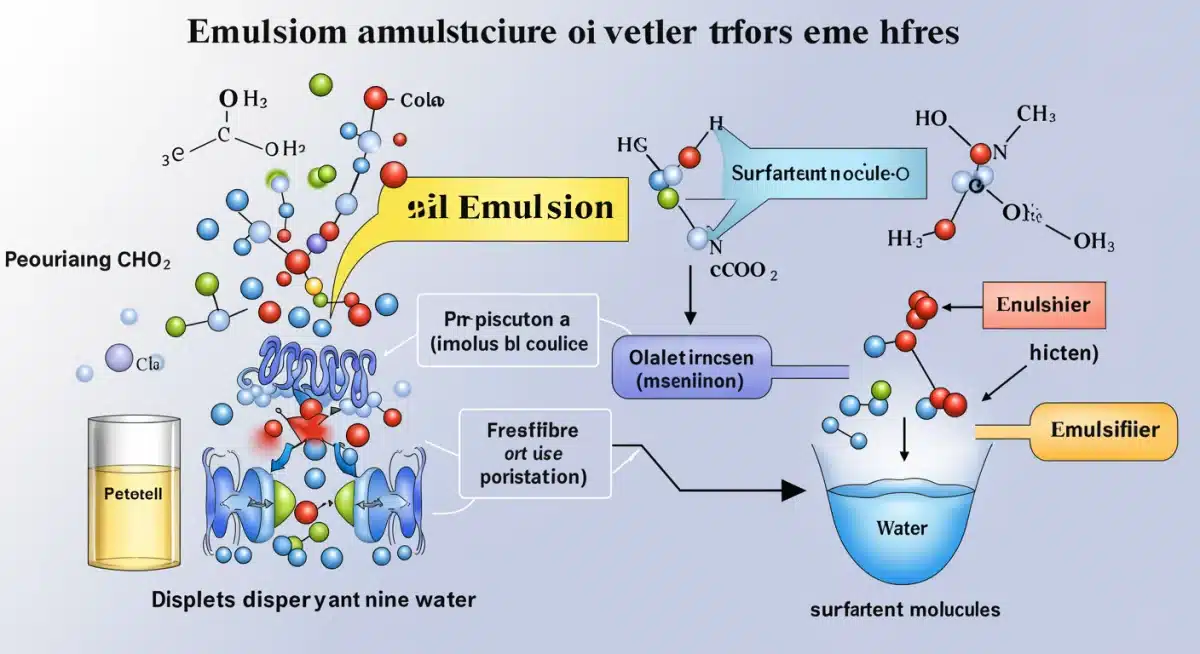
So, how do we get oil and water to stay mixed? This is where emulsifiers come into play. An emulsifier is a substance that helps stabilize an emulsion by reducing the interfacial tension between the two immiscible liquids. Emulsifiers have a unique molecular structure: they are amphiphilic, meaning they have both hydrophilic (water-loving) and lipophilic (oil-loving) properties.
When an emulsifier is added to a mixture of oil and water, its hydrophilic end orients towards the water phase, and its lipophilic end orients towards the oil phase. This creates a stable barrier around the dispersed droplets, preventing them from coalescing and separating. Essentially, the emulsifier acts as a molecular bridge, allowing oil and water to coexist harmoniously.
Common Emulsifiers in Your Kitchen:
- Lecithin: Found abundantly in egg yolks, lecithin is a powerful natural emulsifier. It’s the superstar ingredient that makes mayonnaise possible.
- Mustard: While not a primary emulsifier like lecithin, mustard contains mucilage, a complex carbohydrate that helps coat oil droplets and increase the viscosity of the water phase, thereby aiding in stabilization. Its finely ground particles also help physically disrupt oil droplets.
- Honey and Maple Syrup: These act as weak emulsifiers due to their sugar content and viscosity, helping to thicken the water phase and slow down separation.
- Garlic Paste/Puree: The starches and other compounds in garlic can contribute to emulsion stability, similar to mustard.
- Proteins: Some proteins, like those in milk or soy, can also act as emulsifiers, though less commonly used in simple vinaigrettes.
Factors Affecting Emulsion Stability
Beyond the presence of an emulsifier, several other factors influence the stability of your emulsifications:
- Energy Input (Whisking/Blending): Mechanical energy is crucial for breaking down the dispersed phase (oil) into tiny droplets. The smaller the droplets, the more surface area the emulsifier can cover, leading to a more stable emulsion. Insufficient whisking or blending can result in large droplets that quickly coalesce.
- Viscosity of the Continuous Phase: A thicker continuous phase (water in O/W emulsions) makes it harder for dispersed droplets to move and coalesce, thus contributing to stability. Ingredients like mustard, honey, or even a thicker vinegar can help increase viscosity.
- Temperature: Extreme temperatures can affect emulsion stability. High heat can denature emulsifying proteins (like those in egg yolks), causing the emulsion to break. Very cold temperatures can cause certain oils to solidify, also leading to separation. Room temperature ingredients are often recommended.
- Rate of Oil Addition: This is perhaps one of the most critical factors, especially for mayonnaise. Adding oil too quickly overwhelms the emulsifier, leading to unstable, large oil droplets that won’t incorporate.
- Ratio of Ingredients: An imbalance in the oil-to-water ratio can also lead to instability. There’s a sweet spot for each type of emulsion.
- pH: For some emulsions, pH can play a role, affecting the charge and effectiveness of protein-based emulsifiers. For vinaigrettes, the acidity of vinegar is essential, but extreme pH can sometimes be detrimental.
Crafting the Perfect Vinaigrette: A Stable Emulsification Masterclass
Vinaigrette is often the first introduction to emulsification for many home cooks. While seemingly simple, achieving a stable vinaigrette that doesn’t separate in minutes can be elusive. Let’s break down the process for stable emulsifications.
The Basic Vinaigrette Formula
A classic vinaigrette typically follows a 3:1 ratio of oil to acid (vinegar or lemon juice). However, this is a starting point, and you can adjust it to your taste. For optimal stability, consider a slightly different approach.
Ingredients for a Stable Vinaigrette:
- Oil: Extra virgin olive oil, grapeseed oil, avocado oil, etc. Choose a neutral oil or one with a flavor profile that complements your dish.
- Acid: Red wine vinegar, white wine vinegar, balsamic vinegar, apple cider vinegar, lemon juice, lime juice.
- Emulsifier/Stabilizer: Dijon mustard is highly recommended. A small amount of honey or maple syrup can also contribute.
- Seasoning: Salt, black pepper, herbs, garlic, shallots.
Step-by-Step Guide to Stable Vinaigrette:
- Combine Acid and Emulsifier: In a medium bowl, whisk together your chosen acid (e.g., 2 tablespoons red wine vinegar) with about 1 teaspoon of Dijon mustard. The mustard is key here, providing both flavor and vital emulsifying properties. Add salt and pepper at this stage as well.
- Slow Oil Addition: This is the most crucial step for stable emulsifications. Begin to slowly drizzle in your oil (e.g., 6 tablespoons olive oil) while continuously whisking vigorously. The stream of oil should be very thin, almost a drip, especially at the beginning.
- Consistent Whisking: Maintain consistent, rapid whisking throughout the oil addition. This mechanical energy breaks the oil into tiny droplets, allowing the mustard to coat them effectively.
- Taste and Adjust: Once all the oil is incorporated and the vinaigrette is thick and creamy, taste and adjust seasonings. You might want more salt, pepper, or a touch more acid.
- Optional Additions: Stir in finely minced garlic, shallots, or fresh herbs for extra flavor.
Tips for Enhanced Vinaigrette Stability:
- Use Room Temperature Ingredients: Cold oil can be harder to emulsify.
- Start with a Small Amount of Acid/Mustard: Create a strong initial emulsion with the emulsifier before adding the bulk of the oil.
- Consider a Blender or Immersion Blender: For ultimate stability and speed, an immersion blender is a vinaigrette’s best friend. Combine all ingredients (except very delicate herbs) in a tall container and blend until emulsified.
- Add a Touch of Water: If your vinaigrette is too thick or seems on the verge of breaking, a tiny drop of water (like a teaspoon) can sometimes help re-emulsify it by thinning the continuous phase slightly.
- Storage: Store vinaigrettes in an airtight container in the refrigerator. They may separate over time, but a quick shake or whisk will usually bring them back together.
Demystifying Mayonnaise: Achieving the Silkiest, Most Stable Emulsion
Mayonnaise is the zenith of emulsion making for many home cooks. A perfectly stable, creamy mayonnaise is a testament to culinary skill. The key to stable emulsifications here lies in understanding the egg yolk.
The Core Mayonnaise Ingredients:
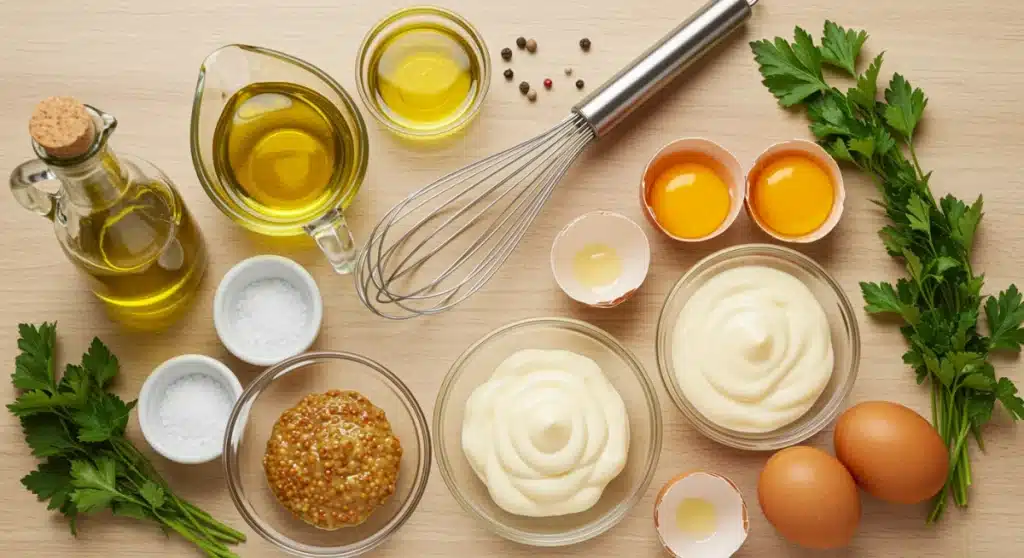
- Egg Yolk: The primary emulsifier, rich in lecithin. Use fresh, high-quality eggs.
- Oil: A neutral-flavored oil is often preferred (e.g., grapeseed, canola, sunflower, light olive oil). Extra virgin olive oil can be too strong and sometimes bitter in mayonnaise.
- Acid: Lemon juice or white wine vinegar provides tang and helps balance the richness.
- Seasoning: Dijon mustard (for flavor and secondary emulsification), salt, and sometimes a pinch of sugar.
Step-by-Step Guide to Stable Mayonnaise:
- Prepare the Base: In a medium, sturdy bowl, whisk together the egg yolk(s), Dijon mustard, a pinch of salt, and a teaspoon of your chosen acid. Whisk until the mixture is pale yellow and slightly thickened. This is your emulsifying base.
- Initial Oil Drizzle (Crucial!): This is the most critical stage for stable emulsifications. Begin adding the oil, literally drop by drop at first, while whisking continuously and vigorously. Do not rush this. For the first 1/4 cup of oil, it should be added almost one drop at a time, ensuring each drop is fully incorporated before adding the next. This creates a strong initial emulsion.
- Gradual Oil Stream: Once you have a stable, thick base (after about 1/4 cup of oil), you can increase the oil stream to a very thin, steady drizzle. Continue whisking without interruption.
- Observe the Emulsion: As you add more oil, the mixture will thicken and lighten in color. If it starts to look greasy or like it’s about to break, stop adding oil and whisk vigorously to bring it back together.
- Adjust Consistency and Flavor: Once all the oil is incorporated and you have a thick, creamy mayonnaise, whisk in the remaining acid to taste. Adjust salt and any other seasonings.
- Storage: Transfer to an airtight container and refrigerate. Homemade mayonnaise is best consumed within a week due to raw egg yolks.
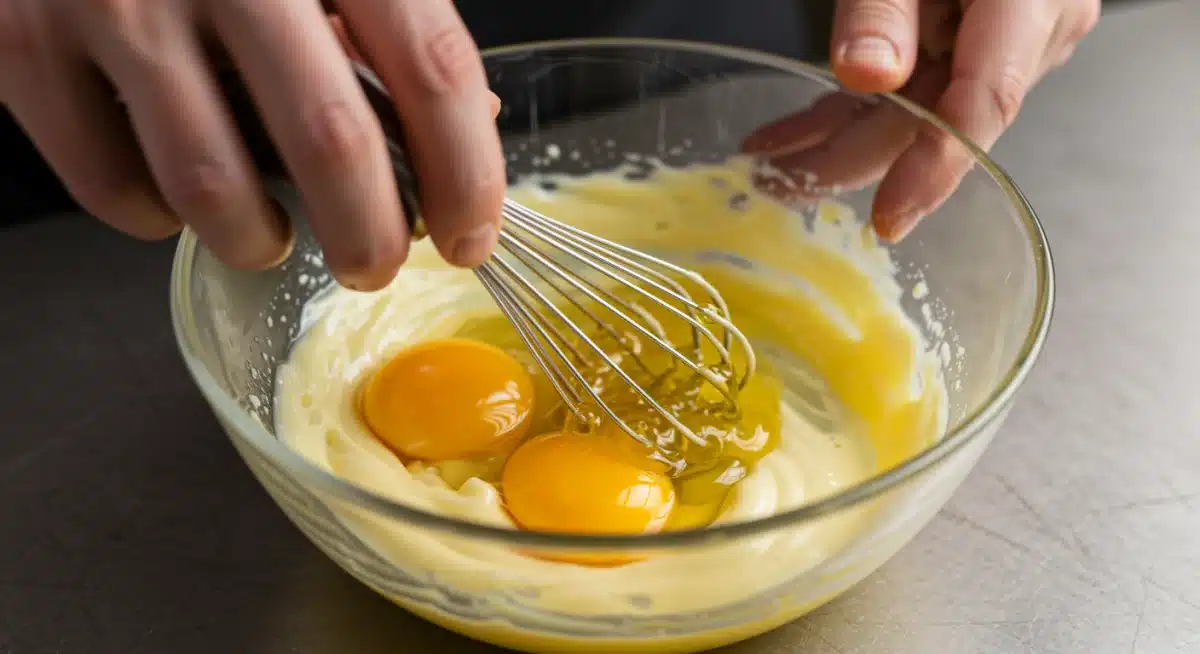
Troubleshooting Mayonnaise:
- My Mayonnaise Broke! What Now? Don’t despair! This is common. You can often rescue it.
- Method 1 (New Egg Yolk): In a clean bowl, whisk one fresh egg yolk with a teaspoon of acid. Very slowly, whisk in the broken mayonnaise, a teaspoon at a time, until it re-emulsifies.
- Method 2 (Warm Water): Sometimes, a small amount (1-2 teaspoons) of warm water whisked into the broken mayonnaise can help bring it back together.
- Too Thin? If your mayonnaise is too thin, it likely needs more oil. Continue slowly drizzling in oil while whisking until it reaches your desired consistency.
- Too Thick? If it’s too thick, whisk in a teaspoon of warm water or a little more acid (lemon juice/vinegar) until it loosens up.
Advanced Techniques and Common Pitfalls for Stable Emulsifications
Beyond the basics, there are several nuances and common mistakes that can make or break your stable emulsifications.
Immersion Blenders: The Emulsion Powerhouse
For consistent, stable emulsifications, especially mayonnaise, an immersion blender is a game-changer. The high-speed blades create incredibly fine oil droplets, making the emulsification process almost foolproof.
Immersion Blender Mayonnaise Technique:
- Place the egg yolk(s), mustard, salt, and acid in a tall, narrow container (like a Mason jar or the cup that comes with the blender).
- Pour all the oil on top of the other ingredients. Do not mix.
- Insert the immersion blender to the bottom of the container, ensuring it covers the egg yolk mixture.
- Turn the blender on high and keep it at the bottom for about 10-15 seconds until you see a thick, white emulsion forming at the bottom.
- Slowly lift the blender head up through the oil, allowing the emulsified mixture to incorporate the remaining oil. Continue blending until all the oil is incorporated and the mayonnaise is thick and creamy.
This method significantly reduces the risk of breaking and produces incredibly stable emulsifications with minimal effort.
Understanding Emulsion Failure (Breaking)
An emulsion breaks when the dispersed droplets coalesce and separate from the continuous phase. This can happen for several reasons:
- Adding Oil Too Quickly: The most common cause. The emulsifier gets overwhelmed and can’t coat all the oil droplets.
- Insufficient Whisking/Blending: Large oil droplets are formed, which are less stable.
- Temperature Extremes: Too hot or too cold can destabilize the emulsifier or oil.
- Incorrect Ingredient Ratios: Too much oil for the amount of emulsifier, or not enough continuous phase.
- Contamination: Sometimes, a tiny bit of water in an oil-in-water emulsion (or vice versa) can disrupt the delicate balance.
Tips for Preventing Emulsion Breakage:
- Patience is Key: Especially when hand-whisking, take your time with oil addition.
- Use Fresh Ingredients: Especially egg yolks, as their emulsifying power can diminish with age.
- Maintain Consistent Temperature: Room temperature ingredients are often best.
- Don’t Over-Process: While mechanical energy is good, over-blending (especially with high-speed blenders) can sometimes generate too much heat or shear, which can eventually destabilize an emulsion.
- Consider a Stabilizer: For commercial applications or very long-lasting stable emulsifications, xanthan gum (a hydrocolloid) can be used in tiny amounts (0.1-0.5% by weight) to significantly increase viscosity and prevent separation. For home cooks, mustard and honey typically suffice.
Beyond Vinaigrettes and Mayonnaise: Other Stable Emulsifications
The principles of stable emulsifications extend far beyond these two classic sauces. Understanding them opens up a world of culinary possibilities:
- Hollandaise/Béarnaise Sauce: These are butter-in-egg yolk emulsions, notoriously delicate but incredibly rewarding when stable. The key here is gradual addition of clarified butter to egg yolks over gentle heat.
- Aioli: Essentially garlic mayonnaise, often made with olive oil.
- Ranch Dressing: Many creamy dressings rely on stable emulsifications, often using buttermilk or sour cream as the continuous phase and various oils.
- Dressings with Nut Butters: Nut butters can act as emulsifiers due to their fat and protein content, creating rich, stable dressings.
- Creamy Soups and Sauces: While not always true emulsions, techniques to prevent fat from separating in creamy soups and sauces often draw on similar principles of dispersion and stabilization.
The Future of Stable Emulsifications in 2026 and Beyond
As culinary science continues to evolve, so too do our methods for achieving stable emulsifications. In 2026, we are seeing a greater emphasis on:
- Plant-Based Emulsifiers: With the rise of vegan cuisine, there’s increasing interest in alternatives to egg yolks, such as aquafaba (the liquid from canned chickpeas), soy lecithin, and various plant-based proteins and starches. These require specific techniques but can yield surprisingly stable results.
- Precision Cooking Tools: Advanced immersion blenders, food processors with precise speed controls, and even sonic emulsifiers (though more for industrial use) are making stable emulsifications more accessible and consistent.
- Understanding Rheology: Chefs are becoming more attuned to the rheological properties of their sauces – how they flow and deform – which directly impacts mouthfeel and stability. This involves a deeper understanding of viscosity and thixotropy.
- Sustainable Sourcing: The origin and quality of oils, vinegars, and emulsifiers are increasingly important, not just for flavor but also for their functional properties in stable emulsifications.
Embracing these trends means not just mastering traditional methods but also being open to innovation and new ingredients that can enhance the stability and sensory experience of your sauces.
Conclusion: Your Journey to Perfect, Stable Emulsifications
Achieving stable emulsifications for vinaigrettes and mayonnaise is a foundational skill that elevates your cooking from good to gourmet. It’s a blend of art and science, requiring patience, understanding, and the right techniques. By focusing on the quality of your ingredients, the role of emulsifiers like egg yolks and mustard, and the critical importance of slow oil addition and vigorous whisking, you can consistently produce sauces that are smooth, creamy, and beautifully stable.
Remember, practice makes perfect. Don’t be discouraged by initial failures; they are part of the learning process. With this 2026 guide to stable emulsifications in hand, you are now equipped with the knowledge to conquer the challenge of broken sauces and create culinary masterpieces that impress and delight. So, grab your whisk (or immersion blender!), gather your ingredients, and start emulsifying with confidence!