Mastering Flavor: Essential Seasoning Techniques for Culinary Excellence
Anúncios
Mastering Flavor: Essential Seasoning Techniques for Culinary Excellence
In the vast and exciting world of culinary arts, few aspects are as fundamentally important, yet often misunderstood, as seasoning. It’s the difference between a passable meal and an unforgettable culinary experience. Mastering essential seasoning techniques is not just about adding salt and pepper; it’s about understanding the intricate dance of flavors, how they interact, and how to coax the best out of every ingredient. This comprehensive guide will delve deep into the art and science of seasoning, providing you with the knowledge and practical tips to transform your cooking.
Anúncios
Many home cooks approach seasoning with a degree of trepidation, often under or over-seasoning, or simply sticking to the same old routine. But what if you could approach seasoning with confidence, knowing exactly what your dish needs to sing? This article aims to demystify the process, offering insights into foundational principles, advanced strategies, and common pitfalls to avoid. By the end, you’ll be equipped with the tools to elevate every dish you prepare, turning ordinary ingredients into extraordinary flavors.
Anúncios
The journey to becoming a seasoning master begins with understanding the basics. We’ll explore the core components of flavor, the role of different seasonings, and how to build a robust seasoning pantry. Then, we’ll move into practical application, discussing techniques for various types of dishes and ingredients. Get ready to awaken your palate and unlock a new level of culinary prowess!
The Foundation of Flavor: Understanding Taste and Seasoning
Before we can master essential seasoning techniques, we must first understand what flavor truly is and how our senses perceive it. Flavor isn’t just about taste; it’s a complex interplay of taste, aroma, texture, and even temperature. Our taste buds detect five basic tastes: sweet, sour, salty, bitter, and umami. Each plays a crucial role in creating a balanced and appealing flavor profile.
The Five Basic Tastes and Their Role in Seasoning
- Salty: This is perhaps the most fundamental seasoning. Salt enhances existing flavors, balances bitterness, and adds depth. It’s a flavor amplifier, making other tastes more pronounced. However, too much salt can overpower a dish, so moderation and tasting as you go are key.
- Sweet: Often associated with desserts, sweetness can also balance savory dishes by mellowing out acidity or bitterness. A touch of sugar, honey, or even sweet vegetables can round out flavors in a surprising way.
- Sour: Acidity, found in ingredients like lemon juice, vinegar, or tomatoes, brightens a dish, cuts through richness, and adds a refreshing tang. It’s a vital component for lifting heavy flavors and creating balance.
- Bitter: While often perceived negatively, bitterness, in small doses, can add complexity and sophistication. Think of coffee, dark chocolate, or certain leafy greens. In seasoning, it can be balanced by sweetness or salt.
- Umami: This savory, meaty taste is often described as the ‘fifth taste.’ Ingredients rich in umami, such as mushrooms, soy sauce, Parmesan cheese, or aged meats, add depth, richness, and a satisfying fullness to a dish. It’s a powerful tool for making food taste more “moreish.”
Understanding these basic tastes is the first step toward mastering essential seasoning techniques. The goal is not to make every dish taste the same, but to use these tastes to create harmony and excitement on the palate.
Building Your Seasoning Arsenal: Beyond Salt and Pepper
While salt and pepper are indispensable, a truly well-stocked pantry for mastering essential seasoning techniques goes far beyond. Think of your spice rack and fresh herb garden as your artist’s palette, each ingredient offering a unique hue and texture to your culinary canvas.
Herbs: Fresh vs. Dried
Herbs are aromatic leaves used to flavor food. They can be fresh or dried, and each form has its strengths:
- Fresh Herbs: Offer vibrant, bright, and often delicate flavors. They are best added towards the end of cooking or as a garnish to preserve their freshness. Examples include basil, cilantro, parsley, mint, and chives.
- Dried Herbs: Have concentrated flavors due to the removal of water. They are excellent for long cooking processes, where their flavors can slowly meld into the dish. Generally, use about one-third of the amount of dried herbs compared to fresh. Popular dried herbs include oregano, thyme, rosemary, bay leaves, and marjoram.
Spices: Whole vs. Ground
Spices come from the seeds, fruits, roots, bark, or flowers of plants. Like herbs, they can be whole or ground:
- Whole Spices: Offer a more complex, nuanced flavor profile. They release their aromas slowly and are ideal for infusing oils, braises, or grinding fresh. Examples include whole cumin seeds, star anise, cinnamon sticks, and cardamom pods.
- Ground Spices: Provide immediate and intense flavor. They are convenient but lose their potency more quickly than whole spices. Always buy ground spices in small quantities and store them properly. Common ground spices include paprika, turmeric, chili powder, and ginger powder.
Aromatics: The Flavor Base
Aromatics are ingredients that, when heated, release fragrant compounds that form the foundation of many dishes. They are crucial for building flavor layers:
- Onions, Garlic, Shallots: The holy trinity of many cuisines. Sautéing them gently allows their sweet and pungent notes to develop.
- Celery and Carrots: Often paired with onions to form a ‘mirepoix’ in French cooking, providing a sweet and earthy base.
- Ginger and Chiles: Add warmth, spice, and a unique aromatic quality to Asian and Latin American dishes.
By understanding and utilizing this diverse range of ingredients, you’ll be well on your way to mastering essential seasoning techniques and creating truly memorable meals.
Core Essential Seasoning Techniques
Now that we’ve covered the fundamentals of flavor and the ingredients at your disposal, let’s dive into the practical essential seasoning techniques that will elevate your cooking.
1. Seasoning in Layers: The Foundation of Depth
One of the most critical techniques is seasoning in layers. This means adding seasoning at different stages of the cooking process, rather than just at the end. Each layer builds upon the last, creating a more complex and harmonious flavor profile.
- Initial Seasoning: Season raw ingredients (meat, vegetables) before cooking. This allows the salt, pepper, or other spices to penetrate the food, rather than just sitting on the surface. For example, salting meat an hour or two before cooking helps it retain moisture and enhances its natural flavor.
- Mid-Cooking Seasoning: Add aromatics and spices early in the cooking process. Sautéing onions, garlic, and spices in oil allows their fat-soluble flavor compounds to bloom and infuse the cooking fat, which then coats other ingredients. This is where dried herbs often shine.
- Final Seasoning/Adjusting: This is where you taste and adjust. As the dish cooks, flavors meld and concentrate. A final sprinkle of salt, a squeeze of lemon juice, a dash of fresh herbs, or a pinch of sugar can bring all the flavors into perfect balance. This stage is crucial for correcting any imbalances.
2. The Art of Tasting as You Go: Your Most Important Tool
This cannot be stressed enough: taste, taste, taste! Your palate is your most valuable tool for mastering essential seasoning techniques. Don’t wait until the dish is finished to taste it. Sample frequently, especially when adding new ingredients or seasonings.
- Small Adjustments: Add seasonings incrementally. It’s easier to add more than to remove too much.
- Consider Concentration: Remember that liquids reduce and flavors concentrate during cooking. A stew that tastes perfectly seasoned at the beginning might be too salty or intense at the end if you don’t account for reduction.
- Balance is Key: As you taste, think about the five basic tastes. Does it need more salt to enhance? A touch of acid to brighten? Some sweetness to round it out? A pinch of umami to deepen the flavor?
3. Blooming Spices: Unleashing Aromatic Potential
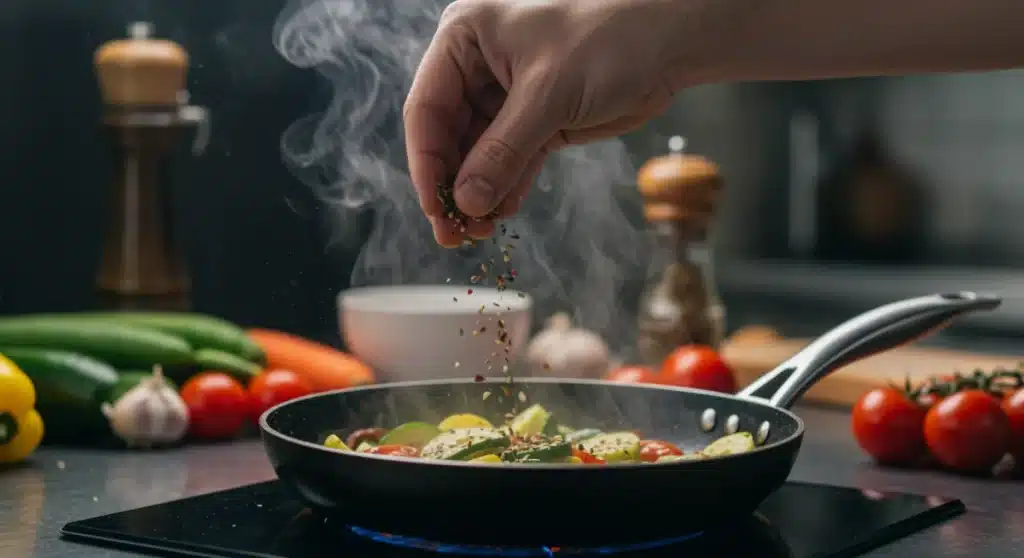
Blooming spices is an essential seasoning technique that involves briefly heating whole or ground spices in oil or butter before adding other ingredients. This process gently toasts the spices, releasing their fat-soluble flavor compounds and intensifying their aroma and taste.
- How to Bloom: Heat a small amount of oil or butter in a pan over medium heat. Add the spices and stir constantly for 30 seconds to 2 minutes, until fragrant. Be careful not to burn them, as this will make them bitter.
- When to Bloom: This technique is particularly effective for curries, stews, and sautéed dishes where spices form a central flavor component. It creates a rich, complex base for your dish.
4. Marinating and Brining: Infusing Flavor Deeply
Marinating and brining are pre-cooking essential seasoning techniques that infuse flavor and moisture deep into ingredients, particularly meats, poultry, and even some vegetables.
- Marinating: Involves soaking food in a seasoned liquid (marinade) before cooking. Marinades typically contain an acid (vinegar, citrus juice) to tenderize, oil to carry flavors, and various herbs, spices, and aromatics. The longer the marination (within safe limits), the more flavor penetrates.
- Brining: Specifically refers to soaking food, usually proteins, in a salt solution. Brining works through osmosis, causing the food to absorb moisture and salt, resulting in juicier and more flavorful results. A basic brine consists of water and salt, often with sugar, herbs, and spices added for extra flavor.
5. Finishing with Flair: The Final Touches
The final touches of seasoning are often what elevate a good dish to a great one. These aren’t just about taste; they’re also about texture and visual appeal.
- Fresh Herbs: A sprinkle of fresh parsley, cilantro, chives, or basil at the very end adds brightness, freshness, and a pop of color. Their delicate flavors would be lost if cooked for too long.
- Flaky Sea Salt: A pinch of flaky sea salt (like Maldon) sprinkled over a finished dish provides a pleasant textural crunch and a burst of clean, briny flavor that melts on the tongue. It’s perfect for roasted vegetables, grilled meats, or even desserts.
- Acids: A final squeeze of lemon or lime juice, a splash of good quality vinegar, or a drizzle of balsamic glaze can cut through richness, brighten flavors, and provide a refreshing counterpoint.
- Aromatic Oils/Butters: A swirl of high-quality extra virgin olive oil, a knob of herb butter, or a sprinkle of chili oil can add a luxurious finish and an extra layer of flavor and aroma.
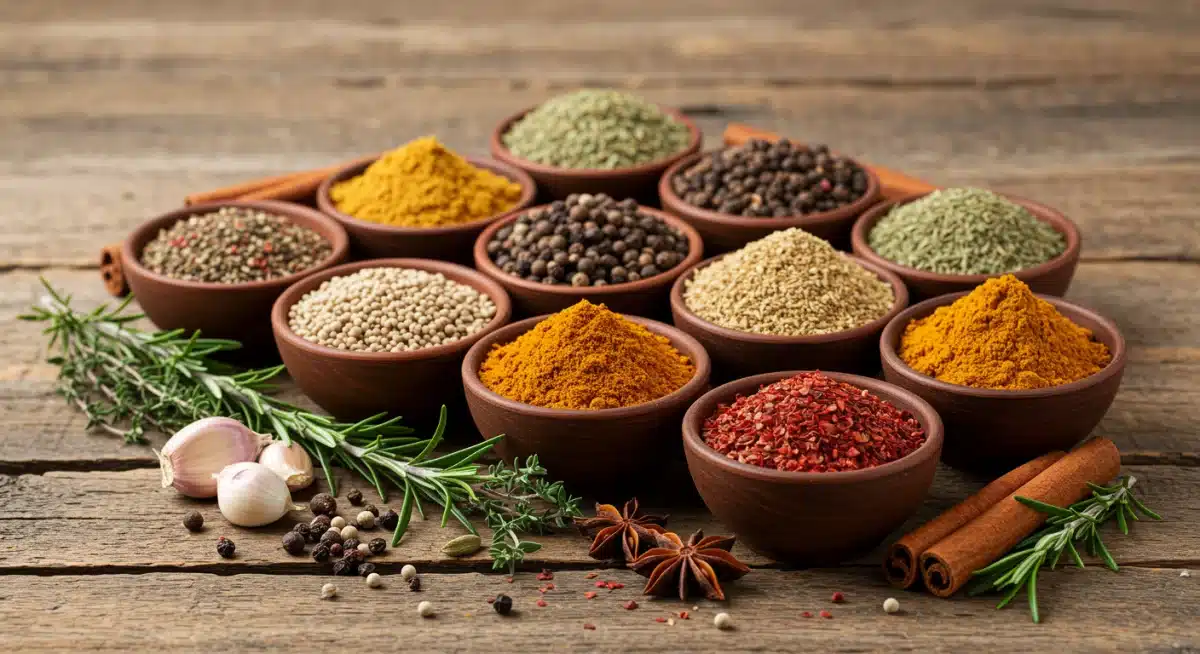
By mastering these essential seasoning techniques, you’ll gain confidence in the kitchen and consistently produce dishes that are bursting with flavor and perfectly balanced.
Advanced Seasoning Strategies for the Adventurous Cook
Once you’re comfortable with the core essential seasoning techniques, you can begin to explore more advanced strategies that will truly set your cooking apart.
Understanding Flavor Profiles and Cuisines
Different cuisines have distinct flavor profiles based on their staple ingredients and seasoning combinations. Learning these can help you create authentic and delicious dishes.
- Mediterranean: Olives, garlic, oregano, basil, lemon, olive oil.
- Mexican: Cumin, chili powder, oregano, cilantro, lime.
- Indian: Cumin, coriander, turmeric, garam masala, ginger, garlic, chili.
- Thai: Lemongrass, galangal, kaffir lime, fish sauce, chili, coconut milk.
By studying these profiles, you can intelligently adapt and combine seasonings to create new and exciting fusions.
Creating Your Own Spice Blends
Moving beyond pre-made spice blends allows you to customize flavors to your exact preference. Toasting and grinding your own whole spices for blends like garam masala, curry powder, or za’atar will yield a much fresher and more potent flavor.
- Start Simple: Begin with common spices you enjoy.
- Toast Whole Spices: Gently toast whole spices in a dry pan until fragrant before grinding them. This enhances their flavor.
- Experiment: Play with different ratios and combinations. Keep notes of what works well.
Fermentation and Umami Bombs
Incorporating fermented ingredients or those naturally rich in umami can dramatically deepen the flavor of your dishes without necessarily adding more salt.
- Fermented Foods: Sauerkraut, kimchi, miso, soy sauce, fish sauce, aged cheeses. These add complex, savory, and sometimes tangy notes.
- Umami-Rich Ingredients: Mushrooms (especially dried porcini), sun-dried tomatoes, tomato paste (caramelized), nutritional yeast, anchovies. A small amount can add significant depth.
Seasoning for Texture
Seasoning isn’t just about taste; it can also influence texture. For example, a good crust on meat is often achieved through proper salting and searing. Using coarser salts like kosher salt for brining, or flaky sea salt for finishing, also contributes to the textural experience of a dish.
Common Seasoning Mistakes to Avoid
Even with a good understanding of essential seasoning techniques, it’s easy to fall into common traps. Being aware of these can help you refine your approach.
- Under-Seasoning: The most common mistake. Bland food is unappetizing. Don’t be afraid to use salt and other seasonings, but do so judiciously and taste as you go. Remember, blandness is harder to fix than over-seasoning.
- Over-Seasoning: While less common than under-seasoning, adding too much salt, spice, or a particular herb can overpower a dish. If you’ve over-salted, sometimes adding a potato or diluting with liquid can help, but prevention through tasting is best.
- Seasoning Only at the End: As discussed, layering flavors is key. Adding all your seasoning at the end means the flavors won’t have time to meld and penetrate the ingredients.
- Using Stale Spices: Spices lose their potency over time. Ground spices generally last 6 months to a year, while whole spices can last 1-2 years. If your spices lack aroma, it’s time to replace them.
- Not Adjusting for Ingredients: Some ingredients are naturally salty (e.g., bacon, cured meats, cheese), while others are very bland (e.g., rice, potatoes). Always adjust your seasoning based on the inherent flavor of your components.
- Ignoring Acidity: A squeeze of lemon or a splash of vinegar can often “fix” a dish that tastes flat or too rich, balancing the flavors without adding more salt.
The Science Behind Seasoning: Why It Works
Beyond the art, there’s fascinating science underpinning why essential seasoning techniques are so effective.
Salt and Flavor Perception
Salt doesn’t just add a salty taste; it actively modifies our perception of other flavors. It suppresses bitterness, enhances sweetness and umami, and makes aromas more volatile, meaning they reach our nose more effectively. This is why a pinch of salt can make chocolate taste richer or coffee less bitter.
Maillard Reaction and Caramelization
Proper seasoning, particularly salting before searing, can contribute to superior browning through the Maillard reaction (browning of proteins) and caramelization (browning of sugars). These reactions create hundreds of new flavor compounds, adding immense depth and complexity to food.
Osmosis and Moisture Retention
In brining, salt creates an osmotic pressure difference, drawing water and salt into the cells of the food. This not only seasons the food internally but also helps it retain moisture during cooking, leading to juicier results.
Fat as a Flavor Carrier
Many aromatic compounds in herbs and spices are fat-soluble. This is why blooming spices in oil or sautéing aromatics in butter is so effective. The fat acts as a vehicle, distributing these flavor compounds throughout the dish and making them more accessible to our taste buds.
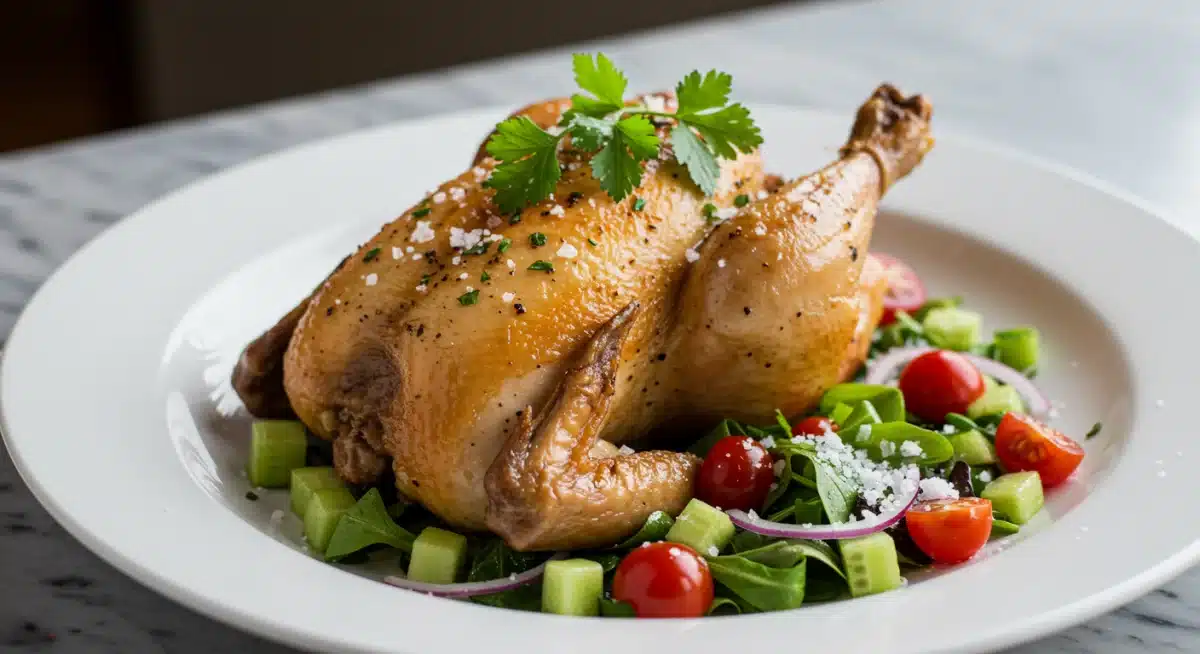
Understanding these scientific principles reinforces the importance of each of the essential seasoning techniques and empowers you to make more informed decisions in the kitchen.
Putting It All Together: A Holistic Approach to Seasoning
Mastering essential seasoning techniques isn’t about following a rigid set of rules; it’s about developing an intuitive understanding of flavor and how to manipulate it. It’s a journey of continuous learning, experimentation, and, most importantly, tasting.
Think of your cooking as a symphony. Each ingredient is an instrument, and seasoning is your conductor’s baton. You need to ensure each instrument plays its part, sometimes solo, sometimes in harmony, and that the overall sound (flavor) is cohesive and pleasing.
Practice Makes Perfect
The more you cook and consciously apply these techniques, the better you’ll become. Don’t be afraid to experiment. Try new spices, combine different herbs, and adjust ratios. Keep a cooking journal to note down what worked and what didn’t.
Expand Your Palate
Actively taste food, both your own and that prepared by others. Pay attention to the flavors, the balance, and how different seasonings are used. This will broaden your understanding and inspire new ideas.
Invest in Quality Ingredients
While techniques are paramount, the quality of your ingredients also plays a significant role. Fresh, vibrant herbs and potent, aromatic spices will always yield better results than old, stale ones.
Conclusion: Your Journey to Flavor Mastery
By embracing these essential seasoning techniques, you are not just adding ingredients; you are crafting experiences. You are learning to speak the language of flavor, to understand its nuances, and to articulate it through your cooking. From the humble pinch of salt to the nuanced layering of complex spice blends, every step you take in mastering seasoning brings you closer to becoming a truly exceptional cook.
So, go forth and season with confidence! Taste, adjust, experiment, and most importantly, enjoy the delicious journey of unlocking the full flavor potential of every dish you create. Your palate, and those of your diners, will thank you.