Mid-Atlantic Seafood Classics: Recreate 3 Delights by Fall 2026
Anúncios
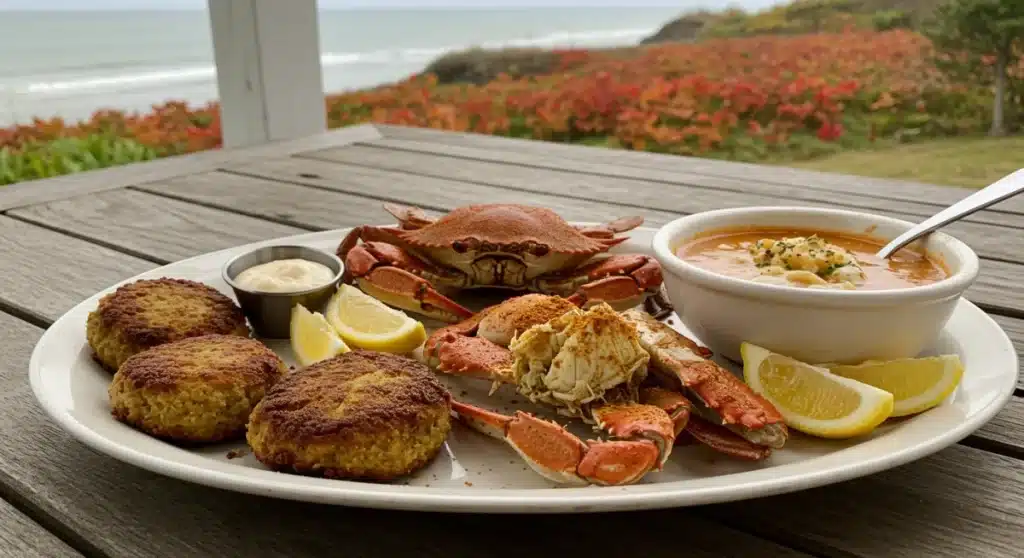
The Mid-Atlantic region of the United States boasts a culinary heritage deeply intertwined with its bountiful waters. From the Chesapeake Bay to the Atlantic coastline, seafood isn’t just a meal; it’s a way of life, a cultural cornerstone, and a source of immense pride. For generations, these classic dishes have graced family tables, celebrated special occasions, and defined the very essence of regional comfort food. As we look towards Fall 2026, there’s no better time to embark on a culinary journey to master these iconic Mid-Atlantic Seafood delights in your own kitchen.
Anúncios
The allure of Mid-Atlantic Seafood lies in its simplicity, quality, and the profound connection to fresh, local ingredients. While dining out in a waterfront restaurant offers an undeniable charm, the satisfaction of preparing these dishes from scratch is unparalleled. Imagine the aroma of Old Bay filling your kitchen as blue crabs steam, the delicate sizzle of perfectly pan-fried crab cakes, or the comforting warmth of a creamy oyster stew on a crisp autumn evening. This guide is designed to empower you with the knowledge, techniques, and confidence to bring these legendary flavors to your home table.
Our focus today will be on three undisputed champions of Mid-Atlantic Seafood: the quintessential Crab Cake, the communal joy of Steamed Blue Crabs, and the rich, comforting embrace of Oyster Stew. Each dish presents its own unique challenges and rewards, but with our step-by-step instructions, insider tips, and a dash of culinary adventure, you’ll be serving up authentic Mid-Atlantic flavors in no time. So, tie on your apron, sharpen your knives, and let’s dive into the delicious world of Mid-Atlantic Seafood!
Anúncios
The Crown Jewel: Mastering the Perfect Crab Cake
No discussion of Mid-Atlantic Seafood is complete without revering the crab cake. It’s more than just a dish; it’s an art form, a delicate balance of sweet crab meat, subtle binders, and perfectly chosen seasonings. The goal? A crab cake that’s predominantly crab, with minimal filler, and a golden-brown, crispy exterior yielding to a tender, flaky interior. By Fall 2026, you’ll be a crab cake connoisseur.
Choosing Your Crab Meat: The Foundation of Flavor
The success of your crab cake hinges almost entirely on the quality of your crab meat. For authentic Mid-Atlantic Seafood crab cakes, lump or jumbo lump crab meat is preferred. This comes from the large, unbroken pieces of white meat from the swimming fins of the crab. "Backfin" is also acceptable, offering a mix of lump and flaked meat. Avoid "special" or "claw" meat for traditional crab cakes, as their texture and flavor profile are different.
- Jumbo Lump: The most prized, large, pristine white chunks. Best for showcasing the crab itself.
- Lump: Smaller, but still substantial, white chunks. Excellent for crab cakes.
- Backfin: A mix of lump and flaked white meat. A good all-around choice.
Always pick through your crab meat carefully, even if it’s labeled "picked." Small shell fragments can easily ruin the experience.
The Binder: Less is More
The cardinal rule of Mid-Atlantic Seafood crab cakes is to use as little binder as possible. The crab meat should be the star. Common binders include:
- Mayonnaise: Adds moisture and richness.
- Dijon Mustard: Provides a tangy kick and helps emulsify.
- Egg: Acts as a primary binder.
- Breadcrumbs (minimal): Panko is often favored for its lighter texture, or finely crushed saltine crackers for a traditional touch.
The key is to combine these ingredients gently to avoid breaking up the delicate crab lumps.
Seasoning: The Soul of the Crab Cake
Old Bay seasoning is virtually synonymous with Mid-Atlantic Seafood. It’s a blend of celery salt, red pepper, black pepper, and paprika, among other spices, that provides that quintessential regional flavor. Beyond Old Bay, consider:
- Fresh parsley or chives: For a fresh, herbaceous note.
- Worcestershire sauce: Adds a savory depth.
- A squeeze of lemon juice: Brightens the flavors.
Recipe: Maryland-Style Crab Cakes
Ingredients:
- 1 pound jumbo lump or lump crab meat, carefully picked
- 1/2 cup mayonnaise
- 1 large egg, lightly beaten
- 1 tablespoon Dijon mustard
- 1 teaspoon Worcestershire sauce
- 1 teaspoon Old Bay seasoning (or to taste)
- 1/4 cup finely chopped fresh parsley
- 1/4 cup Panko breadcrumbs (or finely crushed saltine crackers), plus more for dredging if desired
- Salt and freshly ground black pepper to taste
- Vegetable oil or butter for cooking
- Lemon wedges for serving
Instructions:
- Prepare the Mixture: In a medium bowl, whisk together the mayonnaise, egg, Dijon mustard, Worcestershire sauce, Old Bay seasoning, parsley, salt, and pepper until well combined.
- Combine with Crab: Gently fold in the crab meat and 1/4 cup of Panko breadcrumbs. Be very careful not to break up the crab lumps. The mixture should just hold together. If it feels too wet, add another tablespoon of Panko.
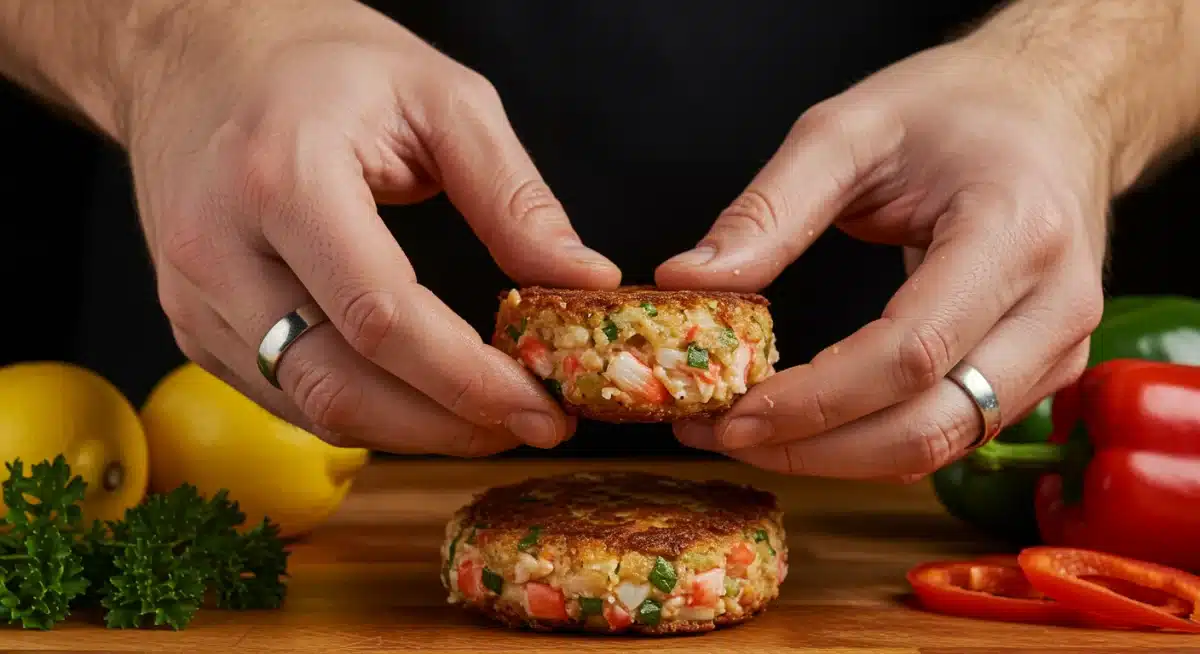
- Form the Cakes: Divide the mixture into 4-6 equal portions (depending on desired size). Gently form into patties, about 1 to 1.5 inches thick. Avoid pressing too firmly; you want them to be delicate. Place on a plate and refrigerate for at least 30 minutes to help them set. This step is crucial for preventing them from falling apart during cooking.
- Cook the Crab Cakes: Heat about 1-2 tablespoons of vegetable oil or butter in a large non-stick skillet over medium-high heat. Once hot, carefully place the crab cakes in the skillet, ensuring not to overcrowd the pan. You may need to cook them in batches.
- Sear to Golden Perfection: Cook for 3-5 minutes per side, or until golden brown and heated through. The internal temperature should reach 165°F (74°C).
- Serve: Transfer to a plate and serve immediately with lemon wedges and your favorite tartar sauce.
The Communal Feast: Steamed Blue Crabs with Old Bay
Steamed blue crabs are a quintessential Mid-Atlantic Seafood experience, particularly in Maryland. It’s not just a meal; it’s an event, a messy, joyful gathering of friends and family, armed with mallets, knives, and an insatiable appetite for sweet crab meat. By Fall 2026, you’ll be hosting your own crab feast with confidence.
Sourcing Your Blue Crabs: Freshness is Key
The best blue crabs are live blue crabs. Look for active, feisty crabs. If you’re not near the coast, many seafood markets can ship live crabs or offer freshly steamed ones. When buying live, handle them with tongs and ensure they are kept cool but not submerged in water. Dead crabs should never be cooked.
The Steaming Process: Unlocking Flavor
Steaming is the preferred method for cooking blue crabs in the Mid-Atlantic. Boiling can waterlog the meat and dilute the flavor. Steaming, however, keeps the meat tender and succulent while allowing the seasonings to infuse beautifully.
Seasoning: The Old Bay Tradition
Old Bay seasoning is non-negotiable here. A generous dusting before and during steaming is what gives these crabs their iconic flavor. Some enthusiasts also add a splash of apple cider vinegar or beer to the steaming liquid for extra aroma and flavor.
Recipe: Classic Steamed Blue Crabs
Ingredients:
- 1-2 dozen live blue crabs (depending on appetite), purged
- 1 cup apple cider vinegar (or beer)
- 1 cup water
- 1/2 cup Old Bay seasoning (or to taste)
- Optional: Additional Old Bay for dusting after steaming
Equipment:
- Large stockpot with a tight-fitting lid
- Steaming rack or basket
- Tongs
- Newspaper, mallets, and crab knives for serving
Instructions:
- Purge the Crabs (Optional but Recommended): If possible, place live crabs in a cooler with ice (not submerged) for 15-30 minutes. This slows them down. Then, rinse them under cold water to remove any mud or debris.
- Prepare the Steaming Liquid: Pour the apple cider vinegar (or beer) and water into the bottom of your large stockpot. Place the steaming rack or basket inside the pot, ensuring it’s above the liquid level.
- Layer the Crabs: Carefully (using tongs!) arrange the live crabs on the steaming rack. Sprinkle generously with Old Bay seasoning. You can layer them, sprinkling Old Bay between each layer.
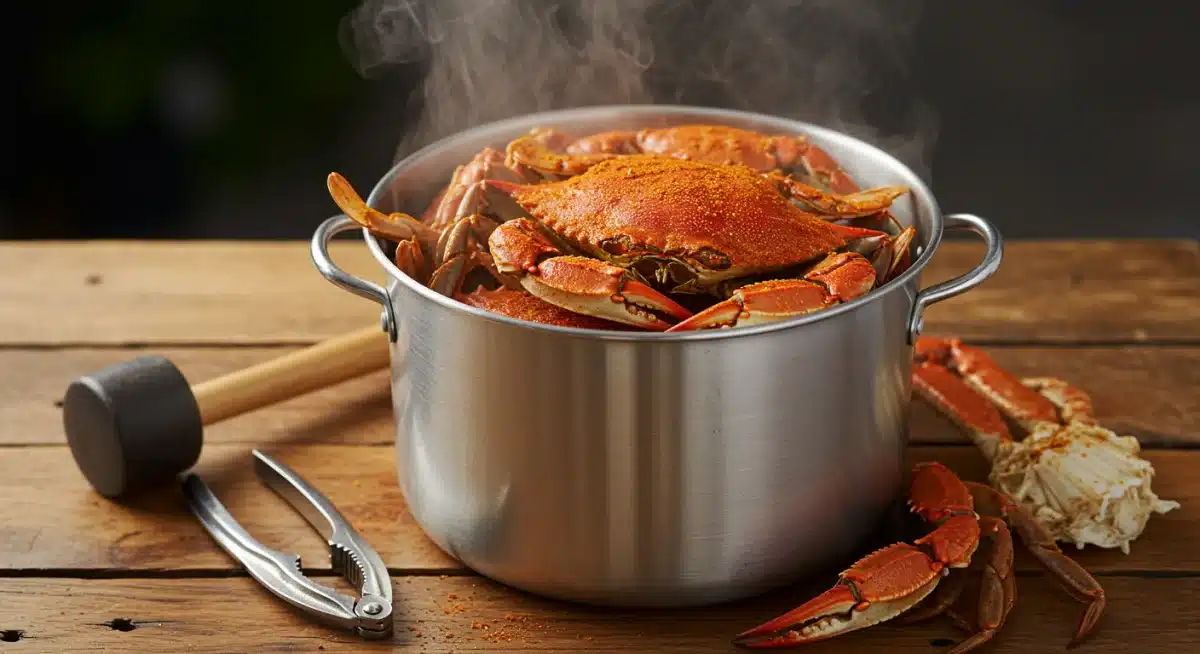
- Steam the Crabs: Cover the pot tightly with the lid. Bring the liquid to a rolling boil over high heat, then reduce heat to medium-high to maintain a strong steam. Steam for 20-30 minutes, or until the crabs turn a vibrant red-orange color all over. The exact time depends on the size of the crabs and the quantity.
- Check for Doneness: A cooked crab will be bright red-orange. If you’re unsure, you can carefully open one; the meat should be opaque.
- Serve Immediately: Carefully remove the crabs from the pot using tongs. Pile them high on a newspaper-covered table. Dust with extra Old Bay if desired. Provide mallets, crab knives, and plenty of paper towels. Don’t forget melted butter and vinegar for dipping!
Comfort in a Bowl: The Richness of Oyster Stew
While crab cakes and steamed crabs are often associated with warmer months, Oyster Stew shines as a warming, comforting Mid-Atlantic Seafood dish, particularly as the weather cools. It’s a simple, yet incredibly elegant soup that highlights the briny sweetness of fresh oysters. By Fall 2026, you’ll have this classic down pat, ready for any chilly evening.
Selecting Your Oysters: Quality Matters
For oyster stew, fresh, shucked oysters are paramount. Look for plump, briny oysters in their own liquor. The type of oyster can influence the flavor profile; some prefer milder varieties, while others enjoy a more robust briny taste. If shucking your own, ensure they are live and firmly closed.
The Creamy Base: Simplicity and Flavor
The beauty of oyster stew lies in its minimalist approach. A base of milk or cream, often enriched with butter, allows the oyster flavor to truly shine. The key is gentle cooking to prevent the oysters from becoming tough.
Seasoning: Enhancing, Not Overpowering
Salt, pepper, and a touch of paprika or a very light hand with Old Bay are usually all that’s needed. The goal is to complement the oysters, not mask them. A sprinkle of fresh parsley or chives at the end adds freshness.
Recipe: Classic Mid-Atlantic Oyster Stew
Ingredients:
- 2 tablespoons unsalted butter
- 1/2 cup finely diced yellow onion or shallots (optional, for a richer base)
- 2 cups whole milk (or half-and-half for a richer stew)
- 1 cup heavy cream
- 1 pint (about 24) fresh oysters, shucked, with their liquor reserved
- Salt and freshly ground black pepper to taste
- Pinch of cayenne pepper or paprika (optional)
- Fresh parsley or chives, chopped, for garnish
- Oyster crackers or crusty bread for serving
Instructions:
- Melt Butter: In a heavy-bottomed saucepan or Dutch oven, melt the butter over medium heat.
- Sauté Aromatics (Optional): If using, add the finely diced onion or shallots and cook gently until translucent, about 3-5 minutes. Do not brown.
- Warm Dairy: Pour in the whole milk and heavy cream. Heat slowly over medium-low heat, stirring occasionally, until hot but not boiling. Do not allow it to come to a hard boil, as this can cause the dairy to curdle.
- Add Oysters and Liquor: Once the milk mixture is hot, add the shucked oysters and their reserved liquor.
- Cook Gently: Continue to cook over medium-low heat, stirring very gently, until the edges of the oysters begin to curl and plump up. This usually takes only 3-5 minutes. Overcooking will make the oysters tough.
- Season: Season generously with salt and freshly ground black pepper. Add a pinch of cayenne or paprika if desired for a subtle kick. Taste and adjust seasonings.
- Serve: Ladle the hot stew into bowls. Garnish with fresh chopped parsley or chives. Serve immediately with oyster crackers or crusty bread for dipping.
Essential Tips for Mid-Atlantic Seafood Success
Beyond the recipes themselves, a few overarching principles will elevate your Mid-Atlantic Seafood cooking to new heights:
- Freshness is Paramount: For all seafood, but especially for these delicate dishes, source the freshest ingredients you can find. A good fishmonger is your best friend.
- Don’t Overcook: Seafood cooks quickly. Overcooking leads to dry, rubbery results. Pay close attention to cooking times and visual cues.
- Balance Seasonings: Old Bay is iconic, but use it judiciously. The goal is to enhance the natural sweetness of the seafood, not overpower it.
- Embrace the Mess (for crabs): Cracking steamed blue crabs is inherently messy. Lay down newspaper, have plenty of napkins, and don’t be afraid to get your hands dirty. It’s part of the fun!
- Practice Makes Perfect: Like any culinary skill, mastering these dishes takes practice. Don’t be discouraged if your first attempt isn’t perfect. Enjoy the process and the delicious learning curve.
- Pairing: For crab cakes and steamed crabs, a crisp Lager or a dry white wine like Sauvignon Blanc or Pinot Grigio are excellent choices. Oyster stew pairs beautifully with a dry sparkling wine or a light-bodied white.
Looking Ahead to Fall 2026: Your Culinary Journey Continues
By setting a goal to master these three Mid-Atlantic Seafood classics by Fall 2026, you’re not just learning recipes; you’re immersing yourself in a rich culinary tradition. Imagine the pride of serving guests your homemade, perfectly formed crab cakes, hosting a lively crab feast, or comforting loved ones with a bowl of your creamy oyster stew. These experiences go beyond mere sustenance; they create memories, foster connections, and celebrate the incredible bounty of the Mid-Atlantic.
The journey of culinary mastery is an ongoing one, filled with discovery and delight. As you hone your skills with these Mid-Atlantic Seafood staples, you’ll gain confidence and a deeper appreciation for the ingredients and techniques involved. This knowledge will serve as a foundation, inspiring you to explore other regional specialties and expand your repertoire even further.
So, take this guide as your starting point. Experiment with slight variations, find your preferred balance of seasonings, and most importantly, enjoy the process of bringing these beloved flavors to life in your own kitchen. The taste of the Mid-Atlantic awaits, ready to be savored and shared.
Conclusion: A Taste of Tradition, Made by You
From the bustling docks to the quiet family kitchens, Mid-Atlantic Seafood has carved out an indelible mark on American cuisine. The Crab Cake, Steamed Blue Crabs, and Oyster Stew are more than just dishes; they are symbols of a rich heritage, a testament to abundant waters, and a celebration of simple, honest flavors. By following this comprehensive guide, you are now equipped to recreate these culinary masterpieces in your home. By Fall 2026, you won’t just be cooking; you’ll be preserving and sharing a cherished tradition, one delicious bite at a time. Enjoy the journey, and happy cooking!