Beyond the Burger: 6 Unique Regional BBQ Styles to Try Across the U.S. in 2026
Anúncios
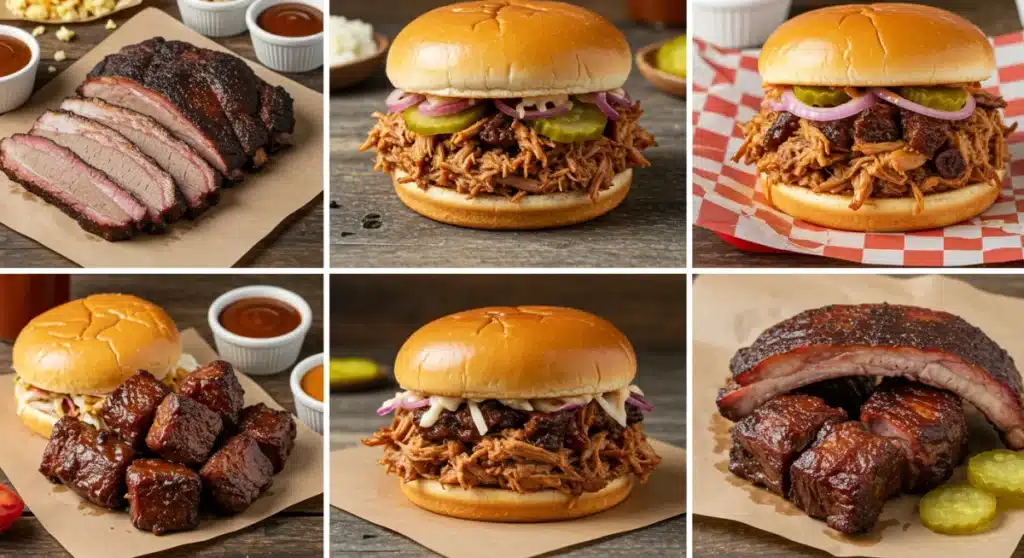
Barbecue is more than just cooking; it’s a cultural phenomenon, a culinary art form, and a deeply ingrained tradition that varies dramatically from one region of the United States to another. Forget the generic backyard burger; to truly understand American barbecue, you must embark on a delicious journey through its diverse regional expressions. Each style tells a story of local history, available ingredients, and unique culinary philosophies. In 2026, as the world continues to rediscover the joys of authentic, slow-cooked food, there’s no better time to explore the incredible tapestry of Regional BBQ Styles that define this nation’s smoky heart.
From the tangy vinegar-based sauces of the Carolinas to the rich, peppery bark of Texas brisket, and the sweet, sticky glazes of Kansas City, the nuances are profound. This isn’t just about meat and fire; it’s about generations of pitmasters perfecting their craft, secret family recipes passed down, and communities gathering around the shared experience of exceptional food. Understanding these distinct Regional BBQ Styles is key to appreciating the depth and breadth of American culinary heritage.
Anúncios
Join us as we delve into six of the most iconic Regional BBQ Styles across the U.S., exploring what makes each one uniquely special, what to expect when you taste them, and why they continue to captivate palates nationwide. Prepare your taste buds for an unforgettable adventure!
Anúncios
1. Texas BBQ: The Reign of Brisket and Beef
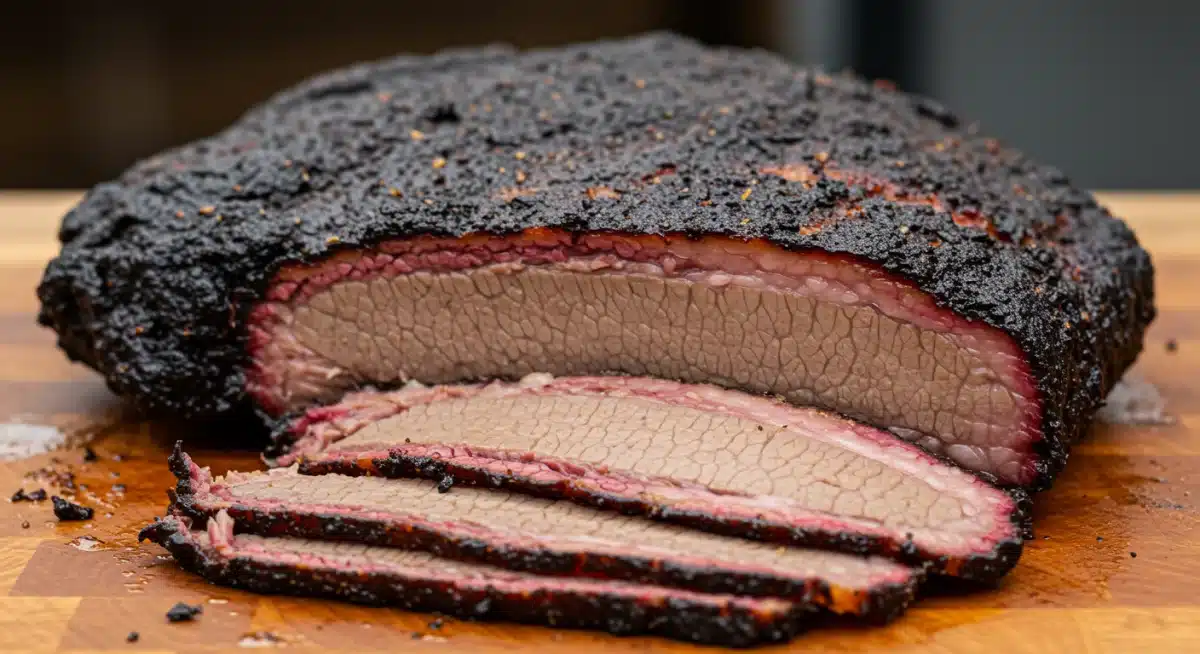
When you think of Texas barbecue, one word immediately comes to mind: brisket. While other meats are certainly enjoyed, the slow-smoked beef brisket is the undisputed king of Texas BBQ. This style is characterized by its simplicity and its profound respect for the meat itself. Unlike many other regions that rely heavily on sauces, Texas BBQ often lets the quality of the beef and the skill of the pitmaster shine through.
The History and Philosophy Behind Texas BBQ
The roots of Texas BBQ can be traced back to German and Czech immigrants who settled in Central Texas in the 19th century. These butchers would smoke leftover cuts of meat to preserve them, selling them in their meat markets. This tradition evolved into the legendary barbecue joints we know today. The philosophy is straightforward: use high-quality beef, season it simply (often just salt and coarse black pepper), and smoke it low and slow over post oak wood until it reaches a melt-in-your-mouth tenderness.
Signature Meats and Cooking Techniques
While brisket is paramount, other beef cuts like beef ribs (often referred to as “dinosaur ribs” due to their massive size) and sausage are also staples. Pork ribs and chicken can be found, but they play a supporting role. The smoking process is crucial, often taking 12-18 hours for a full packer brisket. The goal is to achieve a dark, almost black “bark” on the exterior, protecting the incredibly juicy and flavorful meat within. A prominent smoke ring, a pinkish band just beneath the bark, is a tell-tale sign of proper slow smoking.
Sauce in Texas BBQ is typically served on the side, if at all. Many purists believe that a well-cooked brisket needs no adornment. When sauce is offered, it’s usually a thin, savory, and slightly spicy concoction, designed to complement, not overpower, the meat.
Where to Experience Texas BBQ in 2026
Central Texas is the epicenter, with towns like Lockhart, Taylor, and Luling boasting legendary establishments. Austin and Dallas also offer world-class options. Expect long lines, especially at iconic spots, but the wait is always worth it for a taste of authentic Texas brisket. This is one of the Regional BBQ Styles that demands a pilgrimage.
2. Carolina BBQ: Whole Hog and Vinegar Tang
Carolina barbecue is a fascinating and diverse category, primarily divided into two main sub-regions: Eastern Carolina and Western Carolina (or Lexington style). Both share a deep love for pork, but their approaches to preparation and sauce differ significantly, showcasing the incredible variety within Regional BBQ Styles.
Eastern Carolina: The Whole Hog Tradition
In Eastern North Carolina, the tradition is all about the whole hog. A pig, often weighing over 100 pounds, is slow-smoked for many hours until the meat is falling off the bone. The entire animal is then chopped or pulled, mixing together the richer, fattier cuts with the leaner ones, creating a complex flavor and texture profile. The signature sauce is a thin, tangy, vinegar-and-red-pepper-flake concoction. This sauce is not just for serving; it’s often used as a basting liquid during the smoking process and mixed directly into the chopped pork, providing moisture and a bright counterpoint to the rich meat. Sides typically include coleslaw (often vinegar-based) and hushpuppies.
Western Carolina (Lexington Style): Pork Shoulder and Ketchup-Vinegar Sauce
Moving west to the Piedmont region, particularly around Lexington, the focus shifts to pork shoulder (often called ‘pork butt’). This cut is smoked until tender, then pulled or chopped. The defining characteristic here is the sauce: a ketchup-based vinegar sauce, which is thicker, sweeter, and tangier than its Eastern counterpart, often with a hint of brown sugar or other spices. This sauce is also used for basting and mixing into the pork. Lexington style often features a red slaw, which is coleslaw made with the same ketchup-vinegar sauce as the meat.
The Cultural Significance of Carolina BBQ
Carolina BBQ is deeply embedded in the state’s cultural identity. It’s a communal food, often served at large gatherings, church picnics, and family reunions. The dedication to slow cooking and the specific sauce profiles are fiercely defended by proponents of each style. Exploring both Eastern and Western Carolina BBQ offers a profound insight into the regional culinary rivalries and traditions that make American food culture so rich.
3. Kansas City BBQ: Sweet, Smoky, and Saucy
Kansas City BBQ is arguably the most recognizable style for many Americans, largely due to its ubiquitous sweet and tangy tomato-and-molasses-based sauce. But to define Kansas City BBQ solely by its sauce would be a disservice to its rich history and diverse offerings. This style is characterized by its inclusiveness, embracing a wide variety of meats and cooking techniques, making it one of the most versatile Regional BBQ Styles.
A Melting Pot of Meats and Flavors
Unlike Texas’s beef focus or Carolina’s pork obsession, Kansas City pitmasters smoke almost everything: pork ribs, beef ribs, brisket, pulled pork, chicken, turkey, and even fish. The common thread is the slow smoking process, typically over hickory wood, which imparts a deep, smoky flavor. The rubs are often complex, featuring a blend of sweet and savory spices, sometimes with a touch of heat.
The Iconic Kansas City Sauce and Burnt Ends
The star of Kansas City BBQ is often its thick, sweet, and tangy sauce, usually made with a tomato or ketchup base, molasses, brown sugar, and a blend of spices. This sauce is typically slathered on meats towards the end of the cooking process or served generously on the side. It’s designed to caramelize slightly and create a delicious glaze.
Another hallmark of Kansas City BBQ is burnt ends. Historically, these were the crispy, flavorful ends of a smoked brisket, trimmed off and often given away. Today, they are a celebrated delicacy, often cut from the point of the brisket, re-smoked, and tossed in sauce, creating intensely flavorful, chewy, and tender morsels. They are a must-try for any BBQ enthusiast.
Kansas City: The BBQ Capital
Kansas City boasts more barbecue restaurants per capita than almost any other city in the U.S., cementing its reputation as a true BBQ capital. From classic joints to modern eateries, the city offers an endless array of options to explore this diverse and delicious style. The annual American Royal World Series of Barbecue, the largest BBQ contest in the world, further highlights the city’s dedication to the craft.
4. Memphis BBQ: Dry Rubs and Rib Perfection
Memphis is synonymous with pork ribs, and its barbecue style stands out for its emphasis on dry rubs and the meticulous preparation of these beloved ribs. While pulled pork sandwiches are also incredibly popular, the ribs are the true stars, setting Memphis apart in the pantheon of Regional BBQ Styles.
The Art of the Dry Rub
What defines Memphis BBQ, particularly its ribs, is the dry rub. Before smoking, racks of ribs are generously coated with a complex blend of spices, often including paprika, garlic powder, onion powder, cayenne pepper, and brown sugar. This rub creates a flavorful crust during the slow smoking process, locking in moisture and enhancing the natural taste of the pork. The ribs are cooked until tender, but still with a slight chew, often referred to as ‘tug’.
Wet vs. Dry: A Memphis Debate
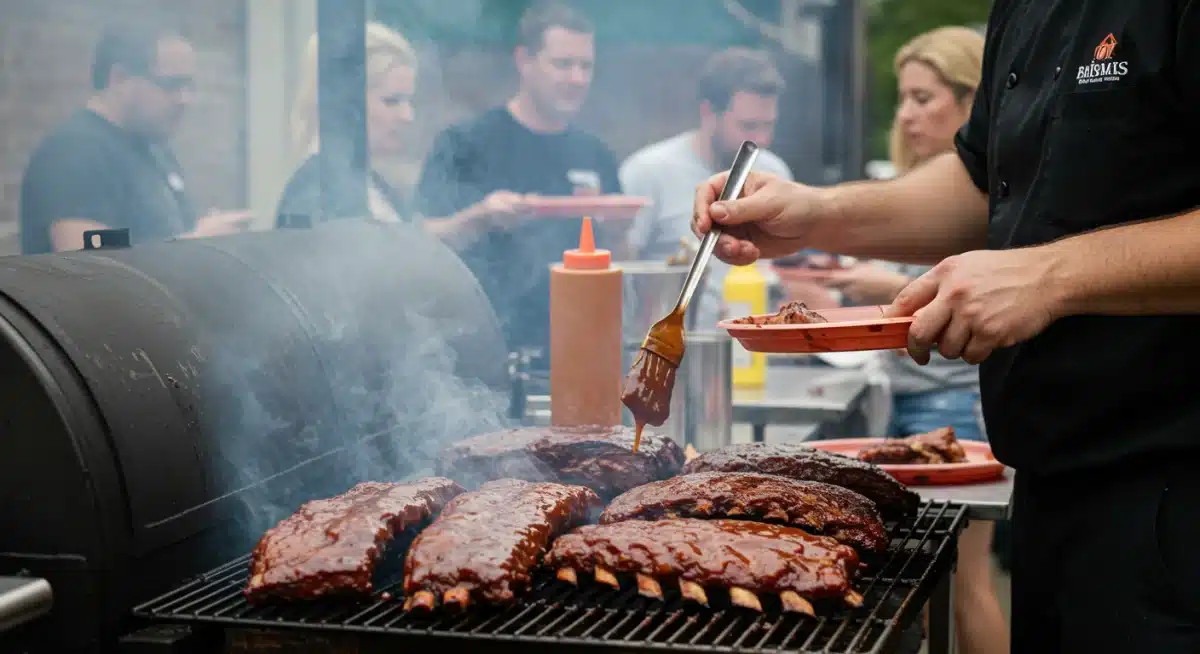
In Memphis, you’ll encounter a crucial distinction: wet ribs and dry ribs. Dry ribs are simply served with their flavorful rub, no sauce added. The rub is the star. Wet ribs, on the other hand, are brushed with a sweet, tangy, tomato-and-vinegar-based sauce during the last stages of cooking or immediately after, creating a sticky, caramelized glaze. Both are quintessential Memphis, and many establishments offer both, allowing diners to choose their preference. This choice highlights the nuanced differences even within a single regional style.
Pulled Pork and BBQ Spaghetti
Beyond ribs, Memphis is also famous for its pulled pork sandwiches, often served on a bun with coleslaw and a generous helping of their signature sauce. Another unique Memphis offering is BBQ spaghetti, a surprisingly delicious side dish featuring spaghetti noodles tossed in a sweet, savory, and smoky barbecue sauce, sometimes with bits of pulled pork mixed in. It’s a testament to the region’s creativity and willingness to innovate within traditional barbecue.
5. Alabama BBQ: White Sauce and Whole Chickens
Alabama barbecue offers a distinctive flavor profile that truly sets it apart from other Regional BBQ Styles, primarily due to its iconic white sauce. While pork and ribs are certainly enjoyed, Alabama, particularly North Alabama, is renowned for its smoked chicken served with this unique, mayonnaise-based condiment.
The Invention of White Sauce
The legendary Big Bob Gibson Bar-B-Q in Decatur, Alabama, is credited with inventing the original Alabama white sauce in 1925. This creamy, tangy sauce is made from mayonnaise, vinegar, black pepper, and sometimes a hint of horseradish or other spices. It’s a revelation for those accustomed to red, tomato-based sauces. The white sauce serves multiple purposes: it’s used as a marinade, a basting sauce during smoking, and a finishing sauce, especially for chicken.
Smoked Chicken: A Southern Specialty
Whole chickens or chicken halves are typically slow-smoked over hickory or pecan wood until tender and juicy. The chicken is frequently dipped or basted in the white sauce throughout the cooking process, allowing the flavors to meld and the sauce to adhere. The result is incredibly moist, smoky chicken with a zesty, creamy kick that is utterly unique. It’s a game-changer for anyone who thought they knew barbecue.
Beyond Chicken: Pork and Ribs with a Twist
While chicken with white sauce is the star, Alabama also offers excellent pulled pork and ribs. These are often served with traditional red sauces, but the option to douse them in the tangy white sauce is always available and highly recommended for a truly authentic Alabama experience. The versatility of the white sauce showcases how regional innovation can dramatically alter traditional barbecue perceptions.
6. St. Louis BBQ: Spare Ribs and Sweet Glaze
St. Louis BBQ is most famous for its distinctive cut of pork ribs – the St. Louis-style spare rib – and its sweet, sticky, and often very rich sauce. Located at a crossroads of culinary influences, St. Louis has developed a barbecue tradition that is both unique and widely beloved, solidifying its place among the essential Regional BBQ Styles.
The St. Louis Cut: A Rib Masterpiece
What sets St. Louis-style ribs apart is the way they are butchered. Spare ribs, which come from the belly of the pig, are trimmed to create a more uniform, rectangular rack. This involves removing the sternum bone, cartilage, and any excess fat or flaps of meat. This ‘St. Louis cut’ results in a flatter rack that cooks more evenly and presents beautifully. These ribs are typically meatier than baby back ribs and have a richer, porkier flavor.
Sweet and Tangy Sauces
St. Louis BBQ sauces are generally thick, sweet, and tangy, with a prominent tomato and molasses base, similar in some ways to Kansas City sauces but often with their own distinct spice blend and a slightly different balance of sweetness and acidity. These sauces are typically applied generously during the last phase of smoking, allowing them to caramelize and form a delicious glaze, or served on the side for dipping.
Smoking Techniques and Other Specialties
St. Louis pitmasters typically smoke their ribs over hickory or fruitwoods like apple or cherry, imparting a deep, aromatic smoke flavor. The goal is tender, fall-off-the-bone ribs that are still juicy and flavorful. Beyond ribs, you’ll also find excellent pulled pork and sometimes chicken, all benefiting from the region’s signature sweet and smoky approach. The St. Louis culinary scene embraces BBQ with an enthusiasm that reflects its rich German and African American heritage, blending traditions into something truly special.
Embarking on Your BBQ Journey in 2026
Exploring the diverse Regional BBQ Styles of the United States is more than just a culinary adventure; it’s a journey through American history, culture, and community. Each style, with its unique meats, rubs, sauces, and cooking methods, tells a story deeply rooted in its local environment and heritage. From the minimalist perfection of Texas brisket to the tangy whole hog of Eastern Carolina, the sweet and saucy offerings of Kansas City, the dry-rubbed mastery of Memphis, the unexpected delight of Alabama’s white sauce chicken, and the perfectly trimmed ribs of St. Louis, there is a world of flavor waiting to be discovered.
As you plan your gastronomic explorations for 2026, consider moving beyond the familiar and diving deep into these distinct barbecue traditions. Seek out the small, unassuming joints, talk to the pitmasters, and savor every smoky, tender, and flavorful bite. Each regional style offers a unique perspective on what barbecue truly means, and together, they paint a vibrant picture of America’s rich culinary landscape. So fire up your appetite, hit the road, and prepare to be amazed by the incredible diversity of Regional BBQ Styles that make American barbecue a global phenomenon.
Whether you prefer your barbecue dry-rubbed, sauced, or with a tangy vinegar kick, there’s a style out there that will capture your heart and tantalize your taste buds. Happy eating!