Sustainable Sweet Treats: 3 Eco-Friendly Ingredient Swaps for 2026 Baking
Anúncios
Sustainable Sweet Treats: 3 Eco-Friendly Ingredient Swaps for 2026 Baking
The aroma of freshly baked goods is undeniably comforting, a universal language of warmth and happiness. But as we look towards 2026 and beyond, our choices in the kitchen are increasingly scrutinized through the lens of sustainability. The good news? Embracing sustainable baking doesn’t mean sacrificing flavor or tradition. In fact, it opens up a world of innovative ingredients and practices that are not only better for the planet but can also enhance the nutritional profile and unique taste of your sweet treats. This comprehensive guide will delve into three crucial eco-friendly ingredient swaps that are set to revolutionize your baking in 2026, helping you create delicious, guilt-free indulgences.
Anúncios
The global food system accounts for a significant portion of greenhouse gas emissions, water usage, and land degradation. As conscious consumers, our individual choices, especially in something as routine and beloved as baking, can collectively make a substantial difference. Sustainable baking isn’t just a trend; it’s a necessary evolution of our culinary habits. It involves sourcing ingredients responsibly, minimizing waste, and opting for alternatives that have a lower environmental footprint. By making thoughtful substitutions, we can contribute to a more resilient food system, support ethical producers, and enjoy our favorite sweet treats with a clearer conscience. This article focuses on practical, impactful sustainable baking swaps that you can integrate into your routine right now.
Anúncios
The Rise of Conscious Consumption: Why Sustainable Baking Matters Now More Than Ever
The landscape of consumer awareness has shifted dramatically. Today’s bakers are not just looking for flavor; they’re seeking transparency, ethical sourcing, and environmental responsibility. This heightened awareness is driving a demand for sustainable baking swaps that address concerns ranging from deforestation linked to palm oil to the carbon footprint of dairy production. Understanding the ‘why’ behind these swaps is the first step towards truly embracing a more sustainable approach to baking.
Environmental Impact of Traditional Baking Ingredients
Many conventional baking ingredients carry a hidden environmental cost. For instance, the production of cane sugar often involves intensive farming practices, significant water consumption, and can contribute to habitat loss. Dairy products, while delicious, are associated with methane emissions from livestock, a potent greenhouse gas. Even seemingly innocuous ingredients like certain types of chocolate can be linked to unsustainable farming practices and exploitation. By choosing sustainable alternatives, we actively mitigate these negative impacts.
Health Benefits Beyond the Planet
Beyond the environmental advantages, many eco-friendly ingredient swaps also offer superior nutritional profiles. Plant-based alternatives, for example, often contain more fiber, vitamins, and minerals, and less saturated fat than their conventional counterparts. This means that by opting for sustainable baking swaps, you’re not just doing good for the planet, but also potentially enhancing the health benefits of your sweet treats for yourself and your loved ones. It’s a win-win situation that aligns perfectly with the growing trend towards holistic well-being.
Sustainable Baking Swap #1: Rethinking Sweeteners – Date Sugar & Maple Syrup vs. Refined Sugar
Refined white sugar is a staple in most baking recipes, but its environmental and health drawbacks are becoming increasingly apparent. The production of conventional sugar cane can be resource-intensive, requiring vast amounts of water and often leading to soil degradation. Furthermore, its nutritional value is minimal, primarily offering empty calories. Enter date sugar and maple syrup – two fantastic, naturally derived alternatives that offer both flavor complexity and a significantly smaller environmental footprint, making them ideal sustainable baking swaps.
The Sweet Appeal of Date Sugar
Date sugar is made from dried, pulverized dates, retaining all the fiber, vitamins, and minerals found in the whole fruit. Unlike refined sugar, which undergoes extensive processing, date sugar is minimally processed, making it a more wholesome choice. Its production typically requires less water than cane sugar and often comes from regions where dates are a naturally abundant crop, further reducing its environmental impact. Date sugar also boasts a lower glycemic index, meaning it causes a slower, more sustained rise in blood sugar compared to refined sugar.
Baking with Date Sugar: Tips and Tricks
- Flavor Profile: Date sugar imparts a caramel-like, slightly fruity flavor, which complements a wide range of baked goods, especially those with spices like cinnamon or nutmeg, or chocolate-based recipes.
- Texture: Due to its fibrous nature, date sugar doesn’t dissolve as completely as refined sugar, which can result in a slightly chewier texture in some baked goods. This can be a desirable characteristic, adding depth and interest.
- Substitution Ratio: You can generally substitute date sugar for refined sugar in a 1:1 ratio by volume, though you might need to adjust the liquid content slightly in your recipe as date sugar can absorb more moisture.
- Best Uses: Excellent in cookies, muffins, quick breads, and crumbles. It’s also a fantastic addition to granola and energy bars.
Maple Syrup: Nature’s Liquid Gold
Maple syrup, harvested from the sap of maple trees, is another exemplary sustainable baking swap. The process of tapping maple trees is inherently sustainable, as it doesn’t harm the tree and can be done for many decades. Maple forests contribute to biodiversity and act as carbon sinks, making maple syrup production an environmentally friendly practice. Furthermore, pure maple syrup contains antioxidants and essential minerals like manganese and zinc, offering more nutritional value than refined sugar.
Baking with Maple Syrup: Considerations
- Flavor Profile: Maple syrup offers a distinct, rich, and earthy sweetness that can elevate the flavor of your baked goods. The intensity varies by grade, with darker syrups having a stronger flavor.
- Liquid Content: As a liquid sweetener, maple syrup requires adjustments to other liquid components in your recipe. For every cup of maple syrup used, reduce other liquids by about 1/4 to 1/3 cup.
- Acidity: Maple syrup is slightly acidic, which can react with baking soda. If your recipe calls for baking soda, you might need to reduce it slightly or add a small amount of baking powder to maintain balance.
- Substitution Ratio: A general guideline is to use 3/4 cup of maple syrup for every 1 cup of granulated sugar, while also reducing the liquid content as mentioned above.
- Best Uses: Ideal for pancakes, waffles, glazes, dressings, and can be used in cakes, pies, and cookies for a distinct flavor.
Sustainable Baking Swap #2: Flour Power – Almond Flour & Oat Flour vs. All-Purpose Flour
All-purpose wheat flour is a ubiquitous ingredient, but its production, especially on an industrial scale, can contribute to monoculture farming and soil depletion. For those seeking sustainable baking swaps, and for individuals with gluten sensitivities, almond flour and oat flour offer excellent, nutrient-dense alternatives. These flours are not only eco-friendlier but also bring unique textures and flavors to your baked creations.
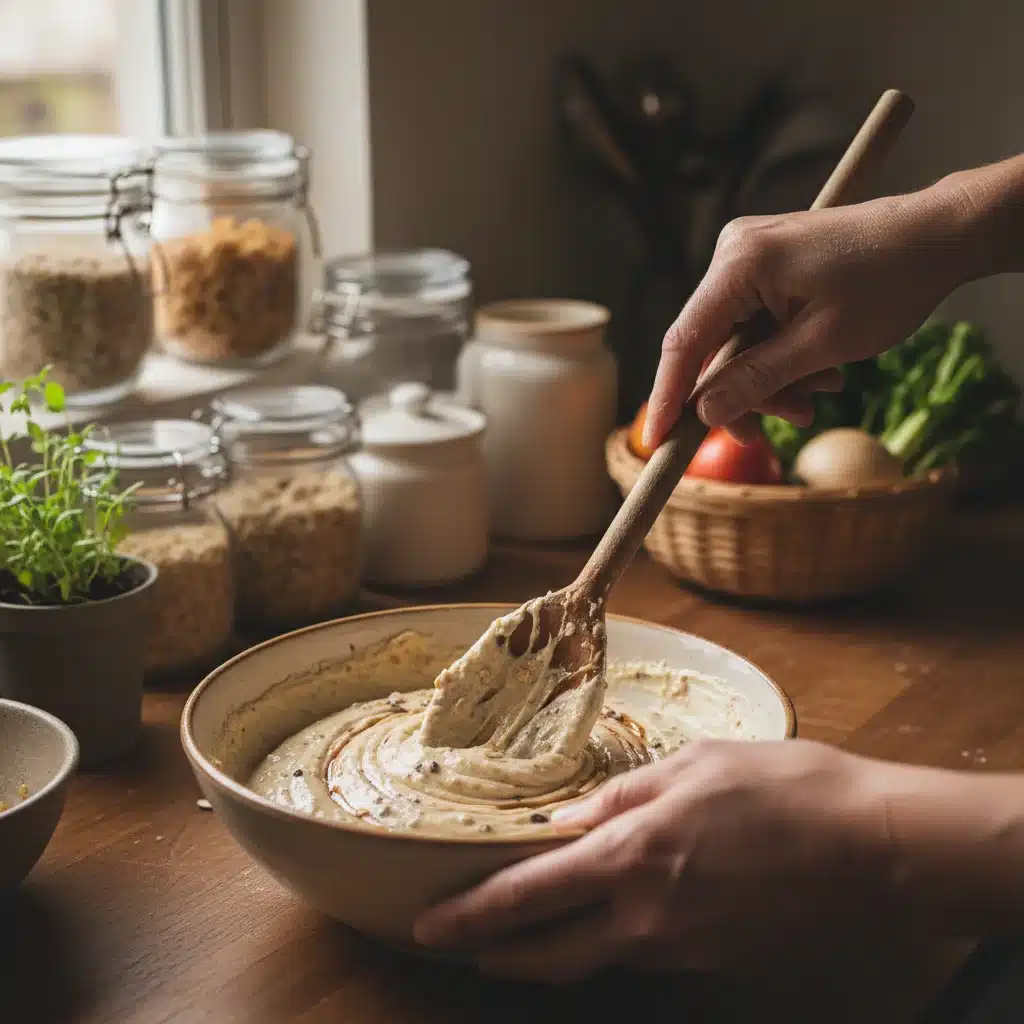
The Versatility of Almond Flour
Almond flour, made from blanched, ground almonds, is a naturally gluten-free and low-carb option. While almond cultivation can be water-intensive, sustainable almond farming practices are gaining traction, focusing on efficient irrigation and responsible land management. When sourced from producers committed to these methods, almond flour becomes a valuable sustainable baking swap. It’s rich in protein, healthy fats, and vitamin E, adding a subtle nutty flavor and a delicate crumb to baked goods.
Baking with Almond Flour: Key Considerations
- Texture: Almond flour results in a moist, tender crumb. It lacks the gluten structure of wheat flour, so it’s often best combined with other flours or binders (like eggs or xanthan gum) in recipes that require significant structure.
- Absorption: Almond flour absorbs more liquid than wheat flour, so you might need to adjust liquid quantities in your recipe.
- Substitution Ratio: For recipes not heavily reliant on gluten structure (like cookies or quick breads), you can often substitute 1:1 by weight with some adjustments. For cakes and more structured items, a combination with other flours is usually recommended.
- Best Uses: Perfect for macarons, cakes, cookies, muffins, and as a breading for savory dishes.
The Wholesome Goodness of Oat Flour
Oat flour, simply made by grinding rolled oats, is another excellent sustainable baking swap. Oats are generally considered a more sustainable crop than wheat, requiring less water and fewer pesticides. They are also naturally gluten-free (though cross-contamination can occur during processing, so look for certified gluten-free oat flour if necessary). Oat flour is packed with soluble fiber, which aids digestion and can help regulate blood sugar, making your sweet treats even healthier.
Baking with Oat Flour: What to Expect
- Flavor Profile: Oat flour has a mild, slightly nutty flavor that complements most baked goods without overpowering them.
- Texture: It produces a chewier, denser texture than wheat flour. It also helps retain moisture, leading to delightfully moist results.
- Substitution Ratio: You can often substitute oat flour for up to 25-30% of the all-purpose flour in a recipe without significant changes. For higher percentages, you might need to increase the liquid slightly, as oat flour is quite absorbent.
- Best Uses: Ideal for muffins, cookies, quick breads, pancakes, and crumbles. It adds a lovely chewiness to oatmeal cookies.
Sustainable Baking Swap #3: Dairy-Free Delights – Plant-Based Milks & Coconut Oil vs. Dairy Butter & Milk
The dairy industry has a substantial environmental footprint, from methane emissions to land use. Fortunately, the market for plant-based alternatives has exploded, offering delicious and versatile sustainable baking swaps that perform exceptionally well in a variety of recipes. Plant-based milks and coconut oil are leading the charge in this dairy-free revolution, allowing you to create rich, flavorful baked goods without the environmental impact of traditional dairy.
The Power of Plant-Based Milks
Almond milk, oat milk, soy milk, and rice milk are just a few of the many plant-based milk options available. Each has its own unique flavor profile and consistency, but all offer a lower environmental footprint compared to cow’s milk. Oat milk, in particular, has gained popularity for its creamy texture and relatively low environmental impact compared to some other plant milks, making it a top contender for sustainable baking swaps.
Baking with Plant-Based Milks: A Guide
- Substitution Ratio: Generally, plant-based milks can be substituted for dairy milk in a 1:1 ratio in most baking recipes.
- Flavor Considerations: Unsweetened varieties are usually best for baking to avoid altering the overall sweetness of your recipe. Be mindful of the specific flavor notes each milk can bring (e.g., coconut milk will impart a subtle coconut flavor).
- Creaminess: For recipes requiring a richer texture, opt for full-fat oat milk or a creamy soy milk.
- Best Uses: Versatile for almost any recipe calling for milk, including cakes, muffins, pancakes, and custards.
Coconut Oil: The Versatile Vegan Fat
Coconut oil is a fantastic sustainable baking swap for butter in many recipes. While coconut cultivation has faced some sustainability concerns, sourcing from certified sustainable and fair-trade producers ensures you’re making an ethical choice. Coconut oil is a plant-based fat that is solid at room temperature, mimicking the properties of butter in many applications. It’s also rich in medium-chain triglycerides (MCTs), which are easily digestible and provide a quick source of energy.
Baking with Coconut Oil: Tips for Success
- Substitution Ratio: Coconut oil can often be substituted for butter in a 1:1 ratio by weight or volume.
- Flavor Profile: Refined coconut oil has a neutral flavor, making it suitable for recipes where you don’t want a coconut taste. Unrefined (virgin) coconut oil will impart a distinct coconut flavor, which can be delightful in tropical-inspired desserts.
- Texture: Use solid, chilled coconut oil for recipes that require creaming with sugar, similar to butter. Melted coconut oil can be used in recipes calling for melted butter or oil.
- Binding Agent: In vegan baking, coconut oil can also act as a binding agent, contributing to the structure and moisture of baked goods.
- Best Uses: Excellent in cookies, brownies, cakes, pie crusts, and as a substitute for butter in vegan recipes.

Beyond the Swaps: Holistic Approaches to Sustainable Baking
While ingredient swaps are a powerful starting point, true sustainable baking encompasses a broader philosophy. To maximize your environmental impact, consider these additional practices:
Embrace Local and Seasonal Ingredients
Reducing food miles is a key component of sustainability. Sourcing ingredients from local farmers’ markets or community-supported agriculture (CSA) programs not only supports your local economy but also minimizes the carbon footprint associated with long-distance transportation. Seasonal produce is often fresher, more flavorful, and requires less energy to grow and store. Imagine baking a delicious apple pie with apples picked from a nearby orchard – the taste of sustainability!
Minimize Food Waste
Food waste is a significant contributor to greenhouse gas emissions. In baking, this means using up every part of your ingredients, from fruit peels in compotes to leftover nuts in granola. Plan your recipes carefully to avoid over-purchasing, and creatively repurpose leftovers. Composting food scraps is another effective way to reduce waste and return nutrients to the earth. Consider transforming stale bread into breadcrumbs for savory applications, or overripe bananas into a delightful banana bread.
Choose Reusable and Eco-Friendly Bakeware
Your tools matter too! Opt for reusable silicone baking mats instead of parchment paper, and invest in durable, long-lasting bakeware made from sustainable materials like glass, ceramic, or cast iron. Avoid single-use plastics wherever possible, from packaging to serving utensils. Even simple choices like using cloth towels instead of paper towels can add up to a significant reduction in waste over time. Think about the entire lifecycle of your baking process, from ingredient acquisition to clean-up.
Support Ethical and Fair Trade Brands
The human element of sustainability is crucial. Choose ingredients from brands that prioritize fair labor practices, pay fair wages, and support the well-being of their farmers and communities. Fair Trade certifications ensure that producers receive a fair price for their goods, enabling them to invest in sustainable farming methods and improve their livelihoods. This is particularly important for ingredients like cocoa, vanilla, and coffee, which are often sourced from developing countries.
Challenges and Solutions in Sustainable Baking
While the benefits of sustainable baking are clear, there can be challenges. Sustainable ingredients might sometimes be more expensive or harder to find than conventional options. Recipes might require slight adjustments to achieve the desired texture or consistency with new ingredients. However, these challenges are often surmountable with a little research and experimentation.
Overcoming Price Barriers
To mitigate higher costs, consider buying sustainable ingredients in bulk when possible, or exploring local co-ops that offer better pricing. Growing some of your own herbs or fruits can also significantly reduce costs and food miles. Remember that the long-term environmental and health benefits often outweigh the initial price difference.
Adapting Recipes
Don’t be afraid to experiment! Start by making small swaps in familiar recipes and gradually increase the proportion of sustainable ingredients. Online communities and baking blogs are excellent resources for adapted recipes and troubleshooting tips. Think of it as an exciting culinary adventure, a chance to rediscover and reinvent your favorite sweet treats.
Finding Sustainable Sources
The availability of sustainable ingredients is continually expanding. Look for certifications like USDA Organic, Fair Trade, and Non-GMO Project Verified. Research local farms and specialty stores that prioritize ethical sourcing. Online retailers also often provide a wider selection of sustainable products. A little detective work can go a long way in finding the best sustainable baking swaps.
The Future of Sweet Treats: A Sustainable Vision for 2026 and Beyond
As we move into 2026, sustainable baking will no longer be a niche practice but a mainstream expectation. Consumers will increasingly seek out products and recipes that align with their values, demanding transparency and accountability from food producers. The innovations in plant-based ingredients and sustainable farming technologies will continue to expand our options, making it easier than ever to bake delicious, eco-friendly sweet treats.
Imagine a future where every birthday cake, every batch of cookies, and every celebratory dessert is crafted with ingredients that honor our planet. This vision is not a distant dream but a tangible reality, made possible by conscious choices in our kitchens. By embracing sustainable baking swaps like date sugar, maple syrup, almond flour, oat flour, plant-based milks, and coconut oil, we are not just changing recipes; we are changing the world, one delicious bite at a time.
Conclusion: Bake with Purpose, Indulge Responsibly
The journey towards more sustainable living is a continuous one, and our culinary habits play a crucial role. By integrating just these three key sustainable baking swaps – natural sweeteners, alternative flours, and dairy-free options – you can significantly reduce your environmental footprint without compromising on taste or quality. In fact, you might discover new favorite flavors and textures along the way! So, preheat your oven, gather your eco-friendly ingredients, and embark on a delicious adventure into the world of sustainable sweet treats. Your taste buds, your health, and the planet will thank you.
Embrace these changes, share your sustainable baking creations with friends and family, and inspire others to join this movement. Every small step contributes to a larger, more impactful change. Let’s make 2026 the year we truly transform our baking for the better, crafting sweet treats that are as kind to the Earth as they are to our palates.