Unlock 20% More Flavor: Insider Tips for Perfecting Classic American Desserts in 2026
There’s something undeniably comforting and nostalgic about classic American desserts. From the warm, spiced embrace of an apple pie to the chewy delight of a chocolate chip cookie, these sweet treats hold a special place in our hearts and on our tables. But what if you could take these beloved classics and elevate them, making them 20% more flavorful, more texturally perfect, and more visually stunning? In 2026, the pursuit of American Dessert Perfection isn’t just a dream; it’s an achievable reality with the right knowledge and techniques.
Anúncios
This comprehensive guide will delve deep into the nuances of classic American baking, offering insider tips and advanced strategies to transform your homemade desserts from good to absolutely extraordinary. We’ll explore everything from ingredient selection and precise measurements to innovative baking methods and presentation hacks that will leave your family and friends clamoring for more. Get ready to embark on a delicious journey that redefines your understanding of American Dessert Perfection.
Anúncios
The Foundation of Flavor: Superior Ingredients
The journey to American Dessert Perfection begins long before you even preheat your oven: it starts with your ingredients. The quality of what you put into your desserts directly correlates to the flavor you get out. In 2026, with an increasing emphasis on sustainable and high-quality produce, sourcing the best components is easier than ever.
Flour Power: Understanding Your Grains
Not all flours are created equal. For pies, a combination of all-purpose and pastry flour can yield a flakier crust. For cakes, a finely milled cake flour will result in a lighter, more tender crumb. Consider experimenting with regional or artisanal flours that offer unique flavor profiles. For instance, a soft wheat flour from a local mill might lend a subtle nuttiness to your cookies, enhancing their depth of flavor.
Butter: The Unsung Hero
Butter is more than just fat; it’s a flavor carrier. Opt for high-quality, unsalted butter with a higher fat content (often labeled as European-style butter). This will not only contribute to a richer taste but also create a more tender texture in your baked goods. The slight tang from cultured butter can also add a complex dimension to certain recipes, like pound cakes or shortbread.
Sweeteners Beyond Granulated Sugar
While granulated sugar is a staple, exploring alternative sweeteners can unlock new flavor dimensions. Brown sugar, with its molasses content, adds moisture and a caramel note. Maple syrup, honey, or even date sugar can introduce unique complexities and natural sweetness, especially in recipes like pecan pie or oatmeal cookies. Remember to adjust liquid ratios when substituting liquid sweeteners for dry ones.
Fruits: Freshness is Key
For fruit-based desserts like apple pie, berry cobblers, or peach crisps, the freshness and ripeness of your fruit are paramount. Use in-season fruit whenever possible. Frozen fruits are an acceptable alternative when fresh isn’t available, but ensure they are thawed and drained properly to avoid excess moisture that can lead to a soggy dessert. A sprinkle of citrus zest can brighten fruit flavors without making them taste overtly lemony or orangey.
Spices: Freshly Ground for Maximum Impact
Pre-ground spices lose their potency quickly. Investing in whole spices and a spice grinder (or even a coffee grinder dedicated to spices) will dramatically enhance the aromatic profile of your desserts. Freshly ground cinnamon, nutmeg, cloves, and ginger will provide a more vibrant and intense flavor, elevating your pumpkin pies and gingerbread to new heights of American Dessert Perfection.
Precision in Practice: Masterful Techniques for American Dessert Perfection
Once you have your top-tier ingredients, the next step towards American Dessert Perfection involves mastering the techniques. Baking is often described as a science, and precision is your best friend.
Accurate Measuring: The Golden Rule
This cannot be stressed enough: use a kitchen scale for dry ingredients. Volumetric measurements (cups and spoons) can be wildly inaccurate, leading to inconsistent results. A gram is always a gram, ensuring your flour, sugar, and butter ratios are exact every time. This precision is crucial for achieving the desired texture and structure in your baked goods.
Temperature Control: The Silent Contributor
Oven temperature calibration is vital. An oven thermometer is an inexpensive tool that can save you from under-baked or over-baked disasters. Additionally, ensure your ingredients are at the correct temperature as specified in the recipe. Room temperature butter and eggs emulsify better, leading to smoother batters and doughs. Cold butter is essential for flaky pie crusts, creating pockets of steam that lift the layers.
Mixing Methods: Understanding the Whys
Different desserts call for different mixing methods. The creaming method (butter and sugar together) incorporates air, resulting in light and fluffy cakes and cookies. The biscuit method (cutting cold fat into flour) creates tenderness and flakiness. Over-mixing gluten-containing flours develops too much gluten, leading to tough baked goods. Understand the purpose behind each mixing technique to achieve optimal results for American Dessert Perfection.
Baking Times and Visual Cues
While recipes provide baking times, these are often guidelines. Learn to recognize visual and tactile cues for doneness. A cake should spring back when lightly touched, a pie crust should be golden brown, and cookies should have set edges. Don’t be afraid to trust your instincts and your senses over a strict timer.
Elevating Classic American Desserts: Specific Strategies for 2026
Now, let’s get into the specifics of enhancing some of America’s most beloved desserts, pushing them towards ultimate American Dessert Perfection.
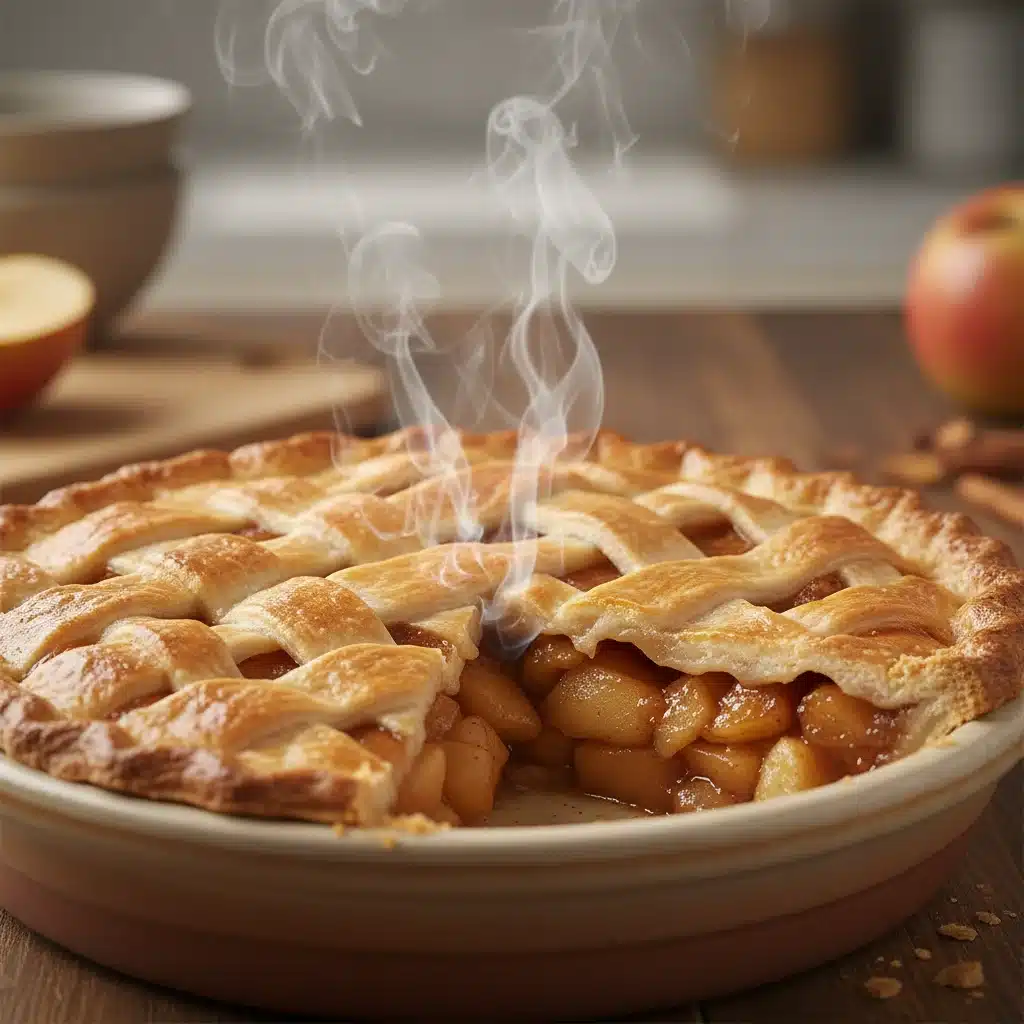
Apple Pie: Beyond the Basics
- Apple Selection: Use a blend of apples for complex flavor and texture. Granny Smith for tartness and structure, Honeycrisp for sweetness and crunch, and a softer apple like Golden Delicious for tenderness.
- Pre-cooking the Filling: Gently sautéing a portion of your apples with spices and sugar before baking can prevent a watery filling and ensure tender, flavorful fruit throughout.
- Flaky Crust Secrets: Use a combination of butter and shortening for the flakiest crust. Don’t overwork the dough, and ensure all ingredients are very cold. A splash of apple cider vinegar in the crust water can also tenderize the dough without affecting flavor.
- Finishing Touch: A brush of egg wash and a sprinkle of turbinado sugar on the top crust before baking adds a beautiful sheen and delightful crunch.
Chocolate Chip Cookies: The Ultimate Chewy or Crispy
- Brown Butter Magic: Brown your butter before adding it to your cookie dough. This simple step adds an incredible nutty, caramel depth that transforms the flavor profile.
- Chilling the Dough: Chilling your cookie dough for at least 24 hours (or even up to 72 hours) allows the flavors to meld and the flour to fully hydrate, resulting in a richer, more complex cookie and better texture.
- Chocolate Quality: Use high-quality chocolate chips or, even better, chopped chocolate bars with varying cocoa percentages. A mix of milk, semi-sweet, and dark chocolate creates a more dynamic flavor experience. A sprinkle of sea salt on top before baking enhances the chocolate flavor.
- Baking Temperature: A slightly higher initial baking temperature can create crispy edges, while a lower temperature allows for a chewyer center. Experiment to find your preferred balance for American Dessert Perfection.
Cheesecake: Achieving Velvety Smoothness
- Room Temperature Ingredients: Ensure cream cheese, eggs, and sour cream are at true room temperature. This prevents lumps and ensures a smooth, uniform batter.
- Water Bath (Bain-Marie): Baking cheesecake in a water bath provides gentle, even heat, preventing cracks and ensuring a creamy, consistent texture from edge to center.
- No Over-mixing: Once you add the eggs, mix only until just combined. Over-mixing incorporates too much air, which can lead to cracks and a less dense texture.
- Slow Cooling: Allow the cheesecake to cool slowly in the oven with the door slightly ajar before refrigerating. This gradual temperature change further prevents cracking and helps set the texture.
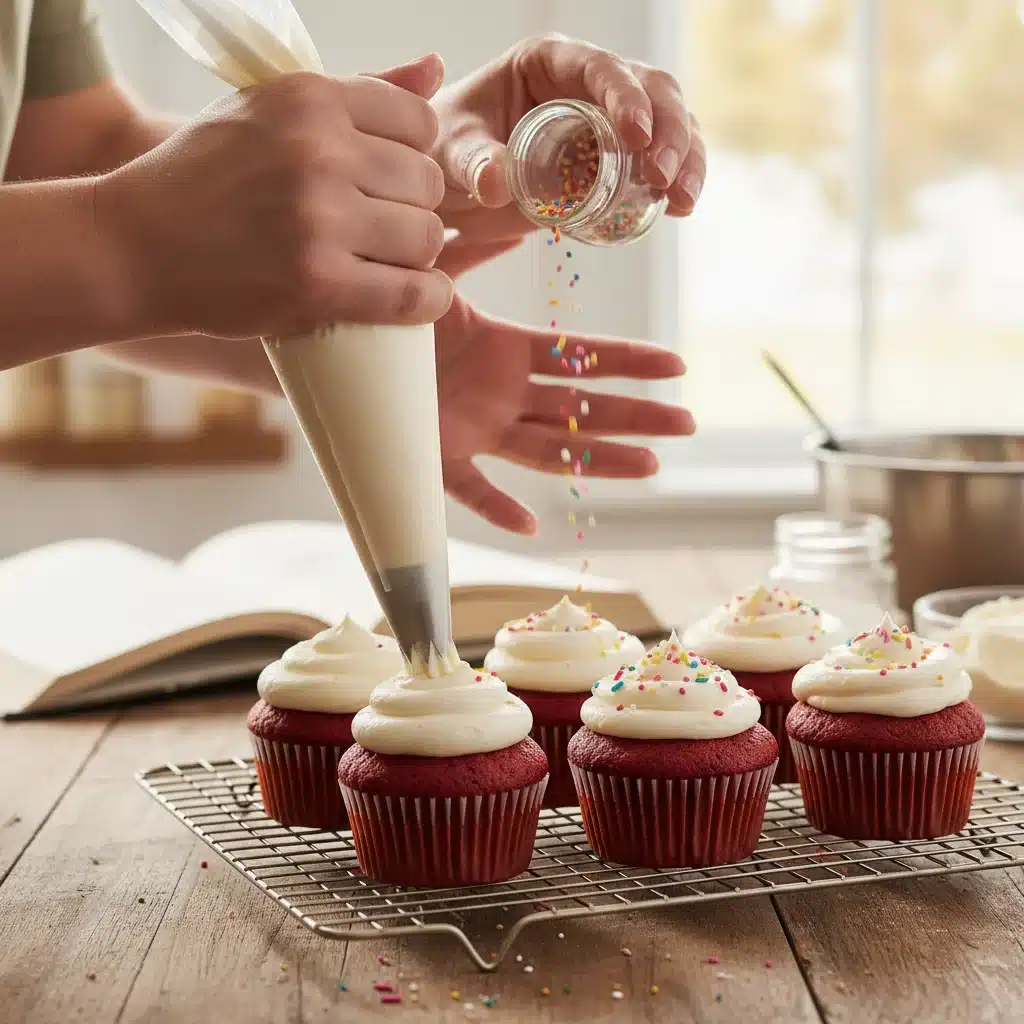
Red Velvet Cake: Deep Color, Deeper Flavor
- Quality Cocoa: While red velvet is known for its color, the cocoa flavor is crucial. Use a good quality unsweetened cocoa powder. The reaction between the cocoa, buttermilk, and a touch of vinegar is what gives red velvet its characteristic tang and subtle chocolate notes.
- Buttermilk Balance: Don’t skimp on the buttermilk. Its acidity tenderizes the cake crumb and reacts with the baking soda to create lift.
- Food Coloring: For that iconic deep red hue, use a high-quality gel food coloring. Liquid food coloring can thin the batter and result in a less vibrant color.
- Cream Cheese Frosting: The perfect cream cheese frosting is essential. Use full-fat cream cheese, softened butter, and sifted powdered sugar. A touch of vanilla extract is key. Don’t overbeat, or it might become too thin.
The Art of Presentation: Making it Memorable
Even the most delicious dessert can be enhanced by thoughtful presentation. In 2026, where visual appeal is as important as taste, mastering the art of plating is crucial for achieving full American Dessert Perfection.
Plating with Purpose
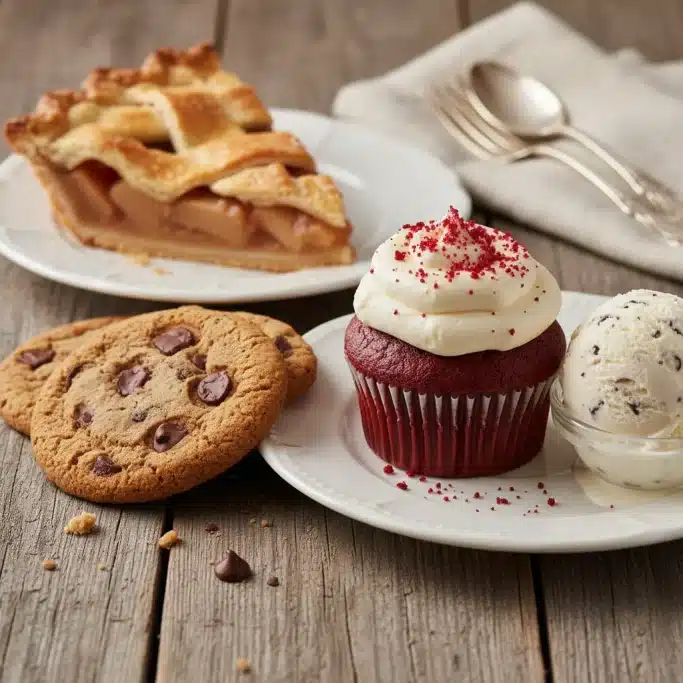
Think about balance and contrast. A slice of pie can be elevated with a dollop of freshly whipped cream or a scoop of homemade vanilla bean ice cream. A dusting of powdered sugar, a drizzle of caramel sauce, or a scattering of fresh berries can add visual interest and complementary flavors. Consider using clean, simple plates that allow the dessert to be the star.
Garnishes: More Than Just Decoration
Garnishes should not only look good but also add to the overall flavor experience. A sprig of fresh mint can brighten a rich chocolate dessert. Toasted nuts add crunch and a nutty aroma. Chocolate shavings, candied citrus peel, or edible flowers can turn a simple dessert into a work of art. For American Dessert Perfection, every element on the plate should contribute.
Temperature Matters
Serve desserts at their optimal temperature. Warm apple pie with cold ice cream is a classic for a reason – the contrast is delightful. Cheesecakes are best served chilled, while certain cookies might be best slightly warm. Paying attention to serving temperature can significantly impact the perception of flavor and texture.
Trends in 2026: Modern Twists on Classic American Dessert Perfection
While we cherish the classics, the culinary world is always evolving. Here are some trends to consider incorporating into your American Dessert Perfection repertoire in 2026:
Regional Ingredient Focus
Explore ingredients unique to different American regions. Think huckleberries from the Pacific Northwest in a cobbler, Meyer lemons from California in a tart, or sorghum syrup from the South in a pecan pie. This adds a unique story and flavor profile to your desserts.
Reduced Sugar, Enhanced Flavor
Consumers are increasingly conscious of sugar intake. Instead of relying solely on sugar for sweetness, focus on enhancing natural flavors through quality ingredients, spices, and complementary pairings. A touch of sea salt can make a sweet dessert taste even sweeter without adding more sugar.
Textural Play
Beyond soft and chewy, incorporate elements like crunchy streusel toppings, crispy meringue shards, or gooey caramel layers to add exciting textural contrasts to your desserts. A variety of textures makes each bite more engaging.
Sustainable Baking
Source ingredients from local farms, reduce food waste by utilizing scraps (e.g., apple peels for jelly), and choose eco-friendly packaging if you’re gifting. Sustainable practices are becoming a cornerstone of modern culinary excellence.
Global Influences
While focusing on American classics, don’t shy away from subtle global influences. A hint of cardamom in your apple pie, a touch of matcha in your shortbread, or a dash of chili in your chocolate brownies can add an unexpected and delightful complexity, pushing the boundaries of American Dessert Perfection in exciting new ways.
Common Pitfalls to Avoid on Your Journey to American Dessert Perfection
Even seasoned bakers encounter challenges. Being aware of common mistakes can help you navigate your baking journey more smoothly.
Ignoring Recipe Instructions
While experimentation is encouraged, especially after understanding the basics, initial deviations from a well-tested recipe can lead to disappointing results. Follow the instructions precisely, especially regarding measurements and temperatures.
Substituting Ingredients Blindly
Baking is chemistry. Substituting ingredients without understanding their role (e.g., swapping baking soda for baking powder, or different types of flour) can drastically alter the outcome. Research substitutions carefully.
Impatience
Baking takes time. Don’t rush chilling dough, cooling cakes, or allowing custards to set. These steps are crucial for texture and flavor development. Patience is a virtue in the pursuit of American Dessert Perfection.
Over-baking or Under-baking
This is a common culprit for less-than-perfect desserts. Learn the visual and tactile cues for doneness, and invest in an oven thermometer to ensure accurate temperatures. A few minutes too long or too short can make all the difference.
Neglecting Quality Control
Taste your ingredients (where appropriate) and your batter/dough before baking. This allows you to make minor adjustments, such as adding a pinch more salt or a dash more spice, ensuring the final product meets your standards for American Dessert Perfection.
The Future of American Dessert Perfection: What 2026 Holds
As we move further into 2026, the landscape of home baking continues to evolve. Digital resources, advanced kitchen gadgets, and a renewed interest in artisanal techniques are making it easier than ever for home bakers to achieve professional-level results. The emphasis will remain on quality, both in ingredients and execution, and on creating memorable experiences through food.
Expect to see more fusion desserts that tastefully blend American classics with international flavors, and a continued focus on health-conscious options, whether through alternative sweeteners, gluten-free variations, or plant-based ingredients. The core, however, will always be the joy and comfort these desserts bring.
Embracing these insider tips and techniques won’t just make your desserts 20% more flavorful; it will transform your entire baking experience. You’ll gain confidence, deepen your understanding of culinary science, and most importantly, create truly unforgettable moments for those who get to enjoy your creations. So tie on your apron, preheat your oven, and start your journey towards ultimate American Dessert Perfection today!
Conclusion: Your Path to Unforgettable Desserts
Achieving American Dessert Perfection in 2026 is an exciting and rewarding endeavor. By focusing on superior ingredients, mastering precise techniques, understanding the nuances of each classic recipe, and paying attention to presentation, you can elevate your baking to an entirely new level. Remember that baking is a journey of continuous learning and experimentation. Don’t be afraid to try new things, adapt recipes to your taste, and most importantly, enjoy the process.
Whether you’re a seasoned baker or just starting, these insights provide a roadmap to consistently producing desserts that are not only delicious but truly spectacular. The pursuit of that extra 20% flavor, texture, and visual appeal is what sets truly exceptional desserts apart. Go forth and bake with passion, precision, and a dash of creativity, and watch as your classic American desserts become the talk of every gathering.