The Pacific Northwest’s Foraging Boom: Incorporating 3 Wild Ingredients into Your 2026 Meals
The Pacific Northwest, a region renowned for its breathtaking natural beauty, from towering evergreen forests to rugged coastlines, is also a veritable treasure trove for the adventurous epicure. In recent years, a significant surge in interest in Pacific Northwest foraging has transformed how both chefs and home cooks approach their ingredients. This isn’t just a fleeting trend; it’s a reconnection with ancient practices, a move towards sustainable eating, and a quest for unique, vibrant flavors that mass-produced agriculture simply cannot replicate. As we look towards 2026, the art of foraging is set to become even more ingrained in the culinary landscape, offering a bounty of wild edibles that can elevate everyday meals into extraordinary experiences.
Anúncios
The allure of Pacific Northwest foraging lies in its diverse ecosystems, which support an incredible array of edible plants, fungi, and berries. From the dense, mossy floors of old-growth forests to sun-drenched mountain slopes, the region provides a rich tapestry of habitats for wild ingredients. This burgeoning movement is driven by a desire for fresh, local, and organic produce, a deeper understanding of food origins, and the sheer joy of discovery. However, successful and responsible foraging demands knowledge, respect for nature, and a commitment to sustainability. It’s about understanding the delicate balance of ecosystems and ensuring that these wild resources remain abundant for future generations.
This comprehensive guide will delve into the exciting world of Pacific Northwest foraging, focusing on three exceptional wild ingredients that are readily available and incredibly versatile: the sweet and tangy huckleberry, the nutrient-dense stinging nettle, and the prized, earthy chanterelle mushroom. We’ll explore their unique characteristics, provide essential tips for safe identification and ethical harvesting, and offer creative culinary applications to inspire your 2026 meal planning. Whether you’re a seasoned forager or a curious beginner, this article aims to equip you with the knowledge and confidence to embark on your own wild food adventure, transforming your pantry with the untamed flavors of the Pacific Northwest.
Anúncios
Understanding the Ethics and Safety of Pacific Northwest Foraging
Before you even think about plucking a single berry or mushroom, it’s crucial to understand the foundational principles of ethical and safe Pacific Northwest foraging. This isn’t just about avoiding poisonous lookalikes; it’s about fostering a respectful relationship with the natural world and ensuring the long-term viability of wild populations. The golden rule of foraging is simple: ‘When in doubt, throw it out!’ Never consume anything unless you are 100% certain of its identification. This often means consulting multiple reliable field guides, joining experienced foraging groups, or even taking workshops led by experts.
The video below explores some of these considerations:
The ‘Leave No Trace’ Philosophy in Foraging
Sustainable Pacific Northwest foraging adheres closely to the ‘Leave No Trace’ principles. This means:
- Harvesting Responsibly: Only take what you need and never more than 10-20% of a patch. This ensures enough remains for the plant or fungus to reproduce and for wildlife to feed.
- Minimal Impact: Avoid disturbing the surrounding ecosystem. Don’t trample plants, break branches unnecessarily, or leave any litter behind.
- Respect Private Property and Regulations: Always know where you are foraging. Many parks, private lands, and protected areas prohibit or restrict foraging. Obtain necessary permits or permissions where required. National Forests often allow personal harvesting of small quantities, but commercial harvesting usually requires a permit.
- Educate Yourself: Learn about the life cycle of the plants and fungi you are targeting. Understand their preferred habitats, growth patterns, and reproductive methods. This knowledge helps you forage intelligently and sustain the resource.
- Clean Your Gear: To prevent the spread of invasive species or plant diseases, always clean your boots and harvesting tools before and after entering a new foraging area.
Foraging is an intimate act of connecting with nature, and responsible practices ensure that this connection can be maintained for generations. By following these guidelines, you contribute to the health and biodiversity of the Pacific Northwest’s unique ecosystems.
Wild Ingredient #1: The Beloved Huckleberry
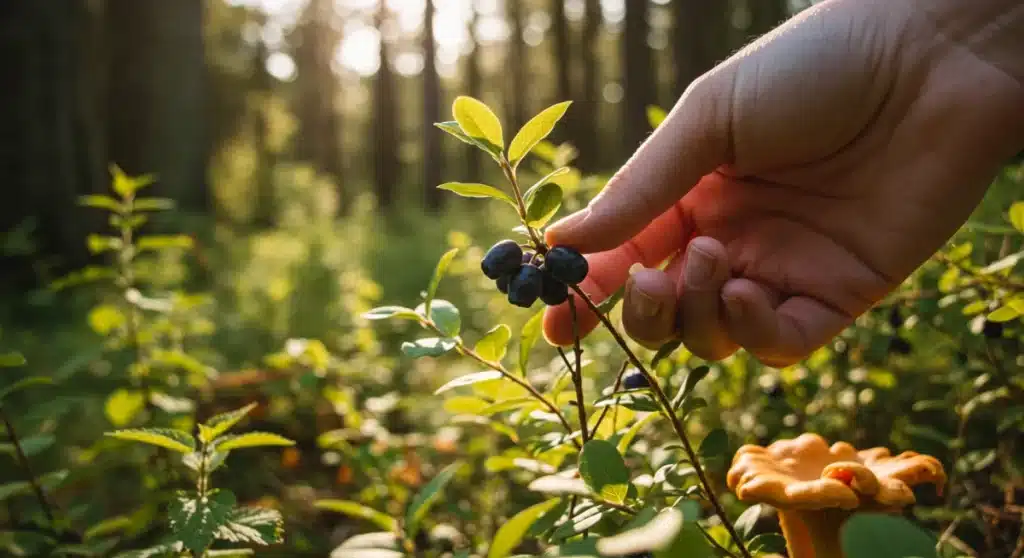
When one thinks of Pacific Northwest foraging, the huckleberry often comes to mind almost immediately. These small, intensely flavored berries are a regional treasure, far surpassing their cultivated blueberry cousins in complexity and sweetness. Huckleberries are not just a treat for the taste buds; they are also packed with antioxidants and vitamins, making them a healthy addition to any diet. The joy of finding a patch of ripe huckleberries in the late summer or early fall is a quintessential Pacific Northwest experience.
Identifying Huckleberries
There are several species of huckleberry (genus Vaccinium or Gaylussacia, depending on species) native to the Pacific Northwest. The most common edible ones are the black huckleberry (Vaccinium membranaceum) and the red huckleberry (Vaccinium parvifolium). Both grow on shrubs, typically in coniferous forests, at various elevations.
- Black Huckleberry: Grows on upright shrubs, 1-5 feet tall. The berries are dark purple to black, round, and have a small, five-pointed crown (calyx) at the end. Leaves are oval, finely toothed, and turn brilliant red in the fall.
- Red Huckleberry: Grows on smaller, often sprawling shrubs, sometimes epiphytically on stumps or logs. Berries are bright red, slightly translucent, and also have a distinct crown. Leaves are small, oval, and bright green.
Crucial Identification Tip: Huckleberries have 10 tiny, hard seeds inside, unlike blueberries which have many soft, barely noticeable seeds. Always confirm identification using a reliable field guide before consuming.
Where and When to Harvest Huckleberries
Huckleberries thrive in the understory of coniferous forests, often in clearings, along logging roads, or on the edges of trails. They prefer acidic soil and dappled sunlight. The peak season for Pacific Northwest foraging for huckleberries typically runs from late July through September, depending on elevation and specific location. Higher elevations tend to ripen later.
Harvesting Tips: Gather berries gently by hand to avoid damaging the delicate bushes. A small bucket or container is ideal. Be patient, as picking huckleberries can be a slow but rewarding process. Remember the 10-20% rule to ensure plenty remain for wildlife and future harvests.
Culinary Uses for Huckleberries in 2026 Meals
Huckleberries are incredibly versatile. Their intense flavor makes them perfect for:
- Baking: Huckleberry pies, muffins, pancakes, and crumbles are classic. Their tartness balances sweetness beautifully.
- Sauces and Jams: A simple huckleberry sauce can elevate roasted meats like venison or pork. Huckleberry jam is a staple for toast and pastries.
- Desserts: Incorporate them into cheesecakes, ice cream, or simply serve fresh with a dollop of whipped cream.
- Beverages: Huckleberry infused cocktails, lemonades, or even a refreshing huckleberry iced tea.
- Savory Dishes: Don’t limit them to sweet! A huckleberry reduction can add a surprising depth to savory glazes for duck or even a unique salad dressing.
Imagine a pan-seared duck breast with a huckleberry-port reduction, served alongside wild rice and sautéed foraged greens – a truly Pacific Northwest culinary masterpiece for 2026!
Wild Ingredient #2: The Mighty Stinging Nettle
Often perceived as a nuisance due to its characteristic sting, the stinging nettle (Urtica dioica) is a powerhouse of nutrition and a surprisingly delicious wild edible. Foraging for nettles is an ancient practice, and their resurgence in modern cuisine highlights their versatility and health benefits. Rich in iron, vitamins A and C, and minerals, nettles are a fantastic addition to a healthy diet, especially in the spring when their young shoots are at their peak.
Identifying Stinging Nettles
Stinging nettles are easily recognizable, though caution is advised during identification due to their stinging hairs. They typically grow in moist, nitrogen-rich soils, often found in disturbed areas, along stream banks, and in forest clearings throughout the Pacific Northwest.
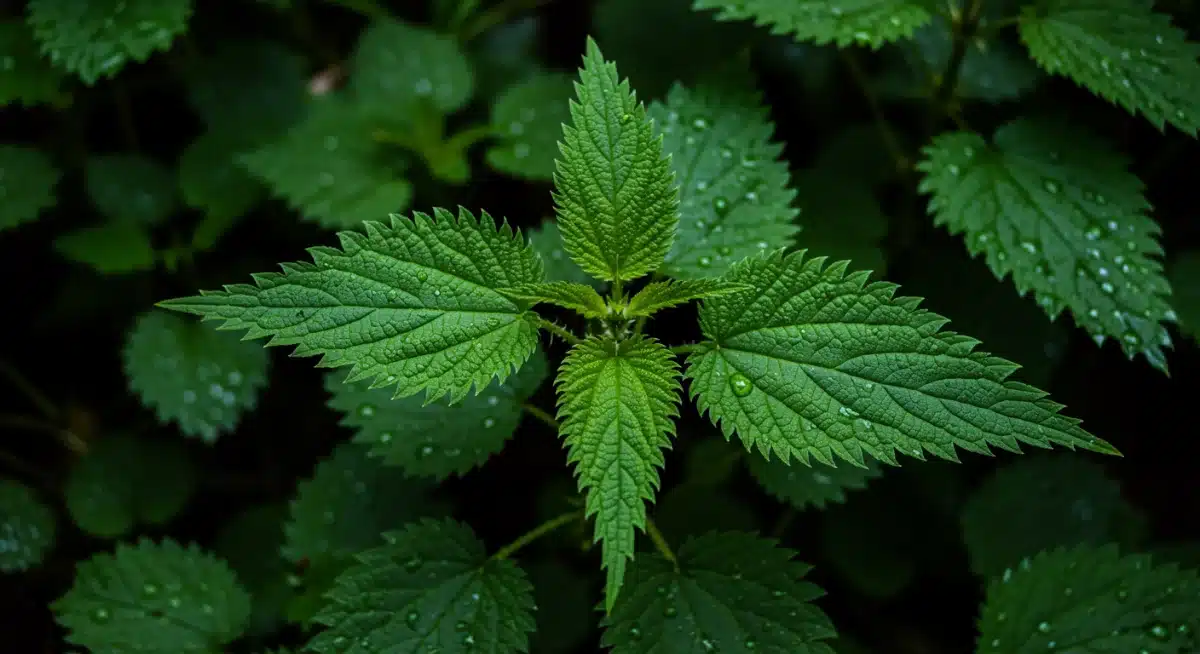
- Appearance: Nettles grow 2-6 feet tall on square stems. Their leaves are opposite, heart-shaped to lance-shaped, with deeply serrated margins.
- The Sting: The most distinctive feature is the presence of fine, hollow, stinging hairs (trichomes) on the stems and undersides of the leaves. These hairs inject formic acid and histamine upon contact, causing a temporary burning and itching sensation.
- Flowering: Small, greenish-white flowers grow in drooping clusters from the leaf axils.
Crucial Identification Tip: Always wear gloves when identifying and harvesting nettles! The sting is unmistakable. There are a few non-stinging lookalikes, but none possess the stinging hairs. If it doesn’t sting (before cooking), it’s not a stinging nettle.
Where and When to Harvest Stinging Nettles
Nettles prefer damp, shaded areas with rich soil. They are one of the earliest wild edibles to emerge in spring, making them a welcome sight after a long winter. The best time for Pacific Northwest foraging for nettles is from early spring (March/April) through early summer (June), when the plants are young and tender. As they mature, the leaves become tougher and can develop gritty crystals, though they are still fine for drying or making tea.
Harvesting Tips: Always wear thick gloves and long sleeves when harvesting. Use scissors or a sharp knife to snip the top 4-6 inches of the plant, focusing on the tender, new growth. Collect them in a sturdy bag. Once blanched or cooked, the stinging properties are completely neutralized, rendering them safe and delicious.
Culinary Uses for Stinging Nettles in 2026 Meals
Nettles have a flavor profile often described as a cross between spinach and cucumber, with a slight earthy undertone. They are incredibly versatile and can be used in many ways:
- Soups and Stews: A classic use is in nettle soup, often pureed to a creamy consistency. They also add depth to stews and broths.
- Greens: Treat them like spinach. Blanch briefly, then sauté with garlic and olive oil. They make an excellent side dish.
- Pesto: Substitute basil with blanched nettles for a unique, nutrient-rich pesto.
- Teas and Infusions: Dried nettles make a highly nutritious and mineral-rich herbal tea.
- Pasta and Dumplings: Incorporate blanched and chopped nettles into pasta dough, gnocchi, or savory dumplings.
- Frittatas and Quiches: Add sautéed nettles to egg dishes for a boost of flavor and nutrition.
Imagine a vibrant green nettle and ricotta ravioli, served with a light brown butter sauce and a sprinkle of toasted hazelnuts. This elevates a simple pasta dish into a gourmet experience, perfect for a modern 2026 menu fueled by Pacific Northwest foraging.
Wild Ingredient #3: The Prized Chanterelle Mushroom
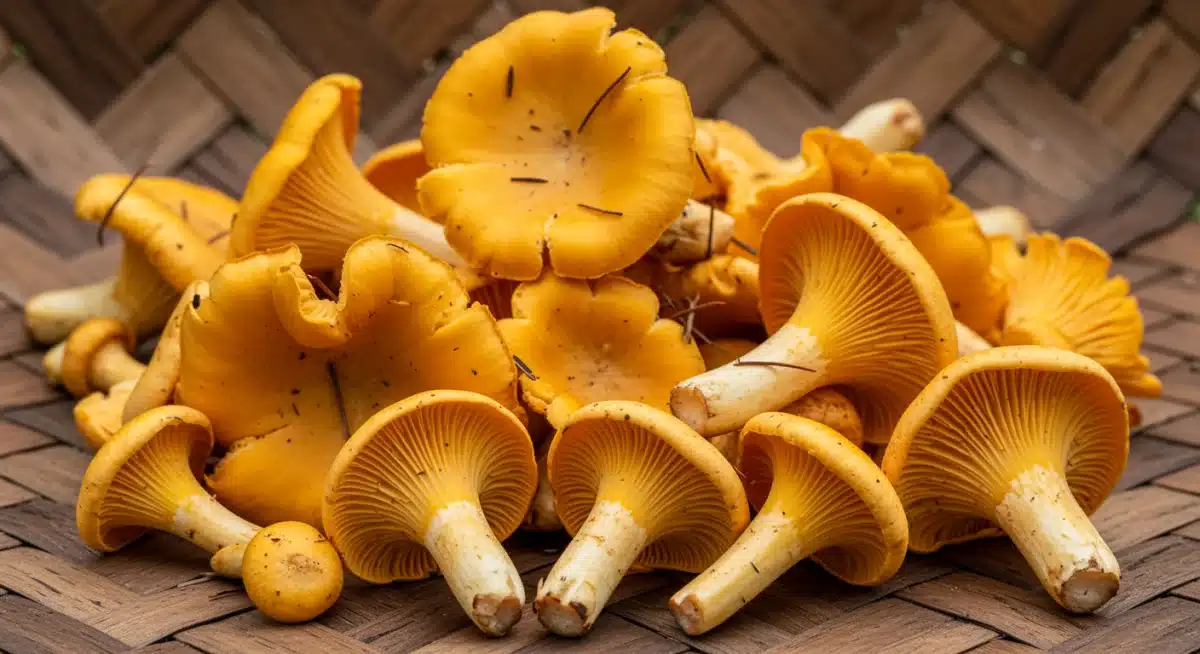
For many mushroom enthusiasts, the chanterelle (Cantharellus cibarius and related species like Cantharellus formosus, the Pacific golden chanterelle) is the holy grail of Pacific Northwest foraging. These beautiful, trumpet-shaped fungi are celebrated for their distinctive fruity aroma, often described as apricot-like, and their delicate, peppery flavor. Finding a patch of chanterelles is akin to discovering gold, making them a highly sought-after ingredient in fine dining and home kitchens alike.
Identifying Chanterelle Mushrooms
Accurate identification is paramount when foraging for mushrooms, as some poisonous lookalikes exist. Chanterelles have several key distinguishing features:
- Color: Typically golden-yellow to orange, though some species can be paler.
- Shape: Funnel or trumpet-shaped, often with wavy or irregular caps.
- Gills (False Gills): This is a critical feature. Chanterelles do not have true gills that are separate from the stem. Instead, they have blunt, gill-like ridges or folds that run down the stem and are continuous with the cap. These are often described as ‘false gills’ or ‘veins.’
- Stem: Solid, not hollow, and tapers towards the base.
- Smell: A characteristic fruity aroma, often compared to apricots.
- Flesh: White to pale yellow, tears like string cheese, not crumbly.
- Growth Habit: They typically grow scattered on the forest floor, not in dense clusters, and are mycorrhizal, meaning they form a symbiotic relationship with tree roots (often conifers or oaks).
Crucial Identification Tip: Beware of the ‘Jack O’Lantern mushroom’ (Omphalotus illudens), which is poisonous and can be mistaken for chanterelles. Jack O’Lanterns have true, sharp, blade-like gills that are separate from the stem, often grow in dense clusters on wood, and lack the apricot smell. The ‘False Chanterelle’ (Hygrophoropsis aurantiaca) is edible but bland and has true gills that are more orange than yellow. Always cross-reference with a reliable field guide and, if new to mushroom foraging, go with an expert.
Where and When to Harvest Chanterelles
Chanterelles flourish in moist, well-draining soil under coniferous and mixed forests. They are particularly abundant after periods of rain. The prime season for Pacific Northwest foraging for chanterelles is late summer through fall, typically from August to November, though their appearance is highly dependent on local weather conditions.
Harvesting Tips: Use a sharp knife to cut the mushroom stem near the base, leaving the mycelial network (the underground part) intact to ensure future growth. Gently brush off any dirt or debris in the field. Avoid collecting waterlogged or insect-ridden specimens. Carry a mesh bag or basket, as this allows spores to disperse as you walk, aiding in reproduction.
Culinary Uses for Chanterelle Mushrooms in 2026 Meals
Chanterelles are versatile and their distinct flavor shines in many dishes:
- Sautéed: A simple sauté with butter, garlic, and herbs (like thyme or parsley) is a classic way to enjoy their flavor.
- Sauces: They make an exquisite cream sauce for pasta, chicken, or fish.
- Risotto: Chanterelle risotto is a rich, earthy, and incredibly satisfying dish.
- Soups: Add them to clear broths or creamy mushroom soups for a gourmet touch.
- Omelets and Scrambles: Elevate a breakfast or brunch with a handful of sautéed chanterelles.
- Preservation: Chanterelles can be dried or pickled to enjoy their flavor year-round.
Imagine a creamy chanterelle and wild ramp pasta with a hint of white truffle oil, a dish that truly embodies the sophisticated flavors of Pacific Northwest foraging. This could be a showstopper on any 2026 menu.
Integrating Foraged Foods into a Modern Diet for 2026
The beauty of Pacific Northwest foraging goes beyond the individual ingredients; it’s about a holistic approach to food. Incorporating wild edibles into your diet for 2026 is a statement about sustainability, local sourcing, and a desire for truly unique culinary experiences. It encourages creativity in the kitchen and fosters a deeper connection to the natural world around us.
The Health Benefits of Wild Foods
Wild foods are often more nutrient-dense than their cultivated counterparts, having adapted to survive and thrive in challenging environments. They are typically free from pesticides and herbicides, and their diverse genetic makeup often translates to a broader spectrum of vitamins, minerals, and antioxidants. Foraged ingredients can diversify your diet, introducing novel compounds that boost overall health and well-being.
Building a Foraging Community
One of the most rewarding aspects of Pacific Northwest foraging is the sense of community it fosters. Joining local foraging groups, attending workshops, or even sharing your finds with friends and family can enhance the experience. Knowledge sharing is crucial, especially when it comes to safe identification and sustainable harvesting practices. These communities often organize group forays, making the learning process both fun and safe.
Beyond the Big Three: Other Pacific Northwest Foraging Delights
While huckleberries, nettles, and chanterelles are fantastic starting points, the Pacific Northwest offers a vast array of other edible treasures:
- Salal Berries: Sweet and slightly tart, great for jams and jellies.
- Fiddlehead Ferns: The coiled young shoots of certain ferns (like Ostrich fern), delicious when blanched and sautéed.
- Miner’s Lettuce: A delicate, mild green excellent in salads.
- Wild Ginger: A native plant with a spicy, aromatic root.
- Morel Mushrooms: Another highly prized edible fungus, typically found in spring.
- Coastal Herbs: Sea beans, sea rocket, and other salty coastal greens.
Each of these offers its own unique flavor profile and culinary potential, further enriching the palette of the adventurous Pacific Northwest foraging enthusiast.
Conclusion: Embrace the Wild Flavors of the Pacific Northwest
The movement towards Pacific Northwest foraging is more than just a culinary trend; it’s a lifestyle choice that embraces sustainability, local sourcing, and a deep appreciation for nature’s bounty. As we move into 2026, the integration of wild ingredients like huckleberries, stinging nettles, and chanterelle mushrooms into our meals will continue to grow, transforming our perception of food and flavor.
By approaching foraging with respect, knowledge, and a commitment to ethical practices, you can unlock a world of unparalleled tastes and nutritional benefits. The thrill of the hunt, the satisfaction of identifying a prized edible, and the joy of transforming wild ingredients into delicious meals are experiences that connect us profoundly to the land. So, arm yourself with a good field guide, a sturdy basket, and a sense of adventure, and step into the vibrant, flavorful world of Pacific Northwest foraging. Your 2026 meals (and your connection to nature) will be all the richer for it.
Disclaimer:
Foraging for wild edibles carries inherent risks. Always be 100% certain of any plant or mushroom identification before consumption. Consult multiple reputable field guides, take classes from experienced foragers, and if in doubt, do not eat it. This article is for informational purposes only and not a substitute for expert guidance.