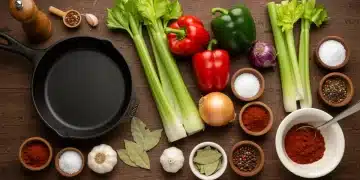
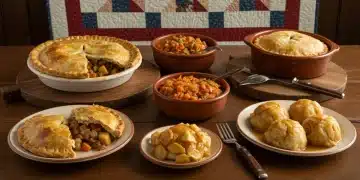
Authentic Appalachian Cooking: Timeless Recipes Revitalized for Modern Palates
Anúncios
The Appalachian Mountains, a region steeped in natural beauty and rich cultural heritage, have given birth to a culinary tradition as enduring and comforting as the mountains themselves. Appalachian Cooking Recipes are more than just food; they are a testament to resilience, resourcefulness, and the deep connection people have to the land. For generations, this cuisine has nourished families, telling stories of self-sufficiency, community, and the simple pleasures of life. In a world increasingly dominated by fast food and globalized flavors, there’s a profound beauty in returning to these foundational dishes, understanding their origins, and adapting them for the modern kitchen while preserving their authentic soul.
Anúncios
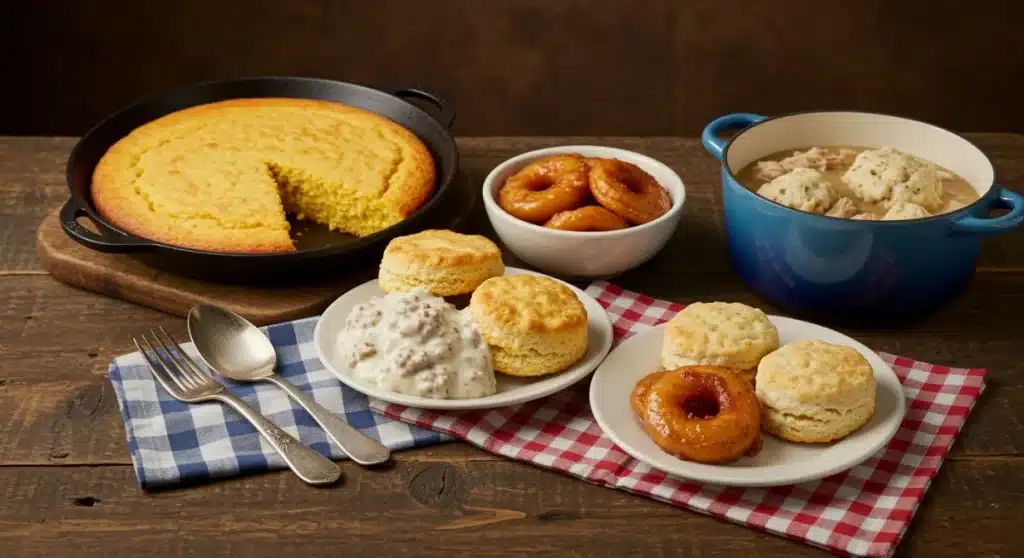
This article delves into the heart of authentic Appalachian Cooking Recipes, exploring four timeless classics: Skillet Cornbread, Biscuits and Sausage Gravy, Fried Apples, and Chicken and Dumplings. We’ll uncover the history behind these beloved dishes, discuss the key ingredients that define their flavors, and provide revitalized recipes that honor tradition while incorporating contemporary techniques for today’s home cooks. Whether you’re a seasoned chef or a culinary novice, these recipes offer a delicious journey into the comforting embrace of Appalachian cuisine.
Anúncios
The Enduring Legacy of Appalachian Cooking
The culinary landscape of Appalachia is a direct reflection of its history and geography. Settlers, many of whom were Scots-Irish, German, and English, brought their traditions and adapted them to the resources available in the rugged mountain terrain. Limited access to markets meant a reliance on what could be grown, hunted, foraged, or preserved. This necessity fostered a culture of self-reliance and ingenious cooking methods that maximized every ingredient.
Appalachian Cooking Recipes are characterized by their simplicity, heartiness, and the use of seasonal, locally sourced ingredients. Staples included corn, beans, squash, wild game, foraged greens, and preserved fruits. These ingredients formed the backbone of a diet that was both nourishing and deeply satisfying. The cooking techniques were often straightforward: baking in cast iron, stewing over an open fire, or frying. These methods not only produced delicious food but also built a sense of community around shared meals.
Over time, as the region industrialized and modern conveniences became more accessible, some aspects of Appalachian cooking evolved. However, the core principles of using fresh, simple ingredients and creating comforting, flavorful dishes remained. Today, there’s a resurgence of interest in these traditional recipes, not just for their nostalgic appeal but for their inherent goodness and connection to a more sustainable way of eating. Exploring Appalachian Cooking Recipes is an invitation to connect with history, appreciate the bounty of nature, and savor the profound satisfaction of a homemade meal.
1. Skillet Cornbread: The Golden Foundation of Appalachian Meals
The History and Significance of Cornbread
Cornbread is, without a doubt, one of the most iconic and beloved Appalachian Cooking Recipes. Its origins in North America predate European settlement, with Native Americans cultivating corn for centuries. European settlers quickly adopted corn as a staple, as it grew well in the local climate and provided a versatile flour. In Appalachia, cornbread became a daily bread, a simple yet essential accompaniment to almost every meal.
Traditionally, Appalachian cornbread was made with white cornmeal, buttermilk, and sometimes a little baking soda, cooked in a well-seasoned cast-iron skillet. The goal was a crispy crust and a moist, tender interior. It was rarely sweetened, in stark contrast to the often-sweet cornbread found in other parts of the South. This unsweetened version allowed the natural flavor of the corn to shine, making it perfect for sopping up pot liquor from greens or gravy.
Revitalized Skillet Cornbread Recipe
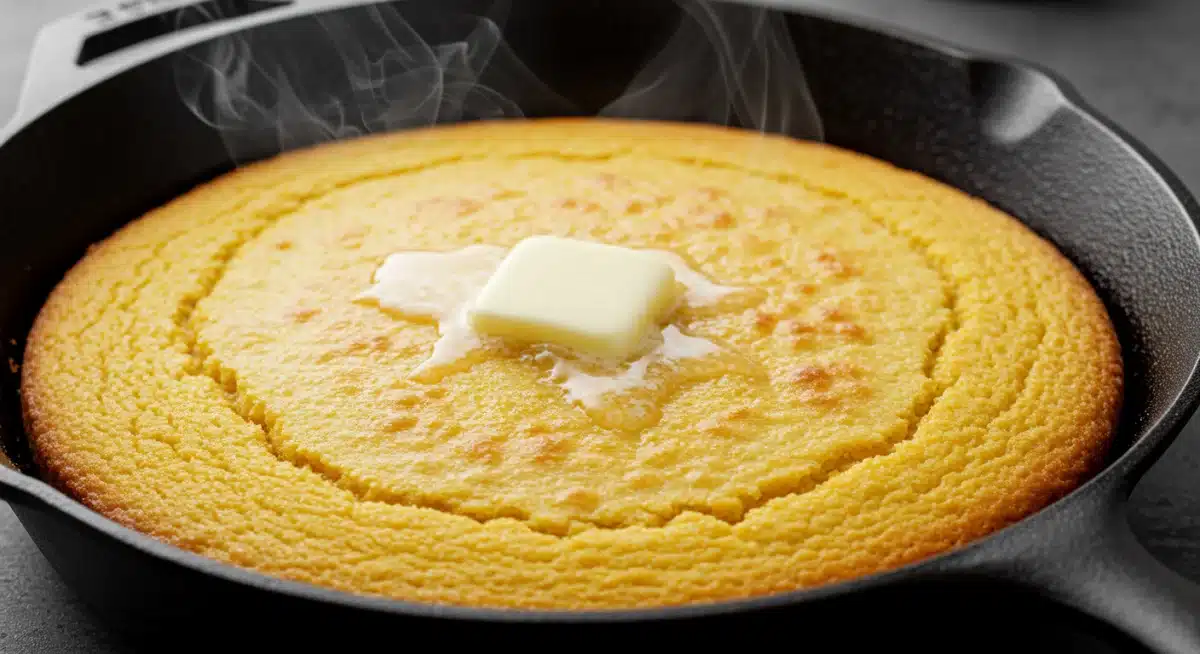
Our revitalized recipe for Skillet Cornbread maintains the traditional unsweetened, crispy-edged character while ensuring a perfectly moist crumb every time. Using a hot cast-iron skillet is crucial for that signature crust.
Ingredients:
- 1 ½ cups white cornmeal (fine or medium grind)
- ½ cup all-purpose flour
- 1 teaspoon baking soda
- ½ teaspoon salt
- 1 ½ cups buttermilk
- 1 large egg, lightly beaten
- ¼ cup unsalted butter, melted, plus 1 tablespoon for the skillet
Instructions:
- Preheat Oven and Skillet: Place a 10-inch cast-iron skillet in the oven and preheat to 425°F (220°C). This ensures the skillet gets super hot, leading to a fantastic crust.
- Combine Dry Ingredients: In a large mixing bowl, whisk together the cornmeal, flour, baking soda, and salt.
- Combine Wet Ingredients: In a separate medium bowl, whisk together the buttermilk, beaten egg, and ¼ cup melted butter.
- Combine Wet and Dry: Pour the wet ingredients into the dry ingredients and stir just until combined. Be careful not to overmix; a few lumps are fine. Overmixing can lead to tough cornbread.
- Prepare Skillet: Once the oven and skillet are preheated, carefully remove the hot skillet from the oven. Add the remaining 1 tablespoon of butter to the hot skillet, swirling to coat the bottom and sides. The butter will sizzle and melt quickly.
- Pour Batter and Bake: Immediately pour the cornbread batter into the hot, buttered skillet.
- Bake: Bake for 20-25 minutes, or until the top is golden brown and a wooden skewer inserted into the center comes out clean.
- Serve: Let the cornbread cool in the skillet for a few minutes before slicing and serving. It’s best served warm with butter, honey, or alongside your favorite stew or greens.
2. Biscuits and Sausage Gravy: The Ultimate Appalachian Breakfast
A Hearty Start to the Day
No discussion of Appalachian Cooking Recipes would be complete without mentioning Biscuits and Sausage Gravy. This dish is the epitome of comfort food, a hearty and satisfying breakfast that provided sustained energy for a day of hard work in the mountains. The simplicity of its ingredients – flour, fat, milk for biscuits, and sausage, flour, milk for gravy – belies the profound comfort and flavor it delivers.
Appalachian biscuits are traditionally light, fluffy, and tender, often made with lard or shortening for a richer texture. The gravy, made from the drippings of pan-fried sausage, thickened with flour, and simmered with milk, is savory and creamy, perfect for soaking into those warm biscuits. This dish speaks to the resourcefulness of mountain cooks, transforming humble ingredients into a meal that is both delicious and deeply nourishing.
Revitalized Biscuits and Sausage Gravy Recipe
Our revitalized recipe focuses on achieving perfectly flaky biscuits and a rich, flavorful gravy, with a few tips to elevate the classic.
For the Biscuits:
Ingredients:
- 2 cups all-purpose flour, plus more for dusting
- 1 tablespoon baking powder
- ½ teaspoon baking soda
- ½ teaspoon salt
- ½ cup (1 stick) unsalted butter, very cold and cut into small cubes, or ½ cup cold lard/vegetable shortening
- ¾ cup cold buttermilk, plus more if needed
Instructions:
- Prepare Dry Ingredients: In a large bowl, whisk together the flour, baking powder, baking soda, and salt.
- Cut in Fat: Add the cold butter (or lard/shortening) to the flour mixture. Using a pastry blender, two knives, or your fingertips, cut the fat into the flour until it resembles coarse crumbs with some pea-sized pieces remaining. This is key for flaky biscuits.
- Add Buttermilk: Make a well in the center and pour in the cold buttermilk. Stir with a fork just until the dough comes together. Be careful not to overmix.
- Knead and Fold: Turn the dough out onto a lightly floured surface. Gently knead and fold the dough 4-5 times. This brief kneading helps create layers.
- Cut Biscuits: Pat the dough into a ¾ to 1-inch thick circle. Using a 2-inch biscuit cutter (do not twist, just press straight down), cut out biscuits. Reroll scraps once to cut more.
- Bake: Place biscuits on a baking sheet. Bake in a preheated oven at 425°F (220°C) for 12-15 minutes, or until golden brown on top.
For the Sausage Gravy:
Ingredients:
- 1 pound bulk pork sausage (mild or hot, depending on preference)
- ¼ cup all-purpose flour
- 3 cups whole milk
- Salt and freshly ground black pepper to taste
- Pinch of cayenne pepper (optional, for a little kick)
Instructions:
- Cook Sausage: In a large skillet over medium-high heat, crumble and cook the pork sausage until browned and no longer pink. Drain off all but about 2-3 tablespoons of the rendered fat.
- Make Roux: Reduce heat to medium. Sprinkle the flour over the cooked sausage and fat. Stir constantly for 1-2 minutes, allowing the flour to cook and absorb the fat, creating a roux.
- Add Milk: Gradually whisk in the milk, a little at a time, ensuring no lumps form. Continue to whisk until the gravy begins to thicken, about 5-7 minutes.
- Season: Season with salt, black pepper, and a pinch of cayenne if desired. Taste and adjust seasonings.
- Serve: Serve hot over warm, freshly baked biscuits.
3. Fried Apples: A Sweet Appalachian Delight
The History of Apple Preservation
Apples have always been a cornerstone of the Appalachian diet. With abundant orchards and wild apple trees, the fruit was not only enjoyed fresh but also extensively preserved to last through the long winter months. Drying, canning, and making apple butter were common practices. Fried apples, one of the simplest yet most satisfying Appalachian Cooking Recipes, emerged as a quick and delicious way to enjoy this versatile fruit, often served as a side dish with savory meats or as a sweet treat.
Traditionally, fried apples were cooked slowly in a skillet with a little butter or bacon grease, sometimes with a touch of sugar and cinnamon. The goal was to achieve tender, caramelized apple slices bursting with natural sweetness. This dish embodies the Appalachian ethos of making the most of what’s available and transforming simple ingredients into something truly special.
Revitalized Fried Apples Recipe
Our revitalized fried apples recipe emphasizes caramelization and a balance of sweet and tart flavors, perfect as a side or a dessert.
Ingredients:
- 4 large firm apples (such as Granny Smith, Honeycrisp, or Fuji), peeled, cored, and sliced into ¼-inch thick wedges
- 2 tablespoons unsalted butter or rendered bacon fat
- ¼ cup brown sugar (adjust to taste, depending on apple sweetness)
- ½ teaspoon ground cinnamon
- Pinch of nutmeg (optional)
- 2 tablespoons water or apple cider
- A squeeze of lemon juice (optional, to brighten flavor)
Instructions:
- Melt Fat: In a large, heavy-bottomed skillet (cast iron works beautifully), melt the butter or bacon fat over medium heat.
- Sauté Apples: Add the apple slices to the skillet. Cook, stirring occasionally, for 5-7 minutes, until the apples begin to soften around the edges.
- Add Seasonings: Sprinkle the brown sugar, cinnamon, and nutmeg (if using) over the apples. Stir to coat evenly.
- Simmer and Caramelize: Add the water or apple cider. Reduce heat to medium-low, cover, and cook for another 5-8 minutes, or until apples are tender but still hold their shape. Uncover and increase heat slightly to allow the liquid to reduce and caramelize around the apples, stirring frequently to prevent sticking. This step can take an additional 5-10 minutes.
- Finish: If desired, add a squeeze of lemon juice to brighten the flavors.
- Serve: Serve warm as a side dish with pork or chicken, or as a simple dessert with a dollop of ice cream or whipped cream.
4. Chicken and Dumplings: A Bowl of Appalachian Comfort
The Soul-Warming Classic
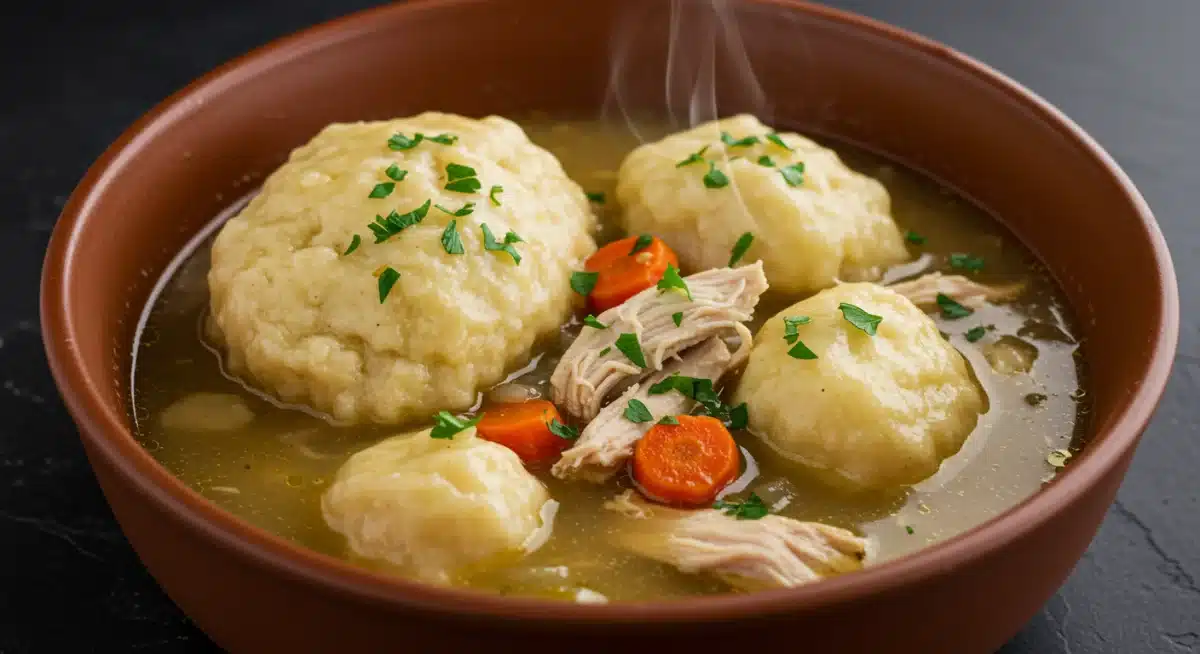
When it comes to ultimate comfort, few Appalachian Cooking Recipes rival Chicken and Dumplings. This hearty, soul-warming dish is a staple in mountain homes, especially during colder months. It’s a testament to making a satisfying meal from simple ingredients, often utilizing a whole chicken to create a rich broth and tender meat, then adding fluffy, doughy dumplings.
There are two main types of dumplings in Appalachian cuisine: rolled (or “slick”) dumplings, which are thin and noodle-like, and drop dumplings, which are thicker and more biscuit-like. Both are equally beloved, and the choice often comes down to family tradition. This recipe focuses on the more common drop dumpling, which provides a wonderfully soft and chewy texture that soaks up the flavorful broth.
Revitalized Chicken and Dumplings Recipe
Our revitalized chicken and dumplings recipe aims for a deeply flavored broth, tender chicken, and perfectly cooked, pillowy dumplings.
Ingredients:
- 1 whole chicken (about 3-4 pounds), cut into pieces, or 3-4 pounds bone-in, skin-on chicken thighs and drumsticks
- 1 large onion, chopped
- 2 carrots, peeled and chopped
- 2 celery stalks, chopped
- 8 cups chicken broth, plus more if needed
- 2 sprigs fresh thyme
- 1 bay leaf
- Salt and freshly ground black pepper to taste
- ¼ cup all-purpose flour (for thickening, optional)
- 2 tablespoons unsalted butter (for thickening, optional)
- Fresh parsley, chopped, for garnish
For the Drop Dumplings:
- 2 cups all-purpose flour
- 1 tablespoon baking powder
- ½ teaspoon salt
- 4 tablespoons cold unsalted butter, cut into small pieces
- ¾ cup milk (whole or 2%)
Instructions:
- Cook Chicken: Place the chicken pieces in a large stockpot or Dutch oven. Add the chopped onion, carrots, celery, chicken broth, thyme, and bay leaf. Season with salt and pepper.
- Simmer Broth: Bring to a boil, then reduce heat to low, cover, and simmer for 45-60 minutes, or until the chicken is cooked through and very tender.
- Shred Chicken: Carefully remove the chicken from the pot and set aside to cool slightly. Strain the broth through a fine-mesh sieve into a clean bowl, discarding the vegetables, thyme, and bay leaf. Skim off any excess fat from the broth if desired. Once cool enough to handle, remove the skin and bones from the chicken and shred the meat into bite-sized pieces.
- Prepare Dumpling Dough: While the chicken cools, prepare the dumplings. In a medium bowl, whisk together the flour, baking powder, and salt. Cut in the cold butter using a pastry blender or your fingertips until the mixture resembles coarse crumbs. Add the milk and stir with a fork just until a shaggy dough forms. Do not overmix.
- Thicken Broth (Optional): Return the strained broth to the pot and bring to a gentle simmer. If you prefer a thicker broth, melt 2 tablespoons of butter in a small saucepan, whisk in ¼ cup flour, and cook for 1 minute to make a roux. Gradually whisk this roux into the simmering broth until thickened to your desired consistency.
- Add Chicken and Dumplings: Add the shredded chicken back to the simmering broth. Drop the dumpling dough by the spoonful (about 1-2 tablespoons each) directly into the simmering broth. Do not overcrowd the pot.
- Cook Dumplings: Cover the pot and simmer for 15-20 minutes, or until the dumplings are cooked through and fluffy. Avoid lifting the lid too often during this time.
- Serve: Taste and adjust seasonings. Ladle into bowls and garnish with fresh chopped parsley.
The Modern Relevance of Appalachian Cooking
In an era where food trends come and go, the timeless appeal of Appalachian Cooking Recipes remains strong. There are several reasons for this enduring popularity:
Sustainability and Local Sourcing
Appalachian cuisine was inherently sustainable long before the term became popular. It prioritized seasonal ingredients, minimized waste, and relied on local resources. Modern home cooks are increasingly seeking out these practices, making Appalachian recipes a natural fit for contemporary food values. The emphasis on locally grown produce, humanely raised meats, and simple, whole ingredients resonates deeply with today’s conscious consumer.
Comfort and Nostalgia
Perhaps more than any other factor, Appalachian Cooking Recipes offer unparalleled comfort. These dishes evoke feelings of warmth, security, and home. In a fast-paced world, the act of preparing and enjoying these meals provides a much-needed sense of grounding and connection to tradition. For many, it’s a taste of childhood or a reminder of simpler times, creating a powerful emotional resonance.
Simplicity and Accessibility
The beauty of Appalachian cooking lies in its straightforwardness. The recipes don’t require exotic ingredients or complicated techniques. Most ingredients are readily available and affordable, making these dishes accessible to a wide range of cooks. This simplicity allows the quality of the ingredients to shine through, proving that delicious food doesn’t need to be overly elaborate.
Adaptability and Creativity
While rooted in tradition, Appalachian Cooking Recipes are also surprisingly adaptable. Modern cooks can easily incorporate healthier fats, introduce new vegetables, or adjust seasonings to suit their preferences. For example, a vegetarian version of chicken and dumplings could use vegetable broth and plant-based protein, while fried apples can be made with less sugar or enhanced with spices like cardamom. The core principles remain, but there’s ample room for creative expression.
Tips for Mastering Appalachian Cooking
To truly embrace the spirit of Appalachian Cooking Recipes, consider these tips:
- Invest in Cast Iron: A well-seasoned cast-iron skillet is an indispensable tool for Appalachian cooking. It distributes heat evenly, creates fantastic crusts, and can last a lifetime.
- Source Local Ingredients: Whenever possible, use local and seasonal ingredients. This not only supports local farmers but also ensures the freshest and most flavorful results, staying true to the cuisine’s roots.
- Don’t Fear Fat: Traditional Appalachian cooking didn’t shy away from butter, lard, or bacon fat. These fats contribute significantly to flavor and texture. While moderation is key for health, a little bit of the right fat can make all the difference.
- Taste and Adjust: Always taste your food as you go and adjust seasonings. Appalachian cooking is often about intuitive cooking, so trust your palate.
- Embrace Simplicity: Resist the urge to overcomplicate things. The beauty of these dishes lies in their humble origins and straightforward preparation.
- Share Your Meals: Appalachian cooking is communal. Share your creations with family and friends. Food tastes better when shared.
Conclusion: A Culinary Journey Through the Mountains
Appalachian Cooking Recipes offer a window into a rich cultural tapestry, a culinary tradition built on resilience, resourcefulness, and a profound love for comforting, wholesome food. From the golden crust of a skillet cornbread to the tender embrace of chicken and dumplings, these dishes tell a story that continues to resonate today. By revitalizing these timeless recipes, we not only preserve a valuable piece of culinary history but also discover delicious, satisfying meals that nourish both body and soul.
We encourage you to try these revitalized recipes and experience the warmth and flavor of authentic Appalachian cuisine. Let these dishes transport you to the heart of the mountains, where good food and good company are always in season. Happy cooking!